Wondering which vegetables to grow first without a lot of trial and error? Nearly half of all new gardeners get frustrated and quit after their first failed crop, but you don’t have to be one of them. By choosing easy-to-grow veggies, you dramatically increase your chances of success and enjoyment. Did you know radishes are ready to eat in under a month or that cherry tomatoes can thrive even on a tiny patio?
This guide will simplify your choices, cut through the guesswork, and give you eight beginner-friendly vegetables that almost guarantee success. Whether you’re working with containers or a small backyard bed, you’ll have the confidence and clear steps to grow something delicious this season.
Why Start with Just One Vegetable?
Starting small keeps things simple. When you’re only focused on one crop, you’re not juggling different needs for watering, sunlight, or spacing. It’s much easier to pay attention to how that single plant reacts—whether it’s wilting from too much sun or thriving after a compost boost. With just one vegetable, you can quickly learn how your soil drains, how often to water, and what bugs to look out for without getting overwhelmed.
This approach also saves time and money. You won’t need a full set of gardening tools, multiple seed packets, or extra containers right away. A trowel, one pot, and a few hours a week are all you need to get started. Once you succeed with one veggie, you’ll feel more confident to try another. And that success makes you more likely to stick with gardening long-term, without the frustration of failed crops.
Top 8 Vegetables to Grow When You’re Starting With One
Radishes: Fast, satisfying, and space-saving
Radishes are one of the quickest vegetables you can grow—some varieties are ready in just 25 days. They’re ideal for impatient beginners who want to see results fast. Because they take up little space, you can grow them in small pots or even tucked between other plants in a shared container. The colorful bulbs and peppery crunch add instant charm to your salads.
They thrive in cooler temperatures and require minimal care. Just ensure your soil stays moist and loose so the roots can grow evenly. You can use a simple fabric grow bag for better drainage and easier planting if you’re working on a patio or balcony.
Lettuce: Grows quickly and keeps producing
Lettuce is great if you love fresh greens and want steady harvests. With cut-and-come-again varieties like leaf lettuce, you can snip off the outer leaves while allowing the center to continue growing. In a small space, this gives you weeks of fresh salads from a single plant.
It grows best in spring or fall when the weather is cooler. Use a shallow container and a moisture meter to avoid overwatering—it doesn’t like soggy roots. Position your pot in partial sun, and you’ll be harvesting in no time.
Green Beans: Easy, productive, and great for containers or trellises
Green beans are beginner-friendly and highly rewarding. They grow quickly and produce plenty, especially the bush variety. You don’t need fancy support systems—just a pot and sun. Pole beans need a trellis, but even a repurposed tomato cage will work.
Plant in a 12-inch-deep pot and use organic bean seeds to get a jump on healthy growth. As long as they receive full sun and regular watering, beans will continue to produce for several weeks.
Zucchini: High-yielding and low-maintenance
Zucchini is the workhorse of the summer garden. One plant can pump out more squash than most families can eat. It doesn’t demand much—just a large container and lots of sun. Be sure to check daily once fruit appears—they grow fast!
Use a sturdy 15-gallon container and give it space to sprawl. Keep leaves dry to avoid mildew, and harvest young for the best texture. This is one vegetable that delivers more than it promises.
Carrots: Great for cooler climates and don’t need much babysitting
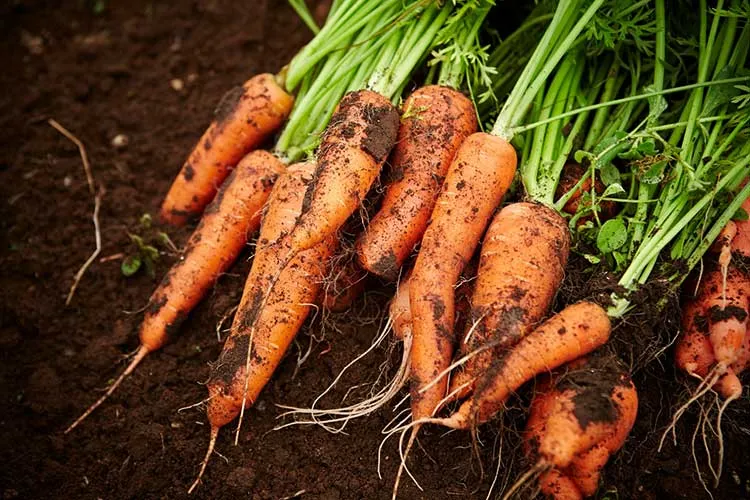
Carrots do best in cooler weather and loose, sandy soil. They’re a good choice if you want something you can plant and mostly leave alone. Just make sure the soil is deep enough for the roots to grow straight. Shorter varieties are great if you’re working with shallow containers.
Consistency is key—keep the soil evenly moist until the seedlings sprout. Use a deep planter box to give roots the room they need. Once planted, they quietly grow underground until harvest time, making them a low-stress crop for first-timers.
Spinach: Quick to grow and thrives in early spring or fall
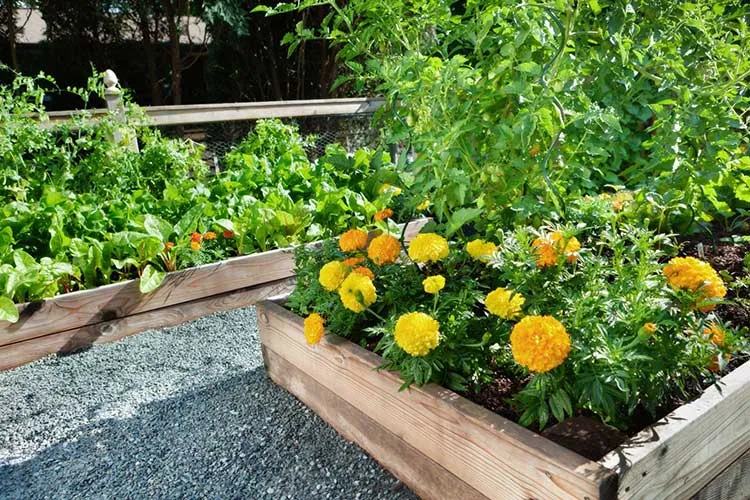
Spinach is another cool-weather favorite that matures fast, sometimes in just 30 days. You can harvest the outer leaves while the inner ones continue to grow, allowing you to enjoy multiple rounds from a single planting. It’s perfect for small spaces and raised beds.
Start with a pack of organic spinach seeds and plant in rich, well-draining soil. Spinach doesn’t tolerate heat well, so aim for planting in early spring or fall. With minimal care, it rewards you with nutrient-packed greens.
Cherry Tomatoes: Compact and flavorful with good returns
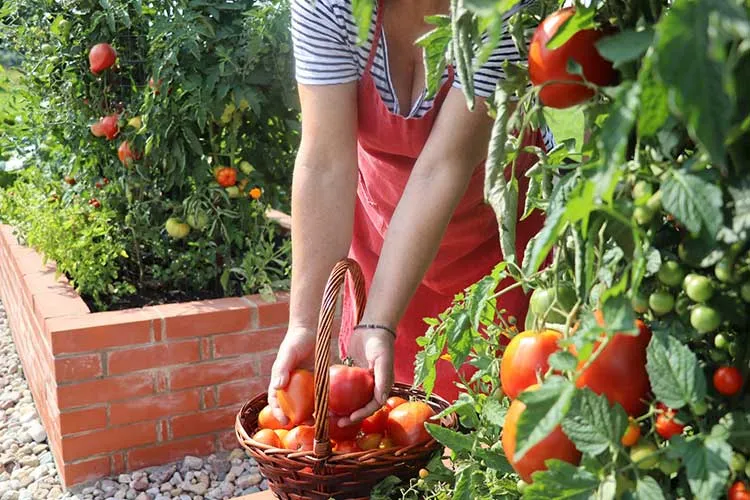
Cherry tomatoes are one of the most fun vegetables to grow in containers. They don’t take up much space but deliver handfuls of sweet fruit all season. Look for determinate or patio-friendly varieties if you’re growing in a small space.
Use a tomato grow bag with cage support to make things easy. Provide them with plenty of sunlight, regular watering, and a small amount of fertilizer every few weeks. Once they start producing, you’ll be hooked on homegrown flavor.
Herbs like Basil: Technically not a veggie, but ideal for beginners
Basil may not be a vegetable, but it’s one of the best starter plants for new gardeners. It grows fast, loves heat, and thrives in containers. Plus, it adds instant flavor to meals, which keeps you motivated to grow more.
Plant basil in a small window sill herb planter or a sunny patio pot. Pinch back the tops to keep it bushy and productive. If you’re growing tomatoes, basil is a perfect companion—both in the garden and on your plate.
How to Choose the Right First Vegetable to Grow
Start with something forgiving. Vegetables like radishes, lettuce, and green beans can tolerate beginner mistakes, such as missed watering or imperfect sunlight. They bounce back quickly and don’t require complex care routines. Picking a veggie that doesn’t demand too much attention sets you up for a smoother learning experience, especially if you’re juggling other responsibilities.
It also helps to grow something you enjoy eating. If you love cherry tomatoes or fresh basil, you’re more likely to care for them daily and stick with the process. Consider your space as well—if you only have a sunny balcony, a container-friendly plant like spinach or zucchini makes more sense than digging a backyard row of carrots. Additionally, consider your local climate and the timing of your growing season. Warm-weather crops, such as basil and tomatoes, thrive in sunny, dry areas, while greens and root vegetables do better in cooler, moist conditions.
Tools and Supplies You’ll Need
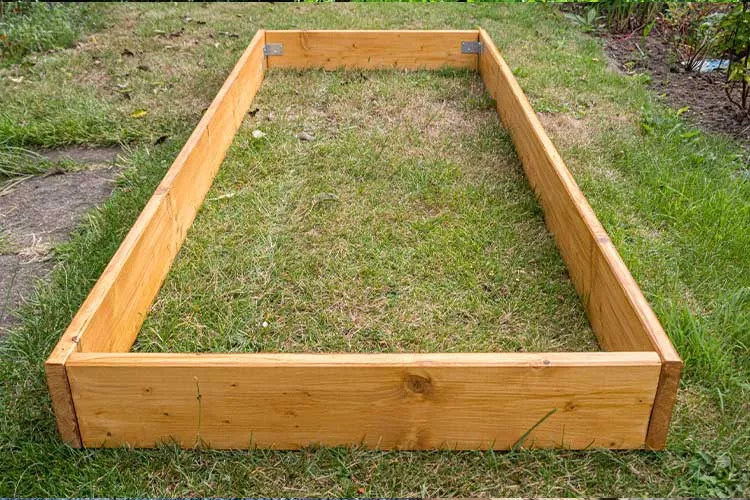
You don’t need a full shed of tools to grow one vegetable. A basic gardening tool set, including a hand trowel, gloves, and a watering can, is enough to get started. For your growing space, you’ll need either a pot, a grow bag, a raised bed, or a small area of soil—pick the option that best suits your home and gardening needs. If you’re container gardening, make sure it has drainage holes to prevent soggy roots.
Soil quality matters more than fancy gear. Use good potting mix or compost-rich soil to help your plant get off to a strong start. Look for a blend labeled “vegetable-friendly” or “organic” at your local garden center. If you’re growing from seed, grab a packet from a reliable brand or use starter plants from a local nursery. A small watering can and a bag of organic compost will go a long way without incurring much cost.
Soil and Sunlight Basics for Growing One Vegetable
Sunlight is the first thing to figure out. Most vegetables need at least 6 hours of direct sunlight per day. Watch your chosen spot throughout the day to see when and where the sun hits. If you’re growing indoors or on a shady patio, you may need to select shade-tolerant crops, such as lettuce or spinach, or consider using a grow light to supplement the natural light.
Next, focus on your soil. Rich, well-draining soil helps plants absorb nutrients and avoids root problems. If you’re planting in containers, use potting mix, not garden soil—it’s lighter and drains better. Add compost to improve moisture retention and provide nutrients to your plant over time. For in-ground beds, loosen the soil at least 8 inches deep and remove rocks. Mulch with straw or shredded leaves to help keep weeds down and the soil moist between waterings.
How to Water One Vegetable the Right Way
Watering isn’t just about frequency—it’s about depth. Aim to water deeply so roots grow down and stay strong. Shallow, daily splashes can cause roots to stay near the surface, making them more vulnerable in hot or dry spells. Stick your finger in the soil—if the top inch is dry, it’s time to water.
Container plants tend to dry out more quickly than garden beds, especially in hot weather. You may need to water daily in midsummer, while in-ground vegetables may only require watering twice a week. Early morning is the best time—it gives the plant time to absorb moisture before the sun gets hot and helps prevent mildew and fungus. Consider using a watering wand to gently water directly at the base, avoiding splashing the leaves.
Common Mistakes When Growing Just One Vegetable
One of the biggest missteps is poor placement—either planting in too much shade or overcrowding a small container. Sun-loving vegetables won’t thrive in dim corners, and packed roots compete for water and nutrients, stunting growth. Always check spacing guidelines on your seed packet or plant tag and give your veggie room to breathe.
Watering habits are another common issue. Guesswork leads to soggy or bone-dry soil, both of which stress the plant. Use a moisture meter or a finger test to check the soil’s moisture level before watering. Pests can also be a sneaky problem—if you ignore small holes or yellowing leaves, tiny bugs might be taking over. Inspect your plant regularly and catch problems early. Finally, skipping soil prep or trying to grow in plain backyard dirt without amending it can lead to poor results. A little compost and the right plant food can make all the difference.
Helpful Growing Tips & Insight
Fastest Growing Herbs for Gardeners Who Don’t Like Waiting
Is Your Plant Hungry? 7 Signs It Needs Fertilizer
Best Ways to Fertilize a Vegetable Garden Without Wasting Money
The 5 Best Self Watering Planters That Make Gardening Easy