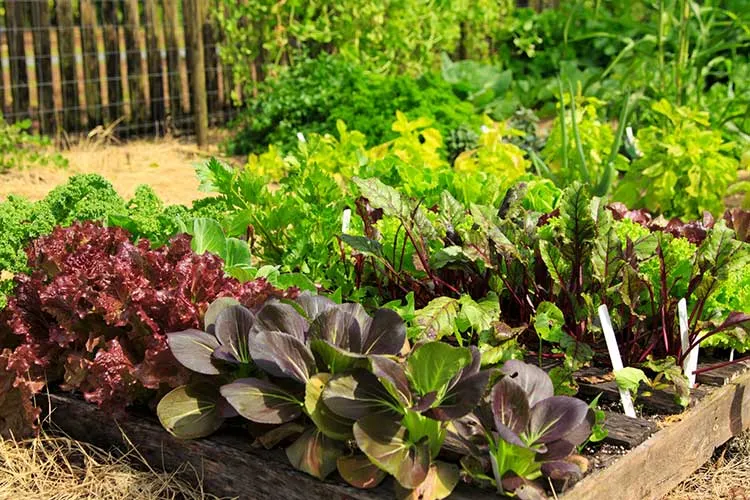
Growing Veggies to Plant in July can boost your harvest when most gardeners think it’s too late. Soil temperatures above 65°F accelerate germination by 30%, allowing seeds to sprout in 5–7 days instead of 8–10. In this window, many crops mature in 50–75 days, fitting neatly before the first frost. You’ll dodge peak spring pests like flea beetles and cutworms, cutting damage by 40%.
Succession planting now extends your harvest weeks beyond a single spring sowing. From quick-turn radishes in under 30 days to kale that sweetens after frost, this guide outlines precise timings, soil amendments, and top variety picks.
If you need a clear plan for fast-growing, heat-tolerant crops that guarantee a bountiful fall feast, you’re in the right place.
Why July Is the Secret Window for Fresh Veggies
July might feel late in the season, but it’s a golden opportunity for a second wave of fresh crops. With the soil already warm and summer daylight peaking, your veggies get a head start on growing—and many will be ready to pick before the first frost hits.
Because soil temperatures are high, seeds germinate more quickly, and young plants grow faster. This can shave several days off the usual growing time. Many popular vegetables—such as beans, radishes, and leafy greens—mature in just 60–75 days, making them ideal for planting now.
Another bonus? Fewer pests. Many of the insects that attack spring seedlings have tapered off by mid-summer. This gives your late-season crops a better chance of thriving. And if you’re already pulling out spent spring plants, you’ve got ready-to-go garden space. That’s what makes July perfect for succession planting, giving you more harvests from the same beds.
10 Foolproof Veggies to Plant in July for a Bumper Fall Harvest
Even if you’re planting late, these vegetables don’t mind. They grow quickly, thrive in warm soil, and mature just in time to avoid the fall chill. Here’s what to plant now for fresh, homegrown food well into autumn.
Green Beans
These heat-loving plants take off quickly in July. Bush varieties mature in 50–60 days, so you’ll have plenty of time before fall frost. Sow directly into warm soil, keep them watered, and you’ll see sprouts in under a week. Pick often to encourage more pods.
Radishes
Need a quick win? Radishes are your go-to. They’re ready to harvest in as little as 25 days, allowing you to plant several rounds throughout the month. Choose small, fast-growing types like ‘Cherry Belle’ or ‘French Breakfast’ and thin seedlings early for the best size and flavor.
Carrots
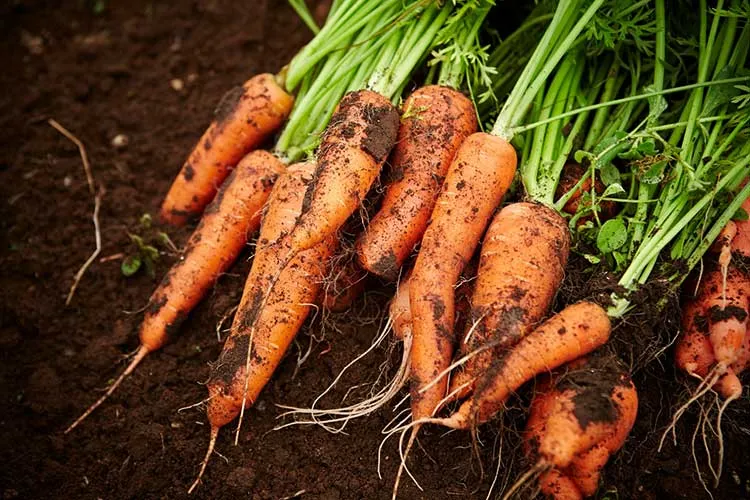
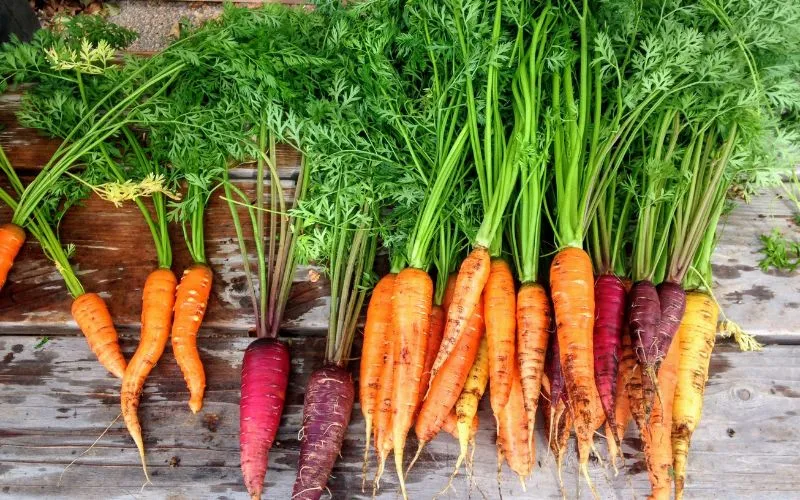
Late summer planting yields sweeter carrots, thanks to the cooler nights during the ripening process. Sow seeds about ¼ inch deep in loose soil. Keep the surface moist until the seeds sprout, then thin the seedlings to prevent crowding. Try ‘Nantes’ or ‘Danvers’ types for fall harvest.
Kale
This leafy green thrives in cooler weather and gets sweeter after a light frost. Plant now for a robust fall crop. Choose compact varieties, such as ‘Dwarf Blue Curled’ or ‘Red Russian’. Water consistently and pick the lower leaves as they grow.
Beets
Beets are a double win: harvest the roots and enjoy the greens as well. They grow well in July heat and mature in about 55–65 days. Sow seeds about an inch apart and thin them early to give roots room to grow.
Spinach
Fall spinach grows better than spring crops, especially if you pick the right variety. Look for ‘Bloomsdale’ or ‘Space,’ which handle heat better than most. Sow seeds in partial shade or use a light mulch to keep the soil cool. Harvest young leaves for the best texture.
Lettuce
Lettuce doesn’t love heat, but you can still grow it in July with a few tricks. Choose heat-tolerant types like ‘Buttercrunch’ or ‘Summer Crisp.’ Plant in shady spots or use row covers to prevent bolting. Water consistently and pick leaves young for tender salads.
Turnips
Quick to mature and cold-tolerant, turnips are perfect for mid-summer planting. Varieties like ‘Hakurei’ can be ready in just 40 days. Sow seeds ½ inch deep, and keep the soil moist and thin early. Bonus: both the roots and greens are edible.
Swiss Chard
Swiss chard keeps going when other greens fade. It’s heat-tolerant, colorful, and produces well into fall. Direct sow in full sun and keep the soil moist to avoid bitterness. Harvest the outer leaves often, and new ones will continue to emerge.
Zucchini
If you’ve got space, zucchini is a fast-growing jackpot. Summer squash like ‘Black Beauty’ or ‘Raven’ can mature in just 50 days. Plant in rich, well-draining soil, give it room to sprawl, and water at the base to minimize mildew. You’ll be picking before the season’s out.
Best Vegetable Varieties That Thrive in July’s Hottest Days
Mid-summer heat can be rough on young plants, but some vegetable varieties are bred to handle it. Choosing the right ones means fewer bolting greens, better germination, and stronger harvests—especially when the thermometer continues to climb.
When shopping for seeds, look for labels that indicate terms such as “heat-tolerant,” “slow to bolt,” or “summer-hardy.” These are your best bets for consistent growth and flavor under high temps. Even for cool-weather crops like lettuce and spinach, certain varieties can extend their season deeper into summer without becoming bitter or going to seed too soon.
Lettuce lovers should look for ‘Black Seeded Simpson,’ a crisp, leaf-type that tolerates heat well, or ‘Buttercrunch,’ which holds up longer than most bibb lettuces. These grow best with afternoon shade or light row covers. Spinach growers can try ‘Malabar’—a vining spinach alternative that thrives in hot weather—or ‘New Zealand’ spinach, which grows like a low bush and stays mild-tasting all summer.
Now, here’s the interesting part: heat-tolerant doesn’t mean no water is needed. Even the toughest plants need regular moisture to avoid stress. Water deeply and consistently, especially during dry spells. If you’re planting in containers or raised beds, they’ll dry out even faster.
And while you’re at it, improve your odds by starting seeds in the early morning or late evening when the soil is cooler. This helps prevent heat shock and gives seeds a better chance to get a good start. A little shade and smart variety choices can turn even the hottest July garden into a fall food haven.
Mid-Summer Soil Fixes That Supercharge July Planting Success
After a full spring season, your garden beds need a little recharge. July soil often lacks nutrients and moisture, which can slow the growth of new crops. But with a few quick fixes, you can turn the tired ground into a prime spot for fast-growing vegetables.
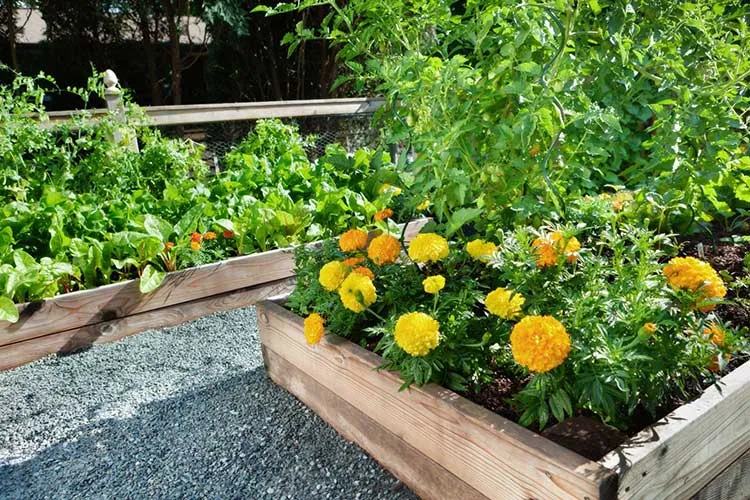
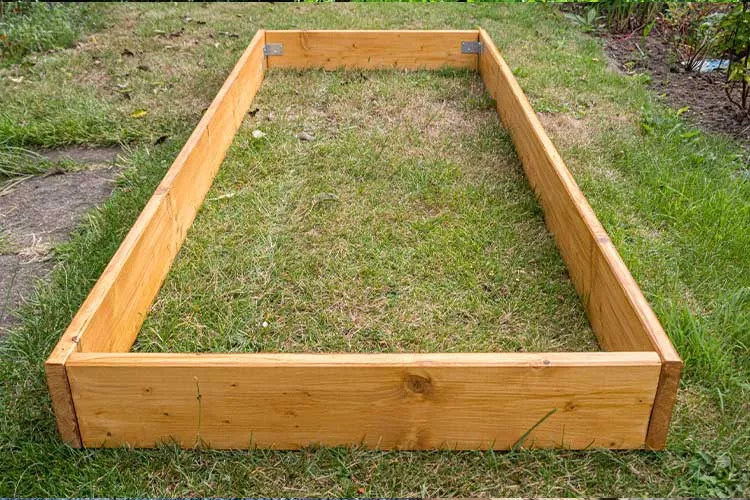
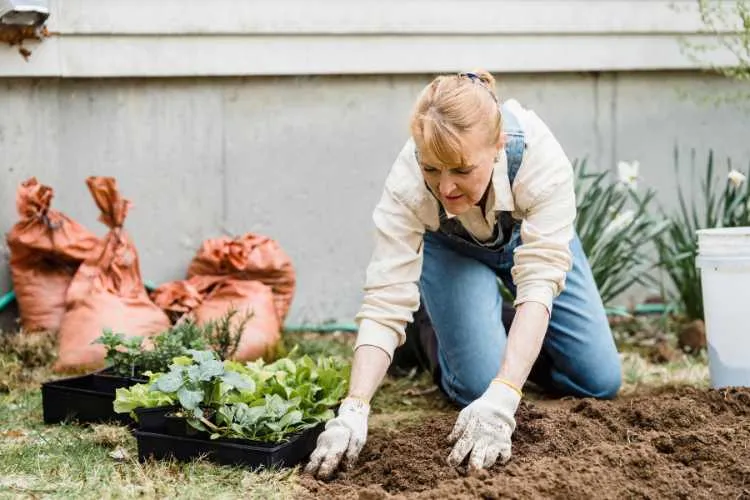
First, clear out spent crops and pull any weeds. Old roots and leftover debris can occupy space and attract pests. Once your bed is clean, loosen the soil with a garden fork or cultivator—this improves drainage and helps roots grow quickly. For raised beds, this step is even more crucial since they dry out and compact more rapidly in the heat.
Next, mix in fresh compost. A few shovels of compost per square foot can bring back organic matter and add vital nutrients. If your last crop was a heavy feeder, such as tomatoes or squash, consider adding a balanced organic fertilizer as well. Look for one with an even balance of nitrogen, phosphorus, and potassium (such as a 10-10-10 blend) to support healthy leaf growth and root development.
To retain moisture and maintain steady soil temperatures, apply mulch immediately after planting. Straw, shredded leaves, or grass clippings all work well. Mulch helps stop water from evaporating too fast and keeps weed seeds from sprouting. Keep it a few inches away from young stems to prevent them from rotting.
By refreshing the soil now, you’re setting up your late-season veggies to grow fast, resist stress, and deliver a solid harvest before fall.
July Watering Hacks That Keep Your Garden Alive
Hot days and strong sun can dry out your soil in no time. Keeping your July garden watered isn’t just about quantity—it’s about timing, depth, and method. These smart watering habits help plants grow fast without wasting water.
Water deeply, not frequently. A good soak two to three times a week encourages roots to grow down instead of staying near the surface. Shallow roots dry out fast, especially in raised beds or containers. Aim for about an inch of water per week, more if the weather is scorching.
Time matters, too. Early morning or evening watering is best—cooler air means less evaporation and fewer stress signals for your plants. Avoid watering in the middle of the day when the sun and wind steal moisture before it reaches the roots.
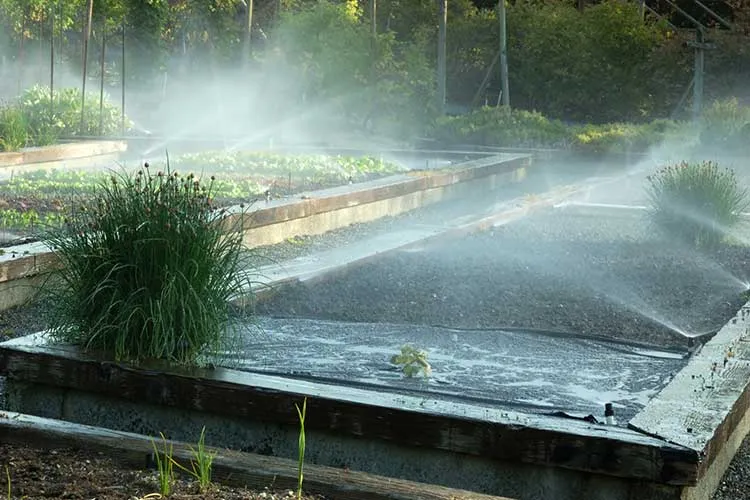
Soaker hoses and drip irrigation are ideal for use during the summer. They deliver water right to the base of each plant, where it’s needed most. This reduces waste and keeps leaves dry, which helps prevent mildew and other diseases. If you’re hand watering, take your time—let the water soak in instead of running off.
Mulch helps stretch every drop. A 2–3 inch layer prevents the surface from crusting over and retains moisture. Without mulch, the topsoil bakes and cracks, making it harder for water to reach the roots. And for new seedlings, try using a light mist setting until they’re better established.
What to Plant in Your Zone This July (So You Get a Harvest)
Not all gardens are created equal, especially in the summer months. Your USDA zone determines what you can still grow and harvest before the first frost. The good news? No matter where you live, there’s something you can plant now that will give you fresh food come fall.
Zones 3–5 (Northern U.S.)
Your growing window is tight, but you can still squeeze in quick crops. Focus on fast growers like radishes, spinach, arugula, and bush beans. Look for “early maturity” or “cold-tolerant” labels on seed packets. Start them right away, and consider row covers to speed germination and protect against early frosts.
Zones 6–7 (Mid U.S.)
You’ve got more flexibility, with around 70–90 frost-free days left. Carrots, kale, beets, and turnips all thrive with a midsummer start. Plant hardy greens like collards or chard, which handle both heat and the cooler nights to come. You can even start cabbage and broccoli from transplants for a strong fall harvest.
Zones 8–10 (Southern U.S.)
Your garden’s still in high gear. July planting can include peppers, squash, okra, and even another round of tomatoes. Stick with heat-loving varieties and use mulch to protect the soil from excessive heat. You also have a second shot at beans, cucumbers, and melons—check the “days to maturity” to avoid frost risk.
No matter your zone, check your average first frost date. Count backward from that date to ensure your crops will mature in time. If it’s close, prioritize short-season varieties or stick with leafy greens, which can handle frost and keep producing even after a chill.
The Smart Gardener’s Guide to Direct Sowing vs. Transplanting in July
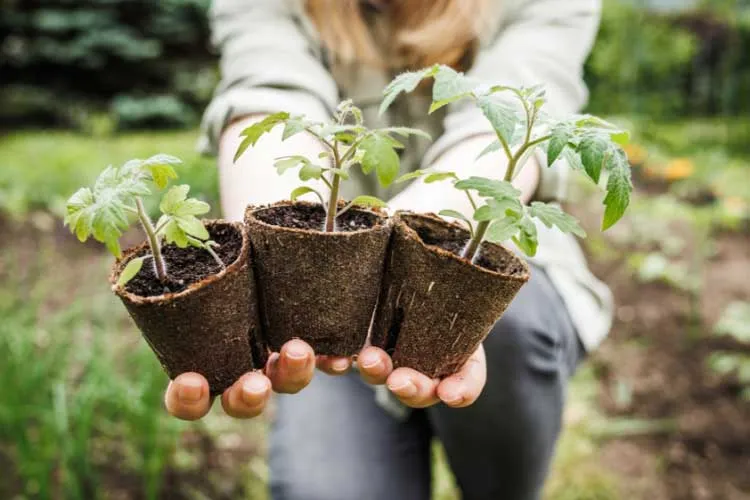
In mid-summer, choosing the right method—direct sowing or transplanting—can make the difference between a fast-growing crop and one that stalls out in the heat. Knowing which veggies to start from seed and which to transplant helps save time and boost success.
Direct sowing is best suited for vegetables that don’t like being transplanted. Beans, carrots, radishes, beets, and most leafy greens grow stronger when their roots develop in place. The warm soil speeds up germination, and you won’t risk transplant shock. Just keep the top layer moist until seeds sprout—a shallow, dry crust can stop them cold.
On the other hand, transplanting gives you a head start with crops that take longer to mature or are more delicate as seedlings—Kale, broccoli, cabbage, and cauliflower benefit from starting indoors or under shade. By the time they go into the ground, they’re already a few weeks ahead and more resilient.
Here’s the important part: Harden off your transplants. About a week before planting outside, set them out for a few hours a day, gradually increasing sun exposure. This helps prevent wilting and sunburn. Water well before and after planting to ease the shift.
When you’re planting in July, consider speed and sensitivity. Direct sow fast-maturing crops that like heat. Transplant anything that requires a longer growing season or prefers cooler conditions.
How to Master Succession Planting in July
Want more harvests without adding more garden space? Succession planting is the trick. By planting in waves instead of all at once, you can enjoy fresh vegetables week after week, especially in July, when warm soil speeds up the process.
Start by planting small batches every 1–2 weeks rather than sowing everything at once. For quick growers like lettuce, radishes, and spinach, this keeps your harvest coming steadily instead of all at once. When one-row finishes, the next one’s just getting started.
Use up space as it opens. If your peas or early lettuce are done, pull them and pop in beans, carrots, and orchard. This keeps your beds productive and reduces gaps that attract weeds. In smaller gardens, pair fast crops like radishes with slower ones like beets or kale—by the time the slow growers need room, the quick ones will be harvested.
Keep track of what you’ve planted and when. A simple notebook or calendar helps avoid overlap and missed windows. You’ll also learn what works best in your space and at your preferred timing for next season. With a little planning, your garden won’t just survive July—it’ll keep giving well into fall.
Stop Summer Pests in Their Tracks: Easy Defenses for July Gardens
July brings fast plant growth but also fast-moving pests. Aphids, cabbage worms, and flea beetles can do serious damage if left unchecked. The trick is to catch problems early and use simple defenses that don’t require harsh chemicals.
Start by inspecting your plants regularly. Inspect the undersides of leaves, where pests often hide. Aphids cluster on new growth, cabbage worms leave tiny green droppings, and flea beetles make small holes in leafy greens. Catching these signs early gives you time to act before an outbreak spreads.
Row covers are your best friend for young seedlings. The lightweight fabric lets in the sun and rain but keeps bugs out. Use hoops to support them and remove them once the plants are strong and ready for pollination. They also help with sun protection during heat waves.
Avoid overhead watering when possible. Wet leaves invite mildew and leaf spot diseases. Instead, water at the base of your plants—drip irrigation or a watering wand works great. Healthier plants naturally resist pests better, so consistent watering makes a real difference.
Lastly, rotate your crops. If you planted brassicas (such as kale or broccoli) in the same spot last year, consider moving them. Many pests and soil-borne diseases persist and return stronger if their preferred host remains present. Changing locations confuses pests and breaks their cycle.
When and How to Pick July-Planted Veggies for Peak Flavor and Storage
The right harvest timing can make or break your fall garden. July-planted veggies mature fast and often improve in flavor with cooler nights. Knowing when to pick helps you get the best taste, texture, and shelf life.
Leafy greens, such as spinach, lettuce, and kale, are best picked young and often. Harvest outer leaves early while they’re tender and sweet. Waiting too long can lead to bitterness or a sudden departure. Use scissors or pinch the plant with your fingers, leaving the center intact so it continues to grow.
Root crops, such as carrots, beets, and turnips, actually become sweeter after a light frost. That drop in temperature converts starches into sugars. Gently loosen the soil around them before pulling to avoid breakage. For optimal storage, twist off the greens and gently brush off any dirt—don’t wash until ready to use.
Keep harvesting to encourage new growth. Zucchini and beans will continue to produce as long as you pick them regularly. Don’t let fruit get oversized—it reduces quality and tells the plant to slow down. For long-term storage crops like onions and garlic, cure them in a dry, shady place for a few weeks before storing.
Pay attention to color, size, and texture—not just the calendar. A well-timed harvest means better flavor and a longer shelf life, making all your mid-summer work pay off.
Helpful Microgreens Facts & Insight
8 Beginner Vegetables to Grow First That are Easy and Reliable
Why Growing Just One Vegetable Is Perfect for New Gardeners
Is Your Plant Hungry? 7 Signs It Needs Fertilizer
Fastest Growing Herbs for Gardeners Who Don’t Like Waiting