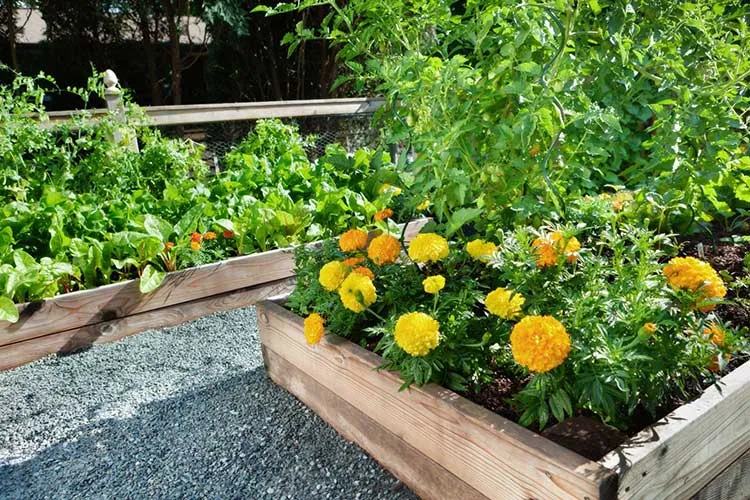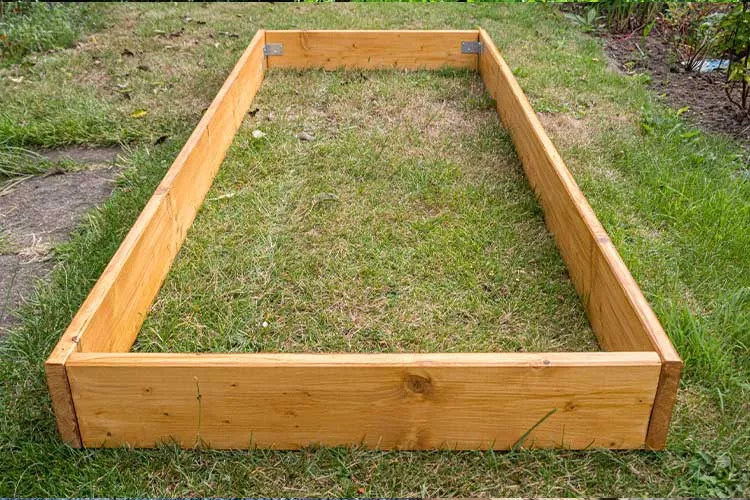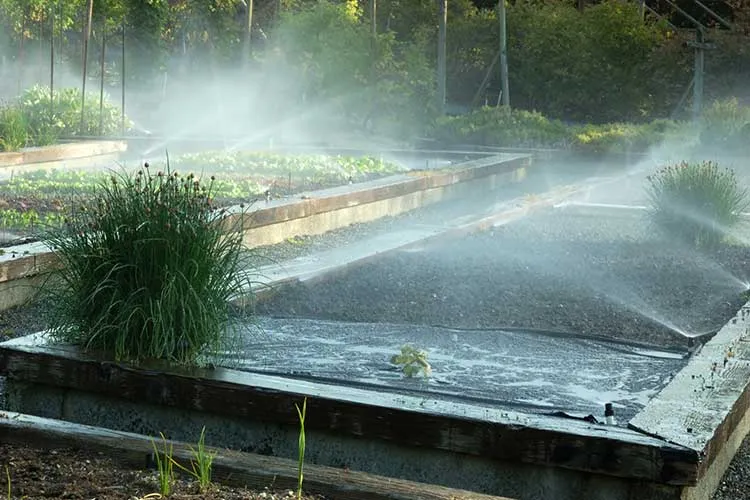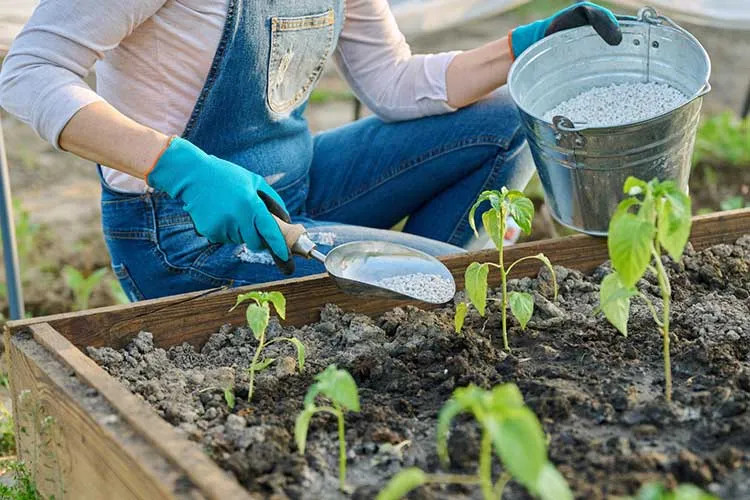
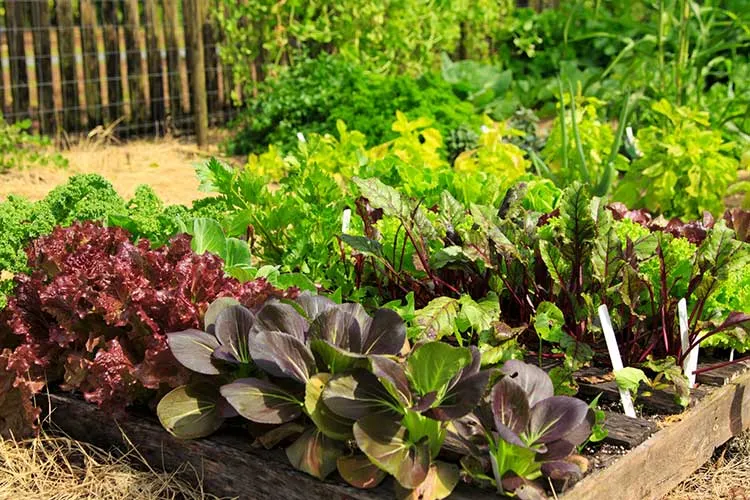
Raised beds offer gardeners a flexible and efficient way to cultivate a variety of crops. They improve soil conditions by allowing you to control soil quality, enhance drainage, and boost soil warmth, all of which contribute to a healthier, more productive garden. From sun-loving vegetables to cool-season greens, raised beds are ideal for growing a diverse selection of vegetables, fruits, and herbs.
So, what are the best plants to grow in raised beds? In considering plants well-suited for raised beds, vegetables such as tomatoes, lettuce, peppers, and carrots thrive due to improved soil drainage and warmth. Herbs like basil, rosemary, and parsley also flourish. Additionally, strawberries and bush beans perform exceptionally in these conditions.
In this article, we’ll highlight some of the best plants to grow in raised beds to ensure a bountiful harvest.
Warm-Weather Vegetables
1. Tomatoes
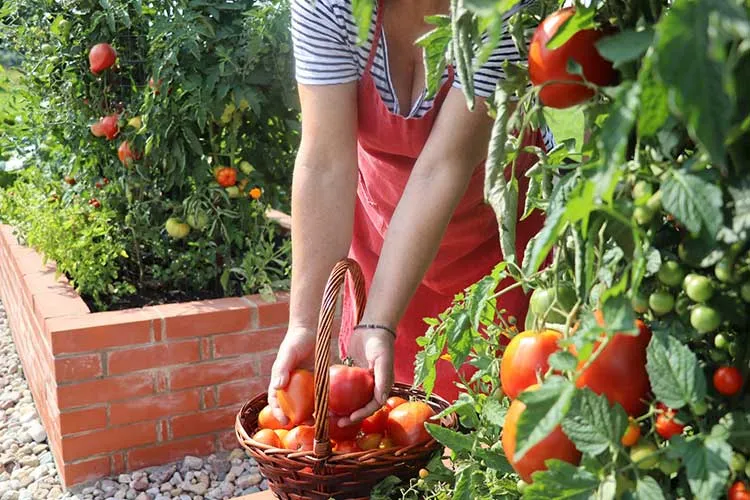
Tomatoes are a favorite crop for many gardeners, and raised beds offer the perfect conditions for growing them. These plants love well-drained, nutrient-rich soil that stays warm, which is exactly what raised beds provide. The improved drainage prevents waterlogging, which can lead to root diseases, while the soil in raised beds warms up faster in the spring, giving your tomatoes a head start.
Tips for Growing Tomatoes in Raised Beds:
- Choose a rich, organic compost mix and add aged manure to boost nutrients.
- Space your plants to ensure good air circulation, which helps prevent blight and fungal issues.
- Use stakes or cages to support the plants as they grow, keeping fruit off the soil.
2. Peppers
Peppers thrive in warm soil and sunny conditions, making raised beds a great environment for them. The elevated beds provide excellent air circulation, which reduces the chances of disease. This crop is known to benefit from companion planting, so consider growing herbs like basil or flowers like marigolds nearby to deter pests.
Tips for Growing Peppers in Raised Beds:
- Plant in full sun with well-drained soil.
- Water consistently but avoid overwatering to prevent root rot.
- Pair with companion plants like onions or basil to boost growth.
3. Zucchini
Zucchini can take up a lot of space, but raised beds allow for deep, nutrient-rich soil that promotes healthy growth. The height of raised beds makes it easier to train vines and manage the plant’s spread, leading to better air circulation and fewer diseases.
Tips for Growing Zucchini in Raised Beds:
- Plant seeds or seedlings at least two feet apart to allow room for growth.
- Mulch around the base to retain moisture and keep the soil warm.
- Watch for powdery mildew and avoid overcrowding plants.
4. Cucumbers
Cucumbers are another excellent warm-weather crop that thrives in raised beds. They prefer loose soil that drains well, and raised beds offer just that. To save space, consider trellising your cucumbers—this keeps the vines off the soil and reduces the risk of disease.
Tips for Growing Cucumbers in Raised Beds:
- Use a trellis to encourage vertical growth and improve yield.
- Keep the soil moist, but not waterlogged, for the best fruit quality.
- Choose soil rich in organic matter and add compost regularly to maintain fertility.
Cool-Season and Leafy Greens
5. Lettuce
Lettuce is a quick-growing crop that does exceptionally well in raised beds. The warm soil and quick drainage help lettuce thrive, making it possible to harvest fresh greens just a few weeks after planting. Raised beds also make it easy to cover plants with fabric to extend the growing season.
Tips for Growing Lettuce in Raised Beds:
- Plant in partial shade to prevent bolting in warmer weather.
- Use successive planting every two weeks to keep a continuous harvest.
- Grow alongside radishes and carrots to maximize bed space.
6. Spinach
Spinach prefers cooler temperatures and benefits from the well-drained soil of a raised bed. Plant early in the spring for the best results, and use successive sowing to extend the harvest season well into summer.
Tips for Growing Spinach in Raised Beds:
- Plant seeds directly in early spring, as soon as the soil is workable.
- Thin seedlings to provide room for mature leaves to spread.
- Harvest outer leaves first, allowing the inner leaves to continue growing.
7. Basil
Basil loves the warmth of raised beds, and the increased air circulation helps to keep common diseases like downy mildew at bay. It’s also a fantastic companion plant, particularly when paired with tomatoes, as it can help repel pests and enhance flavor.
Tips for Growing Basil in Raised Beds:
- Plant in full sun, ideally next to tomatoes or peppers for mutual benefits.
- Pinch back the top leaves regularly to encourage bushier growth.
- Harvest frequently to promote continuous production.
Root Vegetables
8. Carrots
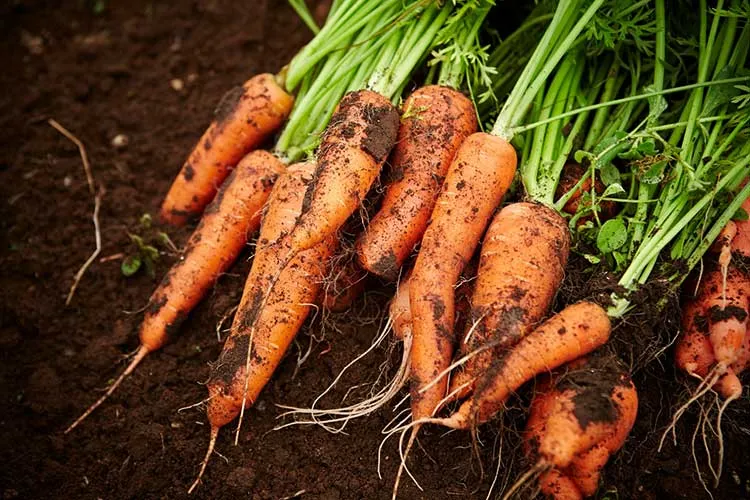
Raised beds are perfect for growing carrots, as they provide the loose soil necessary for straight, healthy root development. Well-prepared, rock-free soil ensures your carrots grow deep and evenly.
Tips for Growing Carrots in Raised Beds:
- Use a light, sandy soil mixture to make it easy for roots to expand.
- Keep the soil evenly moist to prevent splitting.
- Pair with chives or onions to deter pests.
9. Radishes
Radishes are one of the quickest crops to grow, making them perfect plants for raised bed where you can easily control the soil quality. Raised beds encourage rapid drainage, which is ideal for radishes, helping to prevent rot.
Tips for Growing Radishes in Raised Beds:
- Sow seeds every couple of weeks to maintain a continuous harvest.
- Thin seedlings early to allow room for growth.
- Harvest promptly to avoid a woody texture.
10. Beets
Beets are a great plants for raised bed since they need deep, loose soil for root expansion. This environment allows them to grow evenly, resulting in round, tender roots with vibrant color.
Tips for Growing Beets in Raised Beds:
- Choose varieties like ‘Detroit Dark Red’ or ‘Golden’ for consistent results.
- Maintain consistent watering to prevent tough, woody roots.
- Mulch to conserve moisture and keep roots cool in warmer weather.
Fruiting Plants
11. Strawberries
Strawberries love the well-drained conditions of raised beds, which reduce the risk of soil-borne diseases. By choosing the right variety, you can enjoy a sweet and plentiful strawberry harvest.
Tips for Growing Strawberries in Raised Beds:
- Mulch with straw to retain moisture and suppress weeds.
- Plant everbearing varieties for multiple harvests throughout the season.
- Ensure consistent watering, especially during fruiting.
12. Beans
Beans flourish in raised beds, thanks to the warm, well-drained soil. You can choose between bush beans, which are compact, and pole beans, which can be trellised for vertical growth.
Tips for Growing Beans in Raised Beds:
- Use a trellis for pole beans to maximize space.
- Keep an eye out for pests like aphids and manage them with neem oil if needed.
- Harvest regularly to encourage more bean production.
Conclusion
Raised beds provide a fantastic foundation for a productive and healthy garden. By choosing the right crops, from warm-weather vegetables to cool-season greens and root vegetables, you can maximize your space and improve your harvest. Raised beds not only enhance plant health but also simplify garden maintenance, making it easier to enjoy a successful growing season. Start or expand your raised bed garden with these recommended plants, and look forward to a productive and enjoyable gardening experience!