Waiting months for herbs to mature can kill your gardening momentum, especially if you’re just getting started or have limited space. The truth is that many common herbs can take 90 days or more to reach full size, and some require even longer periods. But here’s the good news: not all herbs are slowpokes. Some of the fastest growing herbs go from seed to snip in under 30 days.
That means you can enjoy fresh flavor sooner and keep your garden feeling productive. This guide eliminates the guesswork and provides you with proven fast-growers, along with tips to get them sprouting, thriving, and ready to harvest as quickly as possible. If you want herbs that grow fast and don’t stall out, this is the guide you’ve been looking for.
What Makes an Herb “Fast Growing”
If you’re the kind of gardener who wants fresh results fast, some herbs fit the bill better than others. A “fast-growing” herb usually goes from seed to harvest in 30 to 60 days. Some, like basil or cilantro, can even be snipped in under a month with the right conditions. Warm soil, plenty of light, and regular watering make all the difference. Indoors, a sunny window or grow light accelerates the process.
Outdoors, choosing the right season is just as important. Fast-growing herbs are perfect for beginners because they’re low-risk and reward you quickly. They’re also ideal for small-space gardeners who want to harvest often without waiting months. The quicker the turnaround, the sooner you get to enjoy your homegrown flavor.
Basil – The Speedy Superstar of Summer
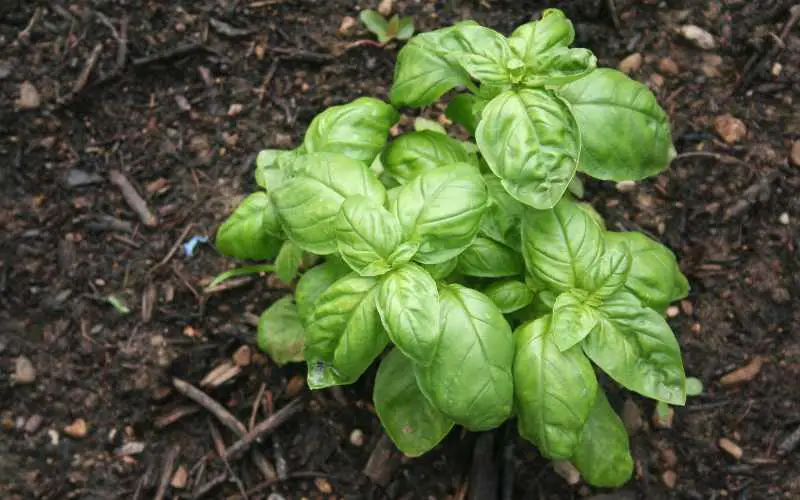
Basil is a go-to herb if you want something that grows fast and smells amazing while doing it. From seed, you can start snipping baby leaves in as little as three weeks. In warm weather, it practically explodes with growth. To speed up sprouting, start seeds indoors in moist, warm soil and keep the light strong—think a sunny windowsill or a grow light on for 14 hours a day.
Keep the soil damp but not soaked. Once it gets going, pinch the tips regularly to encourage bushier growth and delay flowering. Want the fastest growth? Try varieties like ‘Genovese’ or ‘Italian Large Leaf’—both produce big, tender leaves quickly. For smaller spaces, go with ‘Spicy Globe’ or ‘Greek Dwarf’, which thrive in pots. Whether you’re making pesto or simply tossing a few leaves into a salad, basil provides quick wins all summer long.
Cilantro – Quick to Bolt, Quick to Grow
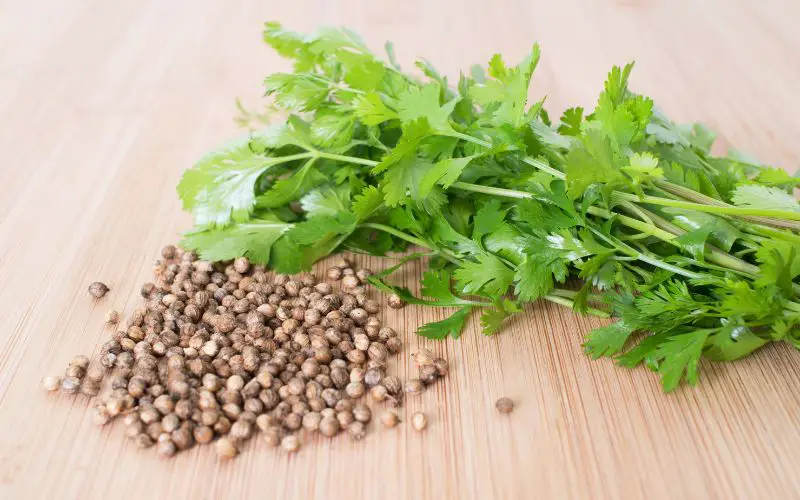
Cilantro is a racehorse of an herb—fast to sprout, fast to grow, and fast to bolt. You can usually harvest young leaves just 3 weeks after planting. Start with well-drained soil and cooler temps—spring and fall are ideal. Cilantro doesn’t like heat, and once temperatures rise, it bolts quickly, sending up flowers and turning bitter.
The trick? Plant small batches every 2-3 weeks to maintain a steady supply, a method known as succession sowing. Snip leaves early and often to delay flowering, but don’t stress if it bolts—those flowers turn into coriander seeds. Leaf lovers should stick to slow-bolt varieties like ‘Santo’ or ‘Calypso’. If you’re after both leaf and seed, let a few plants go to seed while keeping others trimmed low. With just a bit of timing and care, you can enjoy fresh cilantro for tacos, curries, and salsas without waiting long.
Chives – Hardy and Fast with a Mild Kick
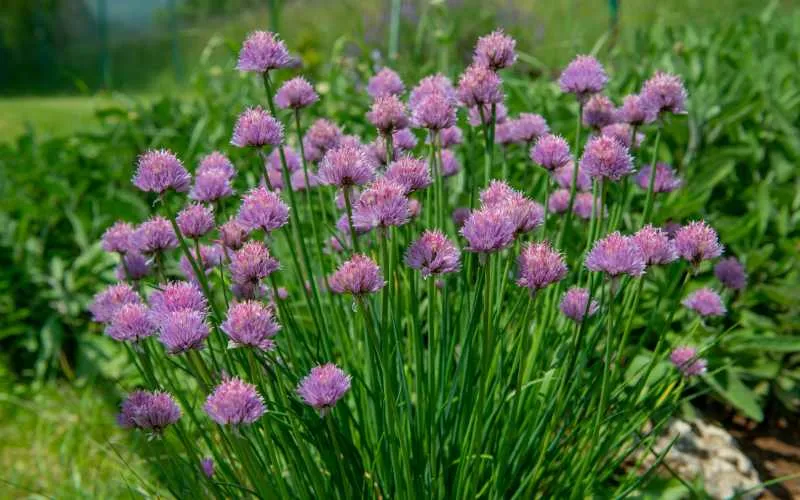
Chives are one of the easiest and quickest herbs to grow, whether from seed or division. If you start with divisions (small clumps from another plant), you’ll see new shoots popping up in just days. Even from seed, they sprout in about 7-14 days and are ready for snipping within a month. Chives thrive in containers or garden beds and do well in full sun or partial shade.
Snip the leaves an inch above the soil, and they’ll keep coming back stronger—trim often to promote new, tender growth. The flavor is mild and oniony, perfect for garnishing eggs, potatoes, and dips. For faster and fuller growth, plant in rich, well-draining soil and water consistently. They also double as a pollinator magnet when they flower, but if speed is your goal, cut flowers early to keep the energy focused on leaf production.
Dill – Rapid Growth for Fresh Pickles and Salads
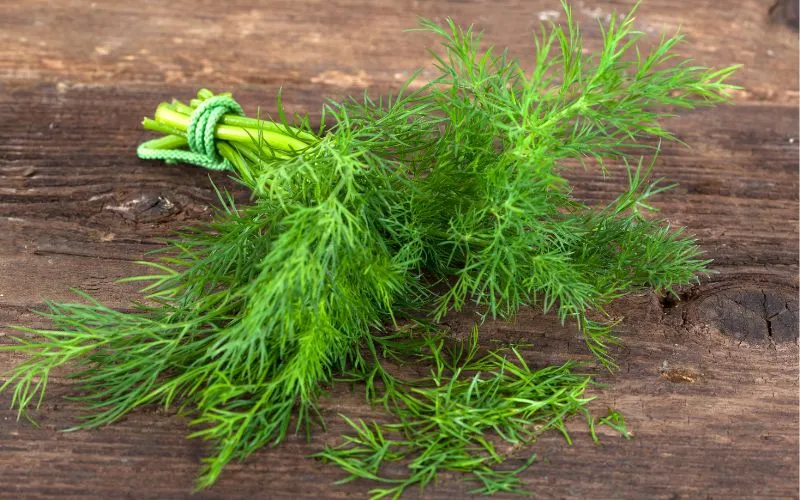
Dill grows quickly and brings a feathery burst of green to your garden. Sow seeds directly in the ground or a deep pot after the last frost, and you’ll see sprouts in about 10 days. You can begin harvesting soft leaves in 3-4 weeks. Dill prefers full sun and well-drained soil, and it grows fastest when not disturbed—avoid transplanting.
It’s a great match for cucumbers, tomatoes, and onions, both in the garden and in the kitchen. For speed, don’t let it flower too early—snip the leaves often to delay bolting. However, if you want seeds for pickling or to replant, let a few plants go to seed. Dill grows tall quickly, so it may require support if the wind is a problem. The best part? You can enjoy both leaves and seeds, depending on when and how you harvest.
Mint – A Spreading Herb That Doesn’t Waste Time
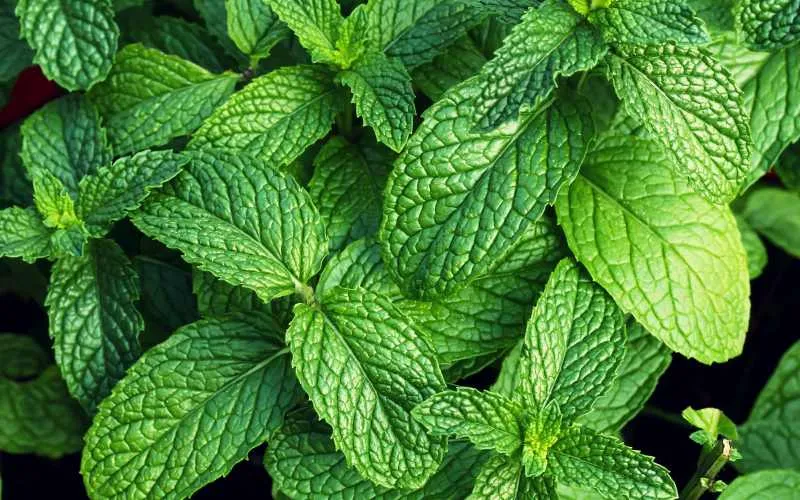
Mint is a powerhouse herb that grows rapidly and spreads even more quickly. You’ll often see new leaves just a week or two after planting a starter or root cutting. Mint prefers part sun and moist, rich soil. For controlled growth, grow it in a container; otherwise, it can quickly take over your garden bed. Once established, mint bounces back fast after every harvest. Just cut stems above a leaf node, and it’ll regrow in no time.
Water regularly, but avoid overwatering to prevent soggy soil. To achieve the quickest harvests, opt for varieties like spearmint or peppermint, which tend to grow vigorously and adapt well to container gardening. Snip regularly to encourage bushier growth and prevent flowering, which can reduce leaf flavor. With just a little space and attention, you’ll have a steady supply of mint for tea, mojitos, salads, and sauces without much waiting around.
Parsley – Flat or Curly, It Grows Quicker Than You Think
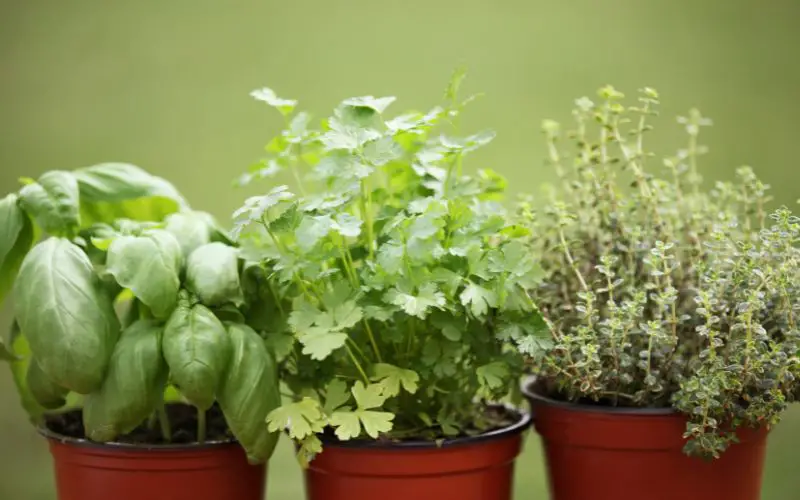
Parsley may have a reputation for being slow, but with the right tricks, it grows surprisingly fast. The secret is soaking the seeds overnight before planting—this softens the tough shell and speeds up germination. With warmth and moisture, seeds sprout in 10–14 days, and you can start harvesting young leaves in about 5–6 weeks. For faster results indoors, keep the pot in a bright spot or use a grow light.
Flat-leaf parsley (Italian) tends to grow quicker and has a stronger flavor, while curly types take a bit longer but look great as a garnish. Keep plants trimmed to encourage new leaves and delay bolting. If growing outdoors, plant in spring or fall to avoid the heat that can trigger flowering. Parsley also makes a great companion plant, attracting beneficial insects while giving you regular harvests for soups, sauces, and salads.
Fast Indoor Herb Garden Setup Tips
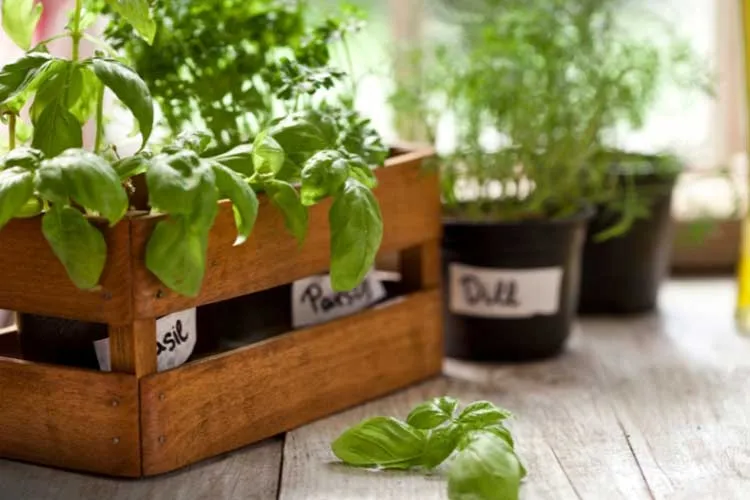
If you want fresh herbs without stepping outside, setting up a fast-growing indoor herb garden is easier than you think. Choose compact herbs known for quick results—basil, chives, mint, and parsley are all solid options. Use lightweight, well-draining potting mix and containers with good drainage holes. Place your herbs where they’ll get at least 6 hours of sunlight daily, or supplement with a grow light if needed.
Keep the soil evenly moist but not soggy—overwatering is a common slowdown indoors. Group similar herbs together based on their light and water needs. Avoid cold, drafty windows in winter, and rotate your pots weekly for even growth. Don’t crowd the containers—herbs need air circulation to stay healthy and sprout fast. With the right setup, you’ll be trimming fresh herbs in just a few weeks.
How to Harvest Herbs Without Slowing Growth
To keep your herbs growing quickly, how you harvest matters just as much as how you plant them. The best method? Use clean, sharp scissors or pruning shears to snip just above a leaf node or branching point. This encourages the plant to send out new shoots, making it bushier and more productive. Avoid yanking or tearing, which damages stems and slows regrowth. Start harvesting once the plant has enough foliage—usually when it’s at least 6 inches tall.
Never take more than one-third of the plant at a time, especially in the early stages. Frequent, light harvesting keeps herbs like basil, mint, and parsley growing vigorously. For chives and similar herbs, cutting down to about an inch above the soil encourages fast, even regrowth. Timing also helps—morning is best when leaves are fresh and full of oils. With a steady trimming routine, your herbs will continue to produce throughout the entire season.
Smart Growing Tips & Insight
Best Ways to Fertilize a Vegetable Garden Without Wasting Money
8 Garden Raised Beds That Are Best for Tomatoes
Easy to Grow Plants to Keep Pests Away From Your Garden
How to Clean Pruning Shears After Use to Prevent Plant Diseases