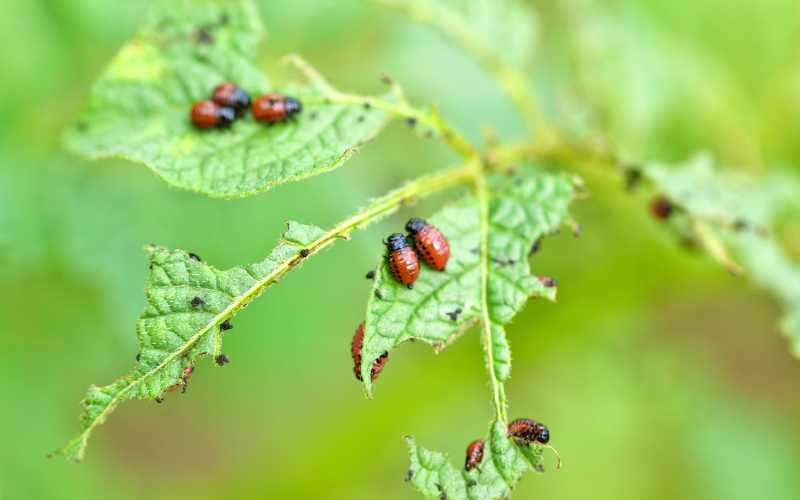
Tired of bugs wrecking your garden before harvest time? You’re not alone. Each year, pests destroy nearly 20% of global crop yields, and for backyard gardeners, the damage feels personal. The good news? You don’t need chemicals to fight back. Choosing the right plants to keep pests away can help reduce infestations and naturally protect your harvest.
This guide shows you up to 15 easy-to-grow options that work—whether you’re planting in raised beds, containers, or a city lot. From marigolds to mint, these plants use strong scents, trap crops, and natural oils to confuse or repel insects. If you want fewer holes in your leaves and more on your plate, you’re in the right place. Let’s put your garden to work for itself.
Best Plants That Naturally Repel Garden Pests
Marigold
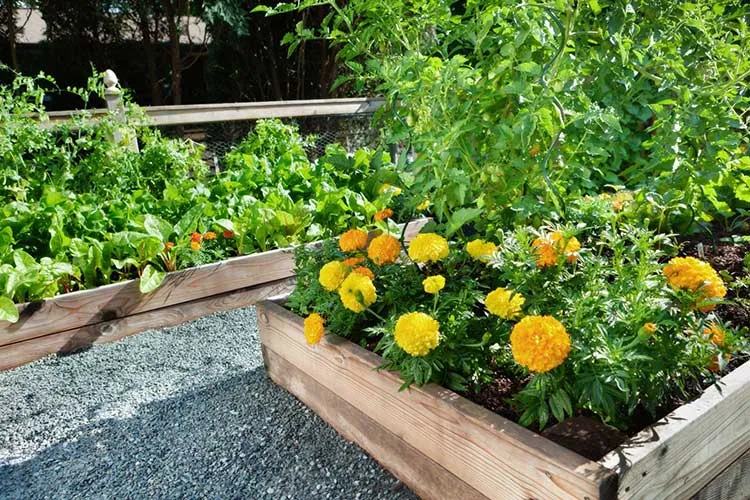
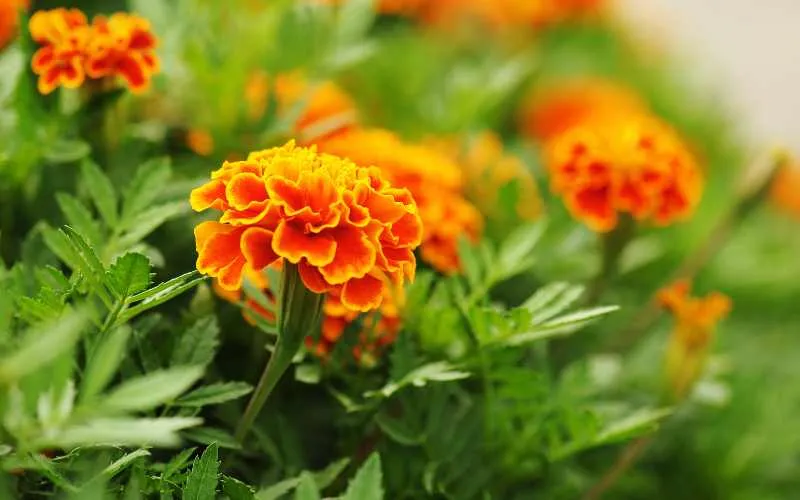
Some plants act like natural bug spray—no bottles required. Marigolds, with their bold orange and yellow blooms, release a scent that drives away nematodes and aphids. Basil gives off a sweet, peppery aroma that mosquitoes, whiteflies, and thrips can’t stand. These scents confuse pests, making it harder for them to sniff out their favorite snacks.
Rosemary and mint also pull double duty: their powerful oils make your garden smell amazing while sending soft-bodied bugs packing. You can plant these herbs along garden borders or near problem spots to naturally reduce insect traffic. The best part? You’ll get flavor for your kitchen along with free pest control.
Interplant near crops like tomatoes and cabbage.
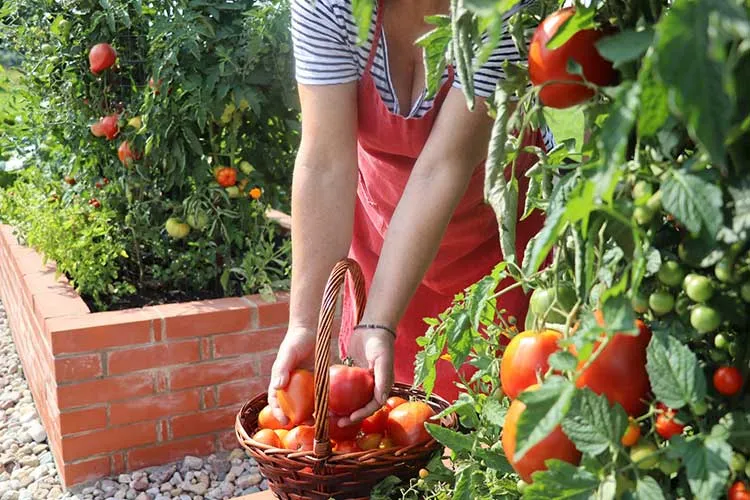
Now here’s the interesting part—where you plant your pest-repellers matters just as much as what you plant. Basil thrives next to tomatoes, and not just because it tastes good in sauce. It helps keep tomato hornworms away. Garlic planted around brassicas, such as cabbage or kale, works like a protective ring against cabbage moths.
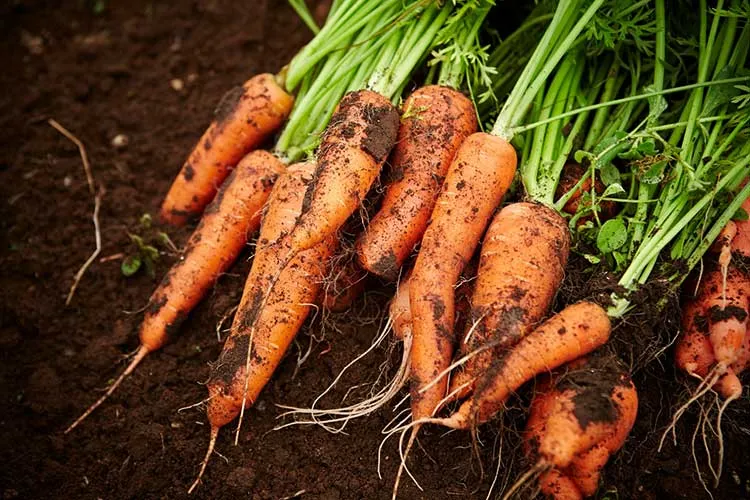
Chives tucked near carrots can help mask their scent from carrot flies. Instead of lining up your garden like a grocery store, mix in these defenders where bugs tend to strike. When pest-repelling plants are interwoven with your edibles, they confuse pests and break up the scent trails bugs follow.
Some Act as Trap Plants
While some plants repel pests, others serve as decoys to deter them. Nasturtiums are a favorite hiding spot for aphids and flea beetles. Instead of chewing through your peppers or squash, pests settle on these sacrificial blooms. Calendula is another useful bait—soft-bodied bugs find it irresistible.
Once they’re concentrated on a trap plant, you can hose them off or clip the flowers entirely. This strategy gives your main crops breathing room to grow without heavy insect pressure. Place these “bug magnets” near high-value plants or garden edges to keep the bad guys at bay.
Which Plants Keep Mosquitoes Away?
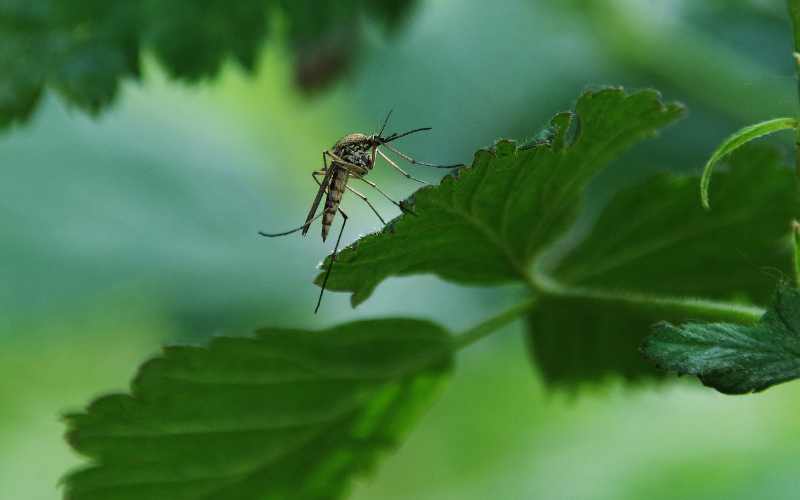
You don’t need sprays to keep mosquitoes out of your yard—some plants do the work for you. Lemongrass, the source of citronella oil, produces a citrusy aroma that bugs can’t stand. Lavender smells pleasant to us, but drives mosquitoes away thanks to its natural linalool and camphor oils.
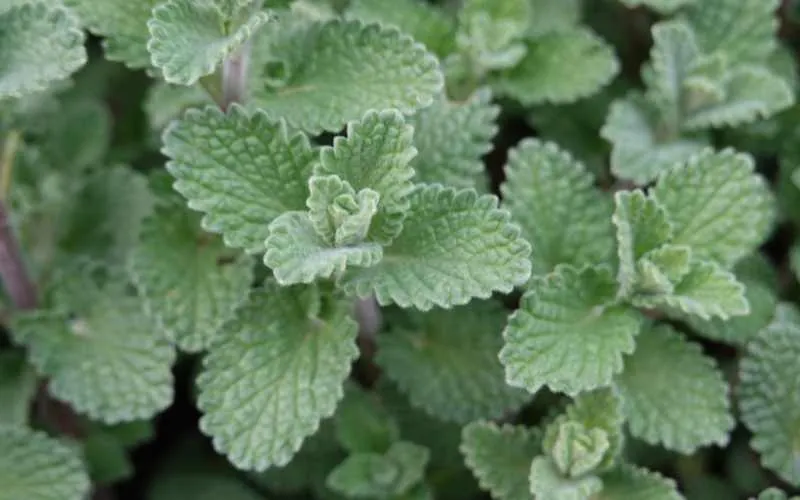
Catnip works even harder—it contains nepetalactone, a compound that’s been shown to be more effective than DEET in some tests. These plants are great choices around outdoor sitting areas, where their scents can help keep summer evenings mosquito-free. Bonus: they’re also attractive and low-maintenance.
Crushing Leaves Boosts Their Effect
Here’s a helpful tip: just planting mosquito-repelling herbs isn’t always enough. Many need a little bruising to shine. When you brush against catnip, rosemary, or mint, their leaves release stronger oils.
That’s why they’re perfect for garden edges, patio borders, or walkways—anywhere your feet or hands might brush against them. Even a light touch can help boost their effectiveness. If you’re sitting outside, try crushing a few leaves in your hand and rubbing them on your skin for an added layer of natural protection.
Grow them Near Patios and Walkways
Containers make it easy to move these plants where you need them most—got a favorite reading chair in the yard? Line it with potted lavender. Hosting a barbecue? Group pots of lemongrass, mint, and basil around the table.
These plants aren’t just for flowerbeds—anywhere you spend time outdoors is a good place for them. They also thrive on decks, porches, and balconies. Keep them watered, give them full sun, and they’ll reward you by scenting the air and discouraging unwelcome biting guests.
Use Companion Planting to Keep Pests Away
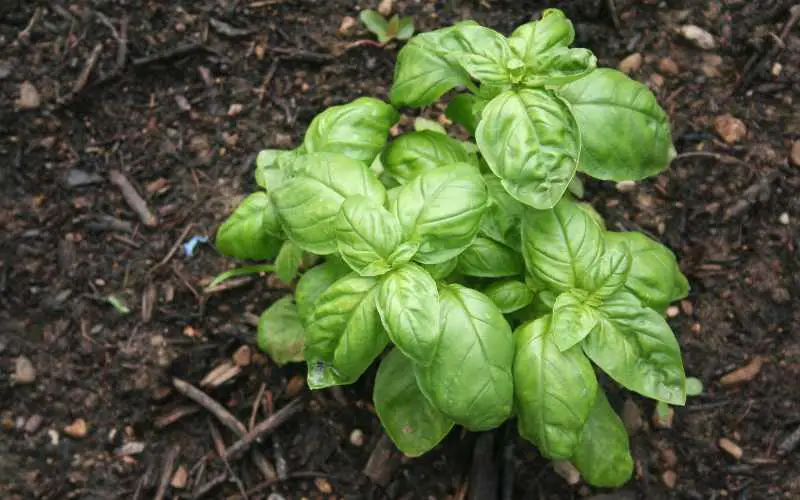
Basil
Some plant pairings make sense. Basil and tomatoes are a classic combo—not only in the kitchen but in the garden too. Basil helps deter tomato hornworms and can even boost tomato growth. Chives near carrots confuse carrot root flies, while dill can protect cabbage family crops by attracting beneficial predatory wasps.
Companion planting works because certain herbs and flowers act like bodyguards for your vegetables. Tuck pest-repellers next to crops that usually get chewed up. It’s an easy, low-cost way to protect your garden without reaching for the spray bottle.
Mixed Planting Confuses Pest Insects
Monoculture gardens—where rows of the same crop stretch across the yard—are like open invitations for bugs. But when you mix things up, you throw pests off their game. Interplanting herbs, flowers, and veggies creates visual and scent confusion.
For example, a row of beans bordered by marigolds and mint is more difficult for beetles and aphids to identify. The more scents, shapes, and colors in your garden, the less likely pests are to zero in on their favorite meal. It’s like turning your vegetable patch into a bug-level obstacle course.
Some Combos Improve Plant Health Too
Here’s the fun part: some companion plants don’t just protect—they also improve how your crops grow. Basil planted near tomatoes may enhance their flavor and encourage better fruiting. Borage is a bee magnet that helps pollinate nearby squash or cucumbers.
Nasturtiums not only trap pests but also attract beneficial insects that keep your garden balanced. The goal isn’t just defense—it’s to create healthy partnerships that boost harvests and flavor. When your garden layout does double-duty, you get more out of the same space.
Edible Plants That Keep Insects Away
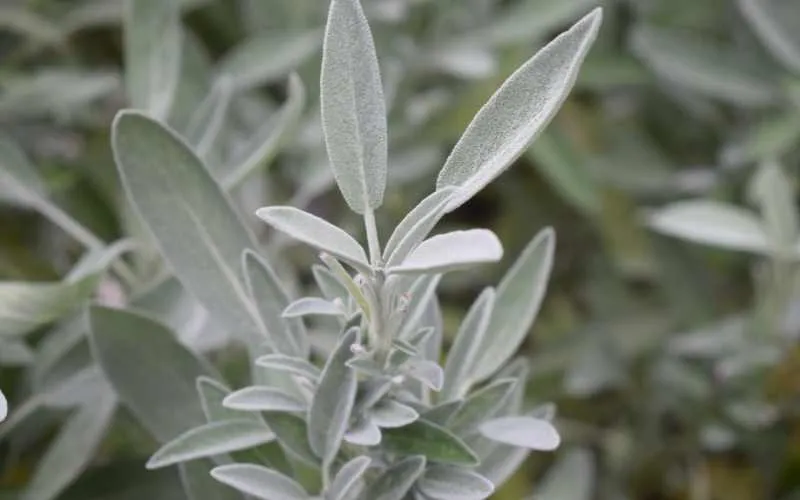
Sage plant
Your herb garden is doing more than seasoning your meals—it’s also defending your veggies. Rosemary and thyme are two powerhouse herbs that pests can’t stand. Their strong, woodsy scents drive off cabbage moths, carrot flies, and even some beetles.
Sage and oregano bring a similar punch, adding layers of flavor to your dishes while repelling bugs. These herbs are compact, easy to grow, and fit nicely in raised beds or tucked between other plants. If you’re looking to get more from every square foot, start with herbs that do double duty.
Regular Harvesting Doesn’t Reduce Their Effect
Here’s some good news: snipping a few sprigs of basil or thyme won’t reduce their pest control power. Trimming helps keep these herbs bushy and fragrant. The more you harvest, the more oils they release—and that’s what bugs hate.
You don’t need to wait for flowers or seed heads. Just keep the leaves healthy, and your herbs will continue to thrive throughout the entire season. So go ahead, pinch off some parsley or chives for dinner, it’s a win-win for your plate and your plants.
Their Scent Blocks Insect Signals
Insects rely on smell to find their favorite plants. When your garden is filled with bold, herby aromas, pests lose their sense of direction. Basil, mint, and dill confuse soft-bodied bugs like aphids and spider mites, making them less likely to settle in.
Even just brushing against these herbs sends waves of scent into the air. This natural confusion tactic is especially helpful if you’re dealing with clusters of bugs on young plants. Surround those vulnerable spots with herbs, and you’ll turn a pest magnet into a fortress of fragrance.
Flowers That Keep Common Pests Out of Your Garden
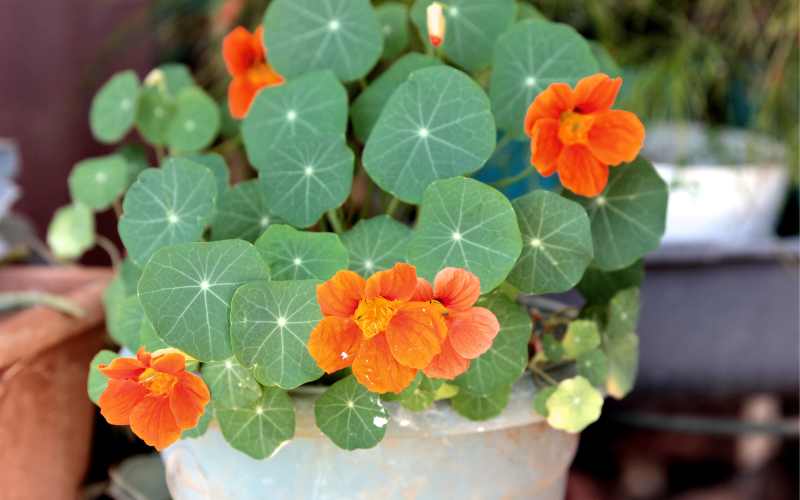
Nasturtiums
Some flowers do more than brighten your garden; they protect it. Marigolds are garden MVPs thanks to their scent, which deters nematodes and aphids. They also discourage whiteflies and beetles from settling nearby.
Petunias, with their trumpet-shaped blooms, attract and trap aphids and squash bugs. These flowers don’t just sit pretty—they act like natural bug zappers, drawing in pests so your vegetables can grow in peace. Just tuck a few into garden corners or between rows to start seeing the benefits.
Use as Trap Crops or Border Plants to Keep Pests Away
Here’s a trick gardeners love: use flowers as bait. Nasturtiums, for example, are magnets for aphids and flea beetles. Instead of attacking your beans or kale, bugs head straight for the blooms. You can even sacrifice a few nasturtium plants to keep pests off your main crops.
Calendula also plays decoy, luring pests away from lettuces and brassicas. By setting up these trap crops around the edges of your garden, you give pests a place to go, just not where it counts.
Many also Attract Pollinators
While they’re warding off harmful bugs, many of these flowers also pull in the good ones. Bees, hoverflies, and butterflies love marigolds, zinnias, and cosmos. These helpful visitors boost pollination, which means better yields from your fruiting crops like tomatoes, cucumbers, and peppers.
Plus, some predatory insects, like ladybugs and lacewings, are drawn to the nectar and will stick around to feed on aphids and mites. So you’re not just keeping pests out—you’re building a garden that takes care of itself.
How Scented Plants Confuse and Repel Pests
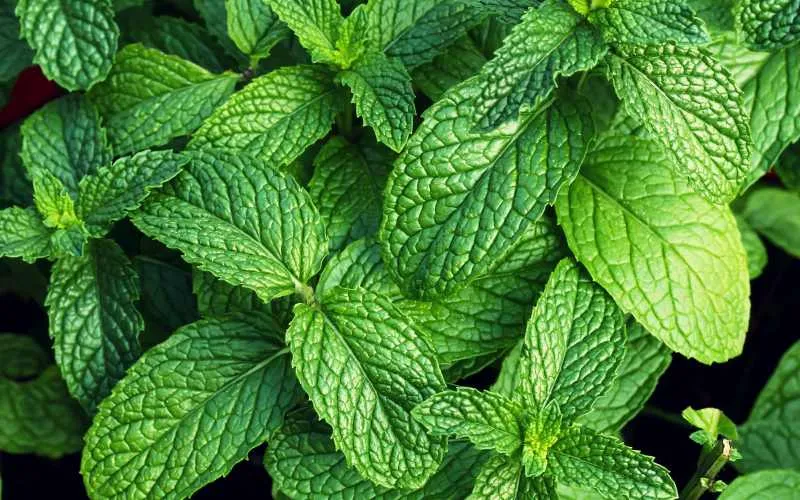
Mint
Bugs don’t see your garden the way you do—they sniff it out. Many common pests use scent trails to locate tender greens, juicy fruits, or leafy crops. That’s where strong-smelling plants like mint, basil, and lavender come in. Their intense aromas overwhelm and confuse pests’ sense of smell, making it hard for them to find your vegetables. Instead of a clear path to dinner, insects run into a wall of scent. This confusion alone can keep many of them from settling in.
Oils in Herbs and Flowers Overwhelm Them
The same oils that make these plants fragrant also serve as a deterrent against pests. Mint produces menthol, which repels ants, aphids, and cabbage loopers. Garlic contains sulfur compounds that drive off a wide range of bugs, including root maggots and beetles.
Lavender’s camphor scent is especially strong in hot weather, just when mosquitoes are most active. These natural oils linger in the air and on plant surfaces, acting like invisible barriers. And because they’re naturally occurring, they don’t harm the soil or your harvest.
Plant Around Beds to Create Scent Barriers
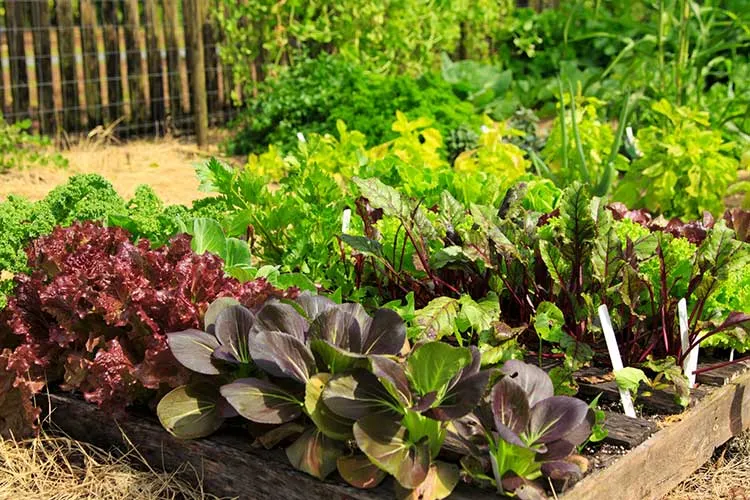
Think of your garden like a little fortress. When you mix strong-scented herbs and flowers into rows of vegetables, you’re creating scent walls that bugs hesitate to cross. Mint and garlic near lettuces, basil around peppers, and rosemary lining the edge of a squash patch can all make a big difference. These barriers help protect vulnerable crops without the need for chemical sprays. You can even rotate or replant as needed, depending on which pests show up during the season.
Pest-Repelling Plants for Raised Beds and Containers
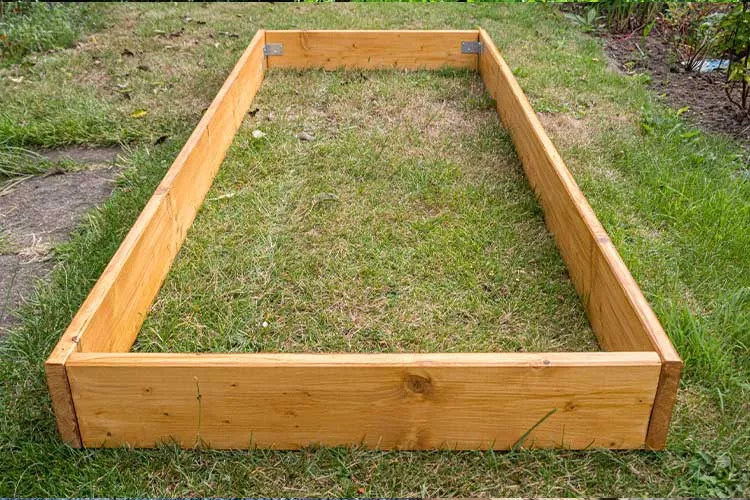
Even if you’re short on space, you can still pack in pest control. Herbs like thyme, basil, and chives are ideal for raised beds and containers—they don’t sprawl, and their scents pack a punch. Thyme wards off cabbage worms and whiteflies, while chives protect against aphids and carrot flies. Basil stays tidy and fits easily into the corners of raised beds, especially near tomatoes. These herbs don’t just fit—they thrive in tight spots, offering strong scent protection exactly where your veggies need it.
Move Containers Where Protection is Needed
Here’s where containers shine—you can move them—got aphids clustering near your kale? Just shift a pot of mint or dill to the danger zone. Need to protect your patio seating from mosquitoes? Set out a few pots of lavender or citronella. Portable pots give you flexibility that in-ground beds can’t match. You can even cluster several repellent plants together for a mobile scent shield that follows the bugs and chases them away.
Layer Scents for Stronger Results
If you’re gardening in raised beds, take advantage of the compact layout by layering your pest-fighting plants. Tuck marigolds between rows of lettuce. Add a border of chives or oregano. Let dill rise at the back to lure in beneficial bugs.
When you combine flowers, herbs, and vegetables in one space, you multiply their protective effect. This “stacking” approach not only saves room, it also helps disrupt pests at every level—from ground crawlers to flying feeders.
Do Pest-Repelling Plants Actually Work?
Catnip
Not all pest-repelling plants perform the same, and results can vary from yard to yard. Marigolds may repel nematodes in one bed but have little effect on controlling them in another with poor airflow. Mint may deter aphids when planted thick, but a single sprig won’t cut it. Your garden’s layout, climate, and the type of pests you’re dealing with all play a part. These plants aren’t miracle fixes, but when used correctly, they can help reduce pest problems.
Some have Proven Benefits
Some repellent claims are more than garden folklore. Research shows that marigolds can reduce nematode populations in soil, especially when used in crop rotation. Catnip has been found to repel aphids and even cockroaches, thanks to its nepetalactone compound. Garlic sprays derived from crushed cloves are proven to deter a wide range of soft-bodied bugs. While not every plant has a study to support its use, several have demonstrated clear, measurable benefits in university trials and field applications.
Best used with Other Pest Controls
Here’s the bottom line: pest-repelling plants are most effective when used as part of a larger plan. Think of them as the first line of defense, not the only one. Utilize effective crop rotation, remove plant debris, and regularly inspect for pests.
Companion planting, hand-picking pests, and maintaining healthy soil all support the work these plants do. Together, they create a natural, balanced approach that keeps pests away, allowing your garden to thrive without the need for weekly chemical sprays.
Helpful Growing Tips & Insight
How to Clean Pruning Shears After Use to Prevent Plant Diseases
Pruning Shears for Beginners: A Home Gardener’s Guide