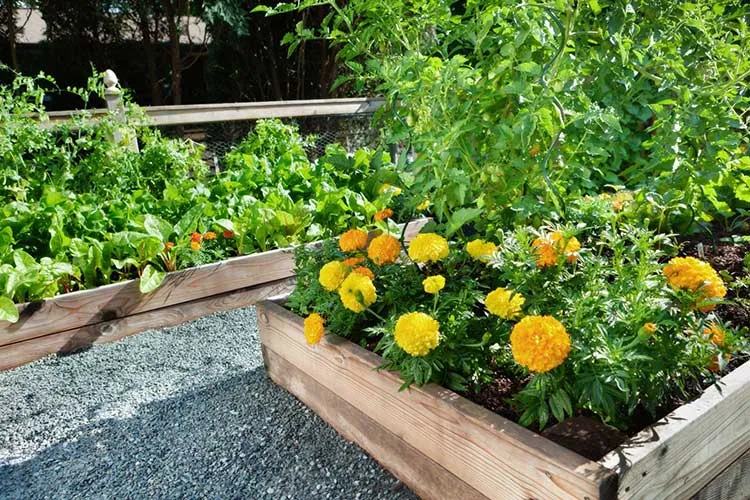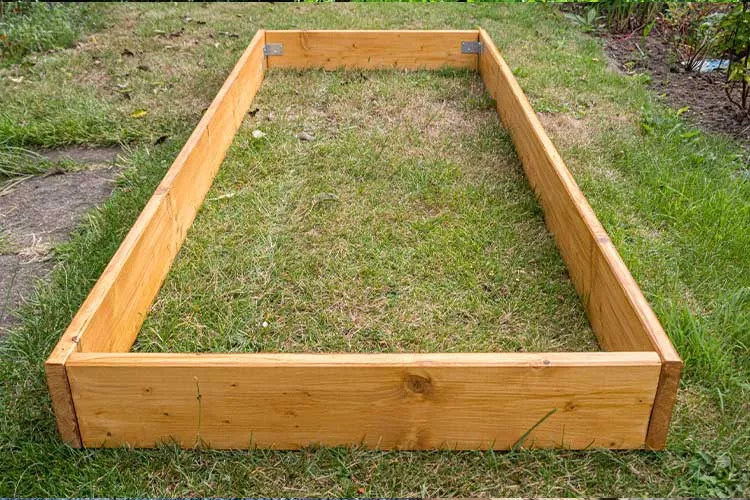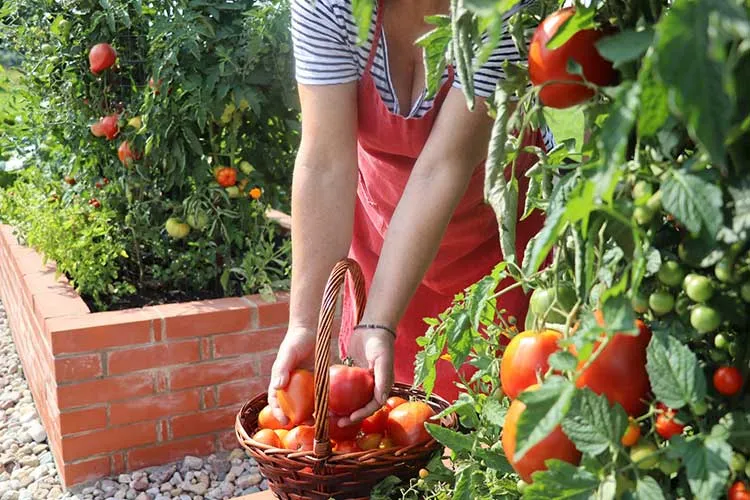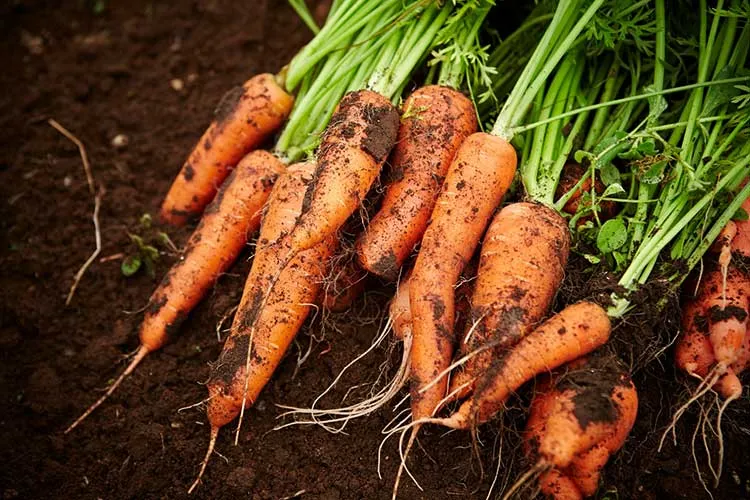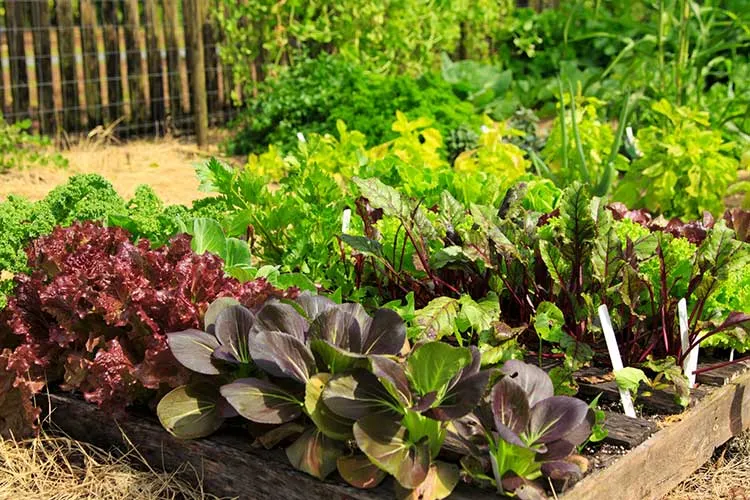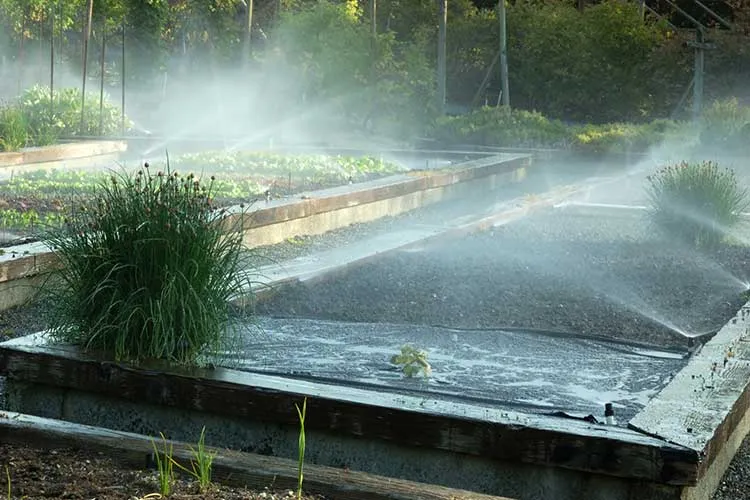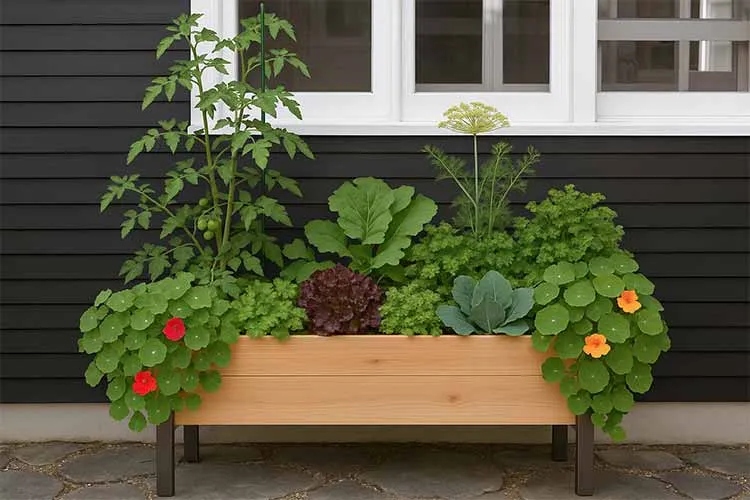
If you’ve ever looked at your yard and thought, “I want to grow something—but where do I even start?”, ready made raised garden beds are your easiest solution: no saws, no screws, and no digging into stubborn clay soil. Most prefab beds snap together or use corner brackets, so you can get growing within an hour.
For beginners, raised beds instantly solve a bunch of common problems. Struggling with rocky or poor soil? A raised bed lets you fill it with the exact mix your plants need. Dealing with puddles or bad drainage? Raised beds lift your soil above soggy ground. Short on space? These beds work just as well on patios or rooftops as they do in the yard.
In this guide, you’ll learn why prefab raised beds are such a smart pick, how to choose the right one, and which options are worth buying. We’ll also walk through simple growing tips, watering tricks, and a few ways to keep your new garden bed producing all season long.
7 Best Ready Made Raised Garden Beds
Best Choice Products Raised Garden Bed

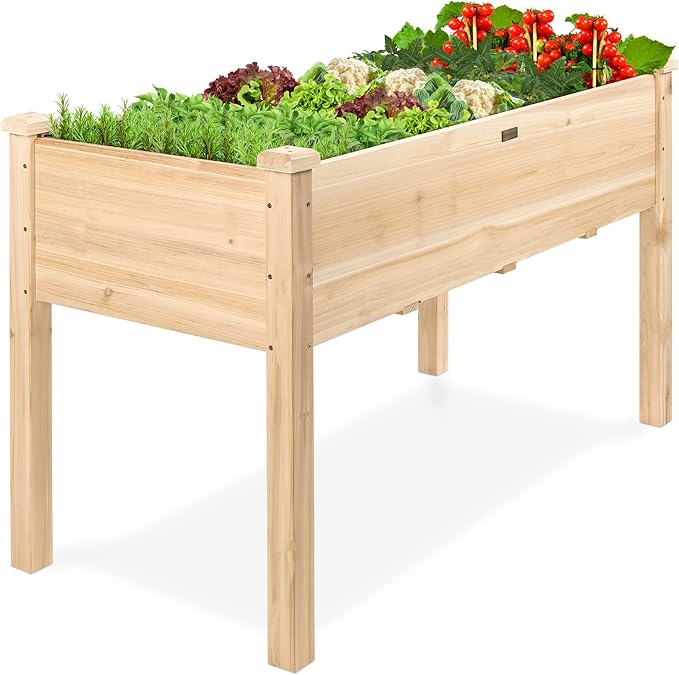
If you’re just getting started with raised bed gardening and want something sturdy, stylish, and simple to set up, this planter from Best Choice Products hits the mark. With its elevated design, you won’t have to bend or kneel—perfect for gardeners who want a more comfortable way to grow vegetables, herbs, or flowers right on the patio or balcony.
This ready made raised garden bed is crafted from fir wood and stands 30 inches tall, making it ideal for spaces with poor soil or limited ground access. The pre-drilled holes and clear instructions make assembly easy, even if you’re not especially handy. It also features a lower shelf to store tools or a watering can, which is surprisingly helpful when you’re multitasking in the garden. While it’s not sealed, many users find it lasts well with a coat of non-toxic wood oil.
Product Details:
- Material: Fir wood
- Color Options: Natural finish (stain or seal as desired)
- Capacity: ~5 cubic feet of soil
- Dimensions: 48″L x 24″W x 30″H
- Compatibility: Best for patios, balconies, and smaller outdoor spaces
- Recommended Use: Vegetables, herbs, flowers; great for beginners and seniors
Keter Splendor Raised Garden Bed
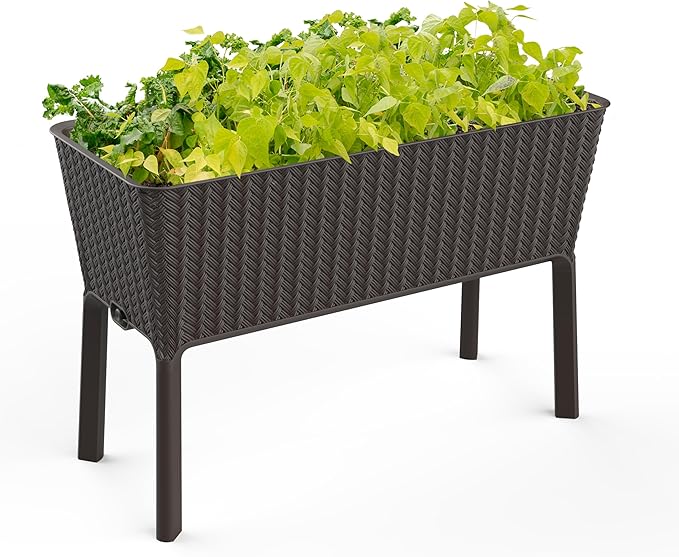
If you’re short on time but want a sleek, functional bed that holds a generous amount of soil, the Keter Splendor is a smart pick. It offers a no-tool setup with a modern, rattan-like design that fits right in on patios, decks, or balconies. The real standout here is the large 31.7-gallon capacity—perfect if you’re looking to grow lettuce, kale, or even tomatoes in a compact space.
Made from weather-resistant resin, this bed won’t rot, rust, or peel, even in harsh conditions. It features a built-in drainage system and water reservoir, which helps prevent overwatering while keeping the roots healthy and thriving. Setup takes under 10 minutes, and the lightweight design allows for easy movement if needed.
Product Details:
- Material: Polypropylene resin (weather-resistant)
- Color Options: Graphite
- Capacity: 31.7 gallons
- Dimensions: 32.3″L x 14.7″W x 30.7″H
- Compatibility: Ideal for patios, balconies, decks
- Recommended Use: Vegetables, herbs, salad greens; great for beginners and apartment dwellers
Best Choice Products Raised Garden Bed with Shelf

Looking for an elevated bed with a little extra storage underneath? This model from Best Choice Products offers a bonus shelf while remaining easy to assemble and beginner-friendly. It’s nearly identical to the first model but has a slightly sleeker frame and more stability thanks to crossbars under the soil bed.
Built from natural fir wood, it arrives untreated, allowing you to finish it to suit your style or seal it for longer life. The depth is just right for greens, root vegetables, and compact herbs. The open shelf below makes it convenient to stash garden gloves, hand tools, or a few extra pots within arm’s reach.
Product Details:
- Material: Fir wood
- Color Options: Natural wood
- Dimensions: 72″L x 36″W x 12″H
- Compatibility: Great for patios, decks, and backyards
- Recommended Use: Greens, herbs, radishes, compact veggies; ideal for casual home gardeners
Elevated Wood Planter Box Stand for Backyard
If you love the flexibility of moving your garden around with the sun, or want to tidy up your patio, this rolling raised bed from Best Choice Products is worth a look. Designed with lockable wheels and sturdy handles, it’s a mobile solution for gardeners who want convenience without sacrificing growing space.
The planter box is 8.5 inches deep—enough for shallow-rooted vegetables and herbs. Underneath, a mesh-lined storage shelf offers quick access to tools or watering cans. While it’s made of fir wood like others in the lineup, the addition of wheels makes it particularly useful for renters or those with ever-changing outdoor layouts.
Product Details:
- Material: Fir wood with metal hardware
- Color Options: Natural
- Capacity: Holds up to 2 bags of potting soil
- Dimensions: 48″L x 24″W x 30″H
- Compatibility: Patios, decks, balconies; easy to relocate
- Recommended Use: Ideal for small veggies, herbs, flowers; great for renters and mobile gardeners
Keter Maple Raised Garden Bed

Sleek, compact, and built to last, the Keter Maple raised bed is a great pick for urban gardeners who want something durable and attractive. The wood-look resin finish blends in nicely with outdoor furniture but requires zero maintenance—no staining or sealing needed.
Assembly takes just minutes, and the built-in water reservoir system helps maintain consistent moisture. The tapered legs elevate the bed to waist height, which makes gardening easier on your back and knees. While it’s not massive in size, it’s perfect for salad greens, herbs, or a kitchen garden setup just outside your door.
Product Details:
- Material: UV-protected resin with a wood-look finish
- Color Options: Maple
- Dimensions: 32.3″L x 14.7″W x 30.7″H
- Compatibility: Excellent for balconies, patios, or tight spaces
- Recommended Use: Lettuce, arugula, herbs, compact flowers; low-maintenance gardeners and small spaces
Yaheetech Elevated Wooden Raised Garden Bed

If you’re after a budget-friendly raised bed that still offers solid performance and decent space, Yaheetech’s elevated planter is a solid choice. It’s made from natural fir and features an 8.5-inch deep bed—enough room for shallow-rooted plants like lettuce, radishes, spinach, or herbs.
Assembly is simple, even for first-timers, and the wood slats are designed for good drainage. While the wood is untreated (you’ll want to seal it for longevity), the construction is surprisingly sturdy for the price point. Its compact size makes it a great fit for balconies, porches, or side yards.
Product Details:
- Material: Fir wood
- Color Options: Natural unfinished wood
- Capacity: ~3.5 cubic feet of soil
- Dimensions: 36″L x 24″W x 30″H
- Compatibility: Best for small outdoor spaces or patios
- Recommended Use: Herbs, greens, small vegetables; great for beginners and budget-conscious gardeners
Utopia Home Raised Garden Bed

If you want a raised bed with a clean, modern look and absolutely no maintenance, Utopia Home’s plastic planter delivers. This one isn’t elevated—it’s a ground-level bed that snaps together easily with no tools, making it especially appealing if you’re planting directly on concrete, gravel, or a dry patch of lawn.
Made from recycled plastic, it’s lightweight yet durable and won’t crack or fade with sun exposure. It doesn’t offer the depth for large root crops, but it’s just right for growing greens, herbs, or strawberries. If you’re after a fast, affordable setup with zero fuss, this one’s hard to beat.
Product Details:
- Material: Recycled plastic
- Color Options: Dark brown
- Capacity: ~3.2 cubic feet of soil
- Dimensions: 47″L x 24″W x 10″H
- Compatibility: Ground-level setups on patios, balconies, or lawns
- Recommended Use: Leafy greens, strawberries, shallow-rooted herbs; best for renters and fast-start gardens
What Is the Best Option for a Raised Garden Bed?
You’ve got two main choices: build one from scratch or buy one that’s already made. While building can feel satisfying, it usually takes a weekend, tools you might not have, and multiple trips to the hardware store. And that’s before you even plant anything.
Now compare that to a ready-made kit. These come pre-sized, often with hardware included, and require minimal effort to set up. You pick your spot, slot the pieces together, and start filling it with soil—no measuring, sawing, or second-guessing.
For many beginners, time and confidence are the biggest hurdles. Ready made raised garden beds give you a clean, defined space to work with—no guesswork. They also help your plants thrive with better drainage and fewer weeds. Many models use long-lasting materials like galvanized metal or rot-resistant cedar, so you won’t need to rebuild next year.
If your weekends are already packed or you want to focus on growing instead of building, prefab is the clear winner. You’ll skip the stress and still get all the benefits of raised bed gardening.
Ready Made Bed Buying Guide: Choose the Right One for Your Space and Style
Start by thinking about what kind of space you’re working with. If you’ve got a big backyard, you can go with larger models—think 4×8 feet or more. But if you’re in an apartment or have a small patio, look for compact options like 2×2 feet or narrow beds that fit along walls or railings. Stackable or tiered beds can also help you grow more in less space.
Material
Material makes a big difference in both look and long-term use. Cedar is a classic choice—it smells great, looks natural, and resists rot for years without chemicals. However, it can be pricier. Metal beds, especially ones made of galvanized steel, offer a sleek, modern look and are super durable. They won’t warp or crack over time, though they can get hot in full sun. Recycled plastic is lightweight, affordable, and won’t splinter or rot. Some plastic options even mimic the look of wood, but with lower maintenance requirements.
Assembling
Assembly is where ready made beds shine. Many use tool-free systems with snap-together panels or corner brackets. Others need just a screwdriver and a few minutes. If you’re not into DIY, stick with brands that promise fast, no-fuss setups. Some even include a liner to keep soil in and weeds out.
Durability
Durability depends on your climate and the level of wear you expect. Cedar can last 5–10 years untreated and even longer with sealant. Metal beds often last over a decade and resist pests and weather. Recycled plastic handles wet and dry conditions without cracking. Just check the reviews to ensure the bed holds up under real use, especially in areas with heavy rainfall or intense sunlight.
Choosing the right raised bed involves balancing size, style, budget, and the level of hands-on involvement you prefer. Once you’ve got that sorted, the fun part begins: planting.
Reasons to Start Raised Bed Gardening
Gardening isn’t just about vegetables—it’s one of the simplest ways to feel better, move more, and eat fresh. And with a raised bed, getting started is easier, cleaner, and more comfortable.
Mobility
Raised beds help you skip the aches and pains of bending over too far. The higher setup makes them ideal for older adults, folks with limited mobility, or anyone who wants a more comfortable way to dig in. You can even set them on stands to bring the soil up to waist height.
Mental Clarity
Mentally, few things beat the calm you get from tending a small patch of green. Whether you’re pulling weeds or watching tomatoes ripen, that slow, hands-on time outdoors is proven to reduce stress and boost mood. It’s a screen-free reset that fits right in your backyard.
Gardening provides Fresher Food
Then there’s the food. Raised beds make it easy to grow herbs, greens, or tomatoes even in tight spaces. You’ll notice the taste difference right away—and probably save money too. Plus, when you’ve grown it yourself, you know exactly what’s been sprayed (or not).
Gardening is Fun
For kids, raised beds offer a fun way to learn where food comes from. They can help with planting, watering, and harvesting. Seeing their strawberries or carrots grow can make even the pickiest eaters excited about vegetables.
More Control
Raised beds also give you a cleaner, more controlled growing zone. Less mud, fewer weeds, better drainage. It’s all the good parts of gardening, without as much mess.
And when you’re short on time, a raised bed keeps things manageable. One or two small beds are easy to care for and can still yield a substantial harvest. Even a single 4×4 can grow dozens of meals’ worth of salad greens.
Whether you’re growing for health, flavor, or enjoyment, a raised bed makes the entire process easier to enjoy from the start.
What to Know Before You Plant: 4 Quick Essentials
Before you drop in your first seed, there are a few basics that’ll help you get better results and avoid beginner mistakes. Think of this as your short-and-sweet checklist for planting success in a raised bed.
1. Know Your Frost Dates
Start with your local frost calendar. Your last spring frost and first fall frost tell you when it’s safe to plant and when to expect your growing season to wrap up. You can find these dates with a quick zip code search online. Cool-weather crops, such as spinach and peas, can be planted before your last frost. Warm-season veggies, such as tomatoes, peppers, and basil, need to wait until later.
2. Get the Right Soil Mix
Raised beds give you full control over the soil, but you’ve got to start with the right blend. Bagged raised bed mixes are the fastest route and typically include a combination of compost, peat or coco coir, and perlite or vermiculite for improved drainage. If you want to mix your own, go with a simple 40% compost, 40% topsoil, and 20% drainage material formula. Avoid using plain garden soil—it can compact and drain poorly in a bed.
3. Pick the Right Plants
Match your plants to your space and sunlight. Full-sun beds (6+ hours) are great for tomatoes, peppers, and squash. Partial sun (3–6 hours) works for leafy greens, herbs, and root crops like carrots. Pay attention to spacing too. A common beginner mistake is overcrowding. Use seed packets or plant tags as a guide and leave room for airflow.
4. Start Planting (The Easy Way)
Once your bed is filled and your plants are picked, it’s time to dig in. Use your hand or a small trowel to plant seeds or starts at the right depth. Water them in gently and don’t forget to label your rows—especially if you’re planting seeds. You can use plant markers, popsicle sticks, or even painted rocks to keep track of what’s growing where.
With just these four steps, you’ll be off to a strong, organized start. Raised beds do a lot of the heavy lifting, but a little prep goes a long way toward a healthier, more productive garden.
Watering Made Simple: Best Time and Method for Raised Beds
Watering your raised bed doesn’t need to be complicated, but doing it right makes a big difference in how well your plants grow. A few small habits can help you save time, reduce waste, and keep your soil consistently moist.
Time It Right
Early morning is the best time to water. Plants absorb moisture better before the heat of the day, and morning sun helps dry off any wet leaves, which reduces the risk of mold or mildew. Evening watering is okay in a pinch, especially during hot spells, but avoid soaking leaves overnight when possible.
Add Mulch for Better Moisture Control
A layer of mulch keeps your raised bed from drying out too fast. It also helps block weeds. Use straw, shredded leaves, or even untreated grass clippings. Spread it a couple of inches thick once your seedlings are up and growing. In warmer regions, mulch also helps cool the soil for better root growth.
Pick a Watering Method That Fits Your Routine
Soaker hoses are a low-effort option—just lay them in place and turn them on for a slow, deep soak. Drip irrigation systems require a bit more setup but can run automatically with a timer, which is particularly beneficial if you’re forgetful or busy. If you prefer a hands-on approach, a watering can or gentle spray nozzle works just fine. Just aim for the base of the plants, not the leaves.
Raised beds dry out faster than in-ground gardens, especially if they’re made of wood or set in sunny spots. So, check moisture regularly by sticking your finger a couple of inches into the soil. If it feels dry, it’s time to water.
Final Tips to Keep Your Garden Thriving
Once your raised bed is planted and growing, a few simple habits can help keep it productive and healthy throughout the entire season.
Watch for Pests Early
Raised beds help reduce some pest issues, but you’ll still want to check regularly. Look under leaves for aphids or caterpillars, and keep an eye out for holes in leaves or missing seedlings. Hand-picking small infestations often works. For bigger problems, try neem oil or insecticidal soap—follow label directions and spray early in the day.
Feed Your Soil Each Season
Plants pull nutrients from the soil as they grow. After a season or two, even the best mix will need a boost. Add a few inches of compost between plantings or mix in slow-release organic fertilizer. If you’re growing heavy feeders like tomatoes or squash, consider feeding monthly during peak growth.
Add Support and Shade When Needed
Some plants, like tomatoes, peas, and beans, need a little help staying upright. Use cages, stakes, or trellises to keep them off the ground, allowing them to grow strong and healthy. In hot climates, adding a bit of shade cloth during the peak summer heat can prevent wilting and sunburn, especially for lettuce, spinach, and other cool-weather crops.
Try Crop Rotation or Succession Planting
Switch up where you plant different crops each year to help prevent soil-borne diseases and reduce pest buildup. In small beds, even rotating groups (like switching leafy greens with root veggies) make a difference. To maximize the use of your space, consider succession planting: start with fast-growing plants like radishes or lettuce, then follow with beans or herbs later in the season.
These quick tips don’t require much time but can make your raised bed garden healthier, cleaner, and more productive with minimal extra effort.
Raised Beds Make Gardening Easy, Even If You’re Starting Out
If you’re new to gardening, a ready made raised bed removes the hard parts and gets you straight to the fun. No tools, no digging—fill it up, plant your favorites, and start growing. They’re tidy, easy to manage, and built for success.
Start with one bed, grow a few plants, and see what works. As you gain confidence, you can always add more. The key is to begin—your fresh herbs, crisp greens, or juicy tomatoes are only a few steps away.