If you’re searching for the best self watering planters, you’re likely tired of guessing when to water or dealing with wilted plants after a hot weekend. Here’s the truth: Over 70% of container gardening failures happen because of inconsistent watering. Self-watering planters change that by delivering water directly to your plants’ roots—right when they need it.
Whether you’re a balcony gardener, a busy homeowner, or just want healthier flowers or vegetables with less effort, this guide will help you make an informed choice.
Below, you’ll find trusted options, honest pros and cons, and practical tips on how each type works—so you can choose the right one and stop worrying about your plants when life gets busy.
Best Self Watering Planters for Herbs

Amazing Creation Windowsill Planter (3-Pack)
If you’re tight on space but still want a lush herb or succulent garden, the Amazing Creation Windowsill Planter set is a smart, budget-friendly pick. This trio of rectangular self-watering planters is designed for simplicity and convenience, making it ideal for busy gardeners or beginners who want healthy plants without the need for constant care.
Each planter features a built-in water reservoir system that helps regulate moisture levels, allowing your herbs and succulents to stay hydrated without requiring daily watering. Made from durable, BPA-free plastic, these planters are lightweight yet sturdy enough for indoor or outdoor use. Their compact size (12 inches long) fits comfortably on windowsills, countertops, or balconies, and the sleek, neutral design blends into most spaces without clashing.
In real-world use, they hold up well, especially for herbs like basil, mint, or thyme, which thrive on consistent moisture. You’ll notice fewer wilted leaves and more vibrant growth, especially if you tend to forget watering days. Setup is simple, and refilling the bottom reservoir is quick and spill-free.
However, they may be a bit shallow for root-heavy plants, and there’s no water-level indicator, so you’ll need to check occasionally. Still, for small-scale gardening, they’re a great value. Ideal for city dwellers, beginners, or anyone managing a low-maintenance indoor garden.
Here are the detailed product specifications based on available product listings:
Product Details: Material: Lightweight, BPA‑free plastic | Color Options: Orange and green versions available | Dimensions: 3 x 9 x 5.5 | Compatibility: Self‑watering design via internal reservoir and capillary strings—no external hose or drip system needed | Recommended Use: Ideal for indoor windowsills, balconies, kitchens
Best Self Watering Planters for Tomatoes

Vego Garden Self-Watering Raised Bed with Trellis
If you’re growing tomatoes and want something low-maintenance and long-lasting, the Vego Garden Self-Watering Raised Bed with Trellis might just be what your garden’s been missing. It’s thoughtfully designed to support climbing vegetables, giving you an all-in-one setup that simplifies watering, boosts plant health, and looks great in small spaces.
This planter combines a generous self-watering reservoir with a sturdy metal trellis, giving your plants steady hydration and proper support as they grow. The panels are made from thick, food-grade, rust-resistant metal—far more durable than cheap plastic alternatives. It stands about 17 inches tall with a footprint of 24″ x 24″, offering enough soil depth for root crops while still being compact enough for patios or tight spaces.
In practice, it’s reliable and surprisingly efficient. The self-watering system maintains steady moisture levels, especially helpful in hot weather or when you’re busy and can’t water daily. Tomatoes, cucumbers, peas—they all climb the trellis with ease, and you won’t need to fuss with added support structures.
That said, assembly takes some time, and the weight of the full setup may be challenging for some to reposition once it is filled. But once in place, it’s a strong performer. This planter is ideal for gardeners seeking higher yields with reduced effort, particularly in urban or limited-space settings.
Product Details: Material: Recycled Material | Color Options: Available in Sage Green | Capacity: 19L | Dimensions: 15 x 15 x 55 inches | Water Capacity: 2.5 Gal | Recommended Use: Best for outdoor patios, balconies, and backyard gardens; especially suited for tomatoes, cucumbers, beans, peas, and other vining vegetables
Best Self-Watering Planters for Fruit Trees

Vego Garden 6-Gallon Self-Watering Planters for Trees
If you’re tired of dragging a hose around to keep your trees hydrated during hot spells, the Vego Garden 6-Gallon Self-Watering Planter is a game-changer worth a second look. Designed with long-term hydration in mind, this deep-watering system gives your trees what they need—steady moisture at the root level—without daily fuss.
This setup isn’t your typical surface-level watering tool. It uses a 6-gallon BPA-free plastic tank that slowly releases water deep into the soil, promoting stronger roots and reducing water waste. It’s especially useful in raised beds, orchards, and urban gardens where consistent moisture matters most. With a vertical, low-profile build, it’s easy to install next to young or established trees.
In use, it performs beautifully. The design encourages deep root growth, helps trees better handle heat stress, and reduces the need for manual watering by several days. It’s sturdy, thoughtfully designed, and holds enough water to keep trees hydrated even during dry stretches.
The only catch? It’s best suited for gardeners with a bit of experience. First-time users might need to watch a quick setup video. But once installed, it’s nearly maintenance-free.
If you’re serious about tree health, this is a smart, water-saving upgrade your garden will thank you for.
Product Details: Material: PVC | Color options: | capacity: 16-gallon
Best Self-Watering Planters for Flowers

Vanavazon 6-Inch Self Watering Planters

If you’re tired of guessing when to water your flowers—or want to cut back on daily maintenance—these Vanavazon self-watering planters are a stress-saver. Designed with a built-in water reservoir and a breathable design, they maintain steady moisture levels, which is ideal for finicky flowering plants like African violets, begonias, or impatiens. The clear base lets you see how much water remains so that you won’t overfill, and the wick system provides consistent moisture without waterlogging roots.
The 6-inch size is great for small to medium flowers and looks sleek on windowsills or patios. They’re made from lightweight plastic, which makes them easy to move, but they withstand the sun and rain well. Setup is a breeze—pot your plant, fill the reservoir, and let the planter take care of the rest.
These are best suited for indoor or semi-sheltered outdoor use, and while they won’t work for deep-rooted plants, they’re a smart pick for ornamentals. If you’ve got a habit of forgetting to water or travel often, these can help keep your blooms looking fresh without constant care.
Product Details: Material: Plastic | Color options: White, Black, Gray | Capacity: Moderate (6-inch pot) | Size: 6 inches diameter | Compatibility: All standard indoor flowering plants | Recommended Use: Indoor flowers, balconies, low-maintenance gardening
Best Self-Watering Garden Bed for Vegetables
Keter Urban Bloomer Raised Self-Watering Garden Bed

If you’re short on space or dealing with tough soil, the Keter Urban Bloomer makes vegetable gardening easier and cleaner. It’s a raised self-watering planter with a deep bed that’s ideal for leafy greens, herbs, and shallow-rooted veggies like radishes or peppers. The standout feature is the self-watering reservoir, which keeps your plants hydrated without frequent check-ins—perfect if you’re busy or live in a hot climate.
It includes a water gauge so you know exactly when to refill, and there’s a drainage tap to prevent overwatering. Assembly takes less than 15 minutes, and the height is great for gardeners who want to avoid kneeling or bending over. The plastic resin is durable and weather-resistant, allowing you to leave it out year-round without concern.
While it may not be deep enough for root crops like carrots or potatoes, it’s one of the most user-friendly options for small-space veggie growing. Great for patios, decks, or urban balconies, this planter makes growing your food feel approachable, even if you’re new to it.
Product Details:
Material: Plastic resin | Color: Dark Gray | Capacity: Approx. 12 gallons | Size: 32.3″ L x 14.7″ W x 30.7″ H | Compatibility: Suitable for herbs, greens, compact veggies | Recommended Use: Outdoor raised gardening
Advantages of a Self-Watering Planter
If you forget to water your plants or leave home often, a self-watering planter can be a real time-saver. These containers utilize a built-in reservoir to deliver moisture to the soil through a wicking system, providing a slow and consistent supply of water to your plants without requiring daily attention. Because the roots draw water as needed, your plants stay better hydrated, especially during hot spells.
Another bonus is water efficiency. Since there’s less runoff and evaporation, you’re not wasting as much water compared to traditional pots. This setup also helps prevent root rot caused by overwatering, as excess water drains below the root zone. For urban gardeners, these planters are a solid choice for balconies or patios where hose access is limited.
You’ll also see fewer weeds and less soil compaction since the top layer stays drier than in hand-watered pots. That means healthier roots and less time spent pulling weeds. With some models, you can even add liquid fertilizer directly to the reservoir, which feeds the plant slowly over time.
So if you want fewer chores and healthier plants, especially for vegetables or herbs, a self-watering planter makes things easier and more efficient.
Disadvantages of a Self-Watering Planter
While self-watering planters offer convenience, they’re not perfect for every situation. One of the most common downsides is poor performance in cold or overly humid environments. The consistent moisture can lead to mold or mildew growth if air circulation is low or if the soil doesn’t dry out between refills.
Some plants don’t like it. Succulents, cacti, and other plants that prefer dry conditions may suffer from too much moisture at the roots. In this case, the “self-watering” feature can do more harm than good.
Another issue is cost. These planters are typically more expensive than regular containers, especially for larger sizes. If you’re trying to set up a garden on a budget, the price tag can add up quickly.
It also takes more effort upfront to understand how the reservoir and wicking system work. If the reservoir runs dry and you forget to refill it, your plants could wilt without warning. And depending on the design, cleaning out algae or mineral buildup in the reservoir might be tricky.
While great for the right plants and setups, self-watering planters aren’t ideal for every gardener. Choosing the right size, soil type, and plant pairing matters more here than with a standard pot.
Types of Self-Watering Planters
Not all self-watering planters work the same way. The right one depends on your plant type, space, and how often you want to refill it. Here’s a look at the most common types and how they fit into home or balcony gardening.
Standard Reservoir Planters
These are the most common styles. The pot sits above a water chamber, and a wick or column of soil draws moisture up as needed. You’ll usually find a refill spout or water level indicator on the side. They come in all sizes—from small herb pots to large veggie bins—making them versatile for beginners and pros alike.
Sub-Irrigated Planters (SIPs)
SIPs take the reservoir concept a step further with a more engineered system. A pipe or tube allows you to add water directly to the bottom. These often have overflow holes to prevent flooding and help maintain healthy roots. SIPs are ideal for larger container gardens or raised beds, as they provide better water control.
Wicking Beds
Best suited for larger growing areas, wicking beds utilize a thick layer of gravel or sand beneath the soil. A fabric or mesh barrier separates the layers, and a water reservoir at the base feeds moisture upward. These setups are popular in raised-bed gardens or DIY builds and are especially handy during hot, dry months.
Stackable or Vertical Self-Watering Planters
If you’re short on space, vertical systems let you grow upward. Each layer has its small reservoir, and water trickles down to the lower tiers. These are ideal for herbs, strawberries, or lettuce, and they fit easily on patios or small balconies.
Indoor Options
Smaller indoor versions often focus more on aesthetics. They’re usually ceramic or sleek plastic with hidden reservoirs and are perfect for desktops or windowsills.
Each type has its own refill schedule and moisture delivery system, so matching the design to your routine and climate is key.
Wicking Method
The wicking method is the heart of how self-watering planters deliver moisture. Instead of watering from the top, the planter uses a wick—usually made of cotton rope, felt, or even the soil itself—to pull water up from a bottom reservoir. The plant’s roots take only what they need, which helps prevent overwatering.
Here’s the interesting part: this process mimics how water naturally moves upward in soil due to capillary action. In most cases, the wick stays saturated, allowing roots to grow downward in search of moisture. Some setups use multiple wicks to distribute moisture more evenly, especially in larger containers.
Not all soils work well with wicking. You’ll want a mix that holds moisture but doesn’t become soggy—typically something with peat, coconut coir, and perlite. If the soil is too dense or clay-heavy, it blocks the capillary action, and your plants might not get the water they need. If it’s too loose or sandy, the water drains too fast and bypasses the roots.
Over time, wicks may clog with algae or mineral deposits, so be sure to clean or replace them every season or two. When set up right, the wicking method can reduce daily watering to once a week or less.
Refill Frequency
How often you refill a self-watering planter depends on a few things: the size of the reservoir, the type of plant, the time of year, and the weather. Generally, smaller indoor planters require a refill every 4–7 days, while larger outdoor models can last 1–2 weeks, sometimes longer in mild climates.
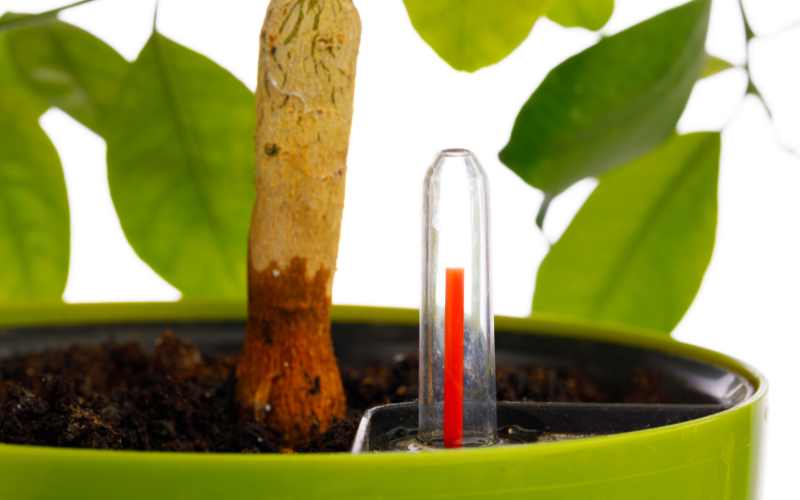
During the hottest parts of summer, thirsty plants like tomatoes or peppers may drain the reservoir faster. On the other hand, leafy greens or herbs in shady spots use far less water. A clear water level indicator makes refilling easier, but if your planter doesn’t have one, you’ll need to check manually by lifting the pot or peeking inside the fill tube.
One smart trick: refill when the top inch of soil starts to dry out. That’s a sign the reservoir is low. Avoid topping it off too often out of habit. Overfilling doesn’t speed up growth—it just raises the risk of standing water and mold.
Sticking to a consistent refill schedule, based on plant needs and weather, helps keep things running smoothly without surprises.