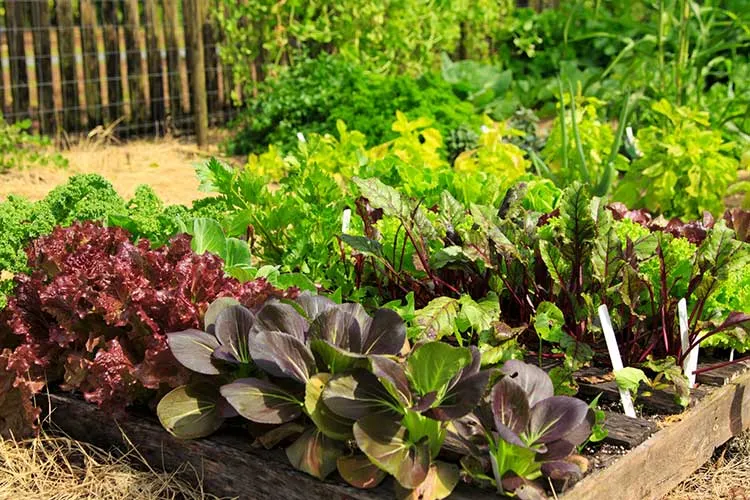
Want to start your garden while winter is still gripping it? Winter sowing in raised beds is your secret weapon! Starting seeds during the colder months gives your plants a head start, maximizing their vigor and hardiness.
But which seeds perform best? Think frost-tolerant and resilient varieties like kale, spinach, and poppies. These seeds thrive with a cold start and germinate beautifully when temperatures warm. Winter sowing is simple, efficient, and perfect for early blooms and harvests. Let’s explore the best seeds to sow now!
Understanding Winter Sowing
What is Winter Sowing?
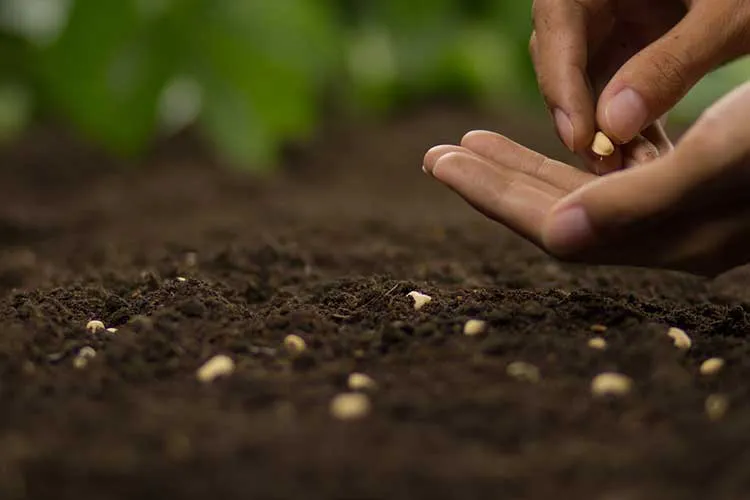
Winter sowing is a gardening method in which seeds are sown outdoors in late winter, allowing them to experience the natural cycles of cold and warmth. Seeds undergo cold stratification during this process, a natural mechanism that breaks seed dormancy and prepares them to sprout when temperatures become favorable.
The seeds remain dormant in the cold soil and germinate as the soil gradually warms in early spring, ensuring the seedlings emerge strong and in sync with the season.
This approach mimics how seeds naturally grow in the wild, eliminating the need for indoor seed-starting setups. It’s especially useful for gardeners who prefer low-maintenance methods that require less fuss and fewer resources.
When Should I Plant Seeds for Winter Garden?
The timing for winter sowing is crucial. It generally begins in late winter, when soil conditions are workable, but nighttime temperatures still hover near freezing. Ideally, you should aim to sow seeds when the weather is cold but past the harshest deep winter period.
A simple guideline is to start once the soil can be dug and crumbles easily in your hands without being too soggy. This timing ensures the seeds receive adequate chilling for stratification while minimizing the risk of rotting or being washed away.
For best results, pay attention to the specific needs of the seeds you’re planting. Some prefer earlier sowing, while others thrive when sown closer to spring. Winter sowing’s flexibility lets you spread out the work and get a head start on the busy gardening season.
Benefits of Winter Sowing in Raised Beds
Hardier Plants
One of the standout advantages of winter sowing in raised beds is the development of robust, hardy seedlings. These seedlings are naturally exposed to fluctuating temperatures, wind, and other environmental stresses by germinating outdoors. This exposure helps them become sturdier and more adaptable to garden conditions, unlike delicate seedlings started indoors. As a result, the plants are better equipped to handle unpredictable spring weather, including late frosts or temperature swings.
Efficient Gardening
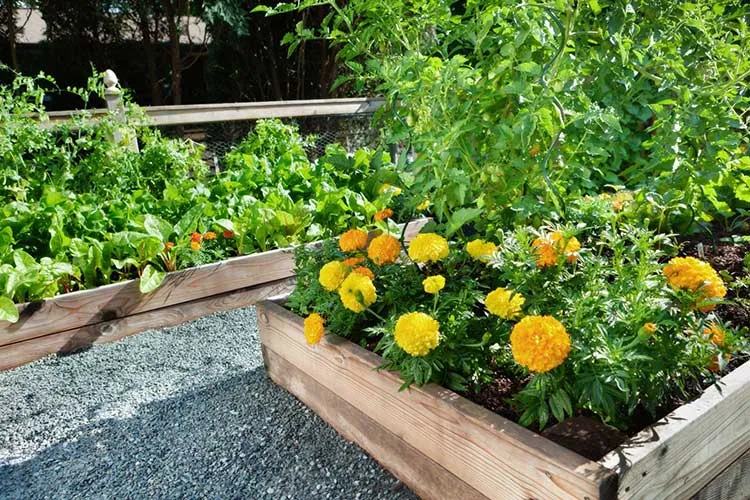
Raised beds already offer several benefits to gardeners, and winter sowing enhances them. The elevated soil in raised beds drains better, preventing seed rot from excess moisture. Additionally, as the days get longer, raised beds warm up more quickly than in-ground plots, accelerating seed germination.
The neatly defined growing space makes managing and tracking sowing efforts easier. This setup simplifies planting, weeding, and harvesting, leading to a more organized and efficient gardening experience.
Extended Growing Season
Winter sowing in raised beds extends your growing season by allowing seeds to sprout as soon as conditions are right, often weeks earlier than traditional sowing methods. This head start can make a big difference, particularly for cool-weather crops that thrive in early spring.
Using this method, you can enjoy a harvest sooner and create room for successive plantings, maximizing your garden’s productivity. It’s a perfect way to make the most of the short window before the heat of summer sets in.
The Best Seeds for Winter Sowing in Raised Beds
Arugula
Arugula is a fantastic leafy green to start with winter sowing. Known for its peppery flavor, arugula thrives in cooler temperatures and can withstand light frosts, making it ideal for early spring harvesting. Sow arugula seeds about 1/4 inch deep and 2-4 inches apart in well-draining soil.
Raised beds are perfect for this, as they warm up faster, giving arugula a head start—thin seedlings as needed to allow for better air circulation and growth. Harvest young leaves for salads or wait for more mature, robust greens.
Beets
Beets are another cool-weather crop that performs well when winter-sown. They are frost-resistant and benefit from the natural cold stratification that helps seeds break dormancy—plant beet seeds about 1 inch apart and 1/2 inch deep in loose, rich soil.
Raised beds provide the perfect growing environment, with fewer rocks and compacted areas that could hinder root development. Once seedlings emerge, thin them to about 3-4 inches apart for optimal root growth. Beets develop their sweetest flavor in cool temperatures, making an early harvest especially satisfying.
Carrots
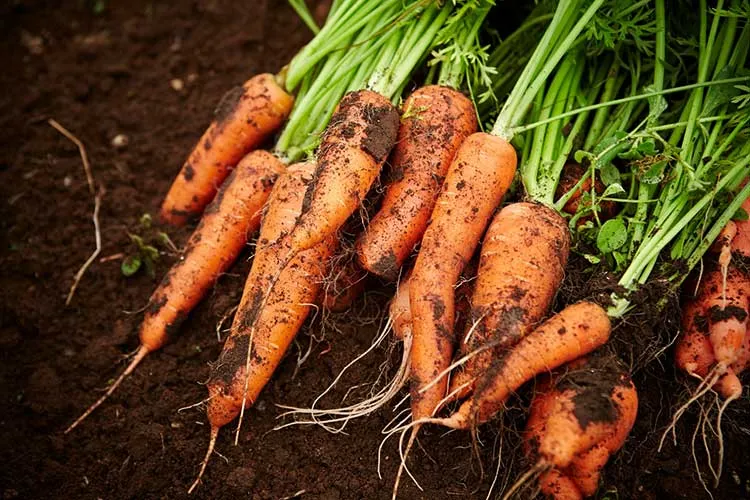
Carrots are known to become even sweeter when grown in cold soil, making winter sowing a perfect strategy. Sow carrot seeds thinly and about 1/4 inch deep in well-prepared, rock-free soil. Carrots need consistent moisture, so raised beds with good drainage help prevent waterlogging.
Keep rows about 3-4 inches apart to allow the roots to grow without competition. The cool spring weather promotes steady, even growth, and the gradual warming of the soil in raised beds encourages excellent root development.
Lettuce
Lettuce is a cold-hardy crop that thrives in winter-sown conditions. Choose varieties like Buttercrunch, Romaine, or loose-leaf mixes for a diverse salad garden. Scatter lettuce seeds thinly on the surface of your raised bed soil and cover lightly with a thin layer of soil or compost.
Raised beds make it easy to create a dedicated salad garden that warms quickly in spring. Thin seedlings as they grow to give each plant room to flourish. You can begin harvesting baby greens a few weeks after germination or let the plants mature for larger heads.
Purple Mustard
Purple mustard greens are visually striking and well-suited for winter sowing. Their spicy, peppery leaves develop a robust flavor in cooler weather and can handle frost without issue. Sow about 1/4 inch deep and 6 inches apart or thin seedlings once they emerge.
Purple mustard grows rapidly, making it an exciting addition to any early spring garden. Raised beds provide the warmth needed to boost germination while ensuring adequate drainage. Use these vibrant greens in salads, or sauté them for a spicy kick.
Radishes
Radishes are one of the quickest crops to mature, often ready for harvest in as little as 25-30 days. This makes them perfect for impatient gardeners looking for an early reward. Sow radish seeds about 1/2 inch deep and 1 inch apart in well-draining soil. Space rows about 4-6 inches apart.
The cool, moist conditions of late winter and early spring are ideal for germinating radish seeds. Raised beds help keep the soil from getting too compact, allowing radish roots to grow straight and plump. Harvest as soon as they reach a desirable size to avoid a woody texture.
Spinach
Spinach is a champion of cold-weather gardening; its flavor only improves with a touch of frost. Sow spinach seeds about 1/2 inch deep and 2-3 inches apart in nutrient-rich soil. Raised beds help keep soil well-aerated and provide better drainage, which spinach prefers.
The seeds will germinate as soon as soil temperatures rise slightly, giving you a crop of tender, flavorful greens. You can harvest baby spinach leaves early or let the plants grow larger. Spinach is perfect for salads, cooking, or adding to smoothies.
Preparation and Tips for Success
Smooth Soil Surface
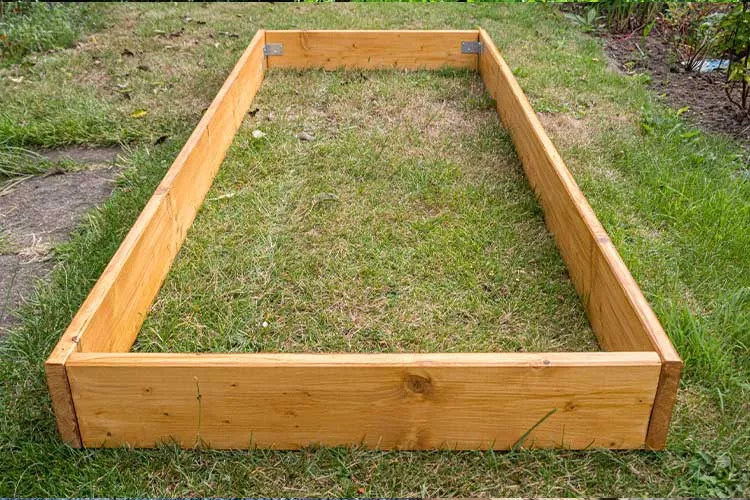
Proper soil preparation is essential for successful winter sowing. Begin by loosening the soil in your raised beds and breaking up any large clumps. This will ensure better seed-to-soil contact, which is crucial for germination. Use a rake to create a smooth, even surface, removing debris like rocks or twigs. Well-aerated, rock-free soil is especially important for optimal root development for crops like carrots and beets.
Cover Your Beds
While winter sowing uses the cold to stratify seeds, providing some protection can help maintain a consistent soil environment. Use cold frames, row covers, or frostcloths to shield your raised beds from harsh weather. These covers can help retain warmth and moisture while allowing seeds to benefit from natural cold stratification. On milder days, you can briefly open the covers to provide ventilation, preventing mold or excess moisture buildup.
Label Plantings
It’s easy to forget where you sowed each type of seed, especially when working in late winter. Use plant markers or stakes to label your crops clearly. This will simplify identifying seedlings as they sprout and ensure you don’t accidentally disturb or overcrowd them. Waterproof labels or markers are a good choice; they’ll withstand the elements until spring arrives.
Watering Guidance
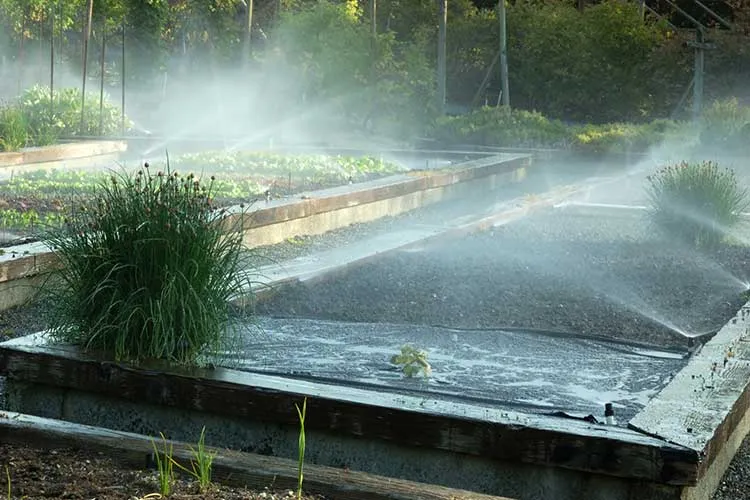
One of the perks of winter sowing is that it generally requires minimal watering. Melting snow and natural rainfall usually provide sufficient moisture for the seeds. However, if you experience an unusually dry spell, check the soil to ensure it isn’t completely dry. Lightly water if necessary, but avoid overwatering, as seeds may rot in overly wet conditions. Monitor moisture levels more closely as spring arrives to support healthy seedling growth.
Conclusion
Winter sowing in raised beds is a fantastic way to get ahead of the gardening season while embracing nature’s rhythm. This method sets your seeds up for success, allowing them to germinate as conditions become just right. The process is simple: soil preparation, strategic seed placement, and the natural work of winter weather. Raised beds make this even more efficient, offering better drainage, quicker soil warming, and a dedicated, easy-to-manage space.