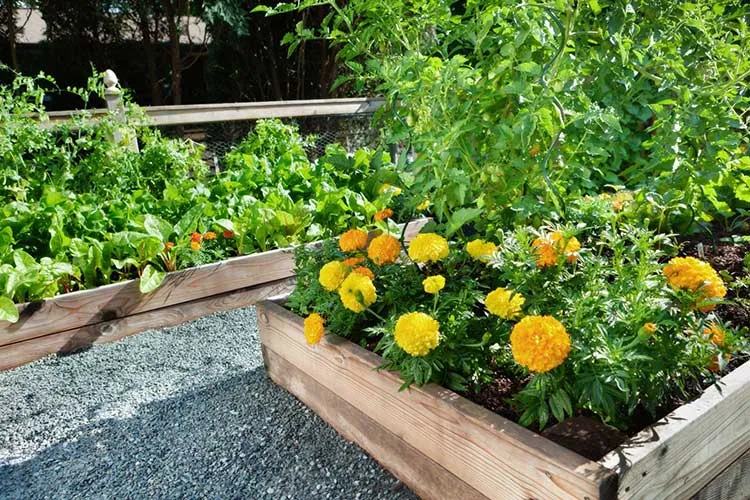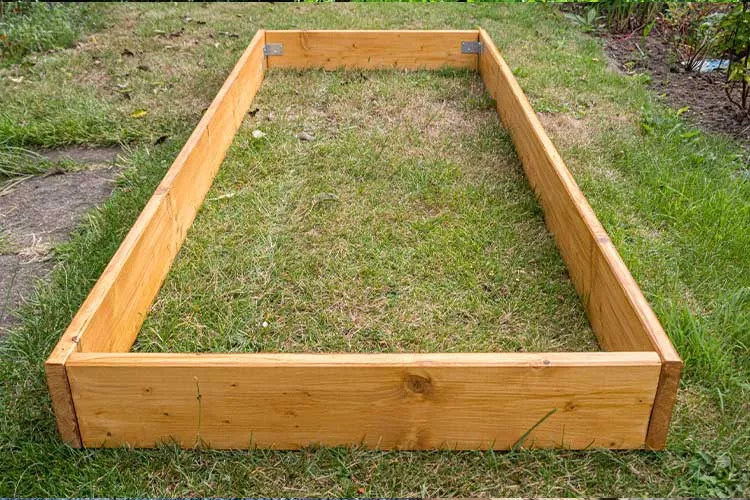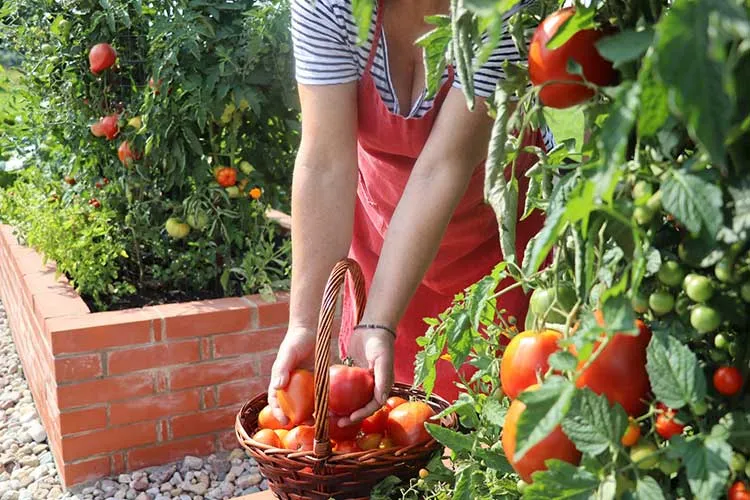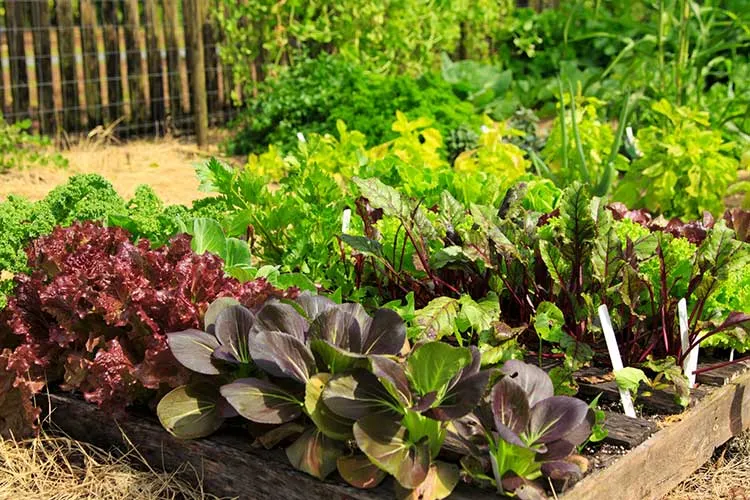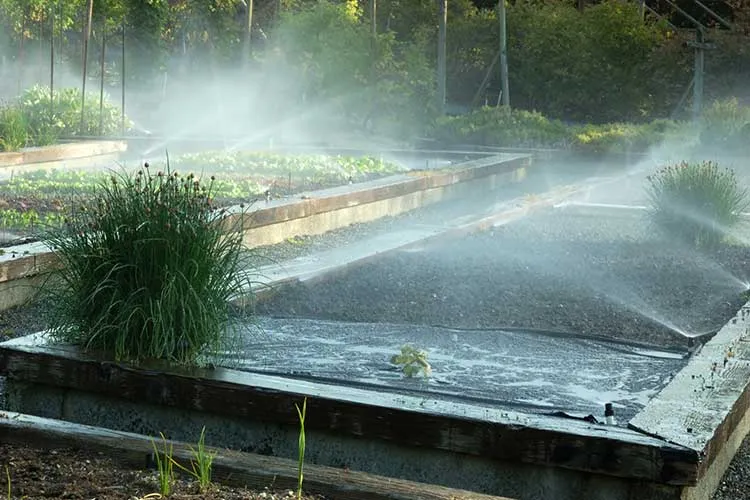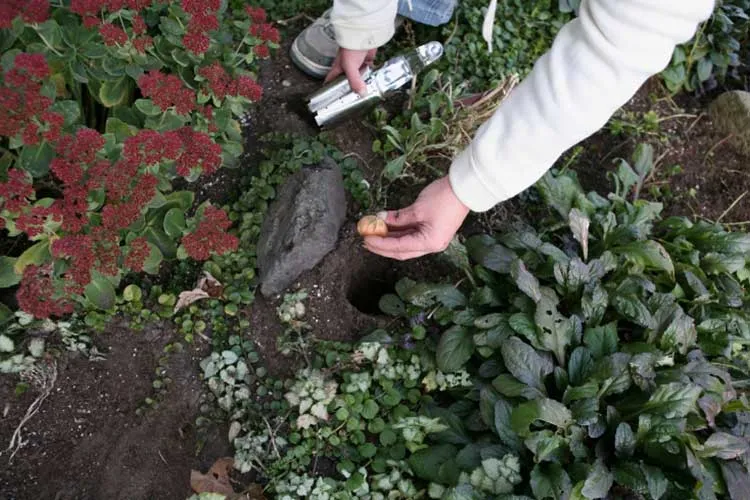
Preparing your raised garden bed for fall is the key to healthy, productive soil come spring. As the growing season wraps up, now’s the time to clear out old plants and enrich your soil with compost or mulch. This simple fall prep helps retain nutrients, prevent erosion, and even lets you plant cold-hardy crops like garlic for an early harvest. Want to give your garden a head start before winter? Here’s a step-by-step guide to get your raised bed ready for the coming season and set it up for success!
Step-by-Step Guide to Gradual Fall Preparation
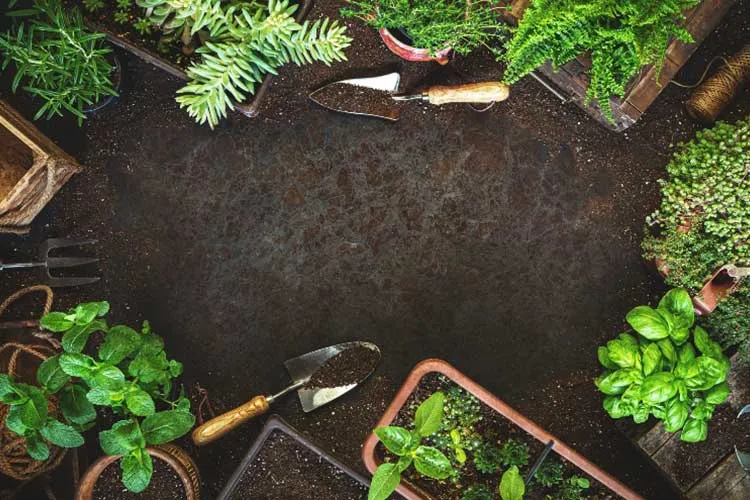
Gradually transitioning your raised garden beds for fall is an approach that promotes long-term soil health and resilience. Instead of abrupt changes, easing your garden into the cooler season helps minimize stress on plants and the underground ecosystem.
Why Gradual Preparation Works
A gentle transition can manage the impact of sudden temperature shifts, which can be stressful for both plants and beneficial soil organisms. By keeping the soil environment more stable, microorganisms that aid in nutrient cycling and plant health continue to thrive. These organisms help break down organic matter into usable nutrients, so nurturing them through the transition supports a robust soil ecosystem.
Additionally, gradual preparation helps prevent soil erosion, especially in raised beds where topsoil can be more vulnerable. By keeping a layer of cover or mulch as temperatures drop, you maintain soil structure and reduce the risk of losing valuable nutrients.
Key Benefits of a Gradual Transition
- Temperature Management: Using cover crops or mulch can keep soil temperatures stable, protecting root systems and ensuring soil organisms remain active.
- Soil Health Preservation: A gradual shift keeps the ecosystem balanced, avoiding disruptions to the beneficial microbes that improve soil fertility.
- Erosion Prevention: Slowly preparing your beds allows you to protect the soil from harsh weather, using natural barriers like mulch or cover crops.
Taking a thoughtful, gradual approach to fall gardening transition ensures your raised beds remain productive and healthy year-round, setting the stage for vibrant growth even as temperatures dip.
Why You Shouldn’t Start Over Each Season
It might be tempting to completely overhaul your raised garden beds each season, but maintaining continuity in your garden soil comes with significant benefits. Instead of starting from scratch, reusing and gradually improving your soil helps sustain a thriving ecosystem that supports healthy plant growth year after year.
Soil Structure Preservation
One of the primary reasons to avoid resetting your garden soil is to preserve its structure. Over time, the soil in your raised beds develops layers that create an ideal environment for roots. These layers help manage water retention, aeration, and drainage in ways that freshly tilled or replaced soil cannot. By maintaining these natural structures, you give roots the stability they need to grow deep and strong. Plus, keeping the organic matter from previous crops helps to retain moisture and nutrients.
Ecosystem Integration
Healthy soil is full of beneficial microorganisms, such as bacteria and fungi, that break down organic matter and make nutrients available to plants. When you keep using and enhancing the existing soil, you support a balanced ecosystem that’s already adapted to your garden environment. This allows for a more efficient nutrient cycle, making your soil more fertile and less dependent on external fertilizers. By working with these natural processes, you can create a more sustainable garden setup.
In short, reusing and building upon your existing soil supports both plant and microbial life, creating a more resilient and balanced garden. It’s a win-win approach that leads to healthier crops and less work for you in the long run.
Step-by-Step Process to Prepare a Raised Garden Bed for Fall
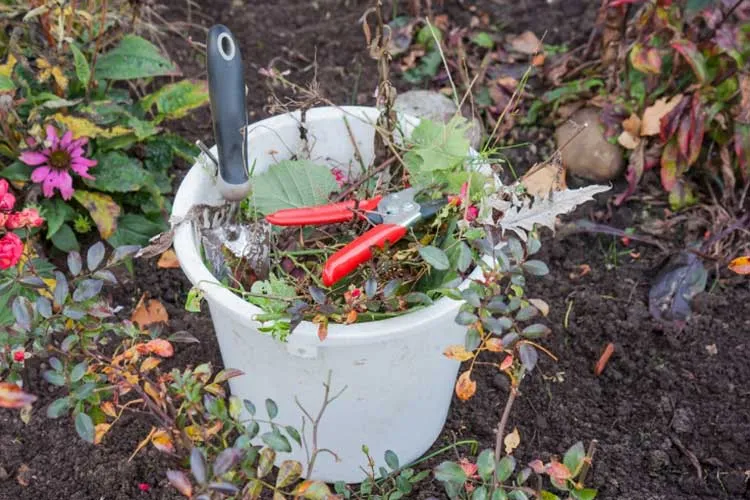
Taking the right steps to prepare your raised garden bed for fall is essential for a healthy, thriving garden next season. Let’s break down the preparation process to ensure your soil and plants are ready for the colder months ahead.
Step One: Final Harvest and Plant Removal
Before you can prepare your soil, it’s time to gather any remaining produce from your summer crops. Collect all ripe vegetables and fruits, and then clear away annual plants. Removing these plants helps prevent disease from lingering in your raised beds over the winter.
For any healthy plant material that’s disease-free, consider adding it to your compost pile to enrich future soil. However, discard or burn any diseased plants to avoid spreading pathogens. Clearing away old crops also gives you a clean slate for new plantings, making space for cover crops or mulch.
Step Two: Prune and Remove Debris
Next, take care of any perennials in your raised beds. Carefully prune these plants to encourage healthier growth in the spring, and remove any dead or decaying foliage. Pruning prevents diseases from overwintering on your plants, while also allowing more air circulation around the roots.
Additionally, clear away any plant debris or weeds that may have collected. Weeds can harbor pests or disease, so make sure to thoroughly remove them. For perennials, use basic pruning techniques—cut back dead stems to ground level but avoid cutting off fresh green growth, as this can harm the plant’s development.
Step Three: Clear and Turn the Soil
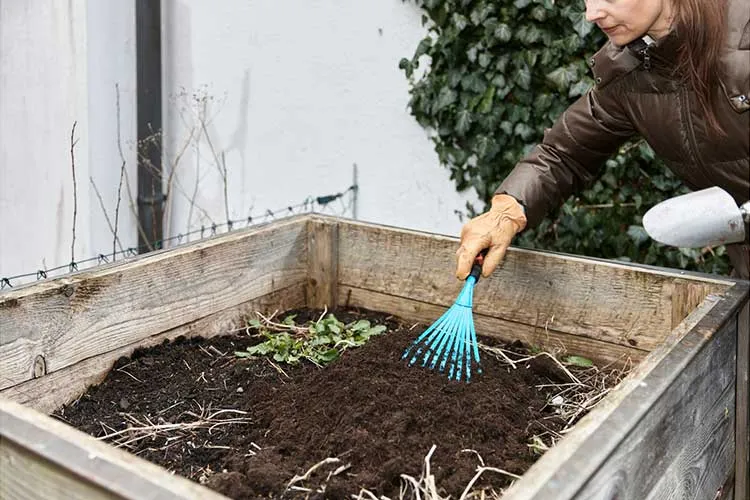
Once your beds are free from plants and debris, it’s time to rejuvenate the soil. Start by breaking up soil compaction with a garden fork. Loosening the soil improves aeration, which is vital for root health and promotes better drainage. Make sure to pull out any remaining roots from previous crops, as they can decompose unevenly and cause problems for new plantings.
Turning the soil also exposes any overwintering pests and makes it less hospitable for them to survive the colder months. This simple yet effective step keeps your soil in top shape for the next round of planting.
Step Four: Enrich the Soil with Compost
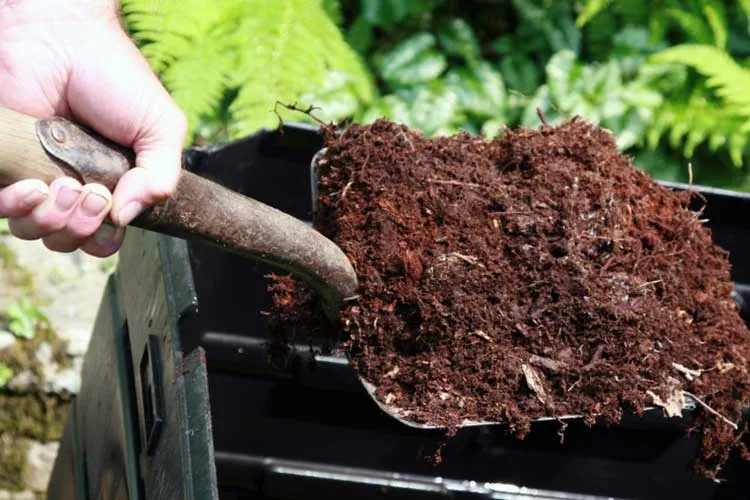
Now it’s time to give your soil a nutrient boost by adding compost. Spread a layer of compost about 4–6 inches thick over the surface of your raised bed, then gently mix it into the topsoil. Compost enriches your soil by improving water retention, boosting soil fertility, and adding beneficial microbes.
If you don’t have homemade compost, you can use store-bought varieties—just ensure it’s high-quality, organic matter. When mixing, be careful not to disturb the deeper layers of soil more than necessary, as this can disrupt the ecosystem you’ve worked hard to cultivate.
These foundational steps will leave your raised beds well-prepared for the upcoming cooler months, ready to support a productive and vibrant garden. Now that your beds are set, you can move on to choosing cool-season crops and adding protective measures for your plants.
Planting and Final Preparations
With your raised garden bed prepped and enriched, it’s time to focus on planting cool-season crops and taking measures to protect them from harsh weather. This final stage of fall preparation ensures your garden remains productive even as temperatures drop.
Plant Selection
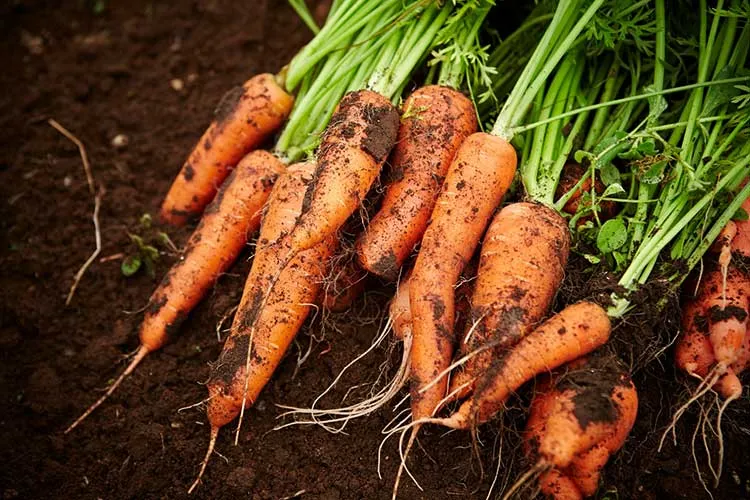
Choosing the right crops for the fall season is key. Cool-season vegetables like kale, spinach, garlic, and Brussels sprouts thrive in colder weather and can even become sweeter after a light frost. Consider planting root vegetables, such as carrots and radishes, which also perform well in cooler soil. When deciding what to grow, think about your local climate and frost dates to ensure your crops have enough time to mature.
Plant seeds or transplants a bit deeper than usual, as soil insulation is better below the surface. If you’re planting garlic, aim to get it in the ground about four to six weeks before your area’s first expected hard frost. This will give the cloves time to establish roots before the deep winter freeze.
Frost Protection
Even hardy crops need some protection from extreme cold. Row covers are a great tool for shielding your plants from frost and wind, creating a slightly warmer microclimate around them. You can use lightweight fabrics during the early fall and heavier ones as winter approaches. For extra warmth, try using plastic tunnels or cloches over individual plants or rows.
Mulching is another essential technique. A thick layer of mulch, such as straw or shredded leaves, can insulate the soil and protect the root systems from temperature fluctuations. For perennials, mulching helps them survive the winter and reemerge strong in the spring. If you have container-grown plants, consider moving them to a sheltered area or indoors to keep them from freezing.
Maintenance
Once everything is planted and protected, your garden will still need some attention. Adjust your watering schedule based on rainfall and cooler temperatures, as overwatering can lead to root rot in the fall. It’s best to water in the morning to allow moisture to evaporate from leaves during the day, reducing the risk of fungal diseases.
Keep an eye out for any signs of pests or disease, even during the cooler months. Slugs, for instance, can still be active, especially under damp mulch. Regularly inspect your plants and remove any potential threats. A light application of organic pest control, if necessary, can help keep things in balance.
If you plant thoughtfully and protect your crops from the elements, you’re setting the stage for a thriving fall and winter garden. The care you invest now will pay off in healthy, resilient plants and a bountiful harvest.
Conclusion
Preparing your raised garden beds for fall is a rewarding process that paves the way for a successful next growing season. If you gradually transition your garden into autumn, you safeguard soil health, manage temperature shifts, and protect the beneficial organisms that make your soil fertile. Instead of starting over each season, reusing and enriching your existing soil maintains the balance of your garden’s ecosystem and encourages strong, healthy plant growth.
Taking the time to follow each step—harvesting and clearing old crops, pruning and cleaning up debris, aerating the soil, and enriching it with compost—creates a nourishing environment for your next round of plants. Once your raised beds are set, carefully selecting cool-season vegetables and adding frost protection will keep your garden productive even through the colder months.
Investing effort now not only sets you up for a future harvest but also makes the transition into spring much smoother. So get your hands dirty, make those fall preparations, and enjoy the fruits (and vegetables) of your labor all year long!