If you’ve ever dreamed of picking fresh herbs or crisp vegetables from your own home, indoor vegetable gardening might be just the project for you. Even if you don’t have outdoor space, you can still grow a variety of veggies right on your windowsill or kitchen counter. Indoor gardens let you enjoy fresh produce year-round, add life to your home, and provide a rewarding hobby for beginners and seasoned gardeners alike.
Growing vegetables indoors has several perks, especially for those new to gardening. It’s a manageable way to start small, experiment with different plants, and learn what works best without the pressures of a large outdoor garden. Plus, you’re in control of the environment—no surprise frosts or pest invasions! Whether you’re planting leafy greens for fresh salads or herbs to spice up your cooking, the convenience and freshness of homegrown veggies can’t be beaten.
How to Start an Indoor Vegetable Garden
Before you start planting, it’s important to consider a few key factors to set yourself up for success. First, think about how much space you have. Whether it’s a sunny windowsill, a countertop, or a corner with room for shelves, there’s likely a spot in your home that can work. Even small spaces can accommodate vertical gardens or tiered planters to maximize room.
Lighting is one of the most critical elements. Many vegetables thrive with at least 6-8 hours of sunlight per day. If you don’t have enough natural light, consider investing in grow lights to give your plants the boost they need. These lights mimic sunlight and ensure your veggies grow strong and healthy.
Maintenance is another consideration. Think about how much time you can dedicate to watering, pruning, and checking soil moisture. Some plants, like leafy greens and herbs, require less maintenance, while others, such as tomatoes, need regular care and support as they grow.
It’s also helpful to define your purpose. Are you looking to grow salad staples, fresh herbs, or fun additions like peppers and carrots? Certain vegetables are better suited for indoor growth due to their size, adaptability, and quicker harvest times. For beginners, leafy greens, herbs, and scallions are some of the easiest options, while tomatoes, peppers, and root vegetables might require more patience and planning.
Best Vegetables to Grow Indoors
Regarding indoor gardening, some vegetables are easier to grow than others. You can enjoy a fresh harvest without a lot of hassle by choosing plants that thrive in smaller spaces and adapt well to indoor conditions. Here’s a look at some of the best vegetables to grow indoors and how to care for them.
Leafy Salad Greens (Lettuce, Arugula, Kale)
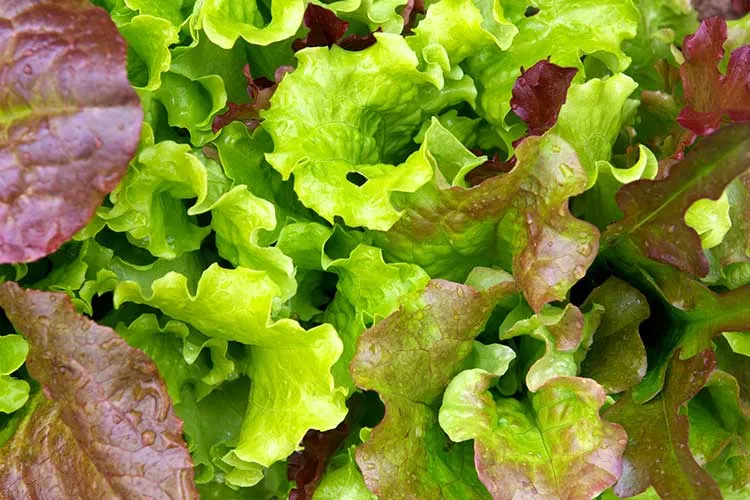
Leafy greens grow quickly and don’t need deep soil to thrive, making them ideal for indoor spaces. Loose-leaf lettuce, baby kale, and arugula are popular for their tender leaves and fast-growing nature. Plant them in shallow containers with good drainage and nutrient-rich soil. They prefer plenty of light, so position them near a sunny window or use grow lights. Harvest the outer leaves first, allowing the center to grow for multiple harvests.
- Days to Maturity: 20–30 days for baby greens; 40–50 days for full-sized leaves
Herbs (Basil, Mint, Parsley, etc.)
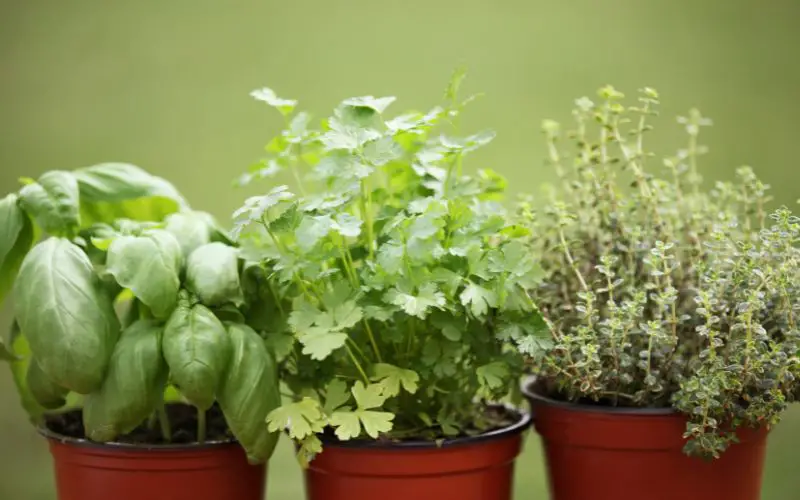
Fresh herbs are a game-changer for home-cooked meals and are surprisingly easy to grow indoors. Basil, mint, and parsley are some of the easiest to maintain. Basil loves bright light and warm temperatures, while mint and parsley can tolerate lower light levels. Start by planting in small pots and keeping the soil evenly moist. Snip the leaves often to encourage new growth and keep the plants full and bushy.
- Days to Maturity:
- Basil: 45–60 days
- Mint: 60–70 days
- Parsley: 70–80 days (but can be harvested earlier for smaller leaves)
Microgreens (Broccoli, Radish, etc.)
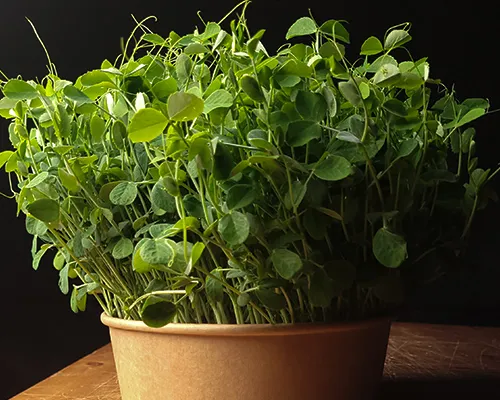
Microgreens, like broccoli and radish, are packed with nutrients and take only 7–14 days to grow. These tiny greens grow well in shallow trays with a thin layer of potting mix. Sprinkle the seeds evenly, mist with water, and cover the tray until they sprout. Once the seedlings emerge, place the tray in bright, indirect light. They’re ready to harvest when they’re about 2–3 inches tall—just snip above the soil line.
- Days to Maturity: 7–14 days, depending on the variety
Scallions & Garlic Greens
Scallions and garlic greens are among the easiest vegetables to regrow indoors. You can start scallions from scraps by placing the white root end in a glass of water until it sprouts. Once the green shoots grow a few inches, transfer them to a pot with soil for long-term growth. Garlic cloves can also be planted to grow flavorful green shoots that add a mild garlicky taste to your dishes.
- Days to Maturity: 14–21 days for green tops
Celery
Celery is another vegetable that regrows easily from scraps. After using the stalks, save the base and place it in a shallow dish of water. Once new leaves and roots appear, transplant it to a pot with soil. Celery likes consistent moisture and indirect light. Although it can take a few weeks to grow, seeing a new plant emerge from kitchen scraps is rewarding.
- Days to Maturity: 80–100 days for full stalks, but greens can be harvested in 30–40 days
Carrots
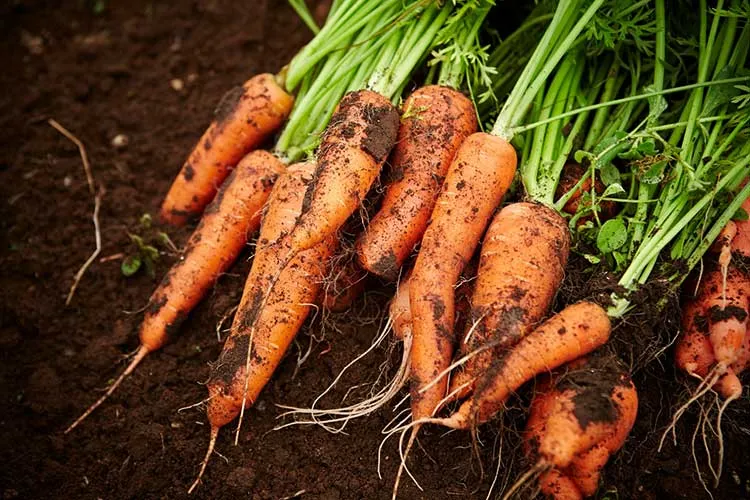
Carrots can be grown indoors, but they need a deep container since their roots grow downward. Choose a pot that’s at least 12 inches deep and use loose, sandy soil to help the roots expand easily. Carrot varieties like “Parisian” or “Thumbelina” are great for small spaces. While they take a bit of patience, the sweet, homegrown carrots are worth the wait.
- Days to Maturity: 60–80 days, depending on the variety
Hot Peppers & Sweet Peppers
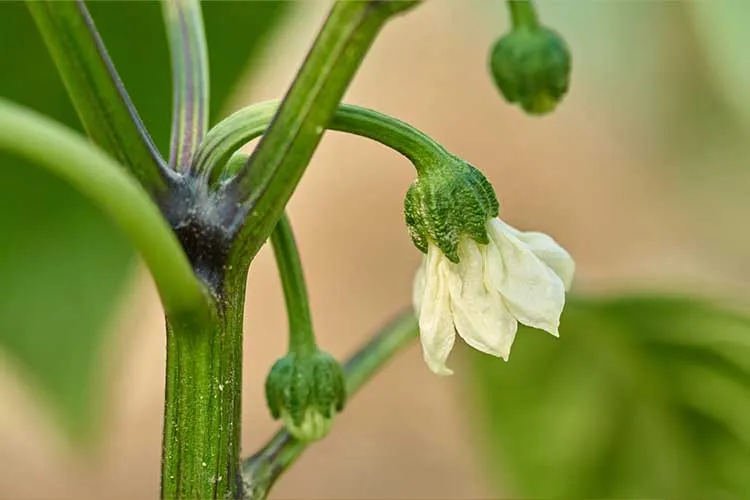
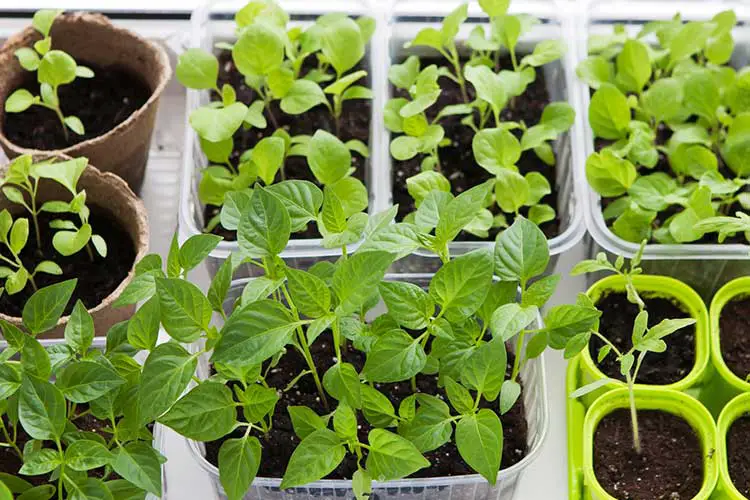
Peppers thrive indoors with the right care. These plants love warmth and sunlight, so make sure they’re placed somewhere they’ll get plenty of both. Jalapeños, cayenne peppers, and sweet bell peppers can all be grown in containers. They require consistent watering but don’t like soggy soil. Peppers are also self-pollinating, but giving the flowers a gentle shake helps them set fruit faster.
- Days to Maturity: 70–90 days for sweet peppers; 60–75 days for hot peppers
Tomatoes
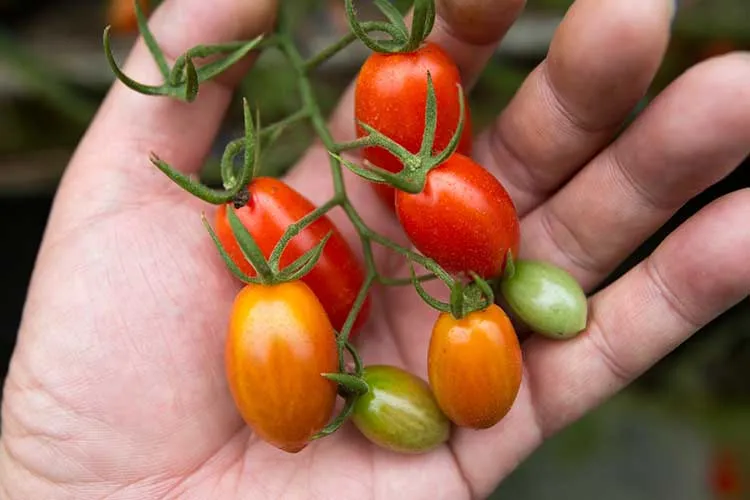
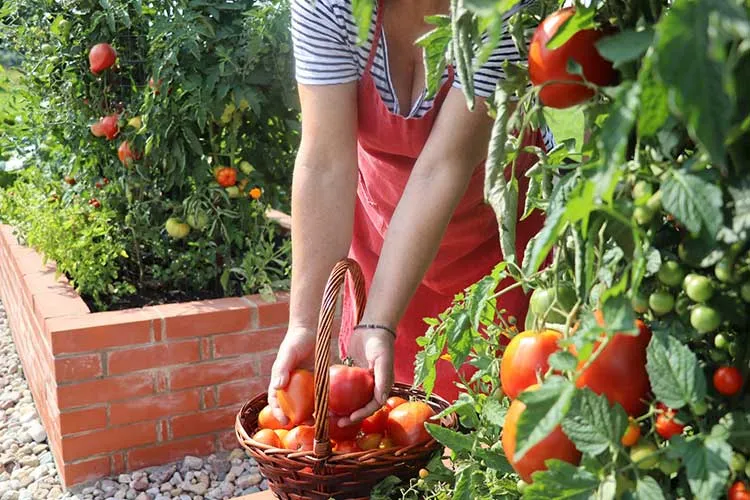
Tomatoes can be more challenging indoors, but small varieties like cherry tomatoes do especially well. They need a deep container, regular watering, and at least 8 hours of direct light daily. If you’re using grow lights, ensure they’re positioned close enough to the plants to simulate full sunlight. Since tomatoes can grow tall, provide a small trellis or stake for support as they grow.
- Days to Maturity: 50–70 days for cherry tomatoes; 70–90 days for larger varieties
Potatoes
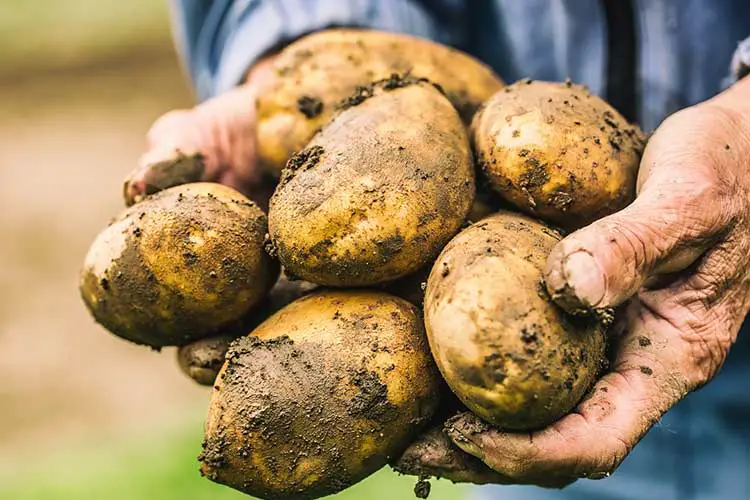
Yes, you can grow potatoes indoors! Use a large container or grow bag with loose, well-draining soil. Plant seed potatoes with the eyes facing upward and cover them with a few inches of soil. As the potato plants grow, add more soil to cover the stems, exposing just the top leaves. This process, called “hilling,” encourages more potatoes to form. After a few months, you can dig in and harvest your fresh spuds.
- Days to Maturity: 70–90 days for early varieties; 90–120 days for main crop varieties
Radishes
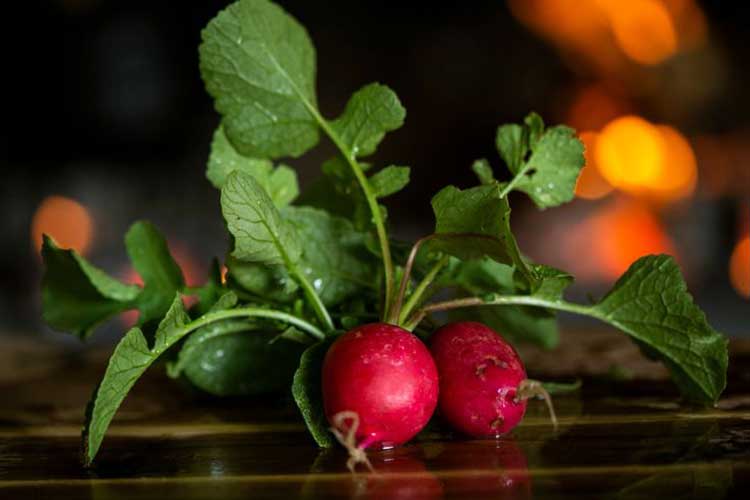
Radishes are fast growers, with some varieties ready to harvest in just 20–30 days. They don’t take up much space and grow well in shallow containers with loose, well-aerated soil. Be sure to thin out the seedlings once they sprout to give each plant room to form a bulb. Keep the soil moist but not waterlogged, and you’ll have crisp, peppery radishes in no time.
- Days to Maturity: 20–30 days, depending on the variety
Regrowing Vegetables from Scraps
Regrowing vegetables from kitchen scraps is a fun and sustainable way to make the most of your produce. It’s surprisingly simple and a great way to reduce food waste while enjoying a continuous supply of fresh greens.
Scallions are among the easiest vegetables to regrow. Save the white root ends and place them in a glass of water, submerging the roots but the tops above water. Within days, green shoots will start to grow. Once they’re a few inches tall, transfer them to a pot with soil for longer-lasting growth.
Garlic greens can be regrown by planting individual garlic cloves in a small pot of soil, pointy side up. Water regularly, and within a few weeks, you’ll have flavorful green shoots perfect for garnishing dishes.
Lettuce and celery can also be regrown from their bases. Place the cut ends in a shallow water dish and set them in a sunny spot. In about a week, new leaves will start to grow. When the roots appear, transplant them into a container with soil for continued growth.
Regrowing veggies from scraps is a budget-friendly option and a rewarding way to see how plants regenerate. Plus, it’s a simple way to experiment with gardening, even if you’re short on space.
Tips for Growing Vegetables Indoors
To keep your indoor garden thriving, creating the right environment and following a few best practices is important. Here’s how you can ensure healthy growth and consistent harvests.
Choosing the Right Containers
The type of container you use can make a big difference. Look for pots with drainage holes to prevent water from pooling at the bottom, which can lead to root rot. If you’re short on space, consider using vertical planters or tiered shelves to maximize your growing area. For root vegetables like carrots and potatoes, opt for deep containers to give the roots enough room to grow.
Managing Light (Natural vs. Grow Lights)
Vegetables need plenty of light to thrive. If you have a sunny window that gets 6–8 hours of direct sunlight, place your plants there. However, if natural light is limited, grow lights can provide the necessary brightness. LED grow lights are a popular option since they’re energy-efficient and provide the full spectrum of light that plants need. Position the lights close enough to the plants—usually 6–12 inches away—to mimic sunlight without overheating them.
Watering Schedules and Avoiding Overwatering
Consistent watering is key, but overwatering can do more harm than good. Check the soil moisture regularly by sticking your finger about an inch into the soil. If it feels dry, it’s time to water. Use a watering can with a spout for precision, especially for smaller pots. Be sure to water until you see excess draining out the bottom of the container, but don’t let the pot sit in the collected water.
Controlling Indoor Temperature and Humidity
Most vegetables prefer temperatures between 65–75°F. Sudden temperature changes from drafty windows or heating vents can stress plants, so try to place your garden in a stable environment. If the air in your home is dry, especially in the winter, consider using a small humidifier near your plants to maintain healthy humidity levels.
Preventing Pests and Maintaining Healthy Soil
Even indoor gardens can attract pests like fungus gnats and aphids. Regularly inspect your plants for any signs of pests, such as discolored leaves or tiny insects. Avoid overwatering and clean the soil surface by removing dead leaves to prevent issues. If pests appear, try a natural solution like neem oil or a mixture of water and mild dish soap sprayed lightly on the leaves. Refresh the soil periodically by adding compost or organic fertilizer to keep it nutrient-rich.
Things That Are Key for Successful Indoor Gardening
A few essential elements can make or break your indoor gardening experience. Focusing on these basics will help you grow strong, productive plants and avoid common pitfalls.
Importance of Proper Drainage
Good drainage is crucial for healthy plant roots. Without it, water builds up in the soil, leading to root rot. Always choose containers with drainage holes and use saucers to catch excess water. If you’re using decorative pots without holes, consider placing a smaller pot inside that has proper drainage. This will allow you to remove and water the pot easily. Adding a layer of pebbles at the bottom of the pot can also help improve drainage.
Choosing Nutrient-Rich Soil and Fertilizers
Indoor plants rely on the nutrients in their soil since they don’t have access to the natural ecosystem. Use a high-quality potting mix designed for vegetables, as it’s lightweight and retains moisture without becoming too compacted. Adding organic matter like compost can boost soil health. Since nutrients deplete over time, use a balanced, water-soluble fertilizer every few weeks to keep your plants well-fed. Look for one that contains nitrogen, phosphorus, and potassium for healthy growth.
Best Practices for Pruning and Harvesting
Pruning and harvesting regularly encourage plants to grow fuller and prevent them from becoming leggy or overgrown. Pinch off the top leaves for leafy greens and herbs to promote bushier growth. With fruiting plants like tomatoes and peppers, remove any dead or yellowing leaves to direct energy toward producing fruit. When harvesting vegetables, be gentle to avoid damaging the plant. Cutting rather than pulling ensures the roots stay intact for continued growth.
Conclusion
Indoor vegetable gardening is a rewarding way to grow your fresh produce, even if you’re new to gardening or have limited space. Starting small with easy-to-grow vegetables like leafy greens, herbs, or scallions can help you build confidence while enjoying quick, delicious harvests.
Remember, success comes from creating the right environment for your plants. Focus on providing proper lighting, using well-draining containers, and keeping a consistent watering schedule. Don’t be discouraged by small setbacks—indoor gardening is all about learning and adjusting as you go.
With patience and care, your indoor garden can become a vibrant, productive space that fills your home with greenery and your kitchen with fresh flavors. So, take that first step, plant a few seeds, and watch your indoor gardening journey grow.