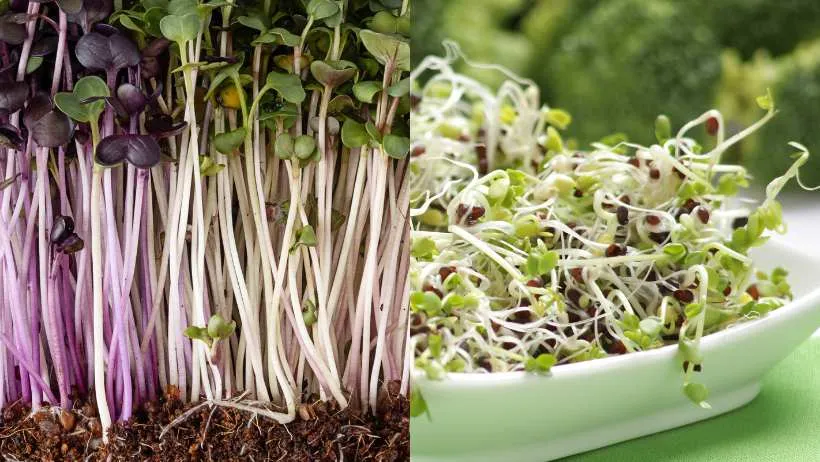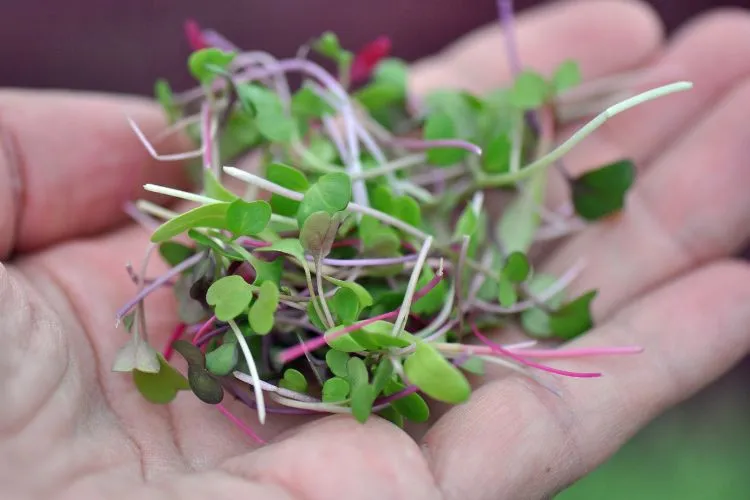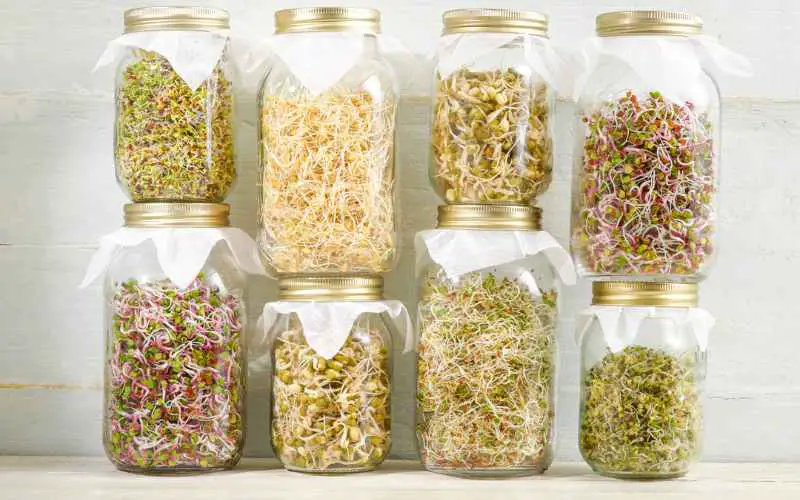
Your gut microbiome influences everything from digestion to immune function, and diet plays a major role in maintaining balance. Research shows that consuming fiber-rich foods can promote beneficial bacteria while reducing inflammation in the gut. Sprouts, young plants harvested just after germination, pack a concentrated dose of fiber, enzymes, and antioxidants that support digestion.
Some varieties, like broccoli sprouts, contain sulforaphane, a compound linked to improved gut barrier function (source). Others, such as lentil sprouts, provide plant-based protein and prebiotics that feed healthy bacteria.
Knowing which sprouts to eat and how to incorporate them into your diet can make a real difference in optimizing your gut health.
Why Sprouts Benefit Your Gut
Sprouts are packed with fiber that feeds the beneficial bacteria in your gut. This prebiotic fiber helps digestion, promotes regularity, and supports a balanced gut microbiome. Since sprouts are harvested early, their starches are partially broken down, making them easier to digest than mature plants.
Many also contain enzymes that assist with nutrient absorption, reducing bloating and discomfort. Certain sprouts, like broccoli and radish, provide plant compounds that may help support gut lining health. Their combination of fiber, enzymes, and nutrients makes them a smart addition to meals for digestive wellness.
Types of Sprouts to Consider
Alfalfa Sprouts
These delicate, mild-flavored sprouts are a great source of soluble and insoluble fiber. Soluble fiber helps feed beneficial gut bacteria, while insoluble fiber supports regular digestion. Alfalfa sprouts are also rich in antioxidants and phytoestrogens, which may contribute to overall gut health. Their light, crunchy texture makes them easy to add to salads, wraps, or grain bowls without overpowering other ingredients.
Broccoli Sprouts
Broccoli sprouts contain sulforaphane, a natural compound studied for its potential benefits in gut health and cellular function. Research suggests that sulforaphane may help reduce inflammation in the digestive tract and promote a balanced microbiome. These sprouts taste slightly peppery, adding a bold kick to salads, omelets, or sandwiches. Unlike mature broccoli, the sprouts have a higher concentration of beneficial plant compounds, making them a nutrient-dense option.
Mung Bean Sprouts
A staple in many Asian dishes, mung bean sprouts are known for their crisp texture and mild taste. They contain water-soluble vitamins like vitamin C, which affect gut and immune health. Their high water content makes them hydrating and easy to digest, while fiber helps maintain bowel regularity. Enjoy them raw in fresh spring rolls, lightly sautéed in stir-fries, or added to soups for extra crunch.
Lentil Sprouts
Lentil sprouts are packed with plant-based protein and fiber, a combination that supports digestion and helps keep you full longer. Sprouting lentils reduces their natural compounds that can cause bloating, making them easier on the stomach than cooked lentils. These sprouts have a slightly nutty taste and a firm bite, making them a hearty addition to grain bowls, salads, or homemade veggie burgers.
Radish Sprouts
Radish sprouts have spicy, peppery flavor and vibrant purple or green leaves. They contain digestive-friendly enzymes and sulfur-containing compounds that may support gut lining integrity (source). Their zesty taste makes them a great topping for avocado toast, tacos, or sushi rolls. If you enjoy a bit of heat in your meals, these sprouts are an easy way to add flavor and gut-friendly nutrients.
Simple Ways to Use Sprouts
Top Your Salads
A handful of alfalfa or radish sprouts can add crunch, flavor, and extra nutrients to any salad. Their light texture blends well with leafy greens, while fiber supports digestion. For a refreshing mix, combine broccoli sprouts with citrus-based dressings or creamy avocado slices.
Blend Into Smoothies
Mild-tasting sprouts, such as mung bean sprouts, can be blended into smoothies without overpowering other flavors. They provide fiber, vitamins, and digestive enzymes, making them a gut-friendly addition to your morning routine. Pair them with fruits like bananas, berries, or mangoes for a smooth and nutritious drink.
Layer in Sandwiches and Wraps
Sprouts make a crisp, refreshing layer in sandwiches and wraps. Alfalfa and broccoli sprouts work well with hummus, turkey, or grilled vegetables, adding texture and nutrients. Their moisture content also helps prevent dryness, making them a great replacement for lettuce in certain recipes.
Mix Into Stir-Fries
Mung bean sprouts are a classic stir-fry ingredient, bringing crunch and hydration to the dish. Lightly sauté them with garlic, soy sauce, and other colorful vegetables for a quick, nutrient-dense meal. Adding sprouts at the end of cooking helps retain their crispness while enhancing the overall flavor.
Step-by-Step Care for Your Digestive System
Stay Hydrated
Water plays a key role in digestion by helping fiber move through your system. Since sprouts are fiber-rich, drinking enough water ensures that digestion stays smooth and prevents bloating. Herbal teas, infused water, and broths can also contribute to hydration while being gentle on your gut.
Pair with Balanced Meals
Sprouts work best when combined with other nutrient-dense foods. Pair them with lean proteins like grilled chicken or tofu, healthy fats such as avocado or olive oil, and fiber-rich carbohydrates like quinoa or whole grains. This balance helps regulate blood sugar and supports a stable gut environment.
Experiment with Flavors
Different sprouts offer different tastes and textures. If you prefer a mild flavor, try alfalfa or mung bean sprouts. For a peppery kick, broccoli or radish sprouts excite your plate. Rotating between varieties ensures you get diverse nutrients while keeping meals interesting.
Monitor Your Body’s Response
If sprouts are new to your diet, start with small servings and gradually increase your intake. Some people may have sensitivities to certain types, so paying attention to digestion, bloating, or discomfort can help you find the best sprouts for your gut. Cooking or lightly steaming them may also improve tolerance if raw sprouts initially feel too harsh.