By April in Edmonton, winter finally starts to loosen its grip. Snowbanks shrink, sidewalks show their edges again, and the first green shoots hint at warmer days ahead. After months of relying on storage crops and imports, the arrival of spring produce feels like a fresh start for both the kitchen and the palate.
The flavours of early spring are lighter and brighter than the heartier tastes of winter. Crisp greens, tender stalks, and juicy fruits add a welcome lift to everyday meals. This is the time for quick sautés, fresh salads, and simple desserts that let the produce shine. The short season for some crops means it’s worth snapping them up while they’re at their best.
In this guide, you’ll find a seasonal snapshot of what’s available in Edmonton through March and April—plus tips on how to buy, store, and enjoy each item. We’ll cover the first rhubarb stalks, sweet greenhouse strawberries, and tender asparagus spears, along with reliable favourites like carrots, cabbage, and mushrooms. You’ll also get practical advice on stretching freshness, smart shopping at farmers’ markets, and ideas for easy, flavour-packed meals that celebrate the season.
Quick Reference: Fruits & Vegetables in Season Now
Fresh spring produce is a mix of early arrivals, storage holdovers from fall, and greenhouse-grown treats. Here’s what you’ll see in Edmonton markets this March and April.
Fruits
- Rhubarb – First local stalks by mid-to-late April.
- Strawberries – Greenhouse-grown or imported now; local field berries come later.
- Early Apples – Storage varieties like Ambrosia, Honeycrisp, and McIntosh still crisp and sweet.
Vegetables
- Asparagus – Local by late April; BC-grown earlier.
- Asian Greens & Bok Choy – Tender, mild, perfect for quick cooking.
- Kale & Swiss Chard – Hearty greens for salads or sautés.
- Lettuce – First local field harvest by late April.
- Mushrooms – Peak quality from Alberta growers.
- Green Onions – Fresh, mild, and versatile.
- Peas (Green & Snow) – Imports now; local by late April.
- Radishes – Peppery and crisp.
- Spinach & Leeks – Fresh spring spinach and mild, sweet leeks.
- Artichokes – Imported but at seasonal best.
- Beets, Cabbage, Carrots, Cauliflower, Garlic – Stored from fall, still flavourful.
Seasonal Fruits in Detail
Rhubarb
The first rhubarb stalks signal Edmonton’s shift into true spring, usually appearing by mid-to-late April. Their bright red or pink stems and tart bite bring a welcome contrast to heavier winter flavours.
When buying, choose stalks that are firm, glossy, and snap cleanly when bent. Avoid limp or split stems, which can mean they’re past their prime. To store, wrap them in a damp paper towel and tuck them in the fridge for up to a week. For longer storage, chop into pieces and freeze in a single layer before bagging.
In the kitchen, rhubarb pairs beautifully with sugar, honey, or maple syrup to soften its tang. Bake it into pies and crisps, simmer for a simple compote, or try it in chutneys alongside pork or chicken. A touch of cinnamon, ginger, or vanilla rounds out its flavour.
Strawberries
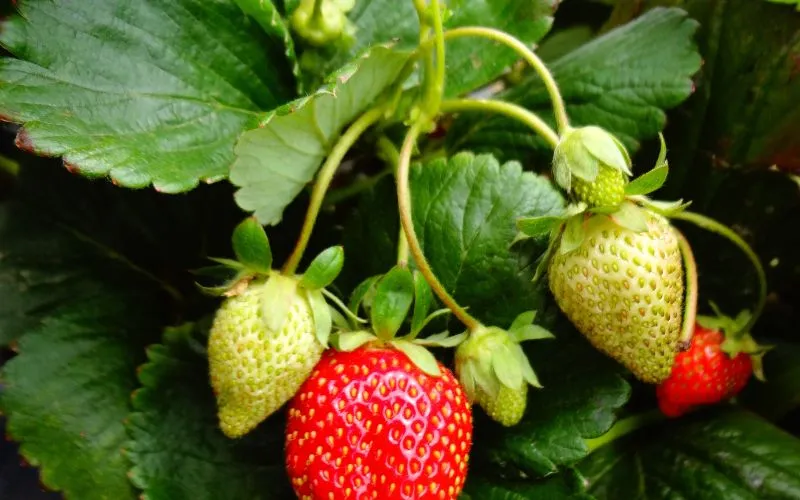
Edmonton’s earliest strawberries in April are usually greenhouse-grown or imported, with local field berries following in summer. Even now, they can bring a burst of sweetness and colour to your table.
Look for berries with a rich red colour from tip to stem and a strong, sweet aroma. Skip any with white or green patches, as they were picked too soon. Keep them dry in the fridge and eat within one to three days for the best flavour if you find yourself with extras, hull and freeze them on a baking sheet—perfect for smoothies later.
These berries shine in salads with spinach and almonds, as a topping for pancakes, or simply dipped in chocolate. They also make an easy, no-cook dessert tossed with a spoonful of sugar and left to macerate.
Early Apples
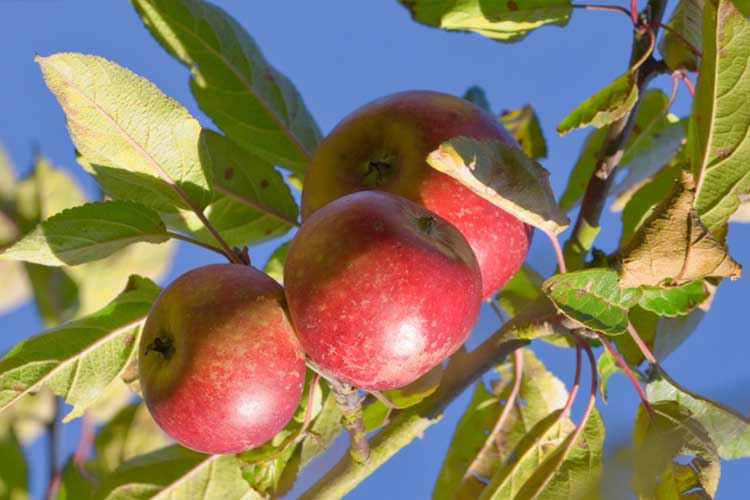
Thanks to cold storage, apples from the fall harvest can still taste crisp and fresh well into March and April. Edmonton markets often carry Ambrosia, Honeycrisp, McIntosh, and Spartan varieties at this time.
Choose apples that feel heavy for their size, with smooth, unblemished skin. Keep them in your fridge’s crisper drawer inside a perforated bag to retain moisture—they can last for weeks this way.
Enjoy them sliced with cheese, tossed into a spinach salad, or baked into muffins and crisps. Their steady sweetness makes them a reliable addition to spring meals when other fruits are just arriving.
Seasonal Vegetables in Detail
Asparagus
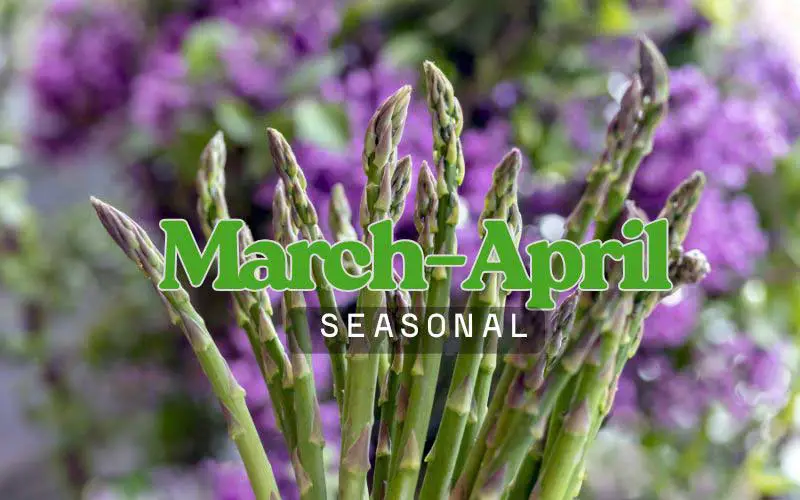
By late April, local asparagus begins showing up in Edmonton markets, with earlier bunches arriving from BC. The season is short, so it’s worth snapping up fresh bundles while you can.
Choose stalks that are firm with tightly closed tips. Any signs of shrivelling mean they’ve been sitting too long. To store, trim the ends and stand them upright in a jar with about an inch of water, loosely covered with plastic, then refrigerate.
Asparagus shines roasted with olive oil and salt, steamed with lemon, or grilled for smoky flavour. Pair with eggs, butter, or parmesan for simple, satisfying dishes.
Asian Greens & Bok Choy
Asian greens and bok choy bring tender leaves and crisp stalks to early spring meals. Their mild flavour makes them easy to add to many dishes.
Look for fresh, perky leaves without yellowing and stalks that feel firm. Keep them wrapped in a paper towel in the fridge crisper for up to five days.
These greens work beautifully in quick stir-fries, brothy soups, or lightly sautéed with garlic. Their high vitamin C and calcium content adds nutritional value alongside their fresh taste.
Kale & Swiss Chard
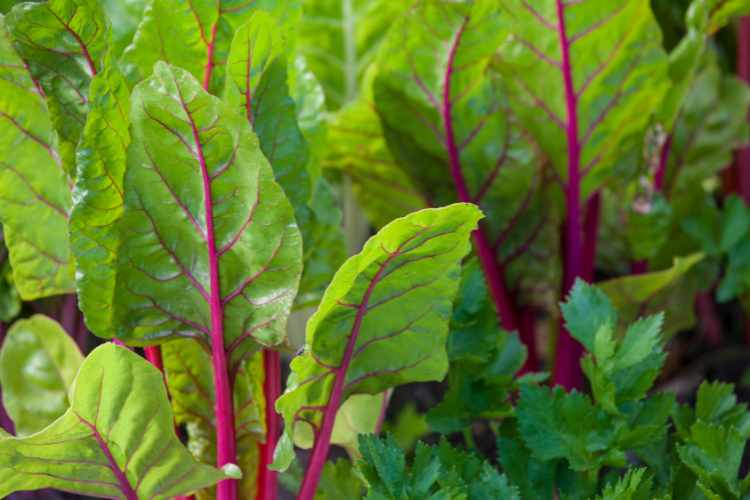
Kale and Swiss chard hold their own in early spring, bringing both sturdiness and flavour to the table.
Select bunches with crisp, deep-coloured leaves and no limp spots. Wrap in a paper towel and store in a loose plastic bag in the fridge, where they’ll last several days.
Use raw kale in salads, massaging it with olive oil to soften. Swiss chard’s tender stems and leaves are great for sautés, soups, or even as a bed for roasted vegetables.
Lettuce (Field)
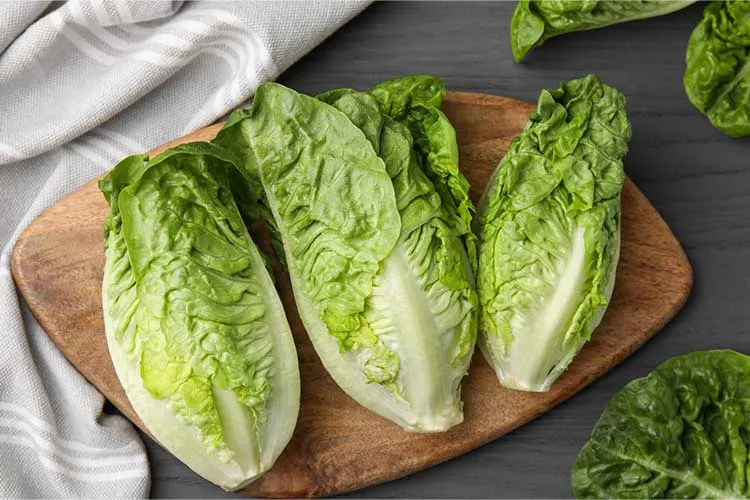
By late April, local field-grown lettuce makes its debut, offering tender, refreshing leaves for salads and wraps.
Pick heads with crisp, bright leaves and no signs of wilting. Store loosely in a bag with a paper towel to absorb excess moisture.
Butterhead, leaf, and romaine varieties all work well in spring salads or tucked into light sandwiches.
Mushrooms
Mushrooms from Alberta growers are especially fresh in early spring, adding earthy depth to meals year-round.
Choose firm mushrooms with smooth caps and dry—not slimy—surfaces. Store in a paper bag in the fridge to prevent moisture buildup.
White button, cremini, and portobello mushrooms roast beautifully, add richness to sauces, and work in everything from omelettes to pasta.
Peas (Green & Snow)
Early peas start appearing from imports, with local harvests beginning in late April. Their sweet crunch makes them a spring favourite.
Pick pods that are plump, brightly coloured, and snap easily. Keep in a perforated bag in the fridge for a few days.
Eat them raw as a snack, toss in stir-fries, or mix into pasta dishes for a fresh pop of flavour.
Radishes
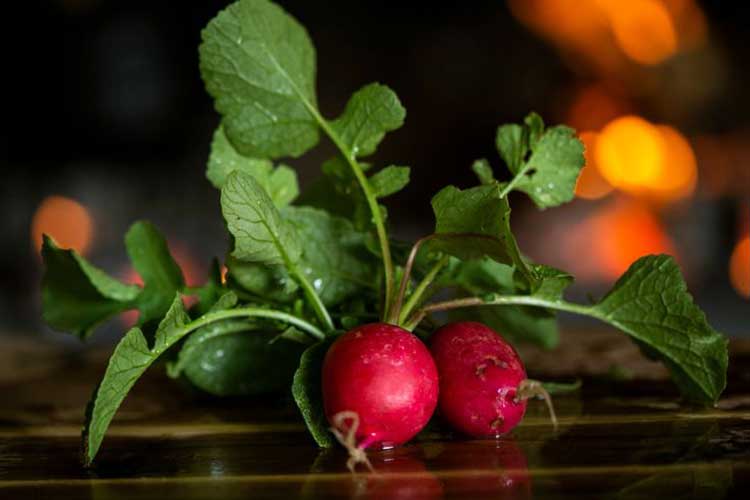
Radishes bring a crisp, peppery bite to spring meals.
Look for smooth, firm roots with fresh green tops still attached—store roots in the fridge and greens separately if you plan to use them.
Slice thin for salads, pickle for tangy toppings, or roast to mellow their spice.
Spinach & Leeks
Tender spring spinach is mild and perfect for fresh eating. Leeks add a gentle onion flavour that works well in both raw and cooked dishes.
Choose spinach with vibrant, perky leaves. For leeks, look for firm white stalks with bright green tops.
Spinach is ideal in salads or wilted into pasta. Leeks shine in soups, gratins, or roasted alongside chicken or fish.
Beets, Carrots, Cabbage, Cauliflower, Garlic
Stored from the fall harvest, these vegetables stay sweet and flavourful well into spring.
Select firm, heavy roots and tight, fresh-looking cabbage heads. Cauliflower should have creamy, compact florets, and garlic bulbs should be firm without soft spots.
Roast them together for a colourful side, shred into slaws, or simmer in hearty soups while waiting for summer crops to arrive.
Microgreens
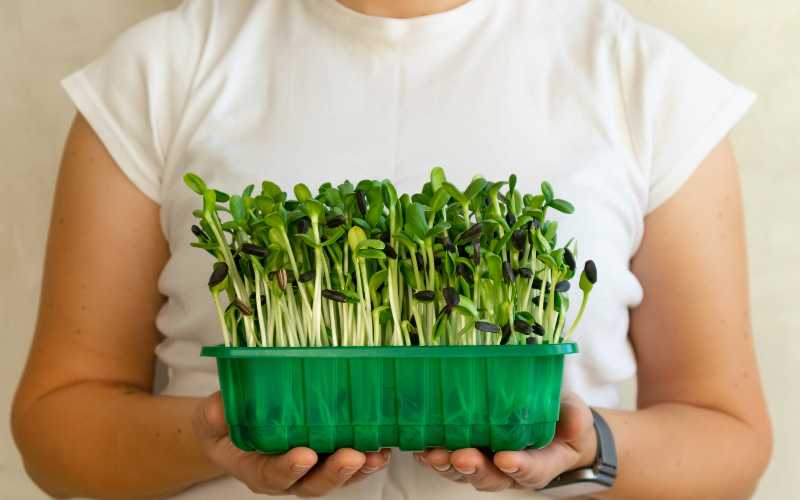
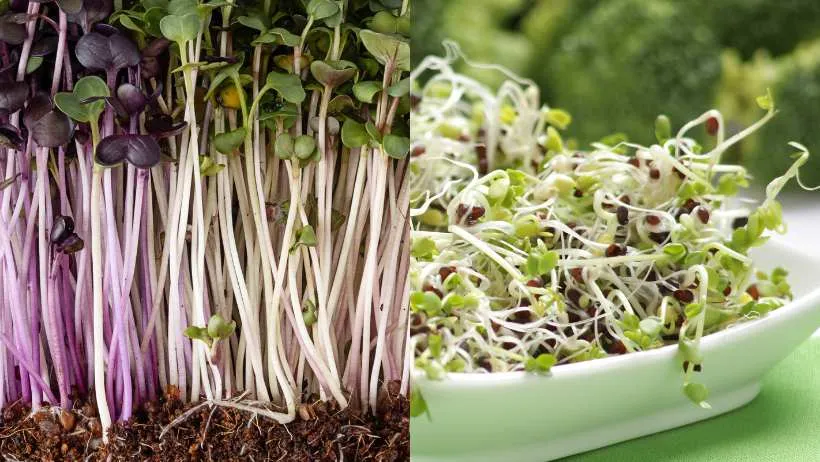
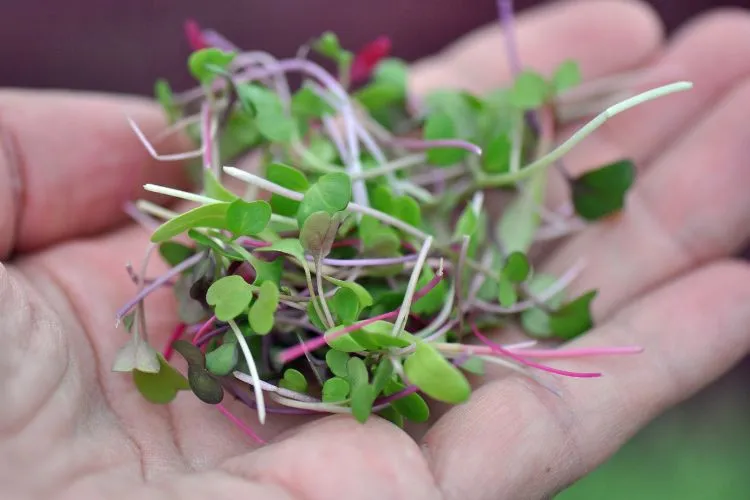
Microgreens are a spring-like burst of freshness you can enjoy all year in Edmonton. Because they’re grown indoors, they’re harvested at peak flavour and delivered to your door within 24 hours, meaning you get maximum crunch and nutrition.
Varieties like radish, kale, sunflower, red cabbage, broccoli, and pea shoots add a crisp texture and concentrated flavour to everything from sandwiches to soups. Store them in their original container or a breathable produce box in the fridge, and use within a week for the best taste.
They’re perfect for topping salads, folding into wraps, blending into smoothies, or scattering over roasted vegetables for a fresh finish.
Produce That’s Not Quite at Its Best Yet
Some vegetables need more warmth and sunshine before they truly shine. In the March and April season, produce like tomatoes, peppers, and cucumbers that are locally grown are still weeks away from harvest. What you’ll see now are greenhouse-grown or imported versions, which can be good stand-ins but may lack the rich flavour of peak-season crops.
If you do buy them, choose produce that feels heavy for its size, with vibrant colour and no soft spots. To coax out better taste, let tomatoes ripen at room temperature in a paper bag for a day or two. Roasting or grilling can also intensify the sweetness in both tomatoes and peppers. For cucumbers, a quick marinate in olive oil, vinegar, and herbs can boost their freshness.
Waiting until summer for local harvests pays off with richer flavours, but in the meantime, these off-season options still work well for salads, sandwiches, and light spring cooking.
How to Shop Smart for Edmonton’s Spring Produce
Shopping for fresh produce in season in April is part excitement, part timing. Edmonton’s spring season moves quickly, and the best flavours often appear for just a few weeks. Knowing where to go and what to ask can make all the difference.
Farmers’ markets are your best bet for truly fresh finds, especially as local crops start to come in. Vendors can tell you exactly when items were picked and whether they’re grown in fields, greenhouses, or brought in from other regions. Independent produce shops and specialty grocers often source from smaller farms, giving you an edge on freshness.
Go in with a flexible list. Weather can shift harvest dates by days or even weeks, so keeping an open mind means you’ll get the best of what’s available. Look for produce that feels firm, smells fresh, and shows no signs of wilting or damage. When possible, buy smaller amounts more often—spring vegetables and delicate greens don’t keep as long as hearty winter crops.
If you see short-season favourites like asparagus or rhubarb, pick them up right away. Prices can be a bit higher early in the season, but buying at peak freshness means you’ll get better flavour and less waste in the long run.
Storage & Preservation Tips
Fresh spring produce is often more delicate than winter’s storage crops, so a little care goes a long way in keeping it at its best. The goal is to slow moisture loss, prevent bruising, and, when possible, preserve the flavour for later.
For leafy greens like spinach, lettuce, and Asian greens, wrap them loosely in a paper towel to absorb excess moisture, then place them in a perforated bag in the fridge. Check every few days and replace the towel if it’s damp. Asparagus stays fresher if you trim the ends and stand the stalks in a jar with an inch of water, covered loosely with plastic. Mushrooms should be kept in a paper bag to prevent condensation.
If you want to hold onto spring’s flavours, rhubarb is easy to freeze—wash, chop, and store in freezer bags. Asparagus can be blanched for two to three minutes, cooled, and frozen for later use. Radishes and beets make excellent quick pickles; slice them thin, cover with a simple vinegar brine, and refrigerate for a crisp, tangy snack that lasts weeks.
Microgreens keep their freshness best when stored in a ventilated container in the fridge. Avoid sealing them completely, as trapped moisture can make them wilt faster. If condensation forms, lay a dry paper towel on top to absorb it.
Cooking Inspiration for the Season
Spring cooking in Edmonton is about celebrating freshness with simple, colourful plates. April in-season produce is light yet flavourful, perfect for meals that don’t need heavy sauces or long cooking times.
For breakfast, simmer chopped rhubarb with a little sugar until soft, then spoon over yogurt with crunchy granola. This sweet-tart topping also works on pancakes or waffles. Lunch can be as simple as a spinach salad topped with sliced strawberries, toasted almonds, and a drizzle of balsamic vinaigrette—fresh, bright, and ready in minutes. For dinner, grill asparagus with olive oil and lemon, serve alongside roasted beets, and pair with herbed chicken or fish.
For a fresh twist on your spring meals, sprinkle microgreens over rhubarb yogurt parfaits, add a handful to your spinach and strawberry salad, or use them to garnish grilled asparagus. Their concentrated flavour means a little goes a long way.
Mixing sweet and savoury keeps meals interesting. Try roasted carrots glazed with honey and thyme, or a radish and cucumber salad tossed with feta. Mushrooms sautéed with garlic can be added to pasta or spooned over toast for a quick snack. And don’t forget peas—toss them into pasta with mint and parmesan, or stir into a light risotto for a true taste of spring.
Related Seasonal Guides & Next Steps
If you enjoyed this, look at Edmonton’s May–June seasonal, or Edmonton’s spring in Season Produce; you’ll love our Early Summer Bounty guide, covering June’s explosion of fresh berries, herbs, and warm-weather vegetables. For ongoing updates on what’s in season, sign up for a local produce availability newsletter—many Edmonton markets and farm co-ops share weekly lists so you can plan your shopping around the freshest picks.
References:
myvivaplan.com – Alberta Seasonal Produce Guide: link
Sobeys.com – What’s in Season? Your Guide to Canadian Produce in the Western Provinces: link