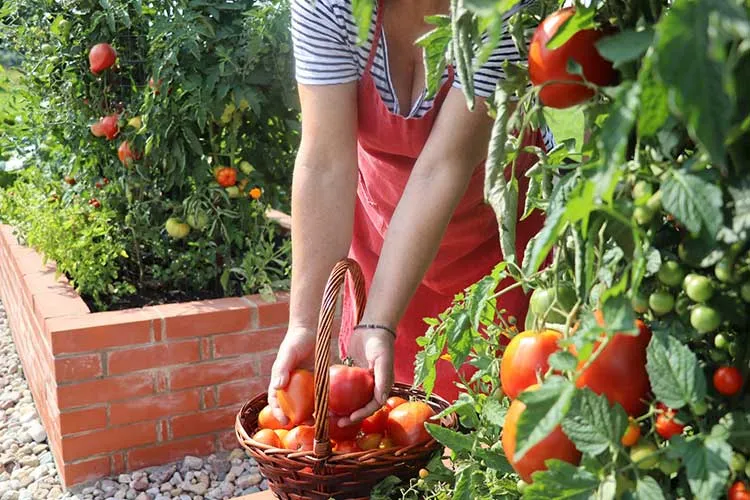
The shift from spring to early summer in Edmonton brings a big change to the market stalls. In May, you’ll still see plenty of leafy greens, but by June, in-season produce takes on brighter colours, sweeter flavours, and new textures. Longer days and cool nights work together to build flavour in everything from tender vegetables to early stone fruits.
The air carries the scent of strawberries, the first raspberries appear, and crisp cucumbers share the table with bundles of fresh peas. Local growers bring in just-picked lettuce and onions, while BC vendors tempt you with cherries and apricots.
This guide walks you through what’s fresh right now, covering fruits, vegetables, buying tips, storage ideas, and easy seasonal cooking inspiration so you can enjoy every bite while it’s at its peak.
Quick Reference: Fruits & Vegetables in Season Now
Shopping early summer markets in Edmonton is a feast for the eyes and the basket. You’ll find both local and just-arrived-from-BC produce, each at its best for flavour and freshness. Having a quick list on hand makes it easier to spot peak produce and plan your meals around it.
Fruits
- Strawberries – field and greenhouse grown
- Raspberries
- Rhubarb
- Blueberries – imported but fresh-season supply
- Cherries – from BC
- Apricots – from BC and imports
Vegetables
- Beans – green, yellow
- Corn – early from BC or southern provinces
- Cucumbers – field grown
- Lettuce – butterhead, romaine, leaf
- Peas – green & snow
- Zucchini
- Summer squash
- Tomatoes – field and greenhouse
- Fennel
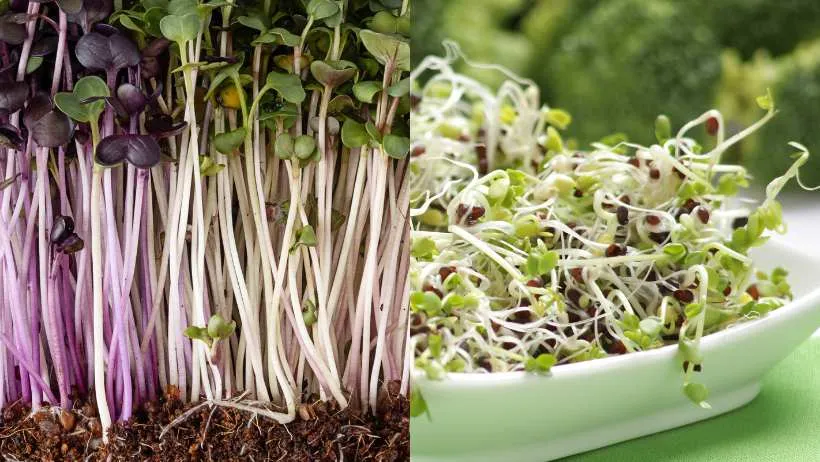
- Microgreens – fresh, tender varieties from local growers
- Onions – green & bulb
- Potatoes – new potatoes
- Rapini
- Radishes
- Swiss chard
Seasonal Fruits in Detail
Early summer in Edmonton means fruit baskets start filling with both local favourites and fresh shipments from warmer regions. Cool nights slow ripening just enough to concentrate sweetness, while long days give fruit more time to develop flavour. Knowing what’s best now—and how to pick and store it—helps you enjoy each variety at its peak.
Strawberries
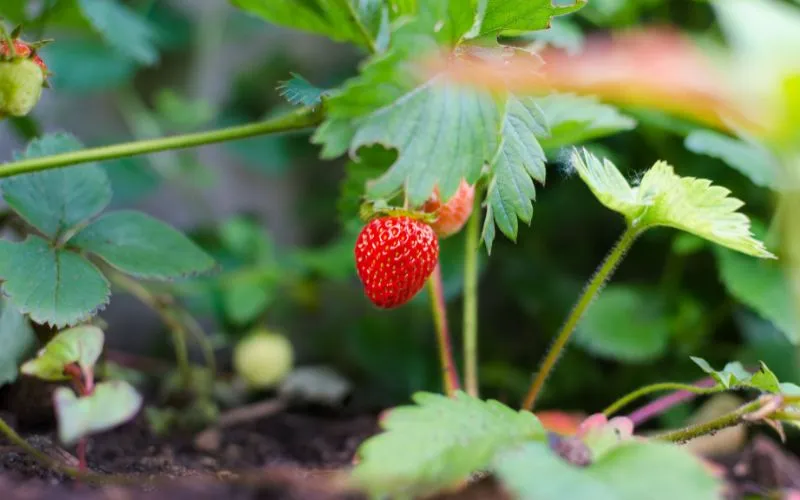
From late May into June, field-grown strawberries bring sweet fragrance and vibrant colour to market tables. Choose berries that are fully red from tip to stem, avoiding pale shoulders or bruising. Store them unwashed in a breathable container in the fridge and use within two to three days for the best flavour.
Enjoy fresh with yogurt, whipped cream, or shortcake, slice into spinach salads with balsamic dressing, or cook down into a quick jam. For longer storage, freeze whole berries on a tray before bagging—their concentrated sweetness pairs beautifully with rhubarb in pies or as a topping for morning toast.
Raspberries
Local raspberries peak in June, offering a delicate, sweet-tart flavour. Look for berries that are plump, evenly coloured, and free from mold or soft spots. Handle them gently—they bruise easily—and store in a single layer in the fridge. Freeze on a tray to preserve shape and taste for winter baking.
Raspberries shine in breakfast parfaits layered with yogurt and granola, pureed into a coulis for desserts, or scattered fresh over cakes. They also make refreshing salad accents alongside goat cheese and greens. Their bright flavour balances rich or creamy dishes, making them an easy favourite in both sweet and savoury menus.
Rhubarb
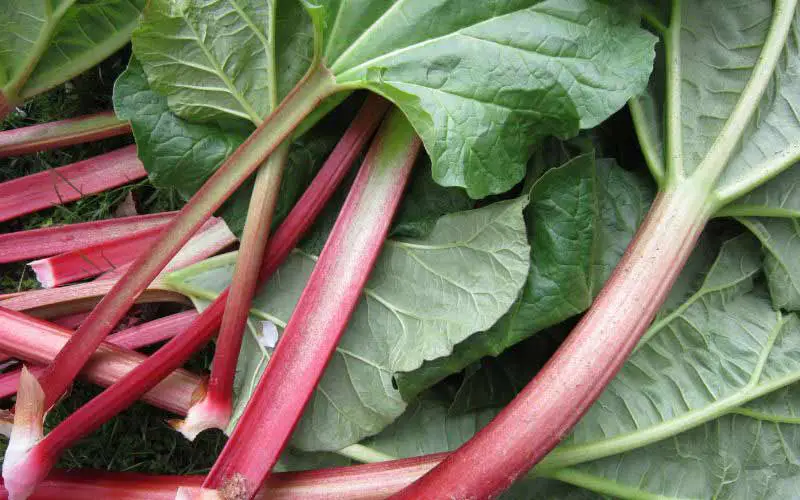
Still plentiful in early summer, rhubarb offers a tangy bite that pairs naturally with sweeter fruits. Stalks should be firm, brightly coloured, and free from blemishes. Store them in the fridge wrapped in a damp cloth to prevent drying out. Chop rhubarb into pies and crisps with strawberries or raspberries for balance, or stew gently with honey for a softer, mellower taste.
Try roasting stalks with sugar and orange zest to bring out deeper caramel notes. Rhubarb chutney pairs well with grilled pork or chicken. Its bright acidity also cuts through creamy desserts, making it an excellent topping for cheesecake.
Blueberries
While Edmonton’s blueberry season is later, early summer brings fresh BC and imported berries with far better flavour than winter stock. Look for berries that are firm, dry, and covered with a silvery bloom—a natural protective coating. Store unwashed in the fridge, rinsing only before eating.
Blueberries are versatile: stir into muffin batter, sprinkle over cereal, or blend into smoothies. For salads, toss with baby greens, nuts, and soft cheese for a sweet-savoury mix. They freeze exceptionally well, making them perfect for year-round pancakes and sauces—their mild sweetness and hint of tartness work in both desserts and savoury dishes.
Cherries
Mid-June marks the arrival of BC cherries—plump, glossy, and bursting with juice. Sweet varieties like Bing are ideal for snacking, while tart types such as Montmorency excel in pies and preserves. Choose cherries with firm flesh and fresh green stems. Store in the fridge and wash only before eating to prevent spoilage.
Eat them chilled, toss them into fruit salads, or roast with a drizzle of honey for a rich dessert topping. Pitted cherries can be frozen for later baking. They also complement savoury dishes—try pairing roasted cherries with duck, pork, or soft cheeses for a memorable flavour combination.
Apricots
Late June brings BC apricots, with their soft, velvety skin and honeyed aroma. Select fruit that yields slightly to gentle pressure and has a warm, golden-orange colour. Let underripe apricots sit at room temperature until fragrant before refrigerating. Enjoy fresh as a snack, slice into salads, or grill halves to caramelize their sugars.
Apricots make excellent jams and chutneys, pairing well with almonds, vanilla, and warm spices. They also work beautifully in tarts and cobblers. Their bright sweetness and slight tang complement savoury dishes—add chopped apricots to couscous with herbs, or serve alongside grilled chicken or lamb for a summery touch.
Seasonal Vegetables in Detail
By early summer, Edmonton markets overflow with vegetables in every shade of green, gold, and red. Some are picked the same morning from local fields, while others arrive from BC growers to fill the early gaps. The mix of crisp textures, mild sweetness, and earthy flavours makes it easy to plan fresh meals that feel both comforting and refreshing.
Beans
Green and yellow beans make their first appearance in June, promising a snap of freshness with each bite. Choose smooth, firm pods that break cleanly when bent. Steam lightly to preserve their bright colour, toss with butter and fresh herbs, or sauté with garlic for a deeper flavour. Blanch them before chilling for salads, where vinaigrettes cling to their surface.
To capture summer’s taste for later, blanch and freeze—they keep their texture and flavour well. Beans pair easily with grilled meats, roasted potatoes, or chilled seafood, making them one of the most versatile vegetables of the season.
Corn
Early BC corn arrives in June with tender kernels and sweet juice that bursts when bitten. Look for bright green husks, moist golden silk, and kernels plump to the tip. Eat as soon as possible after buying, as sugars turn to starch quickly. Boil for just a few minutes, grill for smoky char, or cut kernels from the cob to add to salads and salsas.
Leftover cooked corn can be folded into chowders, stirred into muffins, or shaped into fritters. Even a simple pat of butter and a sprinkle of herbs can turn fresh corn into a memorable summer treat.
Cucumbers (Field)
Field cucumbers bring cool crunch to early summer meals. Look for firm, smooth skin without soft spots or yellowing. Wrap and refrigerate to keep them from drying out, but try to enjoy them within a few days. Slice into sandwiches, toss into vinegar-based salads, or transform into quick refrigerator pickles—their mild flavour pairs well with dill, mint, or lemon juice.
For something different, blend cucumber with yogurt, garlic, and herbs for a chilled soup or refreshing dip. They also shine alongside ripe tomatoes, feta, and olive oil in a no-cook salad that’s perfect for warm evenings.
Lettuce
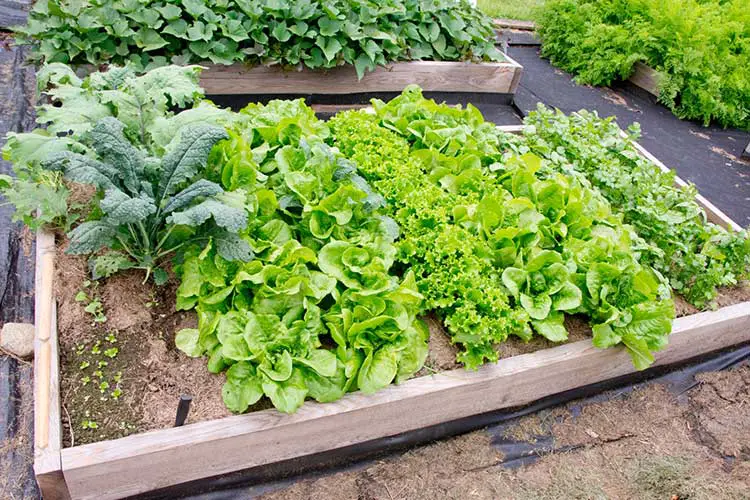
Romaine, butterhead, and loose-leaf lettuces are tender and flavourful this time of year. Choose heads that are crisp and vibrant, without wilting or browning edges. Store loosely wrapped in a towel or paper inside a bag to maintain freshness. Tear leaves rather than cutting to preserve texture.
While lettuce is a salad favourite, it also makes a great wrap for grilled chicken, shrimp, or roasted vegetables. Toss with seasonal berries and toasted nuts for a sweet-savory mix, or layer into burgers and sandwiches for a refreshing crunch against warm fillings.
Peas
Green and snow peas are sweet, crisp, and equally delicious raw or lightly cooked. Look for plump pods with bright green colour and smooth skin. Enjoy green peas tossed with butter and mint, or sprinkle raw snow peas into salads for extra crunch.
They’re excellent in stir-fries and pair beautifully with sesame oil and soy sauce. Store them in a breathable bag in the fridge and use them soon after buying. Blanch and freeze for later use so that you can enjoy that burst of summer sweetness well past June.
Zucchini & Summer Squash
Early summer zucchini and squash are tender with a mild, almost buttery flavour. Smaller ones are more delicate, with thinner skins and fewer seeds. Slice lengthwise and grill for smoky char, sauté with olive oil and garlic for a quick side, or grate into batters for moist, quick breads. They soak up sauces well, making them perfect for pasta dishes or ratatouille.
Overgrown zucchini can be hollowed, stuffed with grains or meats, and baked for a hearty main dish. Store in the fridge’s crisper drawer, and use within a week for the best taste and texture.
Tomatoes
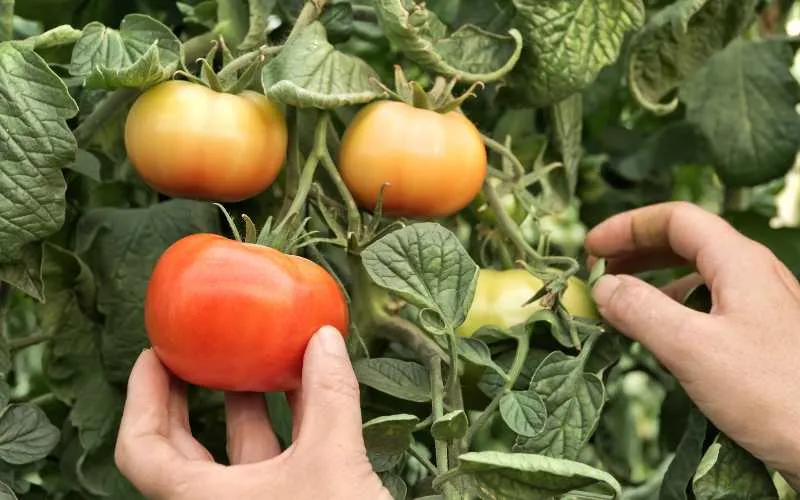
Field tomatoes arrive in late June, with greenhouse varieties ready earlier. Choose tomatoes with rich colour, a fragrant aroma, and smooth skin. Let field tomatoes ripen fully at room temperature before chilling to preserve flavour—slice for sandwiches, dice into fresh salsas, or roast with olive oil and herbs for depth.
Cherry tomatoes are perfect tossed into pasta or skewered for grilling. For a quick burst of summer, halve and pan-roast until they blister—ideal for topping bruschetta or adding to grain salads.
Fennel
Fennel’s pale bulb and feathery fronds bring a light licorice note that’s crisp raw and sweet when cooked. Pick bulbs that are firm, white, and free from browning, with fresh green tops. Slice thinly for salads with citrus, roast to caramelize sugars, or braise with white wine for tenderness. Use fronds as an herb garnish over fish, soups, or roasted potatoes.
Its fresh, anise-like taste pairs beautifully with seafood, pork, and chicken, adding a distinctive twist to both raw and cooked dishes.
Onions (Green & Bulb)
Early-season onions are mild and versatile. Green onions have crisp stalks with a subtle peppery bite, while young bulb onions are sweet and tender. Use them fresh in salads, salsas, or as a garnish for grilled meats. They roast well, bringing out their natural sugars. Store green onions in the fridge wrapped in a damp towel; keep bulb onions in a cool, dark place. Add them to soups, stir-fries, or omelets for gentle depth without overpowering other flavours.
Potatoes
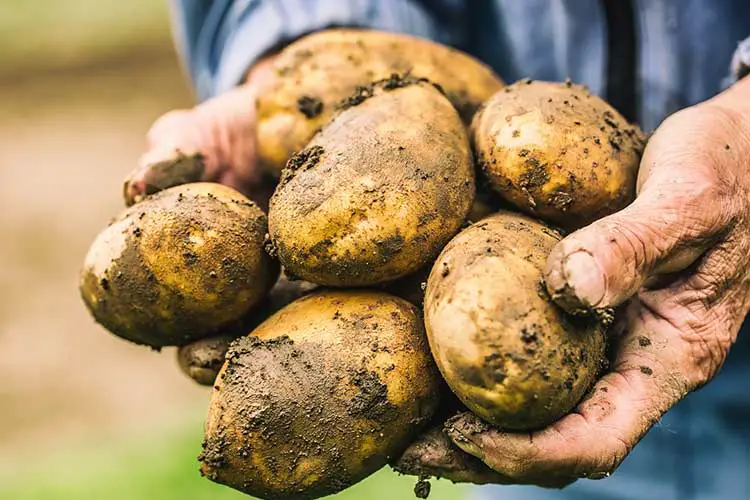
New potatoes have paper-thin skins and creamy flesh that cooks quickly. Look for smooth, blemish-free tubers and avoid washing until ready to use. Roast with rosemary and garlic, boil for potato salads, or smash and crisp in a hot pan for golden edges. Warm potatoes soak up vinaigrettes beautifully, making them perfect for salads with fresh herbs. Store in a cool, dark spot and enjoy soon after buying to keep their natural sweetness and soft texture.
Rapini & Radishes
Rapini offers a bold, slightly bitter taste that softens when cooked with garlic and olive oil. Steam lightly before sautéing to keep its colour bright. Radishes are crisp and peppery raw but mellow and sweet when roasted. Slice thin for colourful salad garnishes, pickle for a tangy crunch, or roast alongside meats for a warm side. Both vegetables bring a lively punch of flavour and colour to early summer plates.
Swiss Chard
Swiss chard’s colourful stems and dark leaves make it a market standout. Rich in vitamins K, A, and C, it works well sautéed with garlic, added to soups, or folded into pasta. Slice stems thin for crunch in stir-fries or pickle them for later.
Store loosely wrapped in the fridge and use within a few days for the best texture. Chard pairs beautifully with lemon, toasted nuts, and creamy cheeses, which balance its earthy undertones and make it shine in simple, fresh dishes.
Microgreens
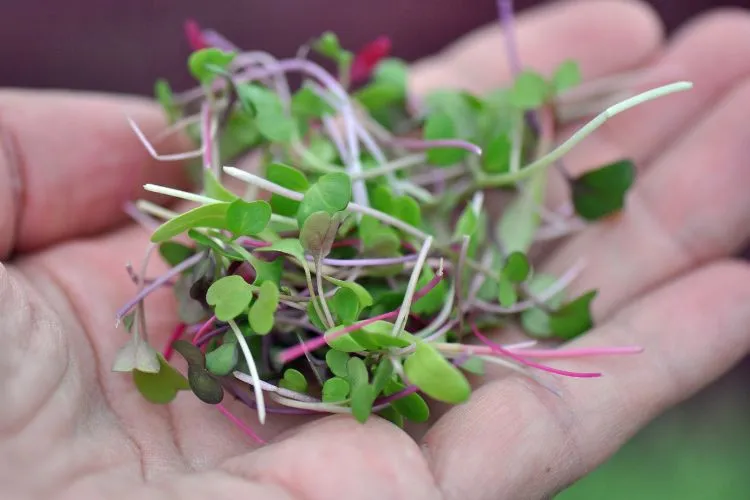
These young, tender greens pack concentrated flavour and nutrients. Use them as salad toppers, in sandwiches, or sprinkled over warm dishes just before serving.
Produce That’s Not Quite at Its Best Yet
Some warm-weather crops need more heat than Edmonton’s early summer offers. You’ll still see them at markets, but the best local versions won’t arrive until later in the season. For now, greenhouse or imported options will give you better flavour and texture.
Melons, peppers, and eggplants are the main holdouts. Local melons need the steady warmth of midsummer to build sweetness, while peppers and eggplants ripen fully only in late July or August. Imported varieties fill the gap and can still taste great with the right preparation. To coax more flavour from early or imported produce, try grilling to caramelize sugars, roasting to intensify taste, or marinating to add brightness and seasoning.
How to Shop Smart for Edmonton’s Early Summer Produce
Early summer markets can be busy, and the best produce in season often sells out fast. A little planning helps you get the freshest picks while supporting local growers. Think about your meals for the week, but leave room for those irresistible market finds.
Visit farmers’ markets early in the day to grab the sweetest berries and crisp greens before they’re gone. For bulk buys—like flats of strawberries for jam—check the peak harvest weeks and pre-order if possible. Bring a cooler bag with ice packs if you’re shopping for delicate items such as lettuce, berries, or microgreens, especially on warm days.
Support BC fruit vendors for cherries, apricots, and blueberries, which arrive in excellent condition during this period. When buying vegetables, look for bright colour, firm texture, and no signs of wilting. If you spot something unusual—like a new variety of pea or heirloom tomato—ask the grower about its flavour and best uses. Those small tips can help you turn fresh finds into your next favourite dish.
Storage & Preservation Tips
Fresh produce holds its best flavour for only a short time, so quick and proper storage makes a big difference. Handling each fruit or vegetable with its needs in mind helps you stretch the season a little longer.
Flash-freeze berries by spreading them on a baking sheet until solid, then transfer to freezer bags for easy use in smoothies and baking. Blanch beans, peas, and corn before freezing to keep colour and texture. Store lettuce loosely wrapped in a clean towel or paper towels inside a container or bag to prevent bruising and excess moisture.
Keep cucumbers and zucchini in the fridge’s crisper drawer, wrapped to avoid dehydration. Microgreens should be stored in a breathable container with a paper towel to absorb moisture, and eaten within a few days for peak flavour. Potatoes and onions last longer in a cool, dark place away from direct sunlight. With just a few steps, you can keep early summer’s freshness on your table well past market day.
Cooking Inspiration for the Season
Early summer produce is full of colour and variety, making it easy to mix fresh flavours into every meal. The combination of sweet fruits, tender vegetables, and vibrant greens gives you endless options for quick dishes or relaxed weekend cooking.
For breakfast, try a yogurt bowl topped with strawberries, raspberries, a drizzle of honey, and a handful of microgreens for a peppery kick. Lunch can be a corn and bean salad tossed with lime vinaigrette, served alongside crusty bread. Dinner might feature grilled salmon with a fennel slaw and roasted new potatoes, or zucchini ribbons sautéed with garlic and olive oil.
Mixing fruits into savoury dishes keeps menus interesting. Add blueberries to a spinach and goat cheese salad, roast cherries with chicken, or stir apricot slices into couscous with herbs. Microgreens make an easy garnish for nearly any dish, adding both flavour and a fresh visual touch. Let the season’s produce guide you—simple preparations often let the best flavours shine.
Related Seasonal Guides & Next Steps
If you’re eager to see what comes after early summer, check out the Summer Peak guide for Edmonton’s July–August produce or the Edmonton’s March–April in Season Guide. You can also join our mailing list to get weekly updates on what’s fresh at local markets, including microgreen availability, peak harvest alerts, and storage tips. Staying connected makes it easier to plan meals around the best produce of the season, especially during June in season harvests.
References:
myvivaplan.com – Alberta Seasonal Produce Guide: link
Sobeys.com – What’s in Season? Your Guide to Canadian Produce in the Western Provinces: link