Ever brought home fresh baby leaf lettuce, only to see it wilt and spoil within days? Knowing how to store baby leaf lettuce can make all the difference, ensuring it stays crisp and vibrant for your salads and meals. From choosing the freshest bunch to mastering storage techniques, we’ll cover everything you need to keep your greens fresh longer. Say goodbye to soggy leaves and wasted lettuce—discover simple steps that help preserve flavor, nutrients, and that satisfying crunch. Let’s dive into the secrets of keeping baby leaf lettuce at its best!
Start with the Freshest Produce
Starting with the freshest bunch sets the tone for longer storage and better meals when it comes to baby leaf lettuce. Fresh lettuce tastes better and retains its nutrients and crunch for longer. Whether you’re grabbing a bag at the grocery store or hand-picking leaves at the farmer’s market, knowing what to look for is key.
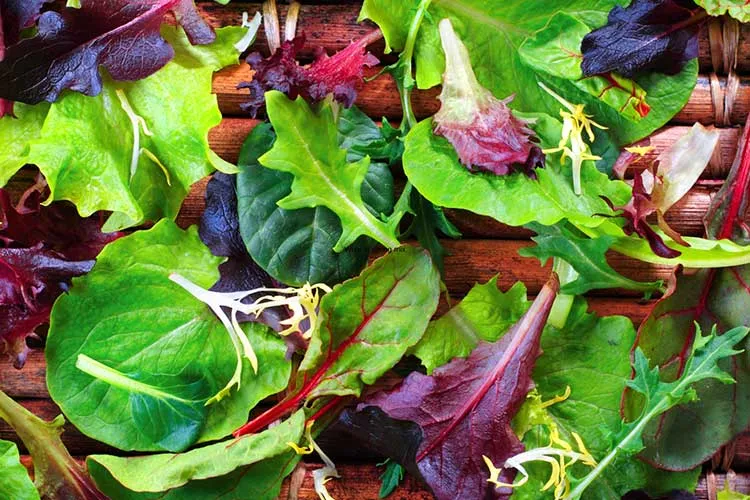
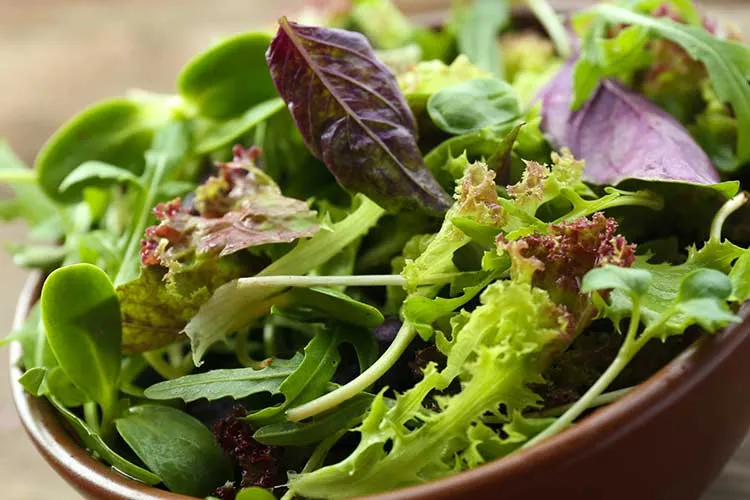
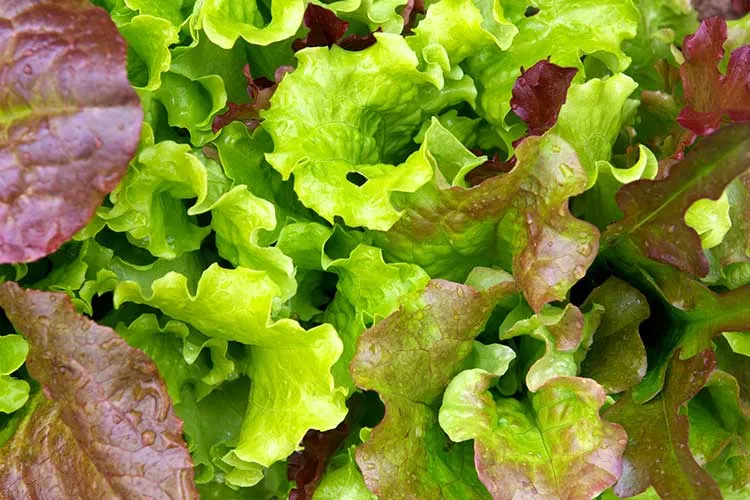
Fresh baby leaf lettuce has a crisp, lively appearance. The leaves should feel firm and not wilted or soggy. Check the color: vibrant green or red hues with no brown or yellow spots are signs of freshness. Avoid lettuce that looks limp or has edges starting to fray—these are telltale signs that it’s past its prime.
Don’t be shy about asking questions if you’re shopping at a farmer’s market. Vendors often know when their produce was harvested. Fresher baby leafe lettuce might still have a bit of soil clinging to it, which is a great indicator it hasn’t been handled too much. Choose packages that feel cool at the grocery store and have minimal condensation inside.
Lastly, trust your senses. If it smells fresh and earthy without any hint of sourness, it’s ready to enter your kitchen.
How to Store Baby Leaf Lettuce Properly
The Perfect Place for Baby Leaf Lettuce
The crisper drawer in your refrigerator is designed to keep produce like baby leaf lettuce fresh and crisp. This special compartment maintains higher humidity levels, which is key to preserving the delicate texture of leafy greens. To get the most out of your crisper, start by setting the humidity control slider to high. This creates an environment that prevents wilting while allowing for a small amount of airflow to avoid excess moisture buildup.
Before placing the lettuce in the drawer, ensure it’s dry but not bone-dry. Any lingering water droplets can encourage spoilage. For unbagged lettuce, a breathable container like a salad spinner or a loosely closed plastic bag works wonders. If you bought pre-packaged lettuce, check for any tears in the bag, as damaged packaging can compromise freshness. Consider transferring it to a resealable plastic bag or container for better longevity.
It’s also a good habit to keep the crisper drawer clean. Residual dirt or old produce fragments can introduce bacteria, hastening spoilage. Give the drawer a quick wipe-down before storing your lettuce. Once you’ve set everything up, check the lettuce periodically and remove any leaves that start to wilt—they can speed up decay in the rest of the bunch. To learn the best techniques for preparing your lettuce before storage, visit How to Wash Lettuce.
Pack in Paper Towels
Using paper towels to store baby leaf lettuce is a simple and effective way to maintain optimal moisture levels and keep the greens fresh longer. If the lettuce is damp, start by gently patting it dry—excess water is a common culprit for early spoilage. Once the leaves are dry, lay a clean paper towel on your countertop and spread the lettuce out in a single layer.
Roll the paper towel around the leaves, creating a loose bundle. This technique allows the paper towel to absorb excess moisture while still providing a slightly humid environment that keeps the leaves crisp. After rolling, place the bundle in a resealable plastic bag or an airtight container, leaving a small corner open for airflow.
For bagged lettuce, slip a fresh paper towel inside the bag. It absorbs extra condensation just as effectively, especially if the original packaging doesn’t breathe well. Remember to replace the paper towel every couple of days, as it can get soggy and lose its effectiveness.
Keep It Moist (But Not Wet)
Striking the right balance between moisture and dryness is crucial for keeping baby leaf lettuce fresh. Too much moisture can cause the leaves to turn slimy, while too little can leave them wilted and lifeless. The goal is to maintain a gentle humidity level that mimics a natural environment without overdoing it.
After washing your lettuce, dry it thoroughly. Use a salad spinner or pat it gently with a clean kitchen towel. If the lettuce seems parched, a light mist of water on slightly dry leaves can help maintain the right humidity.
When storing, pair the lettuce with a breathable container or bag and include a layer of paper towels as an extra safeguard against excess water. Avoid sealing the container completely airtight—this traps condensation, which can lead to a soggy mess. Instead, leave a small opening for airflow or poke a few tiny holes in the bag.
Check your stored lettuce regularly. If you notice water pooling at the bottom of the container or paper towels that are too wet, swap them out to prevent spoilage. By monitoring moisture levels, you’ll enjoy crisp, fresh greens for days.
How to Revive Wilted Lettuce
Wilted baby leaf lettuce doesn’t always have to be tossed. With a few simple steps, you can often bring it back to life and enjoy its crispness again. The most effective method is soaking the leaves in ice water. Fill a large bowl with cold water and add a handful of ice cubes. Submerge the wilted lettuce completely, ensuring the leaves are fully covered. Let them soak for about 15–30 minutes, checking periodically. The cold water helps rehydrate the cells, restoring their firmness and vibrancy.
For severely wilted lettuce, try trimming the stems or leaf ends before soaking. Cutting away dried-out portions allows the lettuce to absorb water more effectively. Once revived, drain the lettuce and pat it dry using a clean towel or salad spinner before storing or using it.
It’s important to know when lettuce is beyond saving. Leaves that are slimy, have an unpleasant odor, or show signs of decay (like dark spots or mushiness) should be discarded. These indicate spoilage rather than simple dehydration.
With this approach, you can rescue slightly tired greens and reduce food waste, making the most of your produce.
Alternative Storage Options
Freezing Lettuce: A Last Resort
Freezing baby leaf lettuce isn’t ideal for fresh salads, but it can work well if you plan to use the greens in cooked dishes, smoothies, or soups. Freezing alters the texture of lettuce, making it limp, but the flavor remains intact.
To prepare lettuce for freezing, wash and thoroughly dry the leaves. Moisture can cause ice crystals to form, which may lead to freezer burn. Once dry, spread the leaves in a single layer on a baking sheet lined with parchment paper. Place the tray in the freezer until the lettuce is frozen solid—this quick-freezing method prevents clumping. Afterward, transfer the frozen leaves to an airtight container or freezer bag, removing as much air as possible before sealing.
For optimal flavor, freeze-dried baby leaf lettuce should be used within one to two months. Toss it into stews, sautés, or smoothies for added nutrients. However, remember that it won’t regain its crisp texture, so it’s unsuitable for raw dishes.
Freezing may not be the first choice, but it’s a great way to prevent greens from going to waste when you know you won’t be able to finish them in time.
Steps to Keep Baby Leaf Lettuce Crisp
Keeping baby leaf lettuce crisp starts with proper care from the moment you bring it home. Here’s a step-by-step guide to help you enjoy your greens at their crunchiest:
Step 1: Wash and Dry Thoroughly
If your lettuce isn’t pre-washed, rinse it gently in cool water to remove dirt or debris. Then, use a salad spinner to dry the leaves thoroughly, or pat them dry with a clean kitchen towel. Excess moisture is a leading cause of wilting, so remove any water droplets.
Step 2: Store with a Paper Towel
Line an airtight container or a resealable plastic bag with a dry paper towel. Place the lettuce on top and cover with another paper towel before sealing. This setup absorbs excess moisture and maintains a balanced level of humidity.
Step 3: Use the Crisper Drawer
Place the container or bag in your refrigerator’s crisper drawer. Set the drawer’s humidity level to high, which is ideal for leafy greens. Avoid storing lettuce near ethylene-producing fruits like apples or bananas, as they can speed up spoilage.
Step 4: Check Regularly
Inspect your lettuce every couple of days. Replace soggy paper towels, and remove any leves showing wilting or spoilage. This helps prevent the will half the batch from deteriorating.
FAQ
Should baby leaf lettuce be washed before eating?
Washing is a smart step to ensure your lettuce is clean and free from dirt or bacteria, even if the package says “pre-washed.” A gentle rinse under cool water and thorough drying keeps your lettuce fresh and ready for your next dish.
How do you store baby leaf lettuce to keep it fresh?
The crisper drawer is the best place for lettuce. Wrap the leaves in a paper towel and store them in a breathable bag or container. Check moisture levels regularly and replace any soggy towels to maintain freshness.
Why does baby leaf lettuce wilt quickly?
Wilting happens when lettuce loses moisture or is exposed to too much ethylene gas from nearby fruits. Proper storage with controlled humidity and minimal contact with water helps combat this issue.
Can baby leaf lettuce be frozen for later use?
Freezing lettuce works for cooking or blending purposes but not for salads. Wash, dry, and freeze the leaves in a single layer before transferring them to an airtight container for best results.
Why doesn’t baby leaf lettuce stay fresh long?
Baby leaf lettuce is delicate and perishes quickly if exposed to excess moisture, improper airflow, or ethylene gas. Storing it in a controlled environment with proper care helps extend its lifespan.