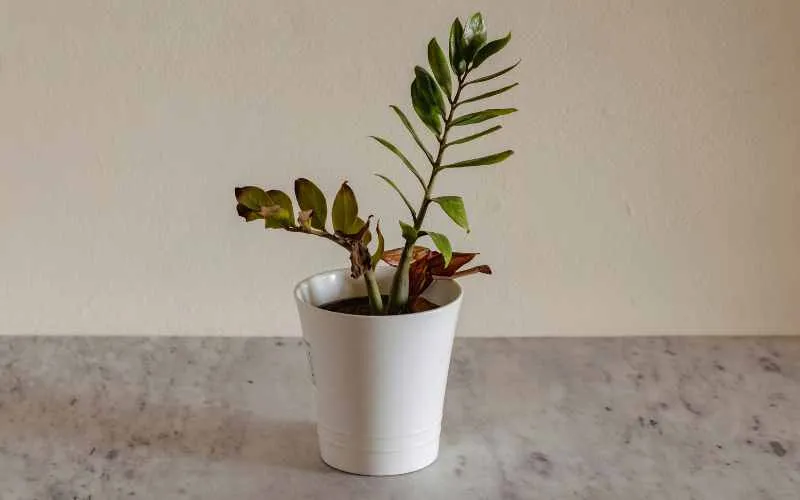
Houseplants don’t just “die.” They suffer first. Yellowing leaves, drooping stems, brown tips—these are distress signals. If you ignore them, your plant will reach a point of no return. The biggest killers? Overwatering, poor drainage, and the wrong soil. Even low-light plants can get too much or too little light, and environmental stress can silently weaken them.
Think your plant is safe? Tap water chemicals, dry air, or an unnoticed pest infestation might already be causing damage. Every dying plant has a cause, and if you don’t act fast, yours won’t make it. The good news? You can still save it—if you fix the problem now. Here’s what’s killing your plant and exactly how to stop it.
Why Is Your Low-Light Indoor Plant Dying?
You bought a low-light indoor plant, expecting it to thrive with minimal effort. But now, its leaves are yellowing, wilting, or falling off completely. You’ve tried moving it around, watering more, watering less—yet nothing seems to work. The frustration is growing, and so is the fear that your plant is beyond saving. The truth is, low-light plants are not as low-maintenance as they seem.
Many well-meaning plant owners make small but deadly mistakes without realizing it. Too much water, the wrong pot, poor soil, or even an unnoticed pest infestation could kill your plant. Before you give up, let’s go through the most common reasons indoor plants fail and what you can do to bring yours back to life.
Your Plant Die Even Though You Are Watering It
Watering mistakes are one of the biggest reasons low-light indoor plants struggle. Since these plants don’t get much sun, they don’t dry out as quickly as others. That makes it easy to overwater—or, in some cases, underwater—without realizing it. If your plant’s leaves are turning yellow, brown, or drooping, chances are your watering routine is the problem.
Too Much Water (You’re Overwatering)
Overwatering suffocates roots, causing them to rot. When soil stays wet for too long, the roots lose access to oxygen and break down. You might notice mushy stems, a foul smell, or fungus growing on the soil. Wilting leaves may trick you into thinking the plant needs more water, but adding more will only worsen things. The best way to check? Stick your finger about an inch into the soil. If it’s still wet, hold off on watering.
Too Little Water (You’re Underwatering)
On the other hand, if your plant’s leaves are crispy, curled, or dry at the edges, you might not be watering enough. Even low-light plants need consistent moisture. If the soil is pulling away from the sides of the pot or feels bone-dry, your plant is thirsty. When watering, ensure the water reaches the roots instead of just wetting the surface.
The Most Common Solution to ‘Why Is My Plant Dying’ Is Changing Your
Watering Pattern
The key is balance. Water only when the top inch of soil feels dry before the plant starts showing distress. Use a pot with drainage holes to prevent standing water, and always dump excess water from saucers. If you’re unsure, waterless rather than more—it’s easier to revive a thirsty plant than one suffering from root rot.
Soil and Container Problems
Even if you’re watering correctly, the wrong soil or pot can cause your plant to struggle. Poor drainage, incorrect container size, or low-quality soil can all lead to root stress, suffocation, and nutrient deficiencies. If your plant looks unhealthy despite proper watering, check what it’s growing in.
Poor Drainage In Potted Plant
Plants grown in low light don’t dry out quickly, so roots can stay wet for too long if water isn’t draining properly. Without enough oxygen, they start to rot. A container without drainage holes traps excess water, making the problem worse. If your soil feels constantly damp, try switching to a well-draining potting mix and using a pot with drainage holes.
Your Plant Is in the Wrong Container (Too Small or Too Big)
A pot that’s too small restricts root growth, leading to a root-bound plant that can’t take in nutrients or moisture properly. On the other hand, a pot that’s too big holds more soil than the plant needs, causing it to retain too much water. The right pot should be slightly larger than the root ball, allowing steady growth without excess moisture retention.
You’re Using the Wrong Type of Soil
Regular garden soil is too dense for potted plants, preventing airflow and holding too much moisture. Low-light plants thrive in a mix that drains well while still retaining some moisture. A blend with peat, perlite, or orchid bark helps maintain the right balance. If water sits on top of the soil without soaking in, it’s time to switch to a better mix.
Your Plant May Be Root-Bound
If your plant has been in the same pot for years, roots may have outgrown their space, leaving no room to absorb nutrients or water. Signs of a root-bound plant include roots poking out of drainage holes or circling the inside of the pot. Repotting into a slightly larger container with fresh soil can give your plant the space it needs to recover.
Light Conditions
Even low-light plants need the right amount of light to survive. Too much sunlight can scorch leaves, while too little can cause slow growth, yellowing, and leaf drop. If your plant struggles despite proper watering and soil, its placement might be the issue.
Your Plant Is Getting Too Much Sunlight
Low-light plants are sensitive to direct sun. If you see brown, crispy spots on the leaves or fading colors, your plant might be getting too much light. Move it a few feet away from the window or place it in a spot with filtered light. Sheer curtains can also help diffuse harsh sunlight without blocking it completely.
Your Plant Has Too Little Sunlight
If leaves turn pale, stretch toward the light, or fall off, your plant might not get enough. While low-light plants can survive in dim spaces but still need indirect light. If natural light is limited, try using a grow light for a few hours daily to supplement what’s missing.
Ask Yourself If the Problem Is the Placement
Consider where your plant is sitting. Is it too close to a drafty window or tucked into a dark corner? Small adjustments can make a big difference. Rotate your plant occasionally to ensure even exposure, and keep it in a spot where it gets at least some indirect light throughout the day.
Environmental Factors
Even if you’ve fixed your watering, soil, and lighting, your plant could still struggle due to environmental stress. Temperature fluctuations, low humidity, and chemical exposure can weaken plants over time. If your plant’s leaves are curling, browning at the edges, or dropping suddenly, look at what’s happening around it.
Extreme Temperatures
Indoor plants are sensitive to sudden temperature changes. It could be in distress if your plant is near a heater, air vent, or drafty window. Blasts of hot or cold air can cause leaves to wilt or develop dry, crispy edges. Keep your plant stable, ideally between 65–75°F, and avoid placing it near temperature extremes.If, it could be in distress
Lack of Humidity
Many low-light plants, especially tropical varieties, thrive in humid environments. Dry indoor air, especially in winter, can cause leaf tips to turn brown and brittle. If your home has low humidity, try misting your plant, placing a tray of water nearby, or using a humidifier to maintain moisture levels.
Chemical Exposure
Household cleaners, air fresheners, and tap water with high chlorine levels can harm sensitive plants. If you notice unexplained leaf damage, consider switching to filtered water and keeping harsh chemicals away from your plants.
Pests and Diseases
They Have Pests (Ignoring Insects)
Tiny bugs like spider mites, aphids, or fungus gnats love houseplants. They feed on the leaves, causing yellowing, curling, or tiny bite marks. To prevent the pests from spreading, wipe the leaves with insecticidal soap or neem oil and isolate the plant.
Disease and Pathogens
Fungal infections, root rot, and bacterial diseases thrive in damp conditions. Black spots, mushy stems, or a foul smell from the soil are warning signs. Trim off the infected areas, let the soil dry out, and improve airflow around the plant.
Nutrient Deficiencies and Fertiliser Use
Fertiliser Issues
Too much fertilizer can burn the roots, while too little can leave your plant weak. Use a balanced, water-soluble fertilizer diluted to half-strength monthly during the growing season.
Using Fertiliser May Save Your Plants’ Lives
A dose of the right nutrients can bring your plant back to life. Look for signs such as yellowing leaves (a lack of nitrogen), purple-tinged foliage (a phosphorus deficiency), or weak stems (a potassium shortage).
Recommended post: Where To Buy Low-Light Indoor Plants In Edmonton and Best Low Light Plants That Love Dark Rooms