How to grow plants in low light indoors may seem challenging, but it’s possible with the right approach. Many people assume plants need constant bright sunlight to survive, but several species adapt well to low-light environments. The key is understanding how to optimize their conditions for steady growth. Without enough light, plants become leggy, weak, and disease-prone.
Improper watering in low-light spaces can lead to root rot, while over-fertilization can do more harm than good. However, with the right approach—such as strategic rotation, maximizing available light, and choosing the right plants—you can maintain gardening indoors.
Whether you live in a dimly lit apartment or an office with few windows, these practical strategies will help you grow healthy plants in low-light conditions.
Rotate Plants for Even Light Exposure
Plants instinctively grow toward their light source, a process called phototropism. This can cause uneven growth, with one side stretching while the other remains underdeveloped. Plants may become lopsided or weak if left in the same position for too long. Rotating them ensures all sides receive adequate light, promoting balanced and sturdy growth.
For best results, turn plants a quarter rotation every few days or at least once a week. Faster-growing plants may need more frequent adjustments, while slower growers can be rotated less often. Observing how your plant leans toward light will help determine the right schedule.
Uneven exposure can lead to thin, leggy stems that struggle to support themselves. Regular rotation strengthens stems and encourages symmetrical development, making plants healthier and more resilient.
Maximize Light Availability
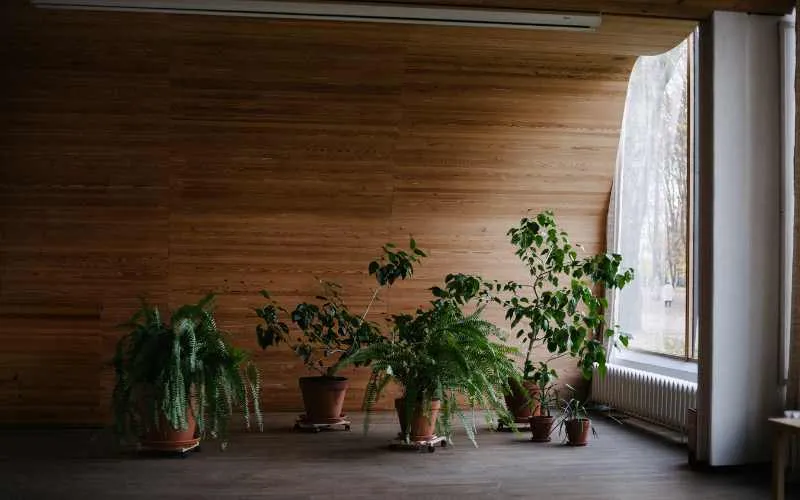
When growing plants in low-light conditions, every bit of available light counts. Placing plants in the brightest possible location—such as near a window or glass door or under artificial lighting—can make a significant difference. Remember that natural light shifts throughout the year, so what works in summer may not be ideal in winter. South—or east-facing windows provide the best natural light, while north-facing windows typically offer the least.
Using reflective surfaces can help increase the amount of light reaching your plants. Positioning mirrors or placing plants near white walls can bounce light around the space, making it more accessible to lower-light areas. If natural light is extremely limited, consider rotating plants between brighter and darker spots every few weeks. This gives all plants a chance to receive some direct light exposure.
Artificial lighting is essential for spaces with little to no natural light. LED grow lights, fluorescent bulbs, or full-spectrum lights can supplement the lack of sunlight. To mimic daylight hours, position these lights 6 to 12 inches above the plants and run them for 12 to 16 hours daily. Investing in a timer can help maintain a consistent schedule without manual adjustments.
Watering Based on Light and Plant Needs
Plants growing in low light conditions use water more slowly than bright light ones. With less evaporation and reduced photosynthesis, the soil stays damp longer, increasing the risk of overwatering and root rot. To prevent this, always check the soil before watering. Stick a finger about an inch deep—if the soil feels dry at that depth, it’s time to water. If it’s still moist, wait a few more days.
Drooping leaves and dry, compacted soil are signs of underwatering. Yellowing leaves, mushy stems, and a musty smell indicate overwatering. Pots with drainage holes allow excess water to escape, preventing root rot—empty saucers after watering to avoid stagnant moisture at the base.
Pebble trays are a great solution for plants that need higher humidity. Fill a shallow tray with small stones and add water, ensuring the pot sits above the waterline rather than in it. As the water evaporates, it increases humidity around the plant without making the soil too wet. Adjust your watering routine based on seasonal changes. Plants need less water in winter when growth slows and slightly more during active growing months in spring and summer.
Fertilization: When and When Not to Feed
Plants in low-light environments grow more slowly, so they don’t need as much fertilizer as those in bright conditions. Over-fertilizing can cause nutrient buildup, leading to burned roots, weak growth, and yellowing leaves. Instead of following a rigid feeding schedule, only fertilize when the plant shows signs of active growth, such as new leaves or stems.
Most houseplants benefit from feeding during the spring and summer when growth is naturally more vigorous. In fall and winter, when plants slow down, fertilization should be reduced or stopped entirely. Signs that a plant may need nutrients include pale leaves, slow growth, or a general lack of vitality. However, always rule out other issues like improper watering before assuming a plant needs fertilizer.
Use a balanced, water-soluble fertilizer diluted to half-strength to avoid overwhelming the plant. Organic options like compost tea or fish emulsion can also provide nutrients without the risk of chemical buildup. Apply fertilizer to damp soil rather than dry, preventing root shock. Monitoring plant response is key—if leaves start browning at the edges or appear scorched, reduce feeding frequency. A little goes a long way when fertilizing plants in low-light conditions.
5 Plants That Thrive in Low-Light Indoor Conditions
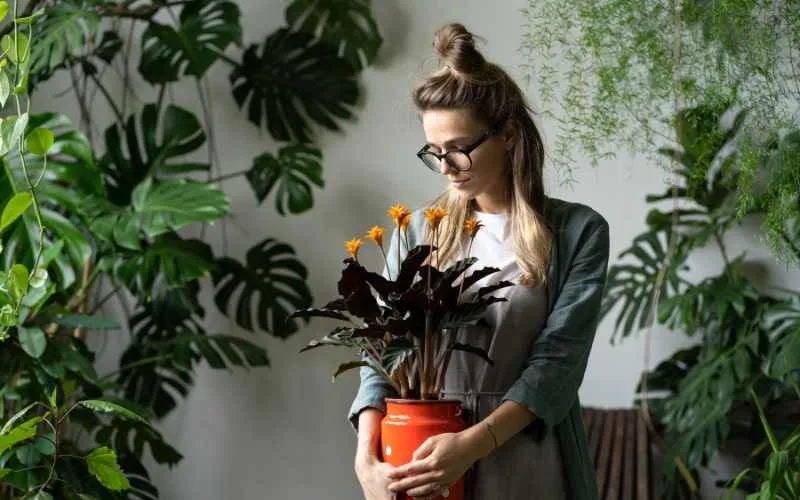
Not all plants struggle in low light—some species adapt well and even prefer it. Choosing the right plants can make a big difference in maintaining a healthy indoor garden. Here are five excellent options that thrive with minimal natural light:
- Pothos (Epipremnum aureum) – This hardy vine tolerates low light and infrequent watering. Its trailing growth makes it perfect for hanging baskets or shelves. While it grows faster in bright light, it still does well in dimmer spaces.
- Philodendron (Philodendron spp.) – Known for its easy care, philodendrons can easily handle low-light environments. The heartleaf variety, in particular, adapts well to indirect light and requires minimal maintenance.
- Cast Iron Plant (Aspidistra elatior) – True to its name, this plant is nearly indestructible. It withstands neglect, low humidity, and very low light while maintaining its deep green foliage.
- Chinese Evergreen (Aglaonema) – This slow-growing plant thrives in shaded areas and comes in various leaf patterns. It requires little watering and can handle dry indoor air.
- Snake Plant (Sansevieria) – One of the best plants for low-light conditions, the snake plant can survive with minimal care. It also improves indoor air quality by filtering toxins.
These plants survive and add greenery to even the dimmest indoor spaces. Check out this post on Where To Buy Low-Light Indoor Plants if you are living in the city of Edmonton