Do Grow Lights Actually Work?
Indoor plants rely on light for photosynthesis, which converts light energy into food. Without enough light, plants grow weak, develop pale leaves, and struggle to produce flowers or fruit. Many homes and offices don’t provide the right light intensity or spectrum for healthy plant growth, especially in winter or rooms with limited natural light. Grow lights help by supplying the right light to keep plants thriving.
Natural sunlight contains a full spectrum of colors, each of which plays a role in plant development. Blue light encourages leafy growth, while red light supports flowering and fruiting. Artificial grow lights mimic this spectrum, but not all are equally effective. Some household LED bulbs provide brightness but lack the wavelengths plants need. True grow lights are designed to emit the right mix of blue and red light, ensuring proper growth even in low-light environments.
How Do Grow Lights Work?
Grow lights function by providing artificial light that supports photosynthesis. Plants absorb light primarily through chlorophyll, which captures energy to produce food. The effectiveness of a grow light depends on its spectrum, intensity, and duration. Unlike regular bulbs, grow lights are designed to emit specific wavelengths that promote plant growth.
The light spectrum is crucial for plant development. Sunlight contains all visible wavelengths, but plants use certain colors more efficiently. Blue light, with a wavelength of around 400-500 nanometers, encourages the growth of strong roots and compact foliage. Red light, between 600-700 nanometers, stimulates flowering and fruit production. A combination of both ensures balanced growth. Some grow lights also include green, yellow, and far-red wavelengths to enhance overall plant health.
Different types of grow lights serve different purposes. Blue-dominant lights are ideal for seedlings and leafy greens, while red-heavy lights work well for flowering plants. Full-spectrum grow lights balance all wavelengths, closely resembling natural sunlight. These are the most versatile choices for year-round indoor gardening.
Light intensity and duration also impact plant success. Higher-intensity lights benefit plants that require full sun, while lower intensities work for shade-loving varieties. Most indoor plants need 12-16 hours of light daily, mimicking daylight cycles. Timers help regulate exposure, preventing plants from getting too much or too little light.
Types of Grow Lights & Choosing the Best One
Grow lights come in several types, each with advantages and drawbacks. The most common options include incandescent, fluorescent, LED, and high-intensity discharge (HID) lights. Choosing the right one depends on energy efficiency, heat output, and plant requirements.
Incandescent Grow Lights
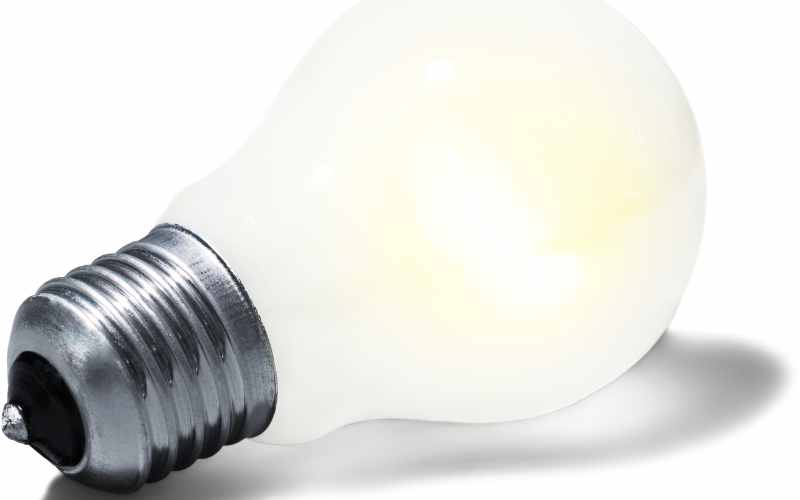
These bulbs are inexpensive and easy to find but are not ideal for plant growth. They emit more heat than usable light, which can burn plants if placed too close. Incandescent bulbs also lack the necessary spectrum balance, making them less effective for photosynthesis.
Fluorescent Grow Lights
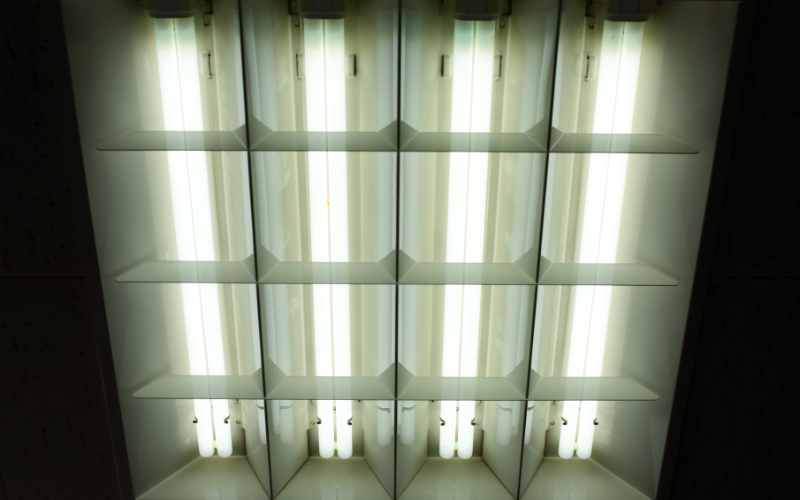
Fluorescent bulbs, including compact fluorescent (CFL) and T5 tubes, are popular for indoor gardening. They produce less heat and use less energy than incandescent bulbs. T5 fluorescent tubes, in particular, provide a broad light spectrum suitable for seedlings, herbs, and low-light houseplants. However, they may not be intense enough for light-hungry plants like tomatoes and peppers.
LED Grow Lights
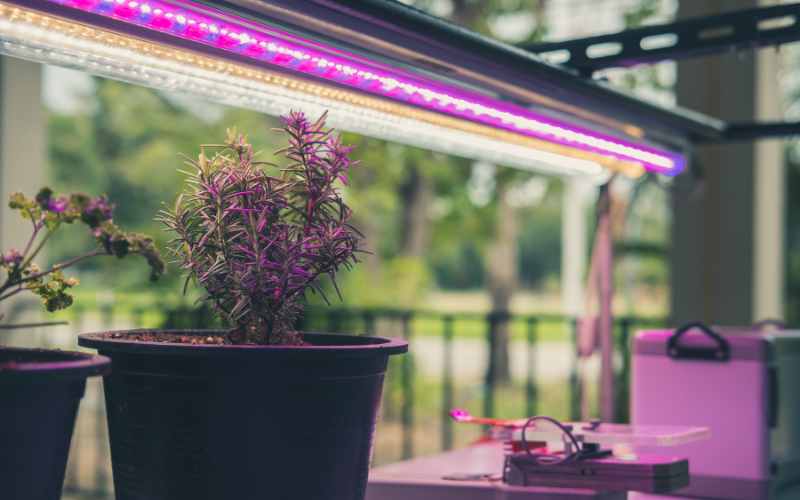
LEDs are the most efficient option, using less electricity while providing the right spectrum for plant growth. They emit minimal heat, allowing them to be placed closer to plants without causing damage. Full-spectrum LED grow lights offer the best results, as they mimic natural sunlight. Although LEDs have a higher upfront cost, their long lifespan and low energy use make them the most cost-effective choice in the long run.
HID (High-Intensity Discharge) Grow Lights
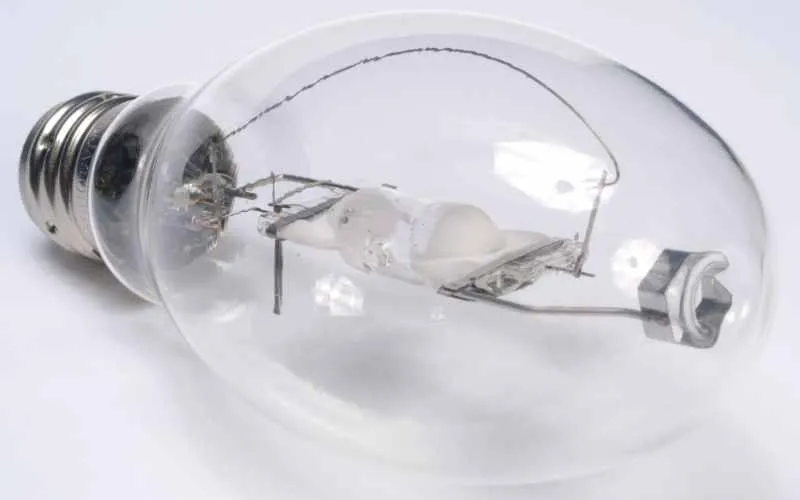
HID lights, including metal halide (MH) and high-pressure sodium (HPS) bulbs, produce intense light suitable for large-scale growing. MH bulbs emit blue light, making them ideal for vegetative growth, while HPS bulbs provide red light, encouraging flowering. These lights are commonly used in commercial greenhouses but require special fixtures and generate significant heat.
Choosing the Right Grow Light for Your Plants
For houseplants and seedlings, T5 fluorescent or full-spectrum LED lights are the best options. Leafy greens and herbs thrive under cool white fluorescents or blue-heavy LED panels. Flowering and fruiting plants benefit from red-heavy LEDs or a combination of MH and HPS bulbs. A full-spectrum LED setup provides the most balanced lighting.
How to Use Grow Lights Effectively
Proper placement and duration of grow light exposure are essential for plant health. Positioning the light too far away can cause leggy growth, while placing it too close may lead to heat damage or stress from excessive light. Most LED and fluorescent grow lights should be positioned 6-12 inches above seedlings, while larger plants may require lights 12-24 inches away.
HID lights generate more heat and should be placed at least 24-36 inches above plants to prevent scorching. Adjustable hanging systems make it easier to raise or lower lights as plants grow.
The duration of light exposure varies by plant type. Vegetables and herbs typically need 14-16 hours of light daily, while flowering plants thrive with 12-14 hours. Low-light houseplants, such as ferns and pothos, can thrive with just 8-10 hours of supplemental lighting. Mimicking natural day-night cycles is important, as continuous light exposure can disrupt growth. Timers help automate lighting schedules, ensuring plants receive consistent exposure without overexposure.
Recognizing signs of excessive or insufficient light is crucial to maintaining plant health. Plants that appear pale, weak, or have long, stretched-out stems may not get enough light. Yellowing, scorched leaves, or dry, crispy edges suggest excessive light exposure. Adjusting the grow light’s distance, duration, or intensity can help correct these issues.
Are Grow Lights Worth It? (Cost vs. Yield)
The cost of grow lights depends on the type, wattage, and energy efficiency. LED grow lights are the most economical long-term option, as they consume significantly less electricity than incandescent, fluorescent, or HID lights. Although the initial investment for a quality LED setup is higher, lower energy costs and longer lifespan make it more cost-effective.
Fluorescent lights are a mid-range option, offering decent efficiency but requiring more frequent bulb replacements. HID lights, commonly used for large-scale growing, require a high energy input and produce excess heat, thereby increasing electricity and cooling costs.
When evaluating the benefits, grow lights can significantly improve plant health and yield, especially for home gardeners growing food indoors. Herbs, leafy greens, and microgreens thrive under artificial light, providing fresh produce year-round. Flowering plants and fruiting vegetables, such as tomatoes and peppers, can be successfully grown with the right setup. For those relying on seasonal outdoor gardening, grow lights extend the growing season, making them a valuable tool for consistent harvests.
The return on investment for small-scale indoor gardening depends on the type of plants grown. Fresh herbs and salad greens can offset grocery costs, while ornamental plants benefit from improved growth and vibrancy. The long-term value of grow lights depends on energy efficiency, plant health, and whether they support a gardener’s goals.
Frequently Asked Questions About Grow Lights
How do I place and use the light?
Positioning the grow light correctly ensures plants receive the right amount of light without damage. Most LED and fluorescent lights should be placed 6-12 inches above seedlings and 12-24 inches above mature plants. HID lights generate more heat and should be positioned at least 24-36 inches away. Adjusting the height as plants grow prevents stretching or burning. A timer helps maintain a consistent light cycle, preventing underexposure or overexposure.
What Type of Light Should I use?
The best grow light depends on the plant’s needs. Full-spectrum LED lights are well-suited for most indoor plants, as they effectively mimic natural sunlight. Fluorescent lights, such as T5 and CFL bulbs, are suitable for seedlings, herbs, and low-light houseplants. HID lights, including metal halide (MH) and high-pressure sodium (HPS), provide intense light for large-scale growing but require more energy and cooling. Matching the light spectrum to the plant’s growth stage improves results.
How Long Should Grow Lights Be On?
Light duration varies by plant type. Vegetables, herbs, and leafy greens typically need 14-16 hours of light daily, while flowering plants do well with 12-14 hours. Low-light houseplants can thrive with 8-10 hours of light. Keeping grow lights on continuously can disrupt plant cycles, leading to stress. A timer ensures plants receive consistent exposure while maintaining a natural day-night rhythm.
What Can I Grow With Grow Lights?
Various plants can be grown under artificial light, including herbs, leafy greens, flowering plants, and vegetables like tomatoes and peppers. Microgreens and sprouts grow especially well indoors, allowing for the cultivation of fresh produce year-round. Choosing the right grow light and spectrum ensures healthy growth and maximum yield.