Indoor plants need the right amount of lighting to survive. Without it, they become weak and leggy and may stop growing altogether. Light fuels photosynthesis, which keeps plants alive, yet many indoor gardeners struggle to provide enough of it. North-facing windows, seasonal changes, and dimly lit rooms make natural light unreliable.
Even well-placed plants can suffer from inconsistent exposure. While some plants tolerate low light, most require a steady source to thrive. Artificial grow lights can bridge the gap, but not all are effective.
Understanding how light intensity, duration, and spectrum impact plant health is key to preventing slow growth, pale leaves, or plant death. This guide explains how to give your indoor plants with the light they need.
Understanding Lighting for Indoor Plants
Light is the fuel that drives plant growth. Through photosynthesis, plants convert light into energy, producing the sugars they need to develop. Without the right amount and quality of light, plants become weak and leggy and may stop growing. The three main factors to consider when providing light for indoor plants are intensity, quality, and duration.
Light intensity refers to how bright the light is. A plant near a sunny window receives more intense light than one sitting in a dim corner. Some plants, like succulents, require high light intensity, while others, like ferns, can tolerate lower levels.
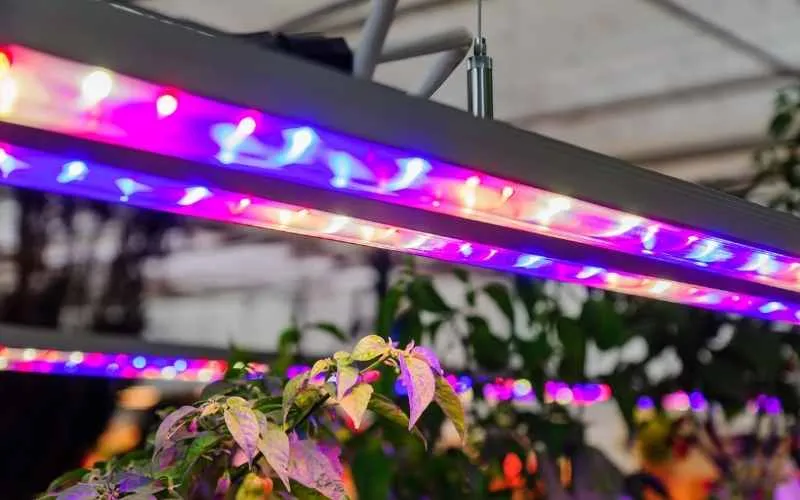
Light quality refers to the wavelengths or colors of light that plants use. Sunlight provides a full spectrum, while artificial lights may lack certain wavelengths. Blue light encourages leafy growth, while red light supports flowering and fruit production.
Light duration is how long a plant is exposed to light each day. Most houseplants need around 12-16 hours of light daily to maintain healthy growth. Plants that receive too little light may grow slowly, while too much light can cause stress or leaf burn.
Natural vs. Artificial Light
Natural sunlight is the best light source for plants because it provides a full spectrum of wavelengths needed for photosynthesis. However, indoor plants may not always get enough light due to window placement, seasonal changes, or obstacles like buildings and trees blocking sunlight. In such cases, artificial lighting can help supplement or replace natural light to keep plants thriving.
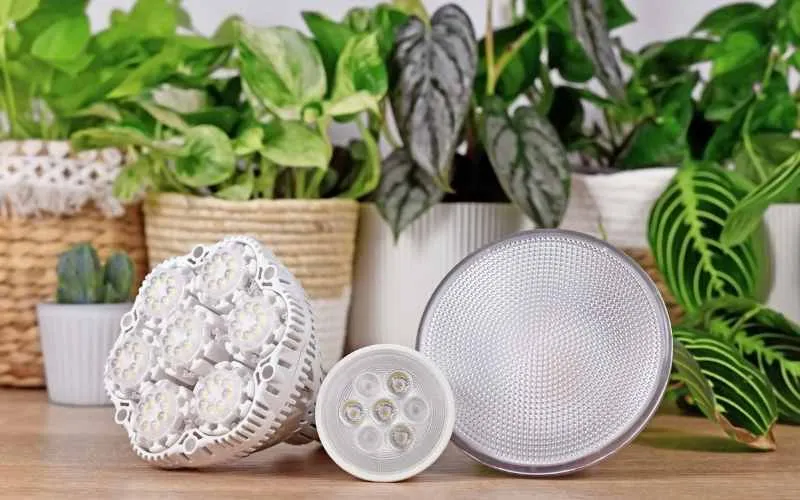
Artificial grow lights mimic the sun’s spectrum and come in various types, such as LED, fluorescent, and incandescent bulbs. Each type has different benefits and drawbacks, making some better suited for specific plants or setups. While artificial lighting allows for more control over light exposure, it may not always replicate the natural variations of sunlight that some plants require for proper growth.
Light Intensity, Quality, and Duration
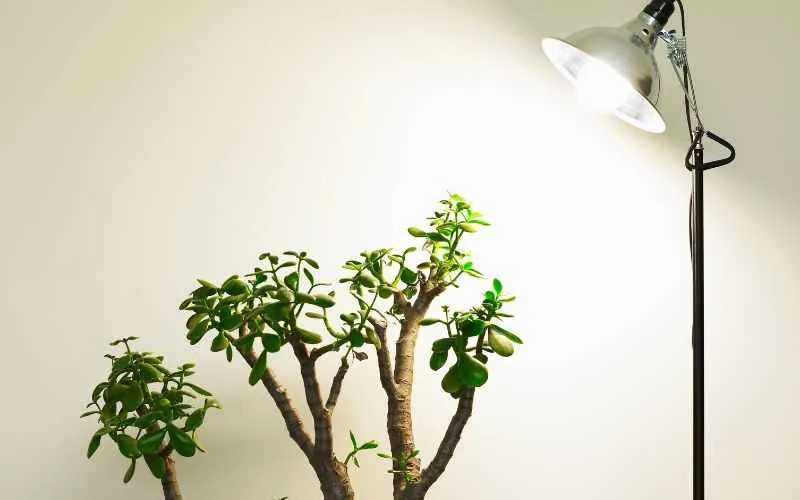
Light intensity determines how much energy a plant receives. A plant near a bright, south-facing window will get stronger light than one in a shaded area. Some plants, like cacti, need high-intensity light, while others, like pothos, can tolerate lower levels.
Light quality refers to the different colors in the light spectrum. Plants use blue light for leafy growth and red light for flowering and fruiting. Sunlight provides a balanced spectrum, while artificial lights may need adjustments to offer the right mix.
Light duration affects a plant’s growth cycle. Most indoor plants need 12-16 hours of light per day. Too little light can slow growth, while excessive light can cause stress.
Using Natural Light Effectively
Maximizing natural light for indoor plants starts with understanding how sunlight enters your home throughout the day. The intensity and duration of light change depending on window direction, seasonal shifts, and obstructions like trees or buildings. Observing how sunlight moves through your space helps you position plants where they receive the best exposure.
Window direction plays a major role in light availability. South-facing windows get the most sunlight, making them ideal for plants that need bright, direct light. East-facing windows provide gentle morning sun, which works well for plants that prefer moderate light. West-facing windows receive strong afternoon light, which can be too intense for delicate plants but great for sun-loving varieties. North-facing windows get the least light, limiting the types of plants that will thrive there.
Sheer curtains or blinds can help diffuse harsh sunlight, preventing leaf burn while providing adequate brightness. If natural light is too weak, plants can be placed on shelves, stands, or hanging baskets closer to windows to increase their exposure. Reflective surfaces like mirrors or white walls can also help bounce light around the room, giving plants more indirect light.
Seasonal changes affect indoor lighting, especially in winter when days are shorter and the sun is lower in the sky. Some plants may need to be moved closer to windows during colder months to compensate for reduced daylight. Rotating plants every few weeks ensures even growth, as they tend to lean toward the light source over time.
Plants in the brightest possible spots, such as near unobstructed windows or under skylights, can make a difference in homes with limited sunlight. Plant stands or wall-mounted shelves help maximize window space, allowing multiple plants to benefit from sunlight. For rooms with minimal natural light, strategic placement, and artificial lighting may be necessary to maintain plant health.
Maximizing Natural Light in Indoor Gardening
To maximize natural light, plant in areas where they receive the strongest and longest exposure. South-facing windows provide the best light, while east—and west-facing windows offer moderate levels. If a room lacks direct sunlight, placing plants closer to windows or using reflective surfaces like mirrors and white walls can help distribute light more effectively.
Keeping windows clean ensures that as much light as possible enters your space. Dust and dirt on glass can block sunlight, reducing the intensity that reaches your plants. Regularly wiping leaves also helps plants absorb light more efficiently, as dust buildup can hinder photosynthesis.
If natural light is too intense, sheer curtains or blinds can diffuse harsh rays, preventing leaf burn while still allowing plants to get enough brightness. Rotating plants every few weeks helps ensure even growth and prevents them from leaning toward the light source
Choosing the Right Plant for Your Available Light
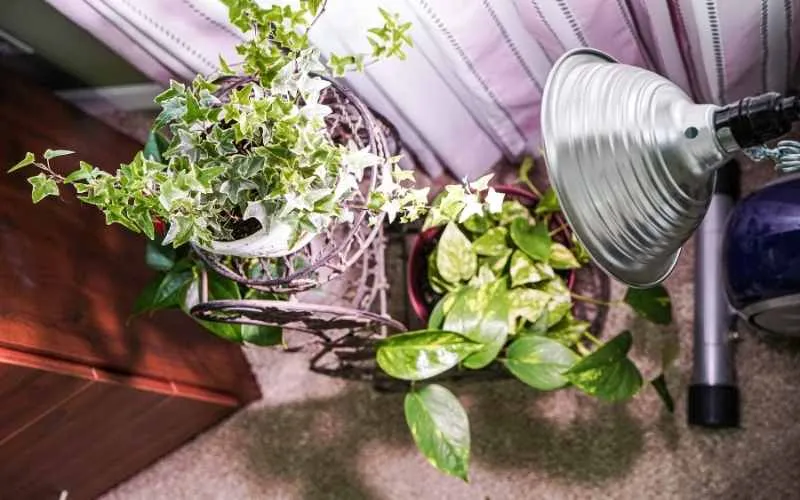
Matching plants to the light conditions in your home is key to keeping them healthy. Some plants thrive in bright, direct sunlight, while others prefer lower light levels. Before bringing a plant home, observe how much light different areas receive throughout the day.
If a spot gets little natural light, opt for low-light plants like snake, pothos, or ZZ plants. Medium-light areas, such as east-facing windows, are ideal for peace lilies, spider plants, and philodendrons—high-light locations, like sunny south or west-facing windows, support succulents, cacti, and fiddle-leaf figs.
Choosing plants suited to your available light reduces the need for artificial lighting and makes care easier.
Low Light
Low-light areas receive little to no direct sunlight and are often found in rooms with small windows, north-facing exposures, or corners far from natural light sources. While most plants struggle in these conditions, some can adapt. Snake plants, pothos, ZZ plants, and peace lilies can survive in low light, though their growth may be slower. To keep them healthy, avoid overwatering, as lower light levels mean plants use less moisture. If growth stalls or leaves become pale, consider moving them slightly closer to a light source or supplementing with artificial lighting.
Medium Light
Medium-light areas receive indirect or filtered sunlight for several hours each day. This includes spots near east-facing windows or a few feet away from brighter windows with sheer curtains. Many popular houseplants, including spider plants, peace lilies, philodendrons, and ferns, thrive in these conditions.
These plants prefer steady, moderate light without prolonged direct sun exposure, which can scorch delicate leaves. If a plant appears leggy or its leaves lose color, it may need to be moved slightly closer to the light source. Rotating plants occasionally ensures even growth and prevents them from leaning in one direction.
High Light
High-light areas receive bright, direct sunlight several hours a day, typically near south- or west-facing windows. These conditions suit sun-loving plants like succulents, cacti, fiddle-leaf figs, and crotons. Strong light helps these plants maintain vibrant colors and compact growth. However, intense afternoon sun can sometimes be too harsh, leading to leaf scorch.
If a plant’s leaves start browning at the edges, using sheer curtains or moving it slightly away from the window can help. Regular watering and occasional misting may be needed, as bright light increases evaporation and can dry out the soil more quickly.
Best Houseplants for Different Window Orientations
The direction your windows face determines how much natural light your plants receive. Some plants thrive in bright, direct sunlight, while others prefer softer, filtered light. Choosing plants based on window orientation ensures they get the right light without struggling.
North-Facing Window Plants
North-facing windows obtain minimal light, which tends to be indirect and dim all day. Ideal for low-light plants like snake plants, pothos, ZZ plants, and peace lilies, these conditions support healthy growth. Although their growth rate may be slow, these plants thrive with limited sunlight and can adapt to artificial light.
South-Facing Window Plants
South-facing windows provide the most intense and consistent sunlight throughout the day, making them perfect for succulents, cacti, fiddle-leaf figs, birds of paradise, and rubber plants. These plants thrive in bright, direct light but may need occasional shading to prevent leaf burn.
East-Facing Window Plants
East-facing windows get gentle morning sunlight, less intense than the afternoon sun. This makes them ideal for calatheas, ferns, spider plants, and African violets. The softer light helps these plants grow without the risk of scorching their delicate leaves.
West-Facing Window Plants
West-facing windows receive strong afternoon sunlight, which can be intense, especially in warmer months. Crotons, jade plants, and orchids, which enjoy bright, indirect light with some direct sun, do well here. Sheer curtains can help diffuse the intensity of the sunlight if it becomes too harsh.
Using Artificial Grow Lights
When natural light isn’t enough, artificial grow lights can provide the necessary brightness and spectrum for healthy plant growth. These lights help supplement low-light environments, support plants during winter months, and enable indoor gardening in spaces without windows. Different grow lights offer various benefits, from energy efficiency to full-spectrum coverage.
Choosing the right grow light depends on your growing plants and their needs. Some plants require high-intensity lighting, while others thrive under softer, indirect illumination. Proper placement and usage also affect effectiveness, ensuring plants receive the right light without overheating or stress.
When to Add Artificial Lighting
Artificial lighting is helpful when natural light is too weak or inconsistent for healthy plant growth. Plants that appear leggy, grow slowly, or develop pale leaves may not receive enough light. Winter months, shorter daylight hours and cloudy conditions can also reduce natural light availability, making artificial lighting a good supplement.
Rooms with north-facing windows or spaces far from windows may not provide sufficient brightness, especially for plants that need medium to high light levels. In these cases, adding grow lights ensures plants receive the necessary intensity and duration for proper growth. Supplemental lighting is especially useful for growing herbs, vegetables, or flowering plants indoors.
Types of Grow Lights
Different grow lights offer varying benefits depending on plant needs, energy efficiency, and budget. The three main types are LED, fluorescent, and incandescent lights. Each has unique characteristics that affect plant growth, from spectrum coverage to heat output.
LED grow lights are the most energy-efficient option, providing full-spectrum light with minimal heat. They last longer than other types and can be customized to emit specific wavelengths for optimal plant growth. Fluorescent lights, including T5 and CFL bulbs, work well for seedlings and low to medium-light plants, offering a balance of brightness and efficiency. Incandescent lights, though inexpensive, produce excessive heat and limited usable light, making them less suitable for most indoor plants.
Understanding the differences between these grow lights helps determine which type best supports your indoor garden.
LED (Pros & Cons)
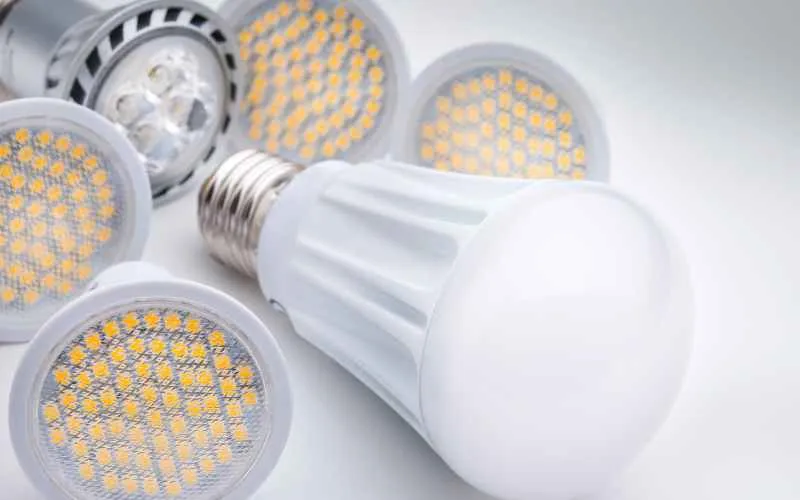
Pros:
- Energy-efficient
- Long lifespan
- Full-spectrum light
- Minimal heat output
Cons:
- Higher initial cost
- Some models lack a balanced spectrum
- Can still cause plant stress if placed too close
Fluorescent (Pros & Cons)

Pros:
- Affordable and widely available
- Suitable for seedlings and leafy plants
- Produces less heat than incandescent bulbs
Cons:
- Shorter lifespan than LEDs
- Consumes more energy than LEDs
- CFLs may not provide enough intensity for high-light plants
Incandescent (Pros & Cons)
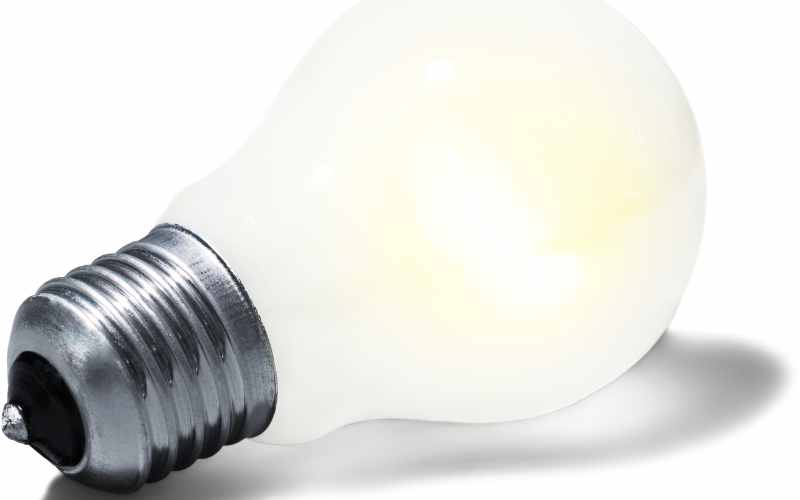
Pros:
- Inexpensive and easy to find
- Adds warmth to a room
Cons:
- High heat output can damage plants
- Inefficient energy use
- Limited light spectrum for plant growth
Choosing the Best Grow Lights
Selecting the right grow light depends on your plants’ needs, available space, and budget. Full-spectrum LED lights are the best option for general indoor gardening since they mimic natural sunlight, use less energy, and last longer. Fluorescent lights, particularly T5 tubes, work well for seedlings, herbs, and leafy greens, while compact fluorescent bulbs (CFLs) are useful for small-scale setups.
Best Grow Lights for Indoor Herbs
Herbs like basil, parsley, and thyme need bright, consistent light to grow well indoors. Full-spectrum LED grow lights are the best choice, as they balance blue and red wavelengths for leaf growth and overall health.
Best Grow Lights for Indoor Vegetables
Vegetables grown indoors, such as lettuce, tomatoes, and peppers, need strong, consistent light to develop properly. Full-spectrum LED grow lights are the best option, providing the necessary intensity and balanced wavelengths for leafy growth and fruit production.
Grow Lights That Mimic Natural Light
Full-spectrum LED grow lights are the best option for replicating natural sunlight. They provide a balanced mix of blue, red, and white light, supporting vegetative growth and flowering.