Yellowing leaves, wilting stems, and mysterious brown spots are the warning signs every plant owner dreads. One day, your houseplant looks fine; the next, it’s drooping, losing leaves, or covered in tiny bugs. The worst part? You don’t know what’s wrong or how to fix it. Overwatering, pests, poor lighting—so many things could kill your plant; if you don’t act fast, it might not recover.
Every hour you wait, the damage spreads. But don’t panic just yet. This guide will help you quickly diagnose indoor plant problems and take action before it’s too late. If you want to save your plant and stop making the same mistakes, keep reading—your plant’s survival depends on it.
Weak, Leggy Growth (Stretching)
Plants stretch when they don’t receive enough light, a process known as etiolation. Plants prioritize upward growth in low-light conditions to reach a stronger light source, resulting in long, weak stems and sparse leaves. Indoor plants are especially prone to this when placed too far from windows or in dim corners. Seedlings also stretch when grown in inadequate light, leading to fragile stems that struggle to support healthy foliage.
Proper positioning plays a big role in preventing leggy growth. Plants naturally grow toward the nearest light source, so they may lean or stretch unevenly if they receive light from only one direction. This is common in window-facing plants that aren’t rotated regularly. Even plants that tolerate low light still need a consistent source of brightness to maintain compact, sturdy growth.
Growth Solution
Artificial lighting is one of the easiest ways to fix this issue. Grow lights provide a steady light source, reducing the need for plants to stretch. Fluorescent or LED lights with a full spectrum work best, especially for plants in rooms with minimal sunlight.
Rotating indoor plants daily helps them grow evenly rather than leaning toward one side. Moving plants closer to a bright window can also improve their growth, but be mindful of direct sunlight, which may scorch delicate leaves. Regularly assessing a plant’s placement and adjusting as needed will encourage healthier, more balanced growth.
Yellowing Leaves & Dropping Foliage
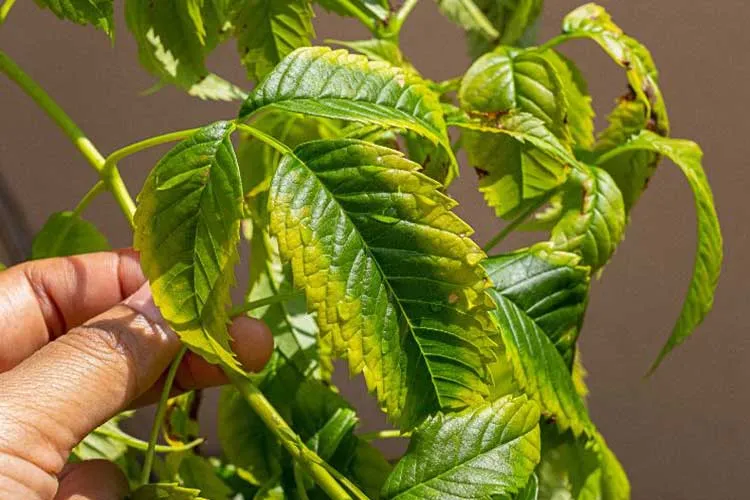
Yellowing leaves often indicate overwatering, poor drainage, or sudden environmental changes. When roots sit in soggy soil for too long, they can’t properly absorb oxygen, leading to stress that turns leaves yellow before they eventually drop.
Poor drainage worsens this issue, trapping excess moisture around the roots. Conversely, environmental shifts, such as moving a plant to a new location, temperature fluctuations, or changes in humidity, can also cause leaf drop as the plant adjusts.
Not all leaf shedding is a cause for concern. Many plants naturally lose older leaves as they grow, especially lower leaves that no longer receive enough light. However, if several leaves turn yellow at once or newer growth is affected, it indicates an underlying problem. Overwatering typically causes widespread yellowing with soft, droopy leaves, while dry conditions may result in crisp, brittle foliage before dropping occurs.
Foliage Solution
Watering correctly is key to preventing yellowing. Instead of watering on a set schedule, check the soil first—if the top inch feels dry, it’s time to water. Ensure pots have drainage holes and use well-draining soil to prevent water from pooling at the bottom.
If excess moisture is an issue, consider repotting the plant with fresh soil or adding perlite for better aeration. Stabilizing temperature and humidity also helps reduce stress and prevent sudden leaf drop. Regularly monitoring plant conditions will help catch issues early before they cause serious damage.
Brown Leaf Tips & Edges
Dry air, salt buildup in the soil, or inconsistent watering often cause leaves to have brown tips and edges. Plants lose moisture quickly when humidity is too low, leading to crisp, browned edges. This is especially common in tropical plants that thrive in high humidity.
Salt buildup from tap water or overfertilization can also damage roots, making it harder for plants to absorb water properly. Inconsistent watering—alternating between letting the soil dry out completely and overwatering—stresses the plant, causing the leaf margins to turn brown.
Determining whether humidity is the problem starts with observing the surrounding environment. Plants may not get enough moisture if the air feels dry, especially during winter when indoor heating is used. Brown tips caused by dry air are often accompanied by curling or brittle leaves. If mineral buildup is the issue, a white crust may form on the soil surface, indicating excess salts that could be stressing the roots.
Brown Leaf Tip Solution
Increasing humidity helps prevent brown leaf tips. Misting plants lightly, placing a tray of water with pebbles beneath the pot, or using a humidifier can provide consistent moisture. If salt buildup is suspected, flushing the soil by watering deeply until excess water drains out can help remove excess minerals. Sticking to a regular watering schedule, using distilled or filtered water, and avoiding overfertilization will also reduce stress and keep leaves looking healthy.
Wilting Leaves & Water Issues
Wilting leaves can result from overwatering and underwatering, but the symptoms differ. Overwatered plants often have soft, limp leaves that turn yellow before wilting. The soil may feel soggy, and roots can begin to rot, making it difficult for the plant to absorb water properly. On the other hand, underwatered plants develop dry, curled leaves that droop and the soil feels extremely dry to the touch. If a plant recovers quickly after watering, it is likely underwatered, but if leaves remain limp despite moist soil, overwatering or root rot may be the cause.
Compacted soil can also prevent proper water absorption, leading to wilting. When soil becomes too dense, water may pool on the surface instead of reaching the roots, causing dehydration even when watering regularly. This issue is common in older potting mixes that have broken down over time, making it difficult for roots to absorb moisture and oxygen.
Watering Solution
Adjusting watering habits based on soil moisture is the best way to prevent wilting. Checking the soil before watering—feeling a couple of inches deep—helps determine if more water is needed. If overwatering is suspected, letting the soil dry out before the next watering can help while aerating compacted soil with a chopstick or repotting it with a fresh, well-draining mix can improve root health. Trimming affected roots and repotting in dry soil may save the plant if root rot is present. Keeping a consistent watering routine will help prevent stress and keep leaves perky.
Pale, Burned, or Fading Leaves
Leaves that turn pale develop scorched spots or lose their vibrant color and often react to too much direct sunlight or excessive fertilizer. When indoor plants receive too much intense sunlight, their leaves can bleach or burn, especially if they are suddenly moved from a shady spot to a bright window. Sunburned leaves often develop dry, crispy patches on the side facing the light source. Some plants, like ferns or calatheas, are particularly sensitive to direct sun exposure.
Fertilizer burn happens when too much fertilizer accumulates in the soil, causing leaf tips and edges to turn brown or yellow. Overfertilized plants may also show stunted growth and weak, discolored foliage.
Fading Leaf Solution
Repositioning the plant in a spot with bright but indirect light can help prevent sun damage. Sheer curtains can diffuse harsh sunlight, making it gentler on delicate leaves. Flushing the soil with water can help remove excess salts if fertilizer burn is suspected. Switching to a diluted fertilizer or reducing feeding frequency can also prevent future damage.
Preventing Indoor Plant Problems
Keeping indoor plants healthy starts with consistent care and early intervention. Dust buildup on leaves can block light absorption and create a breeding ground for pests, so wiping leaves with a damp cloth or spraying them occasionally helps keep them clean. Proper watering is just as important—checking soil moisture before watering prevents both overwatering and underwatering.
Pest management is easier when problems are caught early. Regularly inspecting leaves stems, and soil for signs of bugs or disease helps prevent infestations from spreading.
Maintaining a stable environment with consistent light, humidity, and temperature prevents stress-related issues.
Frequently Asked Questions
What’s the most common houseplant disease?
Fungal infections are the most frequent issue affecting houseplants, with powdery mildew and root rot being particularly common. Powdery mildew appears as white, powdery spots on leaves, while root rot causes wilting and yellowing due to overwatering. Proper airflow and well-draining soil help prevent these problems.
How do you identify plant problems?
Recognizing plant issues involves observing changes in leaves, stems, and soil. Yellowing or browning leaves suggest watering problems, while spots or mold indicate fungal or bacterial infections. Pests leave holes or sticky residue. Wilting, despite moist soil, may signal root rot. Examining these signs helps determine the cause and necessary action.
Can diseased plants be saved?
Reviving a diseased plant depends on the severity and cause of the issue. Removing affected leaves, improving airflow, adjusting watering habits, and applying appropriate treatments like fungicides or insecticidal soap can help recovery. Repotting in fresh soil may be necessary to restore health if roots are severely damaged.
How to revive a dying house plant