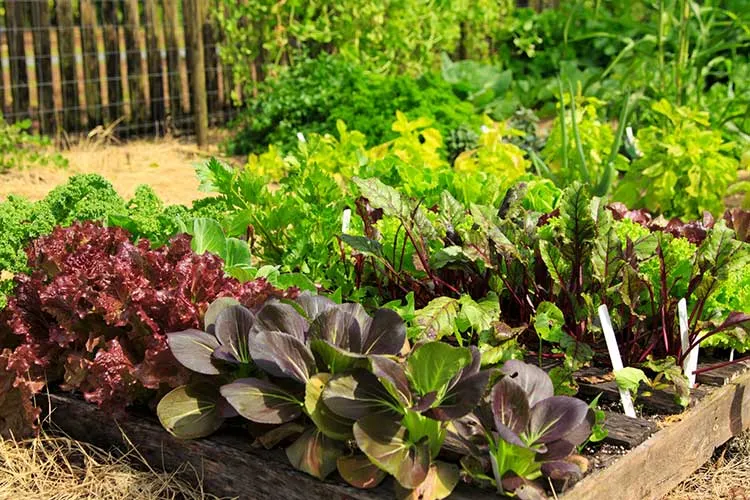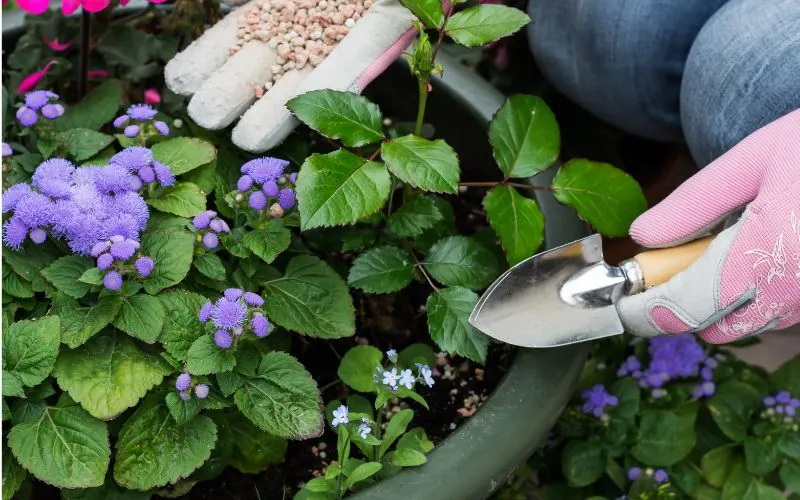
Container plants rely entirely on the nutrients you provide since potting soil alone won’t sustain them long-term. Without the right fertilizer, plants struggle to bloom, leaves turn yellow, and growth stalls. Studies show that potted plants exhaust their soil’s nutrients within four to six weeks, making regular feeding essential.
A fertilizer high in phosphorus (10-30-20) boosts flower production, while a balanced mix ensures steady growth. Choosing between organic and synthetic options impacts plant health and soil longevity. Understanding when, how, and what to feed container plants differentiates between weak, lifeless foliage and thriving, vibrant blooms. This guide breaks down exactly what you need for strong, healthy container plants—no guesswork, just results.
What is the Best Fertilizer for Flowering Plants?
The best fertilizer for flowering plants is one high in phosphorus, which promotes bud formation and bloom production. A formula like 10-30-20 or 10-52-10 encourages strong root development and vibrant flowers. Organic options such as bone meal and fish emulsion provide phosphorus naturally, improving soil health over time. Synthetic fertilizers deliver faster results with precise nutrient ratios. Combining a high-phosphorus fertilizer with regular feeding ensures continuous blooms throughout the growing season.
Flower Fuel 1-34-32 Flower Food

If your plants need an extra push to bloom bigger and brighter, Flower Fuel 1-34-32 is worth a look. This high-phosphorus bloom booster is designed to supercharge flowering, making it a favorite among gardeners growing everything from roses to tomatoes. It’s packed with over 40 ingredients, including amino acids, vitamins, and essential nutrients that help plants produce more buds, denser flowers, and better overall yields.
Mixing easily with water, it works well in soil, hydroponics, and coco coir setups. A little goes a long way, making it cost-effective despite the premium formulation. The only catch? It’s a supplement, not a complete fertilizer, so you’ll still need a base nutrient. But if your flowers need a serious boost, this is a powerful addition to your routine.
Specs: 1000g container, NPK: 1-34-32, compatible with all grow systems. Buy on Amazon
Scotts Super Bloom Plant Food

Scotts Super Bloom Plant Food is a powerhouse for flowers that need an extra push to reach their full potential. Its high-phosphorus formula (12-55-6) promotes strong root development and encourages abundant blooms. This water-soluble fertilizer is perfect for flowering annuals, perennials, and even some fruiting plants that benefit from extra phosphorus.
The application is simple—mix it with water and feed it every one to two weeks. Many gardeners report noticeable improvements in flower size and color after just a few feedings. It works especially well for hanging baskets, potted plants, and garden beds, ensuring a steady supply of nutrients. However, like any strong fertilizer, overuse can cause leaf burn, so following the recommended dosage is important.
Scotts Super Bloom is a dependable and easy-to-use option for gardeners looking to maximize their blooms with minimal effort. Buy on Amazon
Schultz Bloom Plus Water Soluble Plant Food
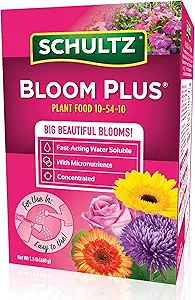
Schultz Bloom Plus is a concentrated fertilizer with a high phosphorus formula (10-54-10) designed to help flowers flourish. Whether growing vibrant roses, orchids, or bedding plants, this plant food delivers the nutrients needed for bigger, healthier blooms. The water-soluble formula makes it easy to apply, ensuring quick absorption for fast results.
A standout feature is the included dropper, which allows for precise feeding—perfect for gardeners who want more control over application. Many users appreciate how quickly it revives struggling plants, making it a great choice for indoor and outdoor flowers. However, since it’s highly concentrated, it’s important to dilute it properly to prevent overfeeding.
If you’re looking for a simple, effective way to encourage more blossoms and healthier plants, Schultz Bloom Plus is a solid addition to your gardening routine. Buy on Amazon
Bloom Booster and Yield Enhancer

Bloom Booster and Yield Enhancer are great options for gardeners who want to maximize flower production and plant health. This formula stimulates blooming while improving nutrient uptake, leading to stronger, more productive plants. It’s suitable for various flowers, fruits, and vegetables, making it a versatile choice for different types of gardens.
Unlike traditional fertilizers, this product enhances microbial activity in the soil, which helps plants absorb nutrients more efficiently. It works well for soil and hydroponic growing systems, making it a favorite among home gardeners and serious growers. However, results can take longer than those of chemical-based fertilizers, as they focus on long-term plant health rather than immediate bloom stimulation.
This is a great pick if you’re looking for a bloom booster that supports overall plant vitality while encouraging beautiful flowers. Buy on Amazon
Jack’s Classic Blossom Booster

Jack’s Classic Blossom Booster (10-30-20) is a well-balanced fertilizer that promotes bigger, more vibrant blooms. With a high phosphorus content to encourage flowering and a good mix of nitrogen and potassium for overall plant health, it’s a go-to choice for gardeners who want consistent results. This water-soluble formula works well for outdoor and indoor plants, making it a versatile addition to your feeding routine.
One of its biggest advantages is its reliability—many gardeners swear by it for producing fuller, more colorful flowers, especially in container gardens and hanging baskets. The included measuring scoop makes it easy to mix and apply without guesswork. However, like all high-phosphorus fertilizers, overuse can lead to salt buildup in the soil, so occasional flushing with plain water is recommended.
Jack’s Classic is a strong contender for a proven, easy-to-use bloom booster. Buy on Amazon
FoxFarm Big Bloom Plant Food

FoxFarm Big Bloom is an organic liquid fertilizer that enhances flower production and plant health. Unlike synthetic fertilizers, this formula is made from natural ingredients like worm castings and bat guano, providing a gentle but effective nutrient boost. It’s especially great for organic gardeners who want to feed their plants without harsh chemicals.
Since it’s a liquid, mixing it with water and applying it directly to the soil or as a foliar spray is easy. It works well for flowers, fruits, and vegetables, helping to improve soil quality while promoting steady growth. While it may not deliver instant results like high-phosphorus synthetic fertilizers, it builds stronger, healthier plants over time. The mild formula also makes it safe for frequent use without the risk of burning plants.
If you want a natural, soil-enriching bloom booster, FoxFarm Big Bloom is a great choice. Buy on Amazon
Grow More Urea-Free Hawaiian Bud and Bloom

Grow More Hawaiian Bud and Bloom (5-50-17) is a high-phosphorus fertilizer that supports strong flowering and fruiting. The urea-free formula makes it gentler on plants, reducing the risk of leaf burn while still delivering the nutrients needed for abundant blooms. It’s especially popular for tropical and exotic flowers like orchids, hibiscus, and plumeria, but it also works well for many flowering plants.
This water-soluble fertilizer dissolves easily, making the application simple whether using a watering can or a sprayer. The high phosphorus content encourages strong root systems and vibrant flowers, while the added potassium helps improve overall plant resilience. However, since it’s quite potent, it’s best used at the recommended dilution to avoid overfeeding.
Grow More Hawaiian Bud and Bloom is a fantastic option for growing tropical blooms or those looking for a powerful yet gentle fertilizer. Buy on Amazon
What Fertilizer Makes Flowers Bloom?
Encouraging Vibrant Blooms
Phosphorus plays a major role in flower production by stimulating root development and bud formation. Plants may grow many leaves without enough phosphorus but struggle to produce blooms. High-phosphorus fertilizers, such as 10-30-20 or 10-52-10, are specially formulated to encourage flowering by providing the nutrients needed for strong, vibrant blossoms.
Organic options like bone meal and fish emulsion release phosphorus gradually, improving soil health while supporting long-term growth. Synthetic fertilizers deliver immediate results, making them a good choice for quick bloom boosts. While both have benefits, organic fertilizers enhance soil structure and microbial activity, whereas synthetic fertilizers provide precise nutrient ratios for targeted feeding. Choosing the right option depends on the plant’s needs, growth stage, and preference for a fast or slow release of nutrients.
What Is the Best Fertilizer for Potting Mix?
Pairing Fertilizer with Potting Mix
Over time, potting mix loses nutrients as plants absorb them, and water leaches them away. Regular feeding is necessary to keep plants thriving. Slow-release fertilizers break down gradually and provide steady nourishment for long-term plant health. These are ideal for busy gardeners or plants that need consistent feeding. On the other hand, liquid fertilizers offer a quick nutrient boost and work well for fast-growing or heavy-feeding plants.
Some potting mixes come pre-fertilized, providing an initial nutrient supply for a few weeks. However, unfertilized potting mixes require immediate feeding to support plant growth. When choosing a fertilizer, consider the plant type and growth cycle. Slow-release granules work well for low-maintenance care, while liquid fertilizers allow more precise control over nutrient levels.
What Is the Best Homemade Fertilizer for Flowering Plants?
DIY Nutrient Boosts
Homemade fertilizers offer a natural way to nourish flowering plants while improving soil health. Banana peels provide potassium, which strengthens blooms and overall plant vigor. Eggshells add calcium, helping prevent issues like blossom-end rot. Compost tea, made by steeping compost in water, supplies a balanced mix of nutrients and beneficial microbes. Fish emulsion, a liquid fertilizer derived from fish byproducts, is rich in nitrogen and phosphorus, promoting lush growth and abundant flowers.
A simple DIY fertilizer recipe involves blending banana peels, eggshells, and used coffee grounds into a fine powder. Sprinkling this mix over the soil slowly releases nutrients. Another option is soaking banana peels in water for a few days to create a liquid potassium boost. These natural fertilizers feed plants and enhance soil structure and microbial activity, supporting long-term plant health.
What Is the Best Method to Apply Fertilizer to Potted Plants?
Feeding Techniques for Potted Plants
Different application methods suit different plant needs. Top dressing involves sprinkling granular fertilizer on the soil surface, slowly releasing nutrients. This works well for slow-release fertilizers but requires watering to activate. Liquid feeding, where fertilizer is mixed with water and applied during regular watering, provides immediate nutrients and is ideal for fast-growing plants.
Foliar spraying delivers nutrients directly to leaves, allowing for quick absorption, but it’s best used as a supplement rather than the primary feeding method. Slow-release granules mix into the soil and break down gradually, making them great for long-term feeding with minimal effort. For flowering plants, liquid feeding during peak growth and slow-release granules for sustained nourishment work well together. The best method depends on plant type, growth stage, and how often you can fertilize.
How Often Should I Add Fertilizer to Potted Plants?
Timing Your Fertilizer Routine
Fertilizing frequency depends on the plant type and season. Flowering plants typically need feeding every one to two weeks during active growth in spring and summer, while foliage plants thrive with monthly applications. Herbs generally require less frequent feeding, about once a month, to avoid excessive leaf growth at the expense of flavor.
During fall and winter, most plants enter a slower growth phase, reducing the need for fertilizer. Over-fertilization can lead to salt buildup, causing leaf burn and weak growth. Signs of excess fertilizer include yellowing leaves, crispy edges, and stunted development. Flushing the soil occasionally with plain water helps remove any accumulated salts, keeping plants healthy and balanced.
What Is the Best Potting Mix for Flowering Plants?
Creating the Ideal Growing Environment
A high-quality potting mix balances nutrients, aeration, and drainage to support strong root growth and vibrant blooms. A good mix contains peat moss for moisture retention, perlite for improved aeration, and compost for organic nutrients. This combination ensures roots receive enough oxygen while staying hydrated without becoming waterlogged.
For convenience, pre-fertilized potting mixes offer an initial nutrient supply, reducing the need for immediate feeding. However, unfertilized mixes allow for more control over fertilizer application. Whether choosing a store-bought or homemade mix, ensuring proper drainage and nutrient content is key to maintaining healthy, blooming plants in containers
Helpful Gardening Facts & Tips
Broccoli Microgreens vs. Romaine Lettuce
How to Grow Sunflower Sprouts Microgreens
Must-Have Supplies for Growing Microgreens at Home