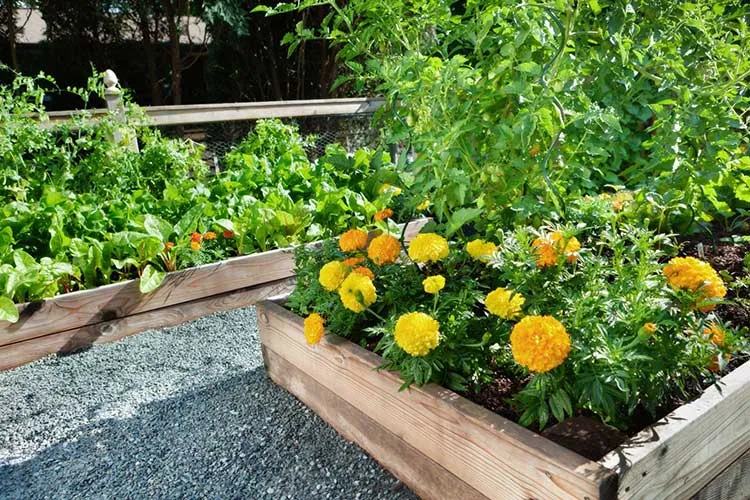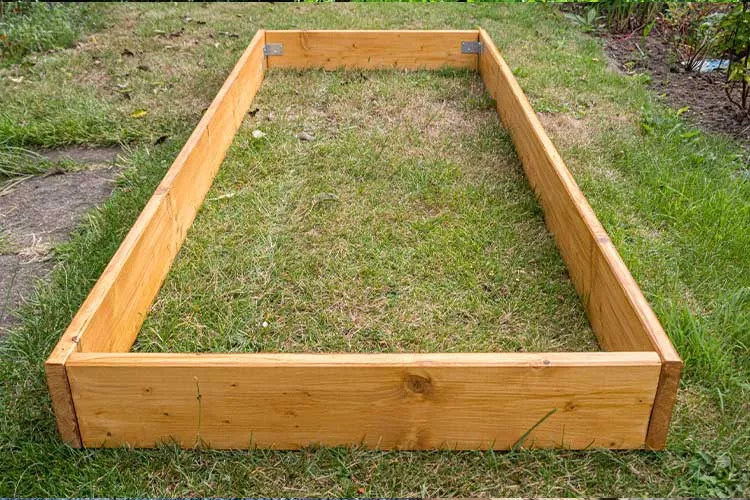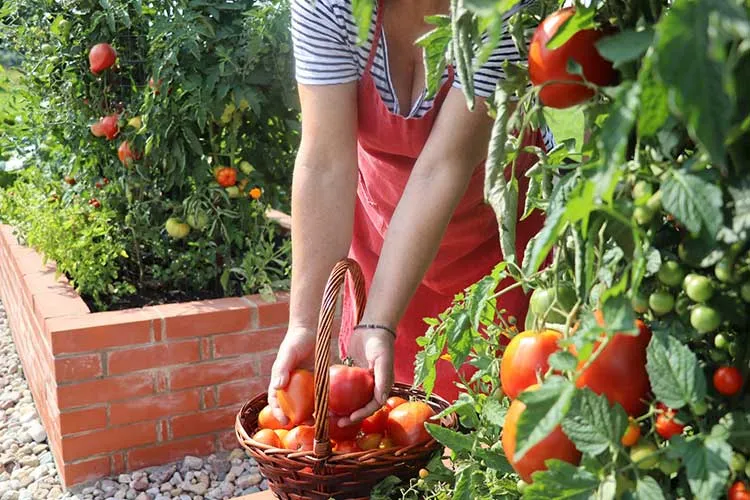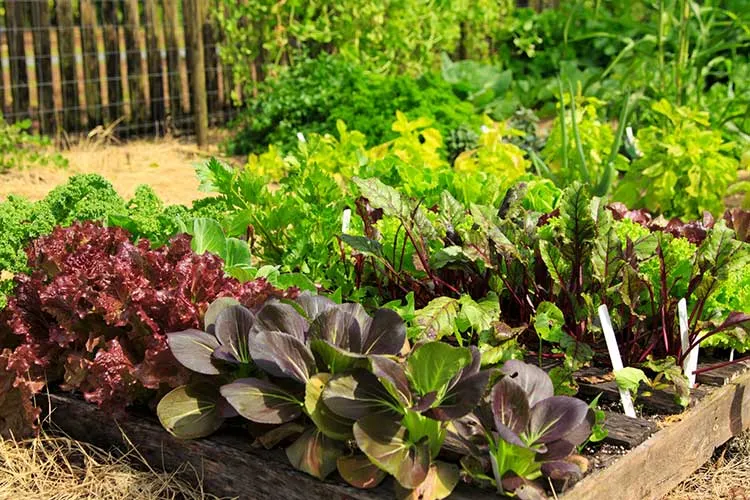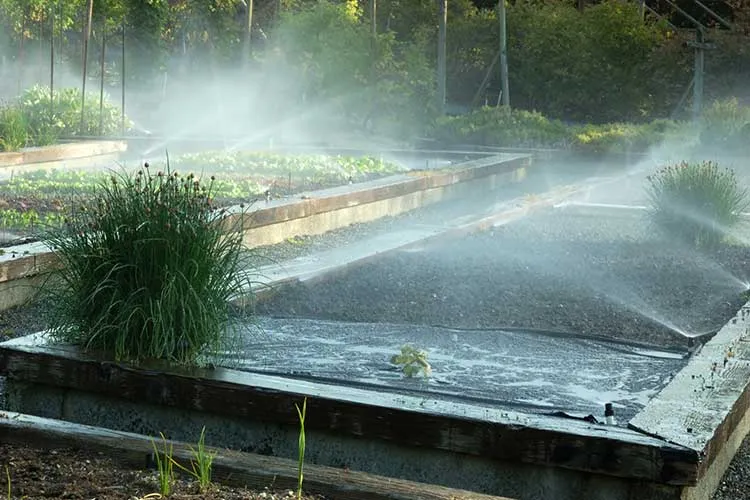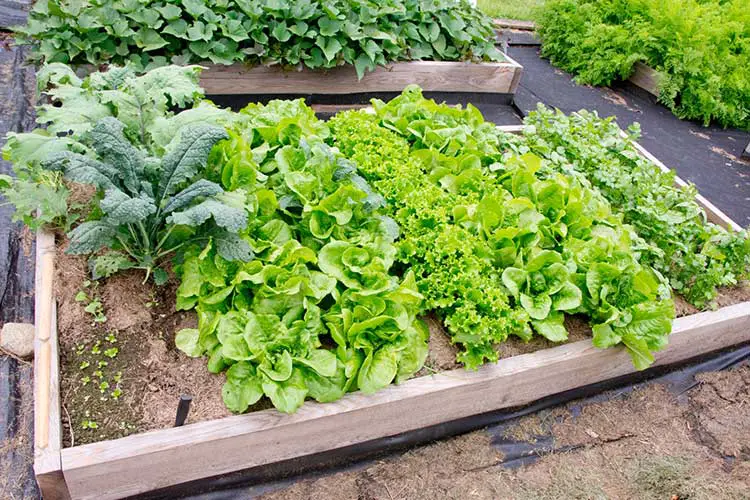
You want to grow your own vegetables, but you’re unsure where to start. The last thing you need is a complicated list or plants that demand too much time and space. What you need is a straightforward set of vegetables that are easy, fast, and rewarding.
This guide gives you 13 of the easiest vegetables to grow in raised planter boxes, even if you’ve never gardened before. These plants are low-maintenance, quick to produce, and perfect for small spaces.
Whether working with a tiny patio or a backyard box, you’ll know exactly which vegetables to plant for a harvest you can count on. Simple, productive, and beginner-friendly—that’s the goal.
Lettuce: Quick Harvest and Continuous Growth
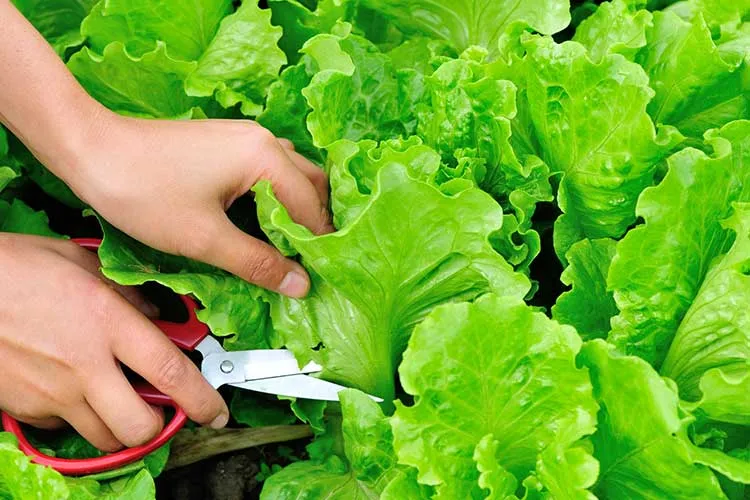
Lettuce is one of the easiest vegetables to grow in raised planter boxes, offering fast results and multiple harvests. Loose-leaf varieties, such as Black Seeded Simpson, Red Sails, or Buttercrunch, are perfect for raised beds because they don’t require much space and can be harvested leaf by leaf as they grow. This means you can enjoy fresh salads for weeks without needing to replant.
Start by scattering seeds directly into the soil and lightly covering them with a thin layer of compost. Keep the soil moist but not soaked, and you’ll see sprouts within a week. Once the leaves reach about four inches in height, snip the outer leaves, allowing the center to grow. This “cut-and-come-again” method keeps your lettuce producing until the weather gets too hot.
Radishes: Perfect for Fast Results
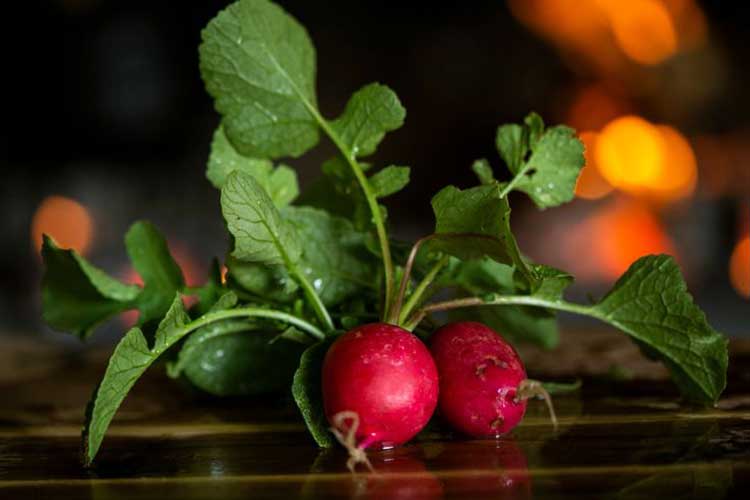
Radishes are great if you’re looking for quick wins in your raised planter box. These little roots grow fast—some varieties like Cherry Belle can be ready to harvest in just three to four weeks. Their small size makes them a natural fit for shallow soil, and they don’t need much space to thrive.
Plant radish seeds directly into your raised bed, spacing them about an inch apart, and cover lightly with soil. Keep the soil evenly moist, and you’ll soon see green tops poking through. For continuous harvests, plant a new row every week or two during the cooler months of spring and fall. This way, you always have a fresh batch coming along without overwhelming your garden space.
Spinach: Cool-Season Favorite
Spinach loves cooler temperatures, making it an excellent choice for planting in raised planter boxes for spring and fall. Varieties like Bloomsdale Long Standing or Baby’s Leaf thrive in these conditions and offer tender, flavorful leaves. Raised beds help keep the soil cool and well-drained, which spinach prefers.
Sow seeds directly into the soil about half an inch deep, and keep the surface moist until germination. Harvest the outer leaves regularly to keep your spinach producing longer, allowing the center to grow. If the weather warms up too fast, try adding a bit of shade with a cloth or taller companion plants to prevent bolting, where the plant shoots up flowers and stops producing those tasty greens.
Carrots: Sweet and Crunchy Roots
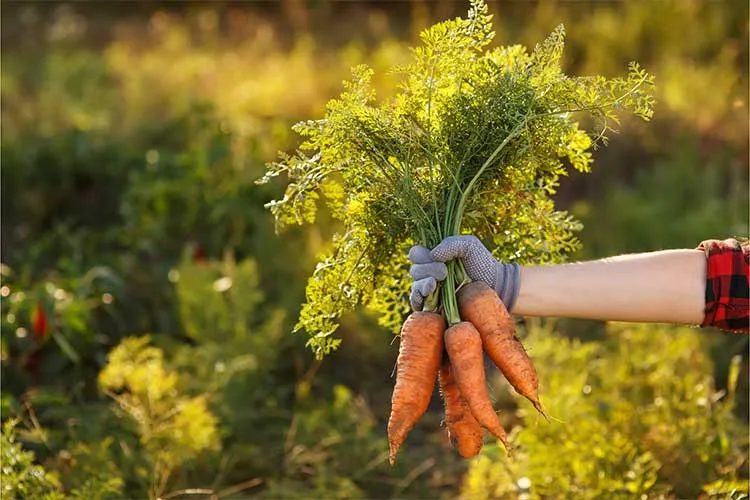
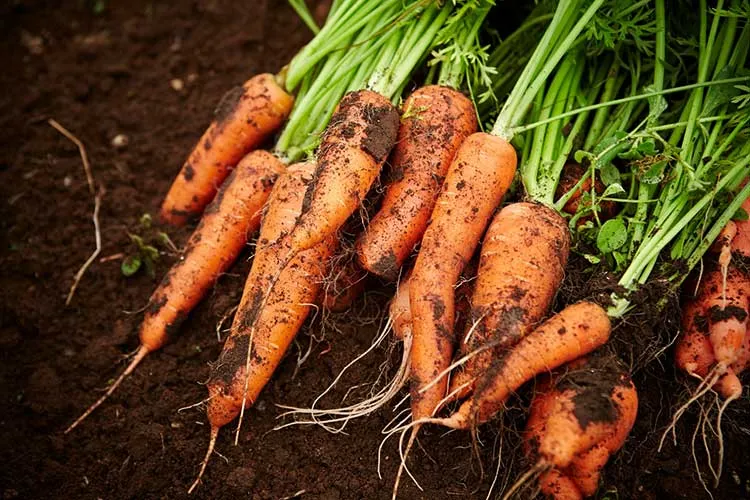
Carrots grow surprisingly well in raised planter boxes, especially because you can control the soil depth and texture. Unlike rocky or compacted ground that can cause misshapen roots, loose, sandy soil in a raised bed lets carrots grow straight and sweet. Look for shorter varieties like Nantes or Thumbelina if your box isn’t very deep, though standard types like Danvers do well in at least 12 inches of soil.
Sow the seeds thinly. Carrot seeds are tiny and easy to overcrowd once the seedlings sprout and reach about two inches tall. Thin them out so each carrot has enough space, about two inches apart. This gives the roots room to develop properly, helping you avoid small or twisted carrots during harvest time.
Green Onions: Space-Saving Flavor Boosters
Green onions, also known as scallions, are a must-have for raised planter boxes. They take up very little space and add a fresh, mild onion flavor to countless dishes. You can grow them from seeds or sets (small starter bulbs), but sets tend to give faster results if you’re eager to harvest.
Plant the seeds or sets about an inch apart in rows, leaving a few inches between rows. Keep the soil consistently moist but not soggy. Once the green tops reach six to eight inches tall, you can start snipping what you need, leaving the roots intact for regrowth. This makes green onions a gift that keeps giving—trim a few for your dinner, and they’ll grow back in no time.
Kale: Hardy and Nutritious
Kale thrives in raised planter boxes, offering a steady supply of nutrient-rich greens with minimal fuss. Compact varieties like Dwarf Blue Curled or Lacinato (Dinosaur Kale) fit perfectly in smaller spaces and keep producing even after multiple harvests. Raised beds give kale the well-drained soil it prefers, and the added height keeps it away from some common garden pests.
Plant seeds or seedlings about a foot apart to give each plant room to spread out. Pick the outer ones as the leaves grow, allowing the center to produce new foliage. This encourages the plant to keep growing for weeks, even months. Kale handles cooler temps well to extend your growing season into the fall or early winter with some light protection.
Beets: Roots and Greens in One Plant
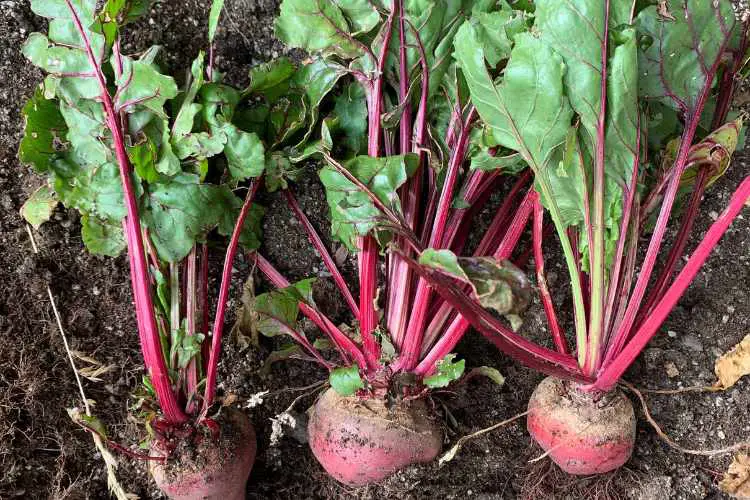
Beets offer double the harvest in raised planter boxes—you get sweet, tender roots and flavorful greens from the same plant. Varieties like Detroit Dark Red or Chioggia (with its striking candy-striped interior) grow well in a raised bed’s loose, deep soil, which helps the roots form properly.
Sow seeds about one inch apart and thin the seedlings once they’re a few inches tall, leaving three to four inches between each plant. Don’t toss those thinned seedlings—the young greens are great in salads. As the plants mature, you can harvest the greens and the roots, giving you a steady supply of fresh produce from the same crop.
Bush Beans: Compact and Productive
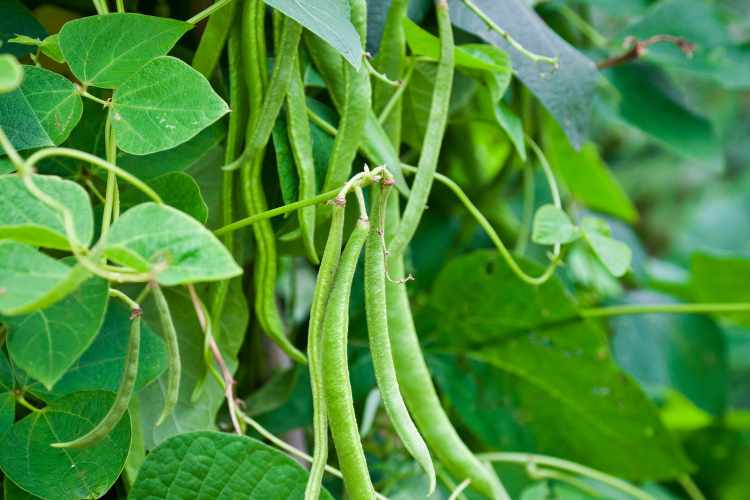
Bush beans are perfect for raised planter boxes because they stay compact and don’t need trellising like pole beans. Varieties like Provider or Blue Lake grow as tidy little plants that produce loads of tender pods. Raised beds help warm the soil faster in spring, giving your beans a head start.
Sow the seeds about three inches apart once the soil has warmed up, typically after the last frost. Keep the soil moist, and in about 50 to 60 days, you’ll be harvesting fresh beans right off the plant. Stagger your planting every two to three weeks until mid-summer for a steady supply throughout the season.
Peas: Sweet Treats for Cooler Months
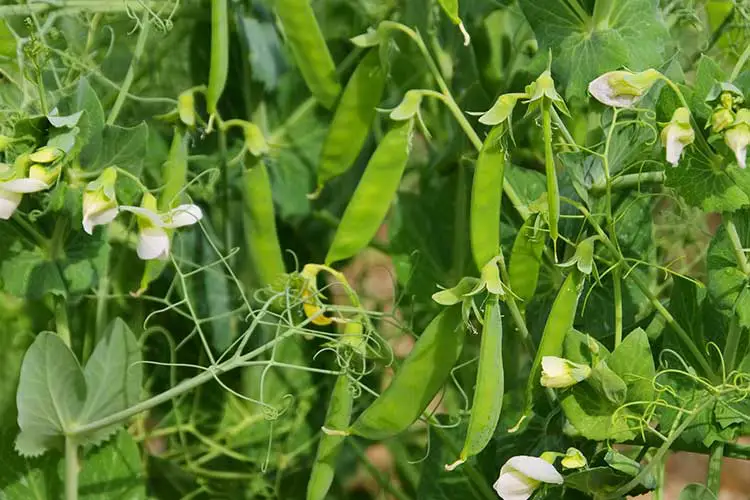
Peas love the cooler seasons of spring and fall, making them a great crop for raised planter boxes. Their shallow roots thrive in the well-drained soil, and adding a simple trellis or netting helps support their climbing vines without taking up too much space. Varieties like Sugar Snap or Little Marvel are favorites for their sweet pods and compact growth.
Sow seeds directly into the soil about an inch apart and provide support immediately, as pea vines grow fast. Water regularly, especially as the pods begin to fill out. Harvest often to encourage more blooms and pods. Plant early in the season, as peas prefer cooler weather and will slow down as temperatures rise.
Swiss Chard: Colorful and Continuous Harvest
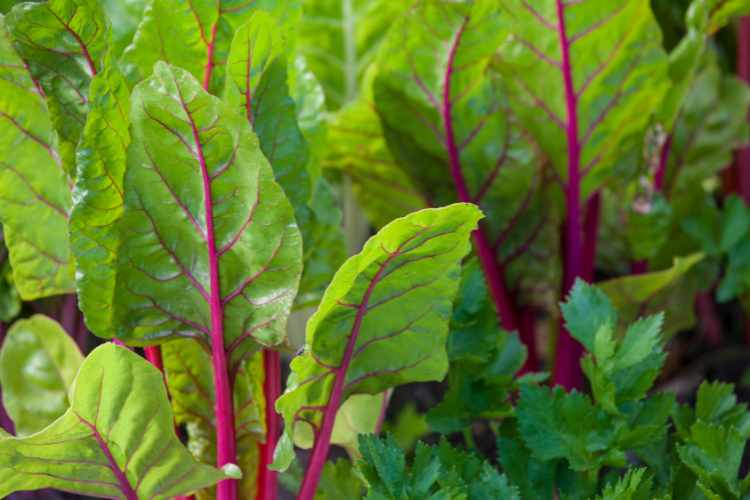
Swiss chard brings both beauty and bounty to your raised planter box. Varieties like Bright Lights offer vibrant stems in shades of red, yellow, and orange, making them as eye-catching as they are tasty. Chard grows well in raised beds where the soil stays loose and drains easily, and it handles both cool and warm weather better than many leafy greens.
Sow seeds about two inches apart, then thin the seedlings to leave about six inches between plants. Once the leaves reach about six inches tall, you can start harvesting the outer stalks while letting the inner leaves grow. This cut-and-come-again method keeps chard producing for months, giving you a steady supply of tender greens for sautés, soups, or salads.
Zucchini: Big Harvests from Small Spaces
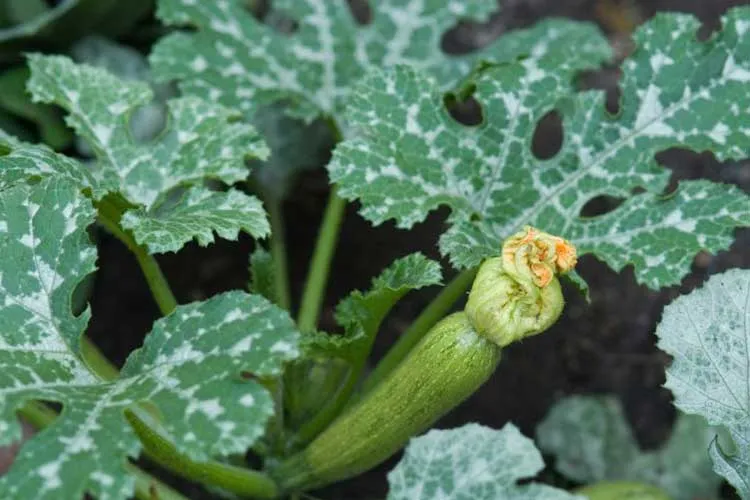
Zucchini might seem like a garden giant, but compact bush varieties like Black Beauty or Eight Ball are well-suited for raised planter boxes. These types occupy less room than sprawling vining zucchinis while offering impressive yields. Raised beds give zucchini the warm, well-drained soil it loves, helping it grow fast and strong.
Plant seeds or seedlings about two feet apart to give the plants plenty of breathing room. As the plants grow, keep an eye on the spreading leaves—if they crowd your box, gently guide them or trim back a few. Harvest zucchinis when they’re about six to eight inches long for the best flavor and texture. Picking regularly encourages the plant to keep producing more fruit throughout the season.
Cucumbers: Trellis for Vertical Growth
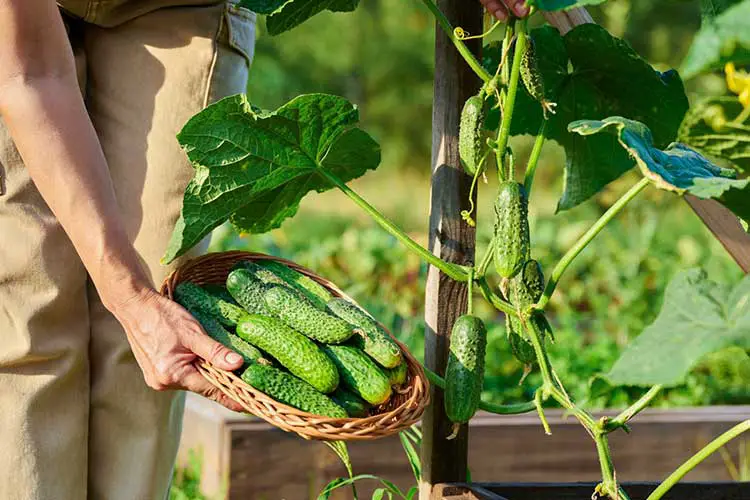
Cucumbers thrive in raised planter boxes with a little vertical support. Trellising keeps the vines off the ground, saving space and improving air circulation, which helps prevent disease. Compact varieties like Bush Champion or Spacemaster are great for smaller spaces and raised beds.
Sow seeds or plant seedlings near the base of a trellis or sturdy support. As the vines grow, gently guide them upward, tying them loosely if needed. This method keeps your cucumbers easy to harvest and prevents the fruit from getting misshapen. Keep the soil consistently moist, and you’ll have a steady crop of crisp, refreshing cucumbers all summer.
Bell Peppers: Perfect for Warm Spots
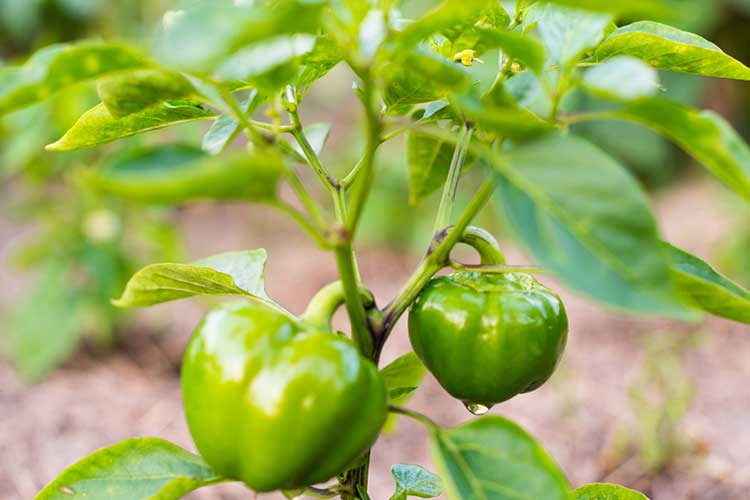
Bell peppers love the warmth, and raised planter boxes give them the well-drained soil and heat-retaining environment they need to flourish. Varieties like California Wonder or Mini Bells are well-suited for container growing, producing colorful, sweet peppers without taking over your space.
Plant seedlings about 18 inches apart to give them enough room to spread their branches. As the peppers develop, the weight of the fruit can sometimes cause stems to droop, so small stakes or cages can be added to support the plants. Keep the soil evenly moist and ensure plenty of sun, at least six hours a day, to encourage strong growth and vibrant fruit.
Herbs: Bonus Crops for Flavor and Pollinators
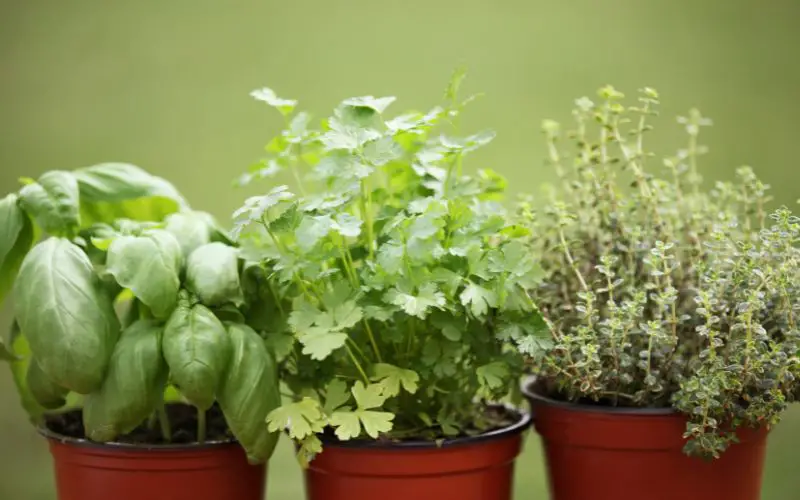
Adding herbs to your raised planter boxes brings extra flavor to your meals and helps attract pollinators to your garden. Easy-to-grow herbs like basil, parsley, thyme, and cilantro thrive alongside vegetables without competing for space. Their shallow roots and compact size make them perfect companions.
Tuck herbs into the corners of your planter boxes or between larger vegetable plants. Basil pairs well with tomatoes, while thyme and oregano can spread low around the base of peppers or cucumbers. Harvest herbs often by pinching off leaves or stems, which encourages fuller growth. Plus, flowering herbs like cilantro and dill invite bees and other helpful insects, boosting the health of your whole garden.
FAQs: Easy Vegetables To Grow In Raised Planter Boxes
Q1: How deep should a raised planter box be for vegetables?
Most vegetables grow well in boxes that are 10 to 12 inches deep. Root crops like carrots or beets may need a bit more depth—around 12 to 18 inches—to give roots plenty of space to develop. Shallow-rooted greens like lettuce and spinach are happy with less, but having a bit of extra depth helps retain moisture and gives plants more nutrients to draw from.
Q2: What’s the best soil mix for raised beds?
A balanced mix of one-third compost, one-third topsoil, and one-third peat moss or coconut coir works well for raised beds. This blend holds moisture without getting soggy and provides plenty of vegetable nutrients. Adding a handful of organic fertilizer or worm castings can give plants an extra boost.
Q3: How often should I water vegetables in planter boxes?
Raised beds dry out faster than in-ground gardens, especially in warm weather. Check the soil daily by sticking your finger about an inch down—if it feels dry, it’s time to water. Most vegetables prefer consistent moisture, so aim for about an inch of water per week, adjusting based on rainfall and temperature.
Q4: Can I grow vegetables in shaded areas?
Some vegetables tolerate partial shade, especially leafy greens like lettuce, spinach, and kale. Root crops like beets and carrots can manage with four to six hours of sunlight. Fruiting vegetables such as tomatoes, peppers, and cucumbers, however, need full sun—at least six to eight hours a day—to produce well.
Q5: What are the best fertilizers for raised bed vegetables?
Organic fertilizers like composted manure, worm castings, or balanced granular blends (10-10-10) work well. A liquid seaweed or fish emulsion can boost your plants mid-season for ongoing feeding. Always follow label directions, and remember that raised beds often need more frequent feeding since nutrients can leach out faster with regular watering.
Helpful Growing Tips & Insight
How to Fill Raised Planter Boxes for Optimal Soil Health
How to Keep Weeds Out of Your Raised Planter Boxes for Good
10 Creative Ways to use Raised Planter Boxes in Small Backyards
20 Practical Tips to Keep Your Raised Bed Soil Healthy All Season