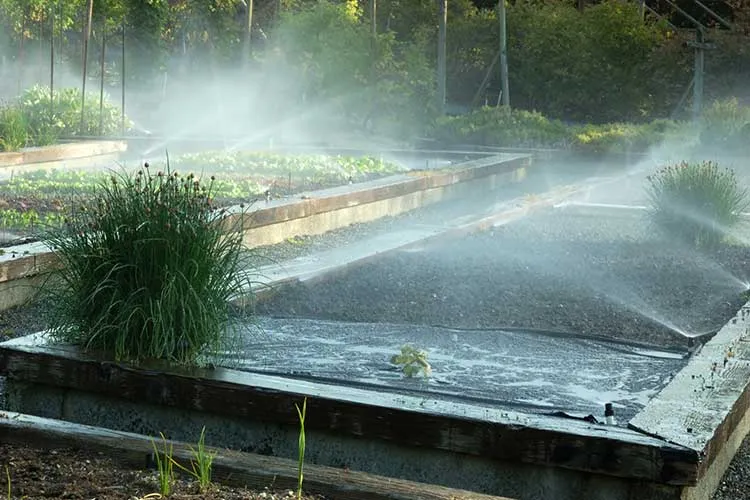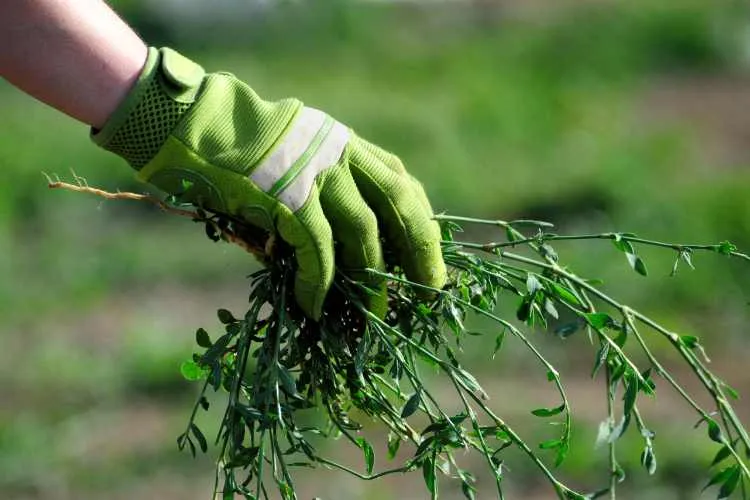
Weeds are tougher than they look. Even in raised planter boxes, where you control the soil, they still find a way in. One overlooked fact: weed seeds can stay dormant in soil for years, waiting for the right moment to sprout. And once they do, they compete with your vegetables and flowers for every drop of water and bit of sunlight.
If you’re tired of pulling weeds only to see more pop up days later, it’s time for a better plan. This guide on how to keep weeds out of your raised planter boxes for good gives you simple, effective steps that stop weeds before they start, saving you time, energy, and frustration all season long.
Why Weeds Invade Raised Planter Boxes
Raised planter boxes seem the perfect solution for growing veggies and flowers without weeds sneaking in. But somehow, they still manage to pop up! How does that happen? Even though your soil is contained, weeds are persistent. Airborne seeds drift in on the wind or hitch a ride with birds and insects. They land right on top of your freshly planted beds, easily settling into the loose soil.
Another sneaky source is the compost or soil you bring in. If your compost wasn’t hot enough to kill weed seeds, you might add trouble without realizing it. Bagged soil mixes from the garden center are usually safer, but they aren’t foolproof if stored improperly. Reusing soil from last year? That can also give weeds a head start, especially if roots or seeds were left behind after the last harvest.
Once you know how weeds find their way into your raised beds, stopping them before they take over is easier.
Start with Clean, Quality Soil
The best way to stop weeds before they start is by filling your raised boxes with clean, weed-free soil. Not all dirt is created equal! Scooping up soil from your yard or garden might seem convenient, but it often carries hidden weed seeds, roots, or pests that can sneak into your raised beds. In comparison, bagged soil mixes—especially those labeled for raised beds or containers—are typically screened and sterilized, reducing the risk of weeds sprouting later.
However, even bagged soil can be a gamble if it sits outside the store, exposed to windblown seeds. Always check for signs of weeds or mold before buying. For even more control, you can mix your blend at home. Combine compost, peat moss or coconut coir, and vermiculite or perlite for drainage. Ensure your compost pile reaches high enough temperatures (around 130-160°F) to kill off weed seeds.
Starting with clean soil saves you a ton of weeding later. Once your beds are filled, keeping them weed-free becomes much easier.
Add a Weed Barrier at the Base
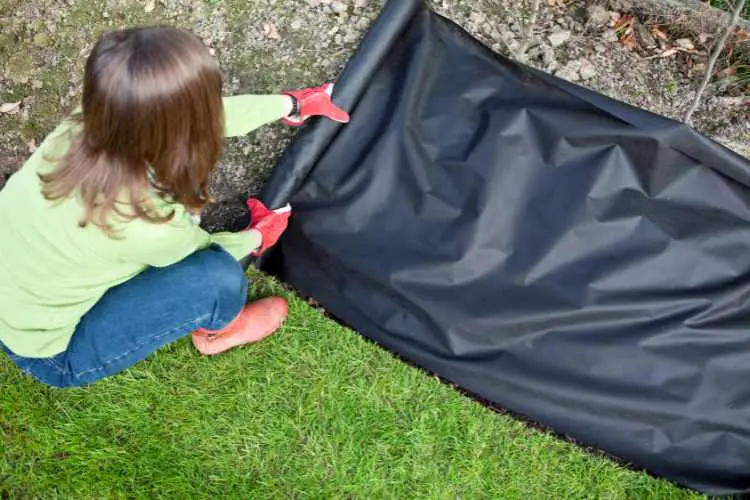
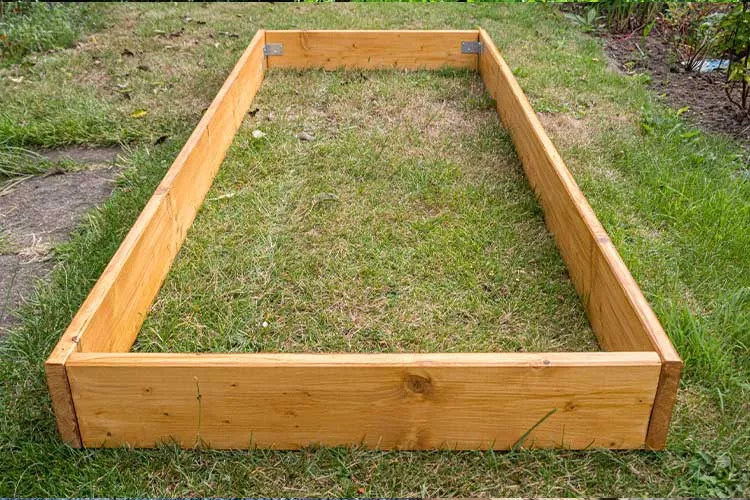
Before you even fill your raised planter boxes with soil, it helps to create a strong defense underneath. Weeds don’t just appear above—they can creep up from below, especially if your boxes sit directly on grass or bare ground. Adding a weed barrier at the bottom blocks those underground invaders from finding a way in.
Two popular options are landscape fabric and cardboard. Landscape fabric is durable and lets water drain through while keeping weeds out. It’s a good pick if you want a long-lasting layer. On the other hand, cardboard is cheap (or free) and breaks down slowly over time, adding organic matter to the soil. Just be sure to peel off any packing tape or glossy labels before laying it down.
Overlap the edges of your barrier so there are no gaps, and ensure it reaches all the corners of your box. Once that’s in place, you can add clean soil, knowing you’ve cut off one more path for weeds to sneak in.
Mulch the Surface to Block Light

Once your soil is in place, mulch acts like a protective blanket that keeps weeds from getting the sunlight they need to grow. Without light, most weed seeds won’t even bother sprouting. Mulching also helps retain moisture and keeps your soil from drying out too fast—a win for your plants and water bill.
There are plenty of mulch options, but some work better for raised beds. Straw is a favorite for vegetable gardens because it’s lightweight and breaks down easily, adding organic matter over time. Just ensure it’s seed-free straw (like wheat straw) so you don’t accidentally introduce more weeds. Shredded leaves are another budget-friendly choice, especially in fall when they’re everywhere. They settle into a nice mat over the soil. Wood chips or bark work too, though they’re better for perennial beds or around larger plants since they break down more slowly.
Aim for a mulch layer about two to three inches thick. Too thin, and light can still sneak through; too thick, and it might hold too much moisture. Replenish your mulch once or twice a season, especially if it starts to break down or look patchy.
Pull Weeds Early and Often
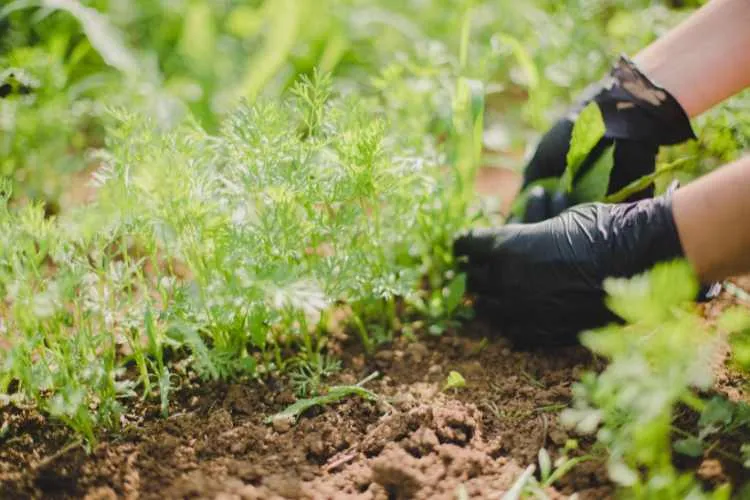
Even with mulch and barriers, the occasional weed will still try to sneak in. The trick is to catch them before they get comfortable. Young weeds are much easier to pull than mature ones with deep roots, so regular check-ins make all the difference. A quick walk through your raised beds once or twice a week can save you from a bigger weeding headache later.
When pulling weeds, aim to get the whole root out. Grabbing just the top will only give you a temporary fix, and the weed will bounce right back. The soil softens after a rain or watering, making it easier to tug the roots cleanly. A hand fork or weeding tool for tougher weeds helps loosen the soil around the base without disturbing your plants.
Keeping the soil surface covered with plants or mulch also means fewer spots for weeds to establish. Keep your raised boxes neat for a few minutes here and there to prevent weeds from stealing nutrients from your veggies or flowers.
Use Dense Planting and Ground Covers
One of the easiest ways to keep weeds from taking over is to give them as little room to grow. Planting your crops closer together helps shade the soil, making it harder for weed seeds to get enough light to sprout. While you don’t want to overcrowd your plants and block airflow, many vegetables and flowers thrive when spaced more closely than traditional garden rows.
Consider adding low-growing ground covers along the edges or in open spaces. Herbs like thyme or creeping oregano spread out nicely, covering bare spots where weeds might try to move in. Nasturtiums are a great choice for a pop of color—they sprawl over the soil and even help deter pests like aphids. These living mulches serve a double purpose: shading the soil to stop weeds and attract beneficial insects.
The more of your soil that’s covered—whether with plants or mulch—the less likely weeds will find a foothold. Keep an eye on how your plants are filling out; if there’s an open patch, fill it in!
FAQs About How to Keep Weeds Out
Can I reuse last year’s soil without getting weeds?
Yes, but with a little prep. Before reusing soil, pull out any leftover roots or weeds, and top it off with fresh compost to recharge nutrients. Adding a new layer of mulch also helps block any lingering weed seeds from sprouting.
Is landscape fabric better than cardboard for weed control?
Both work well, but they have different benefits. Landscape fabric lasts longer and lets water drain easily, making it a good option for permanent beds. Cardboard breaks down over time and adds organic matter to your soil, which is great if you plan to refresh your bed each season. Choose what fits your long-term plans for the bed.
Do raised beds need weeding every week?
A quick check once a week keeps weeds from getting ahead of you. You might not always find something to pull, but staying on top of it means you won’t face a bigger job later. Weeds grow fast, especially after rain, so regular attention makes the task easier.
Helpful Growing Tips & Insight
20 Practical Tips to Keep Your Raised Bed Soil Healthy All Season
How to Fill Raised Planter Boxes for Optimal Soil Health
10 Creative Ways to use Raised Planter Boxes in Small Backyards