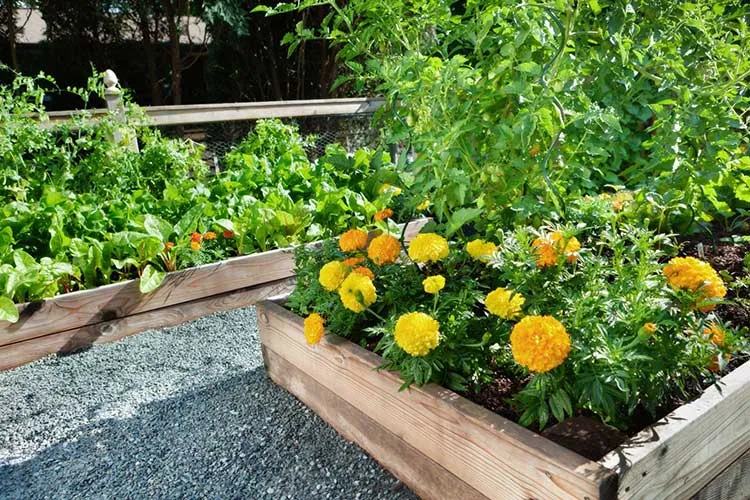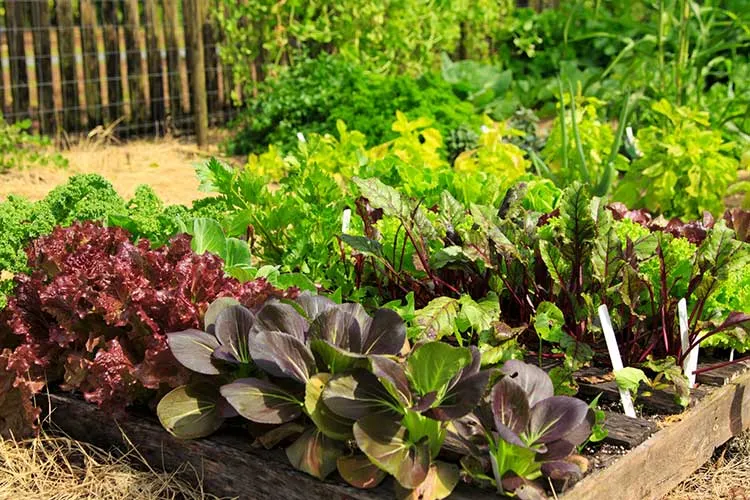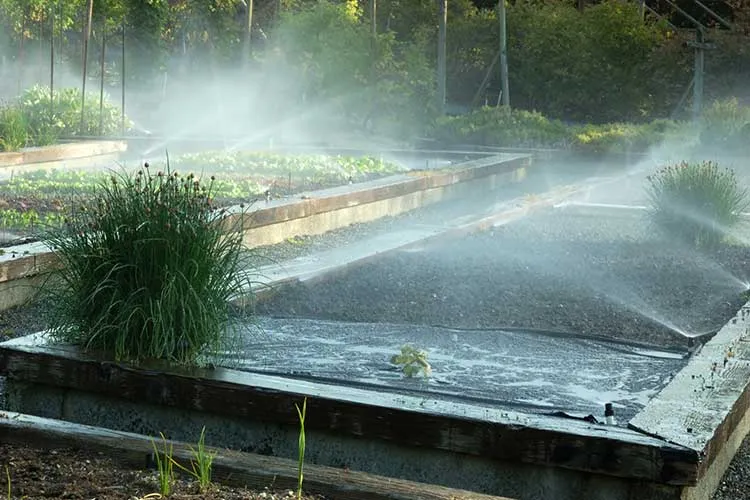
Growing vegetables or herbs shouldn’t feel like a guessing game. But something’s missing if you’re struggling with compacted soil, weeds popping up overnight, or aching knees from constant bending. Raised planter boxes fix these issues fast, giving you total control over soil quality, improving drainage, and lifting your garden to a comfortable height.
Research shows that raised beds warm up earlier in spring, extending your growing season and boosting yields. Knowing which type of raised box fits your space and plants is key, whether you have a small patio, a deck, or an open yard. This guide breaks down everything—materials, sizes, and maintenance—so you can stop wasting time and start growing healthier plants immediately.
Why Choose Raised Planter Boxes?
Raised planter boxes make gardening more accessible and enjoyable, especially if you’re working with limited space or tough soil. Whether you live in a city apartment with a small patio or manage a suburban backyard, these boxes allow you to grow flowers, herbs, and vegetables almost anywhere.
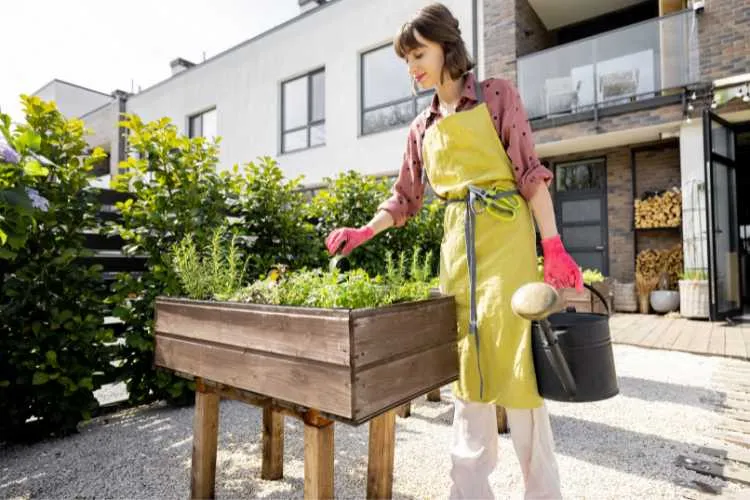
One of the biggest advantages is that raised boxes ease the strain on your body. Traditional gardening often means kneeling or bending over for long stretches, which can take a toll on your back and knees. Raised boxes bring the soil up comfortably, letting you tend to your plants while standing or sitting on a stool. It’s a small shift that makes a huge difference, especially if you deal with joint pain or limited mobility.
Drainage is another perk that’s hard to beat. Since the soil in raised boxes sits above ground level, water drains more easily, preventing the soggy conditions that can lead to root rot. This also means you have more control over the soil quality. You can fill your planter with a custom mix just right for your plants, without worrying about what’s lurking in the ground beneath.
Dealing with pests and weeds gets simpler, too. The elevated height creates a natural barrier for many common garden pests like slugs and rabbits. Plus, keeping weeds at bay is easier since you’re not planting directly into the ground. Fewer weeds mean less time pulling them and more time enjoying your garden.
Types of Raised Planter Boxes: Materials and Styles
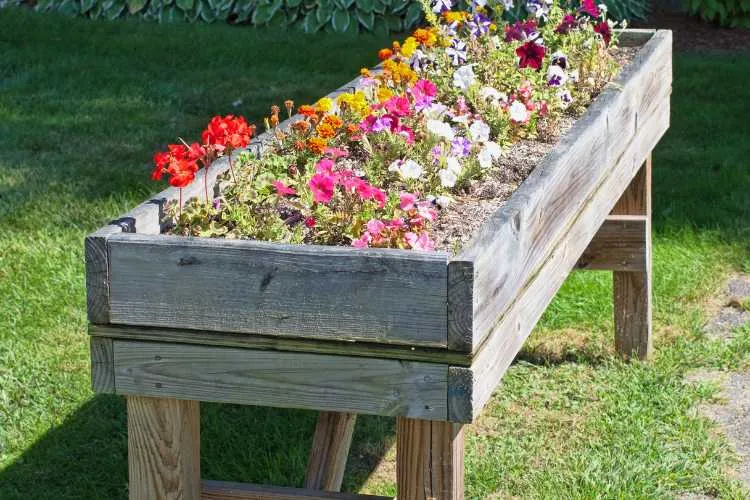
Choosing the right material for your raised planter box affects not only how it looks but also how long it lasts and how much maintenance it needs. Each option has strengths, so consider your space, budget, and how much upkeep you’re willing to do.
Wood
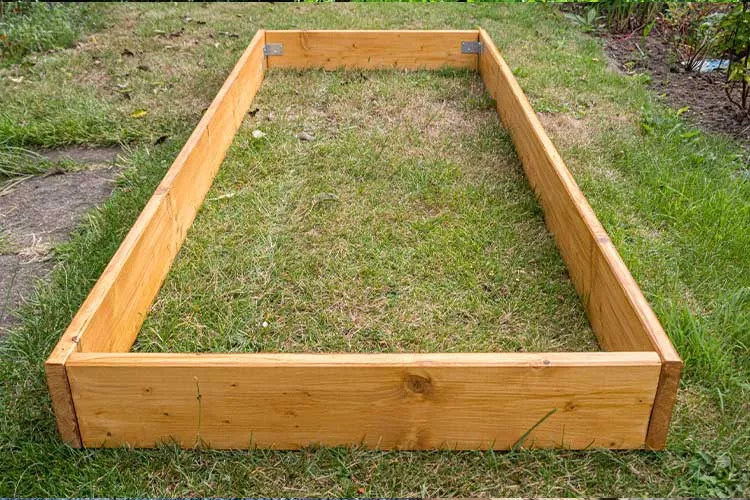
A wooden planter box is a classic choice that brings your garden a warm, natural feel. Cedar and redwood stand out because they naturally resist rot and insects without chemical treatments. These woods can handle outdoor weather for years, though adding a sealant can stretch their lifespan even further. They fit well in rustic and modern spaces, blending easily with other outdoor features.
Metal
In comparison, metal planter boxes, often made from galvanized steel, offer a sleek and sturdy alternative. Galvanized steel resists rust and stands up well to rain and sun. These boxes give a clean, modern edge to patios or urban balconies. While metal warms up faster in the sun, which can benefit plants in cooler climates, it may require a liner or shade during peak heat in hotter regions to keep roots from overheating.
Plastic and Composite
Plastic and composite materials offer another affordable, lightweight option. These boxes are easy to move around and require almost no maintenance. Look for food-safe plastic if you plan to grow vegetables or herbs. Composite blends, which mix recycled plastic with wood fibers, offer the appearance of wood without the worry of rot or splinters.
Stone or Concrete
For something more permanent, stone or concrete planter boxes bring unmatched durability. These heavy-duty options are perfect for patios or decks where you want a lasting feature. They can be molded into different shapes and styles, adding a polished look to your outdoor space. Remember, they’re harder to move once in place, so pick your spot carefully.
Raised planter boxes can match just about any design regarding style. Clean-lined metal boxes suit contemporary settings, while rustic wooden frames charm cottage gardens—mix and match materials to create layers of texture and interest in your space.
Raised Planter Boxes on Legs: Is Elevation Right for You?
Adding legs to a raised planter box takes convenience to the next level. These elevated designs lift the growing area even higher, making gardening easier on your back and perfect for anyone who prefers not to bend. They’re especially helpful if you work with limited space, like a balcony, patio, or small deck.
Benefits of a raised planter box with legs
One big advantage of planter boxes on legs is mobility. Many come with wheels or can be moved without hassle, allowing you to shift them around for better sunlight or seasonal changes. This makes them great for renters or anyone who rearranges their outdoor space.
Pest control gets even easier with elevated boxes. Raising the soil further off the ground puts an extra barrier between your plants and ground-dwelling pests like rabbits, slugs, or ants. While it won’t keep away every critter, it cuts down on many common issues gardeners face.
Things to Consider
However, you’ll want to consider weight distribution and stability, especially when placing a legged box on a deck or balcony. Soil and water get heavy fast, so it’s important to check the weight limits of your flooring and ensure the planter’s legs are sturdy enough to hold everything securely. Look for designs with wide-set legs or cross braces for added support.
Raised planter boxes on legs work best for shallow-rooted plants like herbs, greens, or flowers. While some models offer deeper growing space, most are designed for plants that don’t need a ton of soil depth. If you’re growing larger vegetables like tomatoes, you might need a deeper box without legs.
Best Raised Planter Boxes for Vegetables
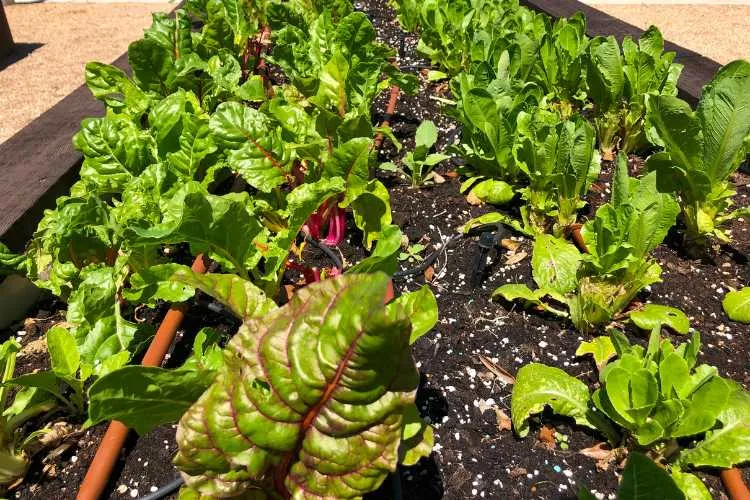
Growing vegetables in raised planter boxes makes it easy to control soil quality, spacing, and drainage—all important factors for a healthy harvest. However, not all planter boxes are built the same way. Picking the right size and material for your vegetable garden can greatly affect how well your plants grow.
Depth and width recommendations
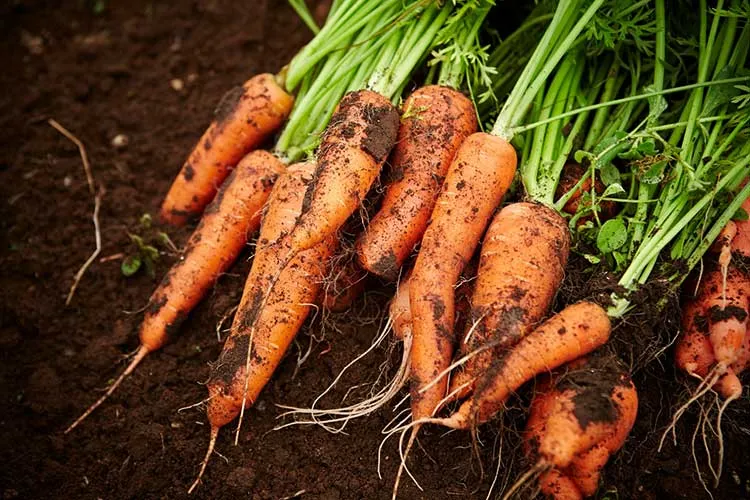
For most vegetables, depth is key. Leafy greens like lettuce or spinach do fine in boxes about 6 to 8 inches deep, but root crops like carrots, beets, and potatoes need at least 12 to 18 inches of soil to grow properly. Tomatoes and peppers also appreciate deeper boxes, around 18 to 24 inches, since their roots like room to spread. When planning, consider the mature size of the vegetables you want to grow and choose your box depth accordingly.
Width matters too. While narrow boxes work well for herbs or single rows of greens, vegetables like squash or bush beans need more space to stretch out. A 2 to 4-foot-wide box gives your plants enough room without making it too hard to reach the middle. Aim for a length that suits your space and needs, but keeping it between 4 and 8 feet makes it manageable for most gardeners.
Material choices for food-safe growing
Material choice also plays a role, especially when growing food. Look for food-safe materials like untreated cedar or redwood for wood options. If you prefer metal, galvanized steel is a safe choice that holds up well outdoors. Plastic boxes should be labeled BPA-free and food-grade to ensure no harmful chemicals leach into the soil.
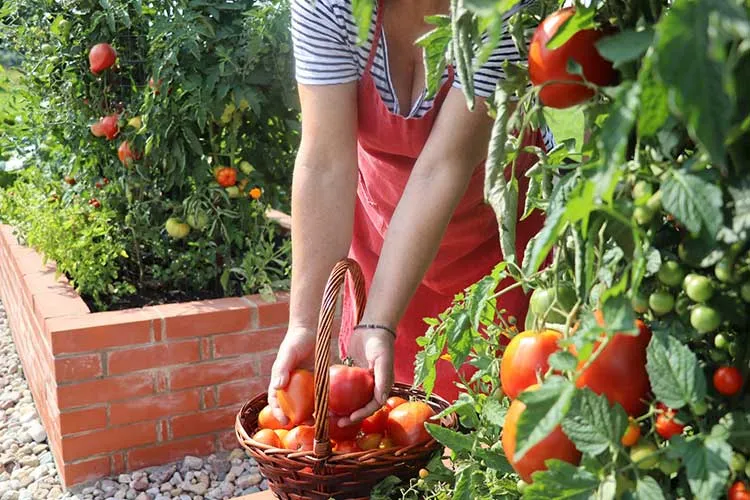
Certain vegetables do particularly well in raised boxes. Tomatoes thrive in deep, well-draining soil with plenty of sun. Peppers and eggplants also love the warmth that raised beds provide. Leafy greens like kale, lettuce, and Swiss chard grow quickly and can be harvested repeatedly throughout the season. Root vegetables like radishes and carrots appreciate the loose, airy soil you can create in a raised box, which helps them grow straight and smooth.
Raised Planter Boxes for Patios and Decks
Fitting a garden onto a patio or deck can feel like a puzzle, but raised planter boxes make it simple to add greenery without giving up too much space. These boxes come in compact designs that work well for small outdoor areas, allowing you to grow flowers, herbs, or vegetables right outside your door.
Space-saving designs
Space-saving designs like narrow rectangular boxes or tiered planters help maximize every inch. Vertical stacking options are especially helpful when floor space is tight. These allow you to grow more plants in a small footprint by stacking levels upward, perfect for herbs or shallow-rooted greens.
Weight considerations
However, weight is something you’ll need to consider. Soil gets surprisingly heavy once you add water, so check the weight limits of your deck or balcony before filling a large box. For lighter options, choose plastic or composite materials, which reduce the overall load without sacrificing growing space. To reduce soil weight, you can fill the bottom of deeper boxes with lighter materials like empty plastic bottles or packing peanuts.
Weatherproofing
Weatherproofing is another smart step for planters in exposed spots. Rain, sun, and temperature swings can wear down materials over time. Sealing wooden boxes with an outdoor-safe stain or sealant helps them resist moisture and UV damage. Metal boxes benefit from rust-resistant coatings, while plastic boxes usually hold up well without extra treatment.
Finally, think about how your planters blend with the rest of your outdoor setup. Choose colors and materials that complement your furniture or railing. Adding matching cushions, outdoor rugs, or string lights helps tie everything together, turning your patio or deck into a cozy garden retreat.
Growing Herbs in Raised Planter Boxes
Herbs thrive in raised planter boxes, making them a favorite for home cooks and gardeners. With just a little space and sunlight, you can grow fresh herbs that add flavor to your meals and fragrance to your outdoor area.
Why herbs thrive in raised beds
Most herbs don’t need deep soil, which makes them perfect for shallow boxes. A 6 to 8-inch depth is usually enough for herbs like basil, thyme, oregano, parsley, and chives. These shallow boxes are easier to move around and let you tuck them into small spaces like window ledges, balconies, or alongside a sunny wall.
Herb combinations that work well together
Mixing herb varieties in the same box works well, but you’ll want to group those with similar water and sunlight needs. Mediterranean herbs like rosemary, thyme, and oregano prefer drier soil and lots of sun, while basil and parsley like more moisture. Keeping compatible herbs together makes it easier to manage their care.
Consider planting in staggered rows or creating small clusters to give each herb room to grow without crowding its neighbors. Letting herbs like mint have their container is also a good idea since they can spread aggressively and take over space meant for other plants.
One bonus of raised boxes for herbs is the convenience of harvesting. Snipping a few rosemary sprigs or a handful of basil is as easy as stepping outside, and no bending or searching is required. Plus, having them close by encourages you to use fresh herbs more often in your cooking.
DIY vs. Pre-Built Raised Planter Boxes: What’s Better for You?
Deciding between building your own raised planter box or buying a pre-built one comes down to budget, time, and how handy you feel with tools. Both options can give you a great garden space, but each has pros and cons.
DIY vs. Ready-made options
Building your own
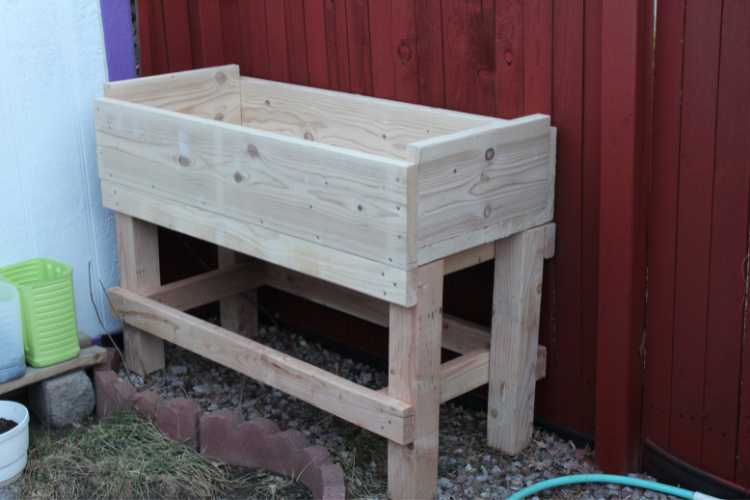
Building your planter box often costs less, especially if you already have some tools. Basic materials like untreated cedar, screws, and corner brackets are affordable, and you can customize the size and shape to fit your space perfectly. DIY can be a rewarding choice if you enjoy woodworking or like tackling weekend projects. However, you’ll need a saw, drill, measuring tape, and a bit of patience to get it done right.
Pre-built planter boxes

On the other hand, pre-built planter boxes save time and effort. They come ready to assemble or be fully constructed, letting you start planting sooner. These boxes are ideal if you’re short on time, not confident with tools, or want the convenience of a ready-made solution. Brands like VegTrug, Keter, and Yaheetech offer a range of sturdy, attractive options in different materials and sizes.
Pre-built boxes cost more than DIY materials but often have features like built-in liners, shelf storage, or decorative finishes that add value. They also tend to be designed for easy assembly, often requiring just a few screws or snaps.
If you enjoy customizing and have the tools, building your box lets you create exactly what you need. If you’re more focused on getting plants in the soil fast, a pre-built option might be the way to go.
Maintenance Tips for Long-Lasting Raised Planter Boxes
Keeping your raised planter boxes in good shape doesn’t take much effort, but a little care goes a long way toward making them last season after season. Regular maintenance helps prevent weather damage and keeps your garden looking fresh.
Sealing and staining wood
For wooden boxes, sealing or staining the exterior once a year helps protect against moisture, sun exposure, and insects. Choose a non-toxic, outdoor-safe sealant, especially if growing vegetables or herbs. Apply it when the box is dry, and give it time to cure before planting. This step helps prevent the wood from rotting or splitting over time.
Preventing rust in metal boxes
Metal boxes, especially galvanized steel, resist rust pretty well, but checking for scratches or chips in the coating helps keep them in top shape. If you spot any exposed metal, touch it with rust-resistant paint or spray to stop corrosion before it starts. Avoid letting soil or water sit against uncoated metal for too long, which speeds up rusting.
Cleaning and seasonal care
Plastic or composite boxes are the easiest to maintain since they don’t rot or rust. At the end of the season, give them a quick scrub with soapy water to remove dirt and grime. This keeps them looking clean and prevents buildup that could harbor pests.
No matter what material you use, clear out old plant debris at the end of the growing season. Refreshing the soil or adding compost helps keep your plants healthy year after year. If your planter has a liner, check it for wear and replace it when needed.
FAQs About Raised Planter Boxes
Do raised planter boxes need drainage holes?
Yes, drainage holes are essential. They prevent excess water from pooling at the bottom of the box, which can lead to root rot. If building your box, drill several holes evenly along the base. For pre-built models, check that they come with holes or add some yourself if needed.
What’s the best soil mix for raised beds?
Mixing topsoil, compost, and a loose material like perlite or coarse sand works well. Aim for a blend that holds moisture but drains well, giving roots access to air and nutrients. A 60% topsoil, 30% compost, and 10% perlite mix provides a good balance for vegetables.
How deep should a raised planter box be?
It depends on what you’re growing. Herbs and leafy greens thrive in boxes as shallow as 6 to 8 inches. Root crops and larger vegetables like tomatoes need deeper soil—about 12 to 24 inches—to give their roots enough space to grow.
Can I use raised boxes indoors?
You must manage water carefully to avoid spills or moisture damage. Place a waterproof tray or liner under the box and ensure there’s a way to catch excess water from drainage holes. Choose plants suited for indoor light levels, like herbs or leafy greens, near a sunny window.
How often should I water raised beds?
Watering frequency depends on the weather, the size of the box, and what you’re growing. Raised beds dry out faster than in-ground gardens, especially in warm or windy conditions. Check the soil moisture daily by sticking your finger about an inch deep—if it feels dry, it’s time to water.
Smart Growing Tips & Insight
13 Easy Vegetables To grow In Raised Planter Boxes