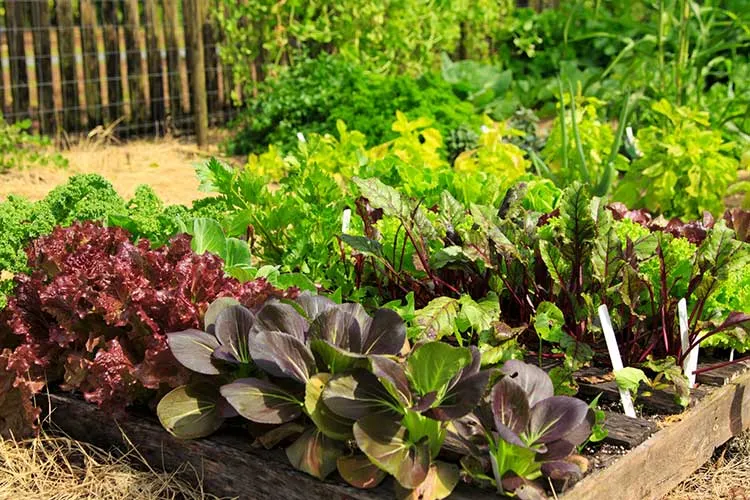
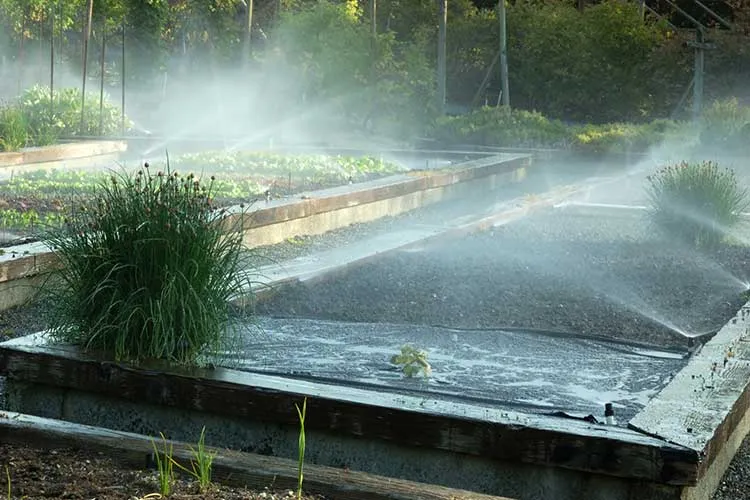
You’re not alone if you want to boost your garden’s productivity without relying on chemical fertilizers. Synthetic fertilizers may promise fast results, but they can deplete soil health over time and contribute to harmful runoff that pollutes waterways. Healthy soil is the foundation of a thriving garden, and natural fertilizers offer a sustainable solution by improving nutrient levels and supporting beneficial microbes.
Organic amendments like compost, manure, and seaweed strengthen your plants, help prevent soil erosion, and improve water retention. Whether battling poor soil, yellowing leaves, or lackluster growth, this guide will walk you through the best natural fertilizers to nourish your garden while protecting the environment—no chemicals required.
Compost: The Foundation of Natural Fertilizers
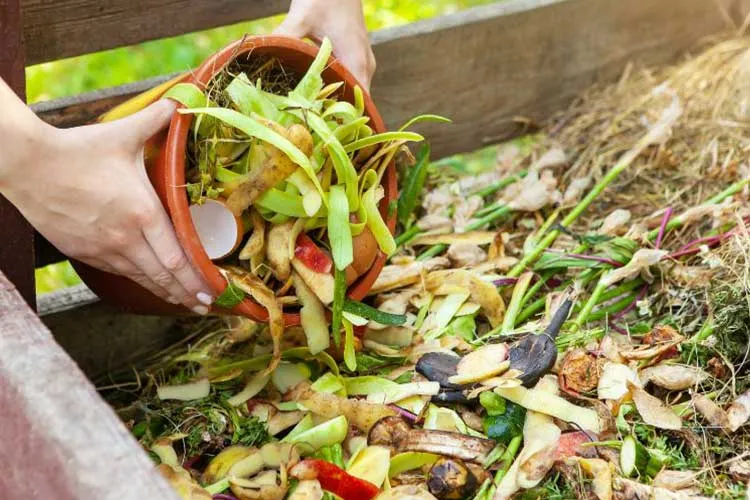
Compost is a powerful, all-natural way to feed your garden while reducing kitchen and yard waste. It combines food scraps, like fruit and vegetable peels, coffee grounds, and eggshells, with yard waste, such as grass clippings, dry leaves, and small twigs. Over time, these materials break down into nutrient-rich organic matter that improves soil health.
Compost provides plants with a balanced boost of nitrogen, phosphorus, and potassium while adding beneficial microbes that enhance the soil’s ability to retain moisture. A good compost pile needs a balance of “greens” (wet, nitrogen-rich items like food scraps) and “browns” (dry, carbon-rich materials like leaves or straw). Maintaining a ratio of roughly two parts brown to one part green helps prevent unpleasant odors and speeds up the decomposition process.
Turning your compost regularly introduces oxygen, which fuels helpful bacteria and prevents the pile from getting soggy. However, too much moisture or failure to mix the pile can lead to slow breakdown and smelly conditions. Avoid adding meat, dairy, or greasy foods, which can attract pests and disrupt composting. With some care, you’ll have dark, crumbly compost that your plants will love.
Manure: A Time-Tested Soil Enhancer
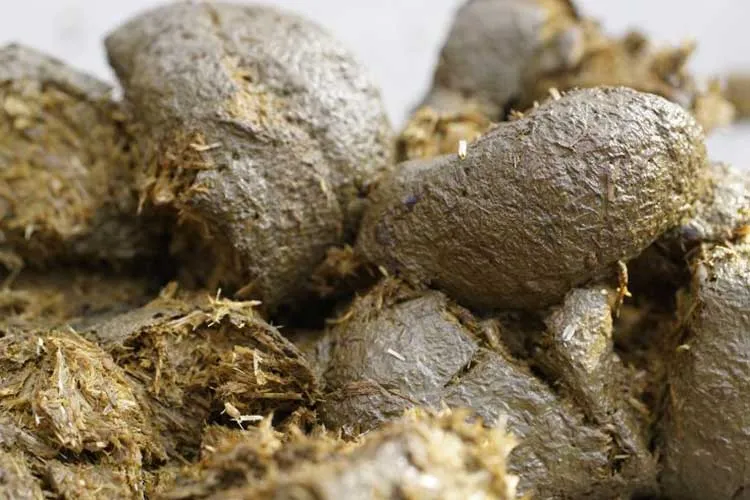
Manure has been a trusted soil booster for centuries due to its rich nutrient content and ability to improve soil structure. Different types of manure, such as cow, chicken, and horse, each offer unique benefits. Cow manure is well-balanced and helps with moisture retention, while chicken manure is packed with nitrogen, making it ideal for leafy greens. Horse manure adds organic matter and aerates the soil but tends to contain more weed seeds if not properly composted.
Raw manure can cause “burn” in plants because of its elevated ammonia content. Therefore, it needs to age or be composted for several months before it’s safe to apply in your garden. Once aged, manure transforms into a gentler, slow-release fertilizer that benefits plant roots without causing damage. You can blend it into the soil or use it to enhance raised beds at the beginning of the growing season.
Avoid applying manure close to harvest time for edible plants—especially root vegetables- to minimize odors and ensure safety. Incorporating it into the soil a few inches deep and watering it in can also reduce smell and help nutrients absorb faster. When handled properly, manure can give your garden a robust nutrient foundation.
Seaweed: The Mineral-Rich Ocean Fertilizer
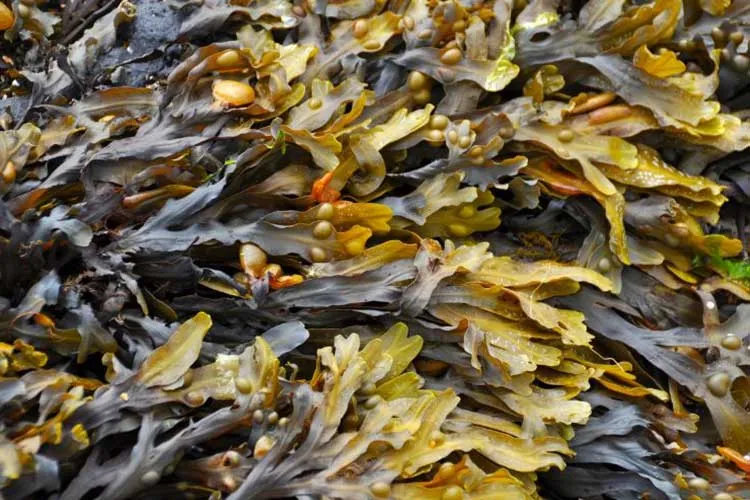
Seaweed is a fantastic natural fertilizer packed with essential trace minerals, potassium, and plant-growth hormones that help plants thrive. It’s especially valuable for improving soil structure and supporting overall plant resilience. Unlike many fertilizers, seaweed is low in nitrogen, making it gentle enough for frequent use without the risk of overfeeding.
Liquid seaweed extracts are a convenient option, offering a concentrated dose that can be diluted and sprayed directly onto leaves as a foliar spray or applied to the soil. Foliar sprays are absorbed quickly, providing an instant nutrient boost, while soil drenches help improve long-term soil health. Raw fresh or dried seaweed can also be added directly to garden beds or compost piles for a slow-release effect.
To avoid introducing excess salt, rinse fresh seaweed thoroughly before use. Whether applied directly to your soil or sprayed onto leaves, seaweed can give your plants the minerals they need for stronger roots, greener foliage, and improved stress resistance.
Blood Meal: A Nitrogen Boost
Blood meal is a powdered fertilizer made from dried animal blood, typically from cattle, and is prized for its high nitrogen content. It’s an excellent option for correcting nitrogen deficiencies in plants, which often show up as pale, yellowing leaves and sluggish growth. This fast-acting supplement helps fuel lush green foliage, making it especially useful for leafy vegetables like lettuce, kale, and spinach.
However, blood meal is potent, so applying too much can overwhelm your plants and lead to excessive nitrogen levels, which may cause weak stems or delayed flowering. To avoid this, follow the recommended application rates on the label—usually a light sprinkling worked into the soil before watering.
Since blood meal is an animal by-product, it can attract pests if left on the surface. Mixing it into the soil helps reduce this risk while also distributing nutrients more evenly. When applied thoughtfully, blood meal gives your garden a quick, reliable nitrogen boost for healthier, more vibrant plants.
Vermicompost: Harnessing the Power of Worms
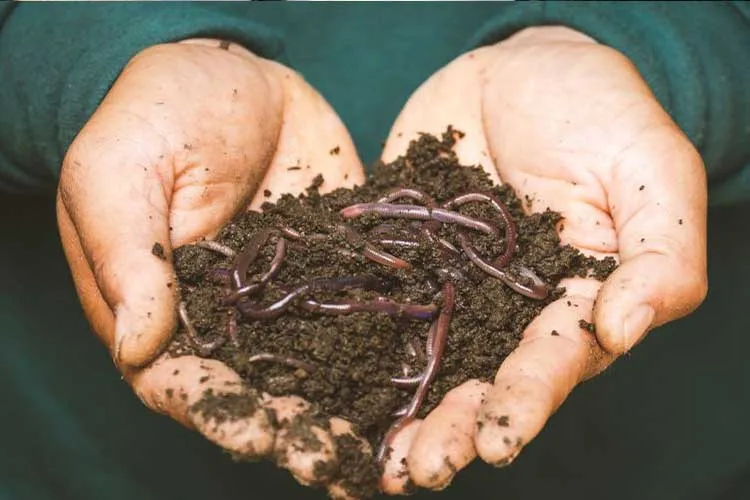
Vermicomposting is a method of composting that uses red wiggler worms to break down organic matter into nutrient-rich castings. These worm castings, also known as “black gold,” are packed with beneficial microbes, nitrogen, phosphorus, and other essential nutrients that plants need to thrive. Vermicompost also improves soil texture and enhances moisture retention, making it a powerhouse addition to any garden.
To start a vermicompost bin, you’ll need a container with ventilation, bedding material like shredded paper or coconut coir, and your hardworking red wiggler worms. Add small amounts of food scraps, such as fruit peels and vegetable trimmings, and avoid feeding them citrus, dairy, or meat, which can create odors or harm the worms. Regularly check moisture levels—bedding should be damp, like a wrung-out sponge—and gently stir the contents to keep airflow consistent.
One of the biggest perks of vermicomposting is that it’s virtually odorless and can be done indoors or outdoors. When maintained properly, the worms efficiently convert scraps into castings without unpleasant smells. The final result is a dark, crumbly material that can be mixed directly into the soil or steeped in water to create a plant compost tea.
Household Items such as Organic Fertilizers
Everyday kitchen scraps can be transformed into valuable nutrients for your garden. For example, coffee grounds are an excellent nitrogen source and can be sprinkled around acid-loving plants like blueberries and tomatoes. Banana peels provide a slow-release source of potassium, which helps strengthen stems and promote flowering. Crushed eggshells are rich in calcium and can help prevent blossom end rot in tomatoes and peppers.
Ensure they’re properly prepared to get the most out of these household items. Rinse banana peels and eggshells to avoid attracting pests, and crush eggshells finely so they break down more quickly in the soil. Coffee grounds should be used in moderation to prevent the soil from becoming overly acidic.
Avoid using kitchen scraps containing oils, meats, or sugary foods, as they can attract rodents and create unpleasant odors. When used thoughtfully, these simple kitchen by-products can enrich your soil naturally and reduce waste at the same time