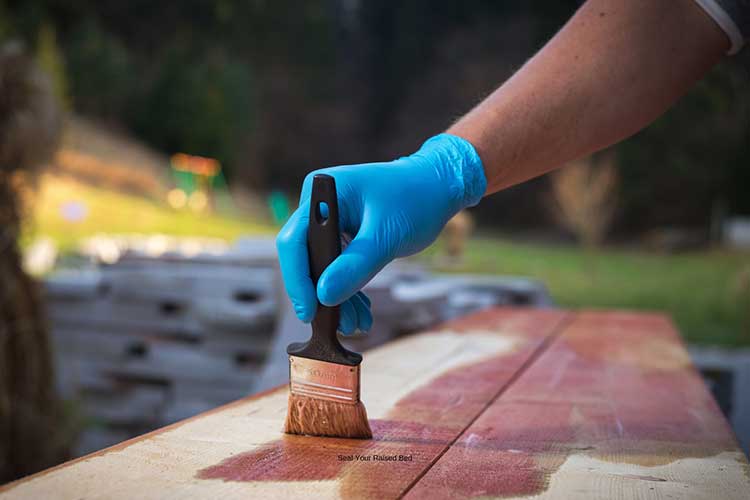
Sealing your wood raised bed is crucial to protecting it from harsh outdoor conditions and extending its lifespan. Without proper sealing, wood is vulnerable to moisture absorption, leading to swelling, rot, and mold growth. This damage weakens the structure and invites pests that accelerate decay.
Should I seal the wood on a raised garden bed? Sealing the wood of a raised garden bed extends its life and protects it from moisture and decay. Choose a non-toxic, plant-safe sealer, especially for vegetable gardens, to avoid chemical leaching into the soil and affecting plant health.
Using non-toxic sealants for your wood raised bed is essential for eco-friendly gardening, as they prevent harmful chemicals from leaching into the soil.
Why Sealing Your Wood Raised Bed Matters
Wood raised beds are constantly exposed to harsh outdoor conditions, which makes them highly susceptible to damage over time. When left unprotected, wood absorbs moisture, leading to swelling, rotting, and the growth of mold and mildew. Pests can also infiltrate untreated wood, causing structural weakness and hastening decay.
Using non-toxic wood treatments has an additional environmental benefit: they don’t leach harmful chemicals into the soil. This is especially important for raised garden beds where soil health directly impacts your vegetables, herbs, and other plants.
Non-toxic sealants create a safe barrier, ensuring your produce remains free from contaminants and your garden stays eco-friendly. Choosing a protective method that’s both effective and soil-safe is essential for responsible gardening. It offers peace of mind while extending the life of your wood raised beds.
Non-Toxic Wood Sealers Safe for Raised Garden Beds
When sealing wood for your raised garden beds, choosing non-toxic, eco-friendly options is crucial to maintaining soil and plant health. Here are several effective and safe sealant options to consider:
Non-Toxic Stain & Sealant
A non-toxic stain and sealant are great ways to protect your wood while enhancing its natural beauty. These water-based products penetrate the wood fibers, providing a protective layer that resists moisture and slows down decay. The benefit of a stain and sealant combo is its ability to bring out the wood’s grain while shielding it from the elements.
Application is straightforward: using a brush or roller ensures full coverage, especially on end grains and exposed cuts. For best results, apply multiple thin coats and allow each to dry completely before adding another. Look for products that specify being VOC-free and labeled as safe for vegetable gardens.
Non-Toxic Invisible Waterproofer
A non-toxic, invisible waterproofer is ideal for gardeners who prefer to maintain the wood’s natural appearance. These sealers form a transparent, water-repellent layer without altering the wood’s color or texture. Invisible waterproofers are perfect for hardwoods with beautiful grain patterns that you want to showcase.
They work well in areas that see heavy rain or watering. To apply, thoroughly clean the wood surface, then spray or brush on the waterproofer evenly. Pay extra attention to the end grains, as these areas absorb moisture more easily. Reapply every few years to ensure ongoing protection.
Non-Toxic Waterproofer for Inside the Beds
Sealing the inner surfaces of your raised beds is just as important as treating the exterior. This inner layer is constantly exposed to moisture from soil and irrigation. A non-toxic waterproofer designed specifically for interior use provides a crucial moisture barrier.
Brush-on or spray application methods work well for this, and it’s recommended to line the wood surfaces thoroughly. An extra precaution is to install a breathable liner, such as landscape fabric, to help minimize direct soil-to-wood contact. This reduces the risk of rot and preserves the structural integrity of your garden beds.
All-Natural Tung Oil Sealant
Tung oil is a classic wood sealant derived from the seeds of the tung tree. It’s FDA-approved for use on surfaces that come into contact with food, making it perfectly safe for raised beds. Tung oil penetrates deeply and hardens to create a durable, water-resistant finish. This natural oil also enhances the rich wood tones, enhancing its appearance.
To apply tung oil, start with clean, sanded wood and rub a generous amount into the grain with a lint-free cloth. Multiple coats are necessary for full protection, and each coat needs 24 to 48 hours to cure before applying the next. Remember that tung oil can take up to a week to cure fully.
Linseed Oil Stain & Sealant
Linseed oil, another natural option, is derived from flax seeds and is valued for its protective and nourishing qualities. It gives wood a warm, amber tone and provides moderate water resistance. However, linseed oil can take longer to dry, requiring multiple coats to seal effectively.
Boiled linseed oil, which dries faster than raw linseed oil, is commonly used for this purpose, but ensure it’s free from chemical additives when used in vegetable gardens. A safety precaution: Rags soaked in linseed oil can be prone to spontaneous combustion, so dispose of them carefully by soaking in water and placing them in a metal container.
Non-Toxic Paints
Non-toxic paints are an excellent option for those who want to add a splash of color to their garden while protecting their raised beds. Eco-friendly latex-based and oil-based paints provide a thick, protective layer against moisture and UV damage. Latex paints are easy to clean up and dry quickly, while natural oil-based paints offer deeper penetration and longer-lasting protection.
When applying paint, prep the wood by sanding and priming to ensure a smooth, even finish. Focus on end grains and joints, where moisture most likely seeps in. While painted surfaces require occasional touch-ups, they provide both a decorative and functional advantage for wood preservation.
Do I Have to Seal a Wood Raised Bed?
Whether or not to seal a wood raised bed is common among gardeners, and the answer depends on your goals and the type of wood you’re using. Sealing wood significantly extends its lifespan by protecting it from moisture, rot, and decay.
Treated wood lasts several years longer than untreated wood, saving you the trouble and cost of frequent replacements. This is particularly important if you’re using softer, more affordable wood types, like pine, which are more prone to water damage.
However, sealing isn’t always necessary. If you’ve chosen naturally rot-resistant wood, such as cedar, redwood, or cypress, your raised beds can withstand the elements longer without additional protection.
These woods contain natural oils that make them highly durable, even when left untreated. But while sealing isn’t essential for these woods, it can still enhance their longevity and appearance.
The Best Types of Wood to Use for Raised Beds
Choosing the right type of wood for your raised beds can significantly affect their durability and your garden’s overall success. Here are some popular options, along with their advantages and considerations:
Cedar
Cedar is one of the top choices for raised beds due to its natural rot resistance. It contains oils that act as a natural preservative, protecting the wood from moisture, decay, and insects. Cedar is relatively lightweight, easy to work with, and weathers to a pleasant silver-gray. While it can be more expensive than softer woods like pine, its longevity often justifies the cost.
Redwood
Redwood shares similar qualities with cedar, offering excellent resistance to rot and pests. It is a durable and beautiful wood, often prized for its rich, red color. Like cedar, redwood can be more costly, but it’s a worthwhile investment for long-lasting raised beds. When sourcing redwood, choose sustainably harvested wood to minimize environmental impact.
Cypress
Cypress is another excellent option, known for its natural durability and resistance to decay. It contains a substance called cypressene, which acts as a preservative. Cypress wood is more affordable than cedar or redwood in some regions, making it a cost-effective choice for raised beds. Its availability may vary depending on your location.
Pine and Other Softwoods
If budget constraints are a concern, pine and other softwoods can be used for raised beds, but they are more vulnerable to rot and damage. Sealing or treating pine with a non-toxic wood protector is crucial if you choose this route. With proper care, pine can last several years, but it typically won’t match the longevity of cedar or redwood.
Ways to Extend the Life of Your Garden Beds
Making your wood raised beds last as long as possible can save you time, money, and effort in the long run. Here are some practical tips to help extend the life of your garden beds:
Use Wide Planks and Thick Boards
The thickness of the wood you use can significantly affect its durability. Thicker boards are less likely to warp, crack, or decay over time than thinner ones. Wide planks also have a greater mass to resist rot and provide more structural stability. Although thicker boards may cost more upfront, their added lifespan is often worth the investment.
Reduce Wood-to-Earth Contact
One of the most effective ways to preserve your wood is to minimize direct contact with the soil, where moisture and microbes accelerate decay. Lining the inside of your raised beds with a breathable material, such as landscape fabric, helps create a barrier. Another method is installing a plastic sheeting layer or using stones or gravel beneath the boards to prevent prolonged soil exposure. Just ensure any liners allow proper drainage to keep the soil healthy.
Ensure Good Drainage
Proper drainage is crucial to preventing wood from sitting in waterlogged conditions, which can speed up rotting. To promote good drainage, consider adding a layer of gravel at the bottom of your raised beds or using landscape fabric to separate the soil from the wood. Another technique is to slightly elevate the beds to keep excess water from pooling around the base. This extends the life of your wood and keeps your plants’ root systems healthy and well-aerated.
Conclusion
Sealing your wood raised bed is a wise investment that pays off by extending the life of your garden structure and protecting your soil from harmful contaminants. Using eco-friendly, non-toxic wood sealants helps keep your garden safe and sustainable, ensuring that your plants thrive without exposure to chemicals.