You’ve spotted holes in your lettuce, sticky residue on your tomato leaves, or clusters of aphids under new growth—and you’re done guessing. You want a Natural Spray for Vegetable gardens that works, not another mix that rinses off in the rain or only half-solves the problem. Studies show over 60% of common garden sprays contain synthetic additives, even when labeled “natural.”
These chemicals harm pests, damage soil microbes, kill pollinators, and leave residues on food. This guide cuts through the noise. It offers proven homemade spray recipes, reliable store-bought options, and step-by-step tips to protect your crops without compromising safety or wasting time. If you’re ready to stop pests without the chemicals, you’re in the right place.
Why Go Natural? The Risks of Synthetic Sprays
If you’ve ever hesitated before spraying something on your tomato plant, you’re not alone. Many gardeners rethink chemical sprays once they realize what’s getting into their food. Synthetic pesticides often leave behind residues that don’t just wash off. That means even your homegrown vegetables—things you pick and eat fresh—could carry traces of lab-made chemicals.
Beyond what ends up on your plate, synthetic sprays can hit your garden’s “good guys” hard. Bees, butterflies, ladybugs, and even earthworms play a role in keeping things balanced. When those populations take a hit, your plants can suffer in other ways. Healthy soil biology also takes a hit, and once that balance is off, you may find yourself dealing with even more pests or diseases over time.
Kids and pets are another significant reason gardeners are opting for natural alternatives. Curious hands and paws often end up exactly where you just sprayed. Chemical exposure—even from garden-safe products—can be risky, especially for small bodies or sensitive systems.
With consumer demand shifting, regulations are tightening on what can be sold and sprayed. Gardeners lean more toward natural and organic choices, not just because they’re trendy but safer, smarter, and often just as effective when used correctly.
How Natural Sprays Work to Repel Pests
Natural sprays don’t usually kill pests on contact like synthetic options do. Instead, they work by making your plants less appealing. Some sprays mask pests’ scent trails, while others create bitter tastes or irritate their bodies. The goal isn’t to wipe them out instantly, but to break their habits and send them looking elsewhere.
You’ll often find that natural sprays focus on repelling rather than destroying. That’s a good thing—fewer dead bugs mean your beneficial insects stay safe. Ladybugs, lacewings, and bees can keep doing their jobs without being harmed by broad-spectrum pesticides.
Since natural ingredients break down quickly, reapplication is a necessary part of the process. Rain, strong sun, or heavy dew can wash or weaken the spray, so you must build it into your routine. That doesn’t mean more work—it just means watching for signs and staying consistent.
Patience is key here. You might not see results overnight, but after a few days of regular use, the changes appear in healthier leaves, fewer bite marks, and pests slowly backing off.
Common Garden Pests You Can Control Naturally
Certain pests appear like clockwork once your vegetables start growing, but you don’t need to reach for harsh chemicals to keep them in check. Aphids, whiteflies, spider mites, flea beetles, and cabbage loopers are manageable with natural sprays, especially when caught early.
Aphids are tiny, soft-bodied bugs that cluster on the undersides of leaves or new growth. You’ll notice curled or yellowing leaves and sticky residue left behind, which can lead to mold. Cabbage loopers, on the other hand, are green caterpillars that chew irregular holes through cabbage, kale, and broccoli. Look for black droppings or frass near chewed areas as your first clue.
Whiteflies swarm up in a puff of white if you brush the plant. They suck plant juices and weaken growth. Spider mites are nearly invisible, but leave behind a dusty appearance or fine webbing on tomato and bean plants. Flea beetles create a pattern of tiny, round holes in leafy greens and young seedlings—if your leaves look like someone peppered them with a shotgun, that’s a strong hint.
Each pest has weaknesses, and matching the right natural spray makes a difference. Neem oil is effective against soft-bodied insects, such as aphids and whiteflies. Caterpillar-targeted sprays like BT (Bacillus thuringiensis) can stop cabbage loopers before they grow large enough to do major damage. The more closely you match the method to the pest, the faster you’ll see results without harming the rest of your garden.
Top DIY All-Natural Spray Recipes You Can Make at Home
You don’t need a fancy setup or hard-to-pronounce ingredients to make your garden sprays. With a few basics from your kitchen or pantry, you can mix up natural pest repellents that work just as well as store-bought options. Each of these sprays targets common pests and can be made in under 15 minutes.
a. Garlic-Pepper Spray
This spicy combination overwhelms pests with its strong scents and flavors. To make it, blend 2 bulbs of garlic and 4 hot peppers (like jalapeños or cayenne) with 2 cups of water. Strain the mixture through a fine mesh or cheesecloth, then add enough water to make one gallon. Stir in a few drops of biodegradable dish soap to help the spray stick to leaves.
Store it in a sealed container in the fridge for up to a week. Shake well before each use and spray early in the morning. It’s especially effective on aphids, whiteflies, and caterpillars, but don’t spray it on hot sunny days—strong oils can cause leaf burn in direct sun.
b. Neem Oil Spray
Neem oil comes from the seeds of the neem tree and is one of the most trusted natural insect controls. It doesn’t kill on contact but disrupts the pest’s life cycle, stopping feeding, molting, and reproduction. Use cold-pressed, organic neem oil for the best results.
Mix two teaspoons of neem oil with one teaspoon of Castile soap in a quart of warm water. Shake it in a spray bottle and use it within one to two days. Spray the undersides of leaves and along plant stems, especially where pests gather.
Neem can be strong in direct sunlight, so spray early or late in the day. Avoid using it when bees are active, as it can affect them if they come into contact with wet spray.
c. Soap Spray (Insecticidal Soap Alternative)
This simple solution suffocates soft-bodied insects, such as aphids and mites. Mix 1 tablespoon of castile soap (or unscented biodegradable dish soap) with 1 quart of water. Stir gently—too many bubbles can clog your sprayer.
This spray works best when applied during cooler parts of the day, either early morning or evening. It’s gentle on most vegetables, but always test it on a few leaves before treating the whole plant. Avoid using soaps with degreasers, fragrance, or antibacterial additives, as those can damage plants.
d. Vinegar + Peppermint Oil Spray
This spray combines the acidity of vinegar with the strong scent of peppermint to discourage ants, beetles, and some fungal problems. Mix 1 cup of white vinegar with 2 cups of water and 10–15 drops of peppermint essential oil in a spray bottle. Add a small squirt of soap to help the mix stick.
This isn’t for delicate plants—test it first on leafy greens like spinach or lettuce, as the acidity can cause spotting. But for tougher plants and pathways, it’s a great natural barrier against crawling insects.
Once these sprays are on hand, you’ll find it easier to respond quickly when pests appear. Keeping a few labeled bottles in the fridge or garden shed means you’re ready before damage sets in.
Store-Bought Natural Sprays That Actually Work
If mixing your spray isn’t your thing, or you want a backup option, there are some excellent natural pest control products you can pick up online or at your local garden center. These are made with ingredients approved for organic gardening and come ready to use or in easy-to-dilute concentrates.
Safer Brand Insect Killing Soap is a go-to for soft-bodied pests like aphids, whiteflies, and mealybugs. The active ingredient is potassium salts of fatty acids, which break down quickly and won’t harm most plants when applied properly. It’s safe to use on vegetables until harvest—rinse before eating.
Bonide Captain Jack’s Deadbug Brew uses Spinosad, a naturally occurring soil bacterium that targets chewing insects like thrips, spider mites, and cabbage loopers. It works by disrupting their nervous systems, and while it’s strong on pests, it’s still considered safe for organic use. Spray it in the evening when bees aren’t active, as it can affect them if they land on wet leaves.
Monterey BT (Bacillus thuringiensis) is a bacteria-based spray specifically for caterpillars. It doesn’t harm adult insects or beneficials, such as bees and ladybugs. Use it on cabbage worms, tomato hornworms, and other leaf-chewing larvae. It only works if the pest eats the treated leaves, so coverage is crucial.
Cold-pressed neem Oil Concentrates are also widely available. These are usually sold in small bottles, where you mix them with water and soap at home. Look for organic, unrefined neem—avoid heavily processed versions that might include additives. Neem is effective against many pests and some fungal issues as well.
When you buy, read the labels carefully. Even with natural sprays, application instructions and safety tips matter. These store-bought picks give you solid backup or a quick fix when pests show up and time’s tight.
How and When to Spray for Best Results
Timing is crucial when using natural sprays. Early morning or late evening is best, not just because temperatures are cooler but also because beneficial insects like bees aren’t as active. That reduces the risk of accidentally affecting pollinators and gives the spray time to dry before the sun gets too strong.
Apply after watering but before dew or moisture sets in. If it rains or if the leaves are soaked in heavy dew, wait for them to dry and then reapply. Most natural sprays must be used every 5 to 7 days to stay effective, especially during active pest seasons. You may need to spray more frequently if pests are already well-established.
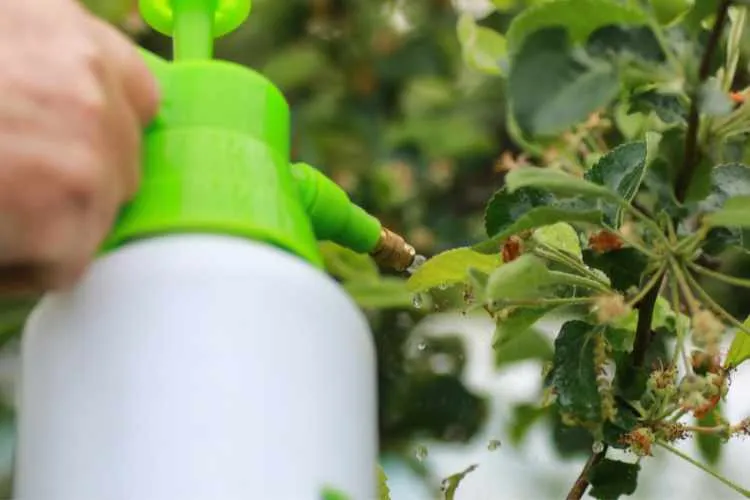
Use a fine mist sprayer for even coverage. A coarse spray can cause runoff and waste your mix. Focus on the undersides of leaves—that’s where pests like aphids and mites love to hide. Also, spray the stems and base of the plant where insects may crawl up or lay eggs.
Consistency brings results. Keeping your sprayer clean, labeled, and ready makes the routine easier and faster each time.
What to Look For: Reading Labels and Ingredients
Before you buy or use any spray—natural or not—it’s smart to flip the bottle around and read the fine print. Start with the active ingredients. Trustworthy natural sprays will list things like neem oil, spinosad, potassium salts of fatty acids, or insecticidal soap made from natural oils. These break down quickly, are safer for edible crops, and are allowed in organic gardening.
Keep an eye out for red flags. Some products labeled as “natural” still sneak in synthetic additives. Watch for chemical names that aren’t explained or vague terms like “inert ingredients” without further detail. Pyrethrins can be naturally derived, but should be marked as OMRI-listed (Organic Materials Review Institute) if they’re safe for organic use.
Look for the OMRI certification seal if you want to be extra sure. This seal tells you the product meets organic gardening standards. It’s especially helpful if you’re growing food and want to stay chemical-free from seed to harvest.
Extra Tips for Keeping Pests Away Naturally
Even the best spray works better when it’s part of a bigger plan. One smart move is rotating your crops from one season to the next. Pests often return to the same spot yearly, especially if you’re growing their favorite plants in the same place. Changing up what you plant helps break their cycle.
Interplanting—mixing different crops in one bed—can also confuse pests. Instead of a row of juicy lettuce all in one place, try tucking herbs like basil, dill, or cilantro nearby. Their strong scents mask your vegetables and can repel certain insects.
Physical barriers, such as row covers or fine netting, keep flying pests out without the need for sprays. These work especially well for young seedlings, which are most vulnerable. Just make sure to uncover flowering plants when it’s time for pollination.
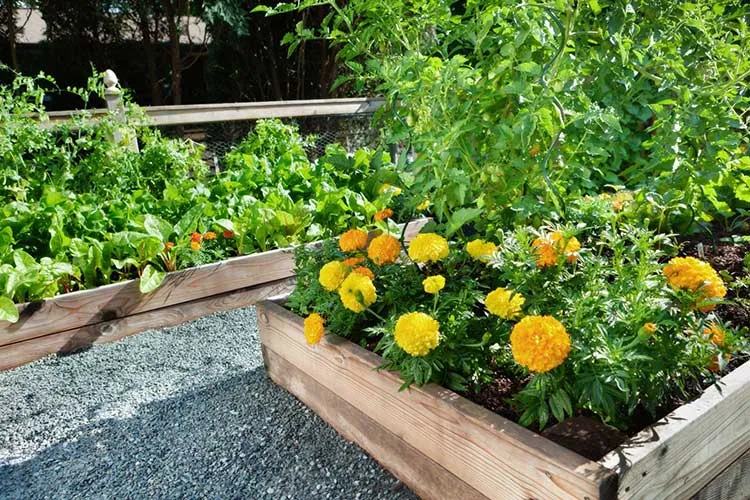
Attracting beneficial bugs might be one of the easiest pest solutions. Ladybugs, lacewings, and parasitic wasps all feed on common garden pests. You can lure them in by planting nectar-rich flowers like calendula, alyssum, or fennel around your beds. Let some herbs flower too—bugs love them, and they’ll help keep things balanced naturally.