Tomatoes are heavy feeders, requiring precise nutrients at each growth stage to thrive. They often struggle with weak growth, poor flowering, and reduced fruit production without proper fertilization. Research shows that balanced nutrient levels can boost tomato yields by up to 30%, making fertilizer selection a critical decision.
Whether you’re dealing with yellowing leaves, stunted plants, or low fruit quality, the right fertilizer can be the game-changer your garden needs. This guide will break down the best fertilizers for tomatoes, covering essential nutrients, ideal NPK ratios, and application techniques.
By the end, you’ll know exactly what your plants need to produce healthier, larger, and tastier tomatoes—helping you achieve a garden worth showing off.
Why Tomatoes Need Fertilizer?
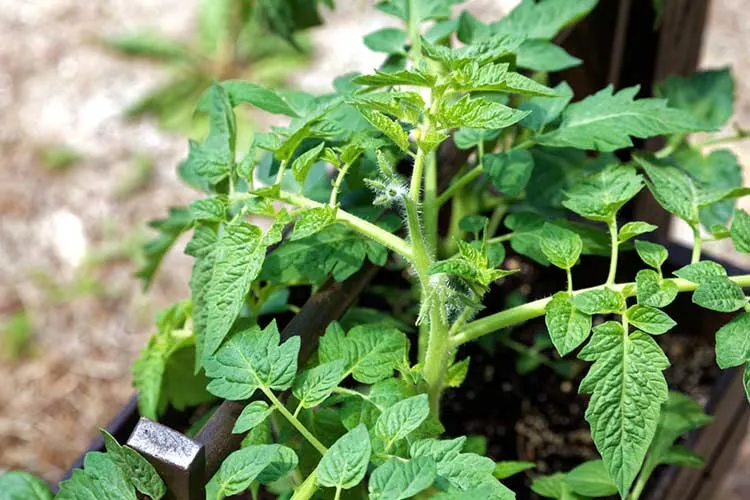
Tomatoes are among the most nutrient-demanding vegetables, often described as “heavy feeders.” This means they need consistent feeding to support their rapid growth and fruit development.
Proper fertilization is crucial because it helps the plant form strong roots, produce lush foliage, and develop large, flavorful fruits. Without adequate nutrients, tomatoes are prone to stunted growth, yellowing leaves, and lower yields.
Nutrient-rich soil can only support growth for a limited time, especially when plants deplete key minerals as they grow. Regular feeding ensures the plant has enough nitrogen for leaf production, phosphorus for root strength, and potassium for flowering and fruiting. Additionally, micronutrients like calcium help prevent blossom end rot, a common tomato issue.
Best Liquid Fertilizer for Tomatoes
Liquid fertilizers are popular with tomato growers due to their fast absorption and versatility. Unlike granular fertilizers, which take time to break down in the soil, liquid fertilizers deliver nutrients directly to the roots or leaves, making them ideal for quick nutrient boosts. They’re easy to apply, whether you’re watering seedlings or established plants, and the strength of the solution can be customized to suit the growth stage.
Liquid fertilizers for tomatoes are particularly effective during critical growth phases, such as transplanting and fruiting. Foliar feeding—spraying nutrients directly onto the leaves—can address deficiencies quickly and improve nutrient uptake when roots are stressed.
Many gardeners opt for organic liquid fertilizers, like fish emulsion or seaweed extract, for a gentler, environmentally friendly approach. Whether organic or synthetic, liquid fertilizers help provide the flexibility and convenience that tomato plants often need for optimal health and yield.
Essential Nutrients for Tomato Plants
A balance of essential nutrients is key to growing healthy, productive tomato plants. Tomatoes need both macronutrients and micronutrients to support every development phase, from strong roots to abundant fruit production.
What Necessary Nutrients Do Tomatoes Need to Thrive?
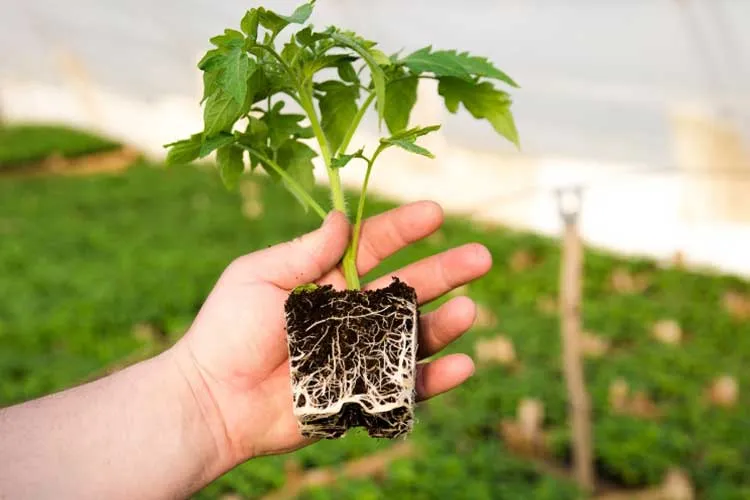
The primary macronutrients—nitrogen (N), phosphorus (P), and potassium (K)—play distinct roles in a tomato plant’s growth. Nitrogen promotes lush green foliage, essential for photosynthesis and overall plant vigor. However, too much nitrogen can lead to excessive leaf growth at the expense of flowers and fruit.
Phosphorus is critical for root development, especially in the early stages, and supports flower and fruit production. Potassium enhances overall plant health, increases disease resistance, and improves the fruit’s size, taste, and quality.
In addition to macronutrients, tomatoes require micronutrients like calcium, magnesium, and sulfur. Calcium strengthens cell walls, helping prevent common issues like blossom end rot. Magnesium plays a key role in photosynthesis, ensuring healthy, green leaves, while sulfur aids enzyme production and overall plant resilience.
Trace elements like iron, zinc, and boron also contribute to various physiological functions, helping the plant absorb nutrients efficiently and avoid deficiencies.
What Is the Best NPK Ratio for Tomatoes?
Choosing the right NPK ratio for your tomato plants depends on their growth stage and overall health. The NPK ratio refers to the percentage of nitrogen (N), phosphorus (P), and potassium (K) in the fertilizer.
During the early growth phase, a balanced or slightly higher phosphorus ratio, such as 5-10-10, supports strong root development and prepares the plant for flowering. At this stage, you want to avoid excessive nitrogen to prevent the plant from focusing solely on leaf growth.
Once the plant begins flowering and setting fruit, a fertilizer with a ratio of 10-10-20 or 5-10-15 is more suitable. Higher potassium levels encourage better fruit formation, improving size, flavor, and resistance to stress. Some gardeners prefer a 20-20-20 fertilizer for all-purpose feeding, but it must be used carefully, as too much nitrogen at the fruiting stage can reduce yield and lead to leggy plants.
Is 20-20-20 Fertilizer Good for Tomato Plants?
A 20-20-20 fertilizer contains equal parts nitrogen, phosphorus, and potassium, making it a balanced option for general feeding. While this ratio can support healthy growth, it’s most effective during the early stages when the plant needs nutrients for root establishment, leaf development, and early flowering.
However, using it during the fruiting stage may provide too much nitrogen, causing the plant to focus on foliage instead of producing fruit.
Use a 20-20-20 fertilizer sparingly for best results and adjust as the plant matures. Switching to a fertilizer with higher potassium during flowering and fruiting will ensure robust fruit production without promoting excess leaf growth.
Can You Have Too Much of the Required Nutrients?
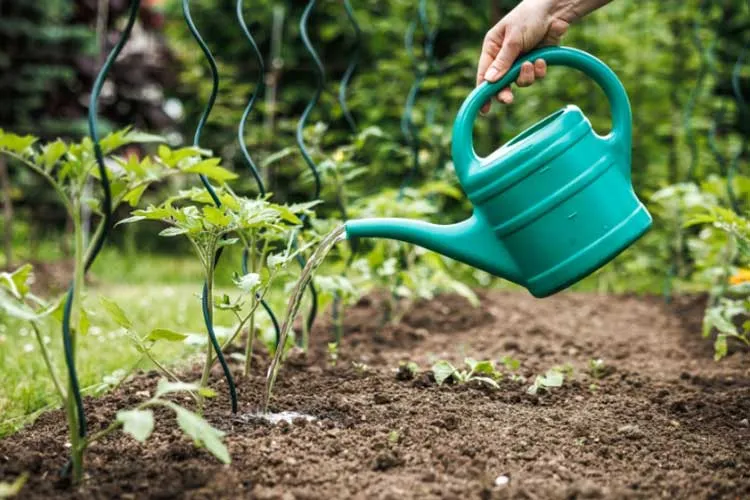
Over-fertilizing tomatoes can cause several issues that negatively impact their growth and yield. Excess nitrogen, for example, encourages rapid leaf and stem growth but reduces flowering and fruiting, leaving lush, leafy plants with minimal fruit.
High potassium or phosphorus levels can also disrupt nutrient balance, leading to deficiencies in other essential minerals like magnesium and calcium.
Over-fertilization can cause nutrient burn, where the plant’s leaves turn brown or curl at the edges due to salt buildup in the soil. This can damage roots and make it harder for the plant to absorb water and nutrients properly. To avoid these issues, follow recommended application rates, dilute liquid fertilizers as directed, and monitor plants for signs of nutrient overload.
Preparing the Soil and Seedlings

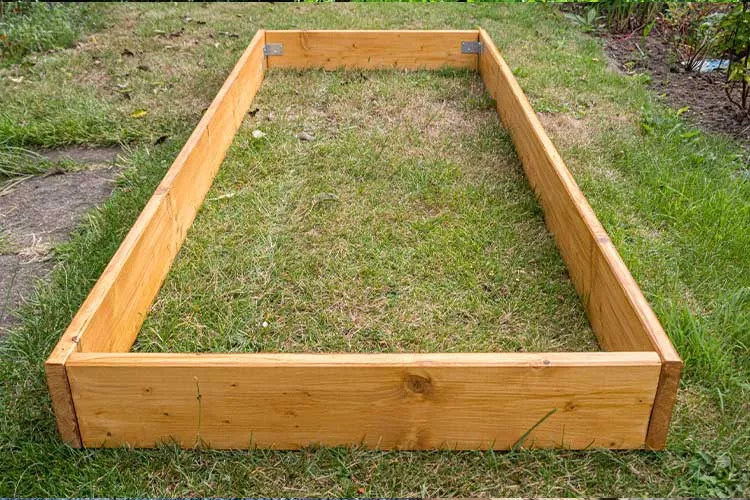
Healthy tomato plants start with nutrient-rich, well-prepared soil. Expanding your garden beds or containers before planting can set the stage for strong root development and healthy growth. Additionally, the right fertilizer mix during the seedling phase and at transplanting can help ensure plants get off to the best possible start.
Rich Soil in Advance: Preparing Your Beds
Before planting, enrich your soil with organic matter such as compost, aged manure, or leaf mold. These amendments improve soil structure, drainage, and nutrient availability. A soil test can help determine if your soil is deficient in key nutrients, allowing you to adjust with balanced amendments like bone meal for phosphorus or greensand for potassium.
Aim for loose, well-drained soil with a pH between 6.0 and 6.8, which is ideal for nutrient uptake. Adding a slow-release organic fertilizer at this stage can provide a steady supply of nutrients throughout the growing season.
Tomato Fertilizer Mix for Seed Starting
When starting tomato seedlings, it’s important to use a gentle fertilizer that promotes steady growth without overwhelming the young plants. A balanced mix with lower nitrogen content, such as a 2-3-2 or 3-4-3 fertilizer, works well at this stage. Liquid fertilizers like diluted fish emulsion or compost tea are excellent choices since they provide mild nutrients without the risk of burning delicate roots.
Applying fertilizer once seedlings have developed their first set of true leaves ensures they receive nutrients at the right time for healthy root and leaf development. Avoid over-fertilizing at this stage, as young plants need consistent, light feeding rather than concentrated doses.
What Tomato Fertilizer to Add at Transplanting
At transplanting, tomatoes benefit from a phosphorus-rich fertilizer to support strong root establishment. Fertilizers with an NPK ratio like 4-12-4 or 5-10-5 are ideal for this stage. Phosphorus helps the plant recover from transplant shock and encourages root growth, critical for long-term health and fruit production.
You can also add organic amendments such as bone meal or rock phosphate directly into the planting hole for a slow-release phosphorus boost. Mixing in compost or aged manure enhances the soil’s nutrient content and improves moisture retention. Avoid high-nitrogen fertilizers at this stage to prevent excessive foliage growth before the plant is fully settled.
How to Fertilize a Young Tomato Plant
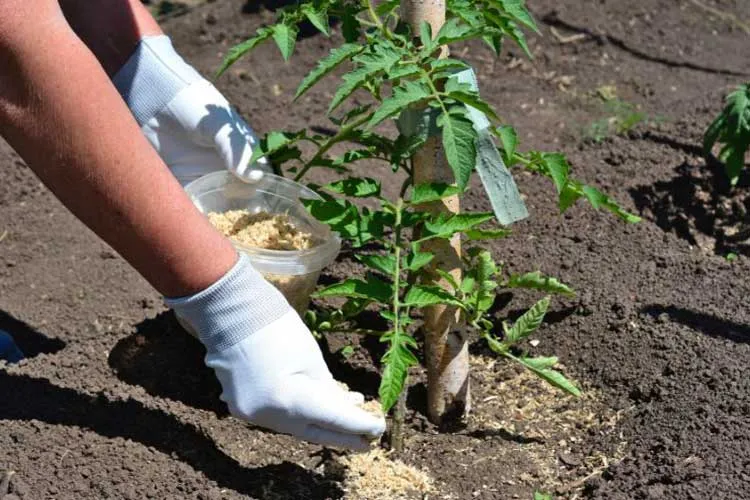
When fertilizing young tomato plants, it’s important to apply nutrients carefully to avoid root damage or fertilizer burn. Start by diluting liquid fertilizers to half strength, especially for nitrogen-rich options, as young plants are still establishing themselves. Apply the fertilizer around the base of the plant, keeping it a few inches away from the stem to protect sensitive roots.
Water the plants before and after fertilizing to help distribute nutrients evenly and prevent salt buildup in the soil. Feeding every 10 to 14 days with a balanced or slightly phosphorus-rich fertilizer supports healthy root and leaf development without overwhelming the plant.
Organic Sources of Nitrogen for Young Tomato Plants
Organic nitrogen sources provide a slow, steady release of nutrients for young tomato plants, helping avoid overfeeding. Fish emulsion is popular due to its quick absorption and mild nitrogen content, making it safe for young plants. Another effective option is alfalfa meal, which releases nitrogen slowly as it breaks down in the soil and improves soil texture.
Compost tea is another excellent supplement, providing nitrogen and beneficial microbes that enhance soil health. Organic fertilizers are ideal for maintaining steady growth without the risk of nutrient burn from synthetic fertilizers. Regular light feedings with these options help young plants stay strong and green as they mature.
Organic vs. Chemical Fertilizers
Choosing between organic and chemical fertilizers depends on your gardening goals and preferences. Both types have advantages and potential downsides, so understanding how they affect your soil and plants can help you make an informed choice.
Pros and Cons of Organic Fertilizers
Organic fertilizers, such as compost, fish emulsion, and bone meal, improve soil structure and promote long-term soil health. They release nutrients slowly, reducing the risk of over-fertilization and nutrient burn.
Organic fertilizers also support beneficial microorganisms that enhance soil fertility over time. However, they may take longer to show visible results and typically require larger amounts than synthetic fertilizers. Additionally, some organic options can have strong odors or higher costs.
Pros and Cons of Chemical (Synthetic) Fertilizers
Chemical fertilizers provide nutrients in a readily available form, making them ideal for quick nutrient boosts and correcting deficiencies. They are often more affordable and easy to apply in precise doses. However, if overused, they can lead to nutrient buildup and soil degradation, potentially harming soil life and water runoff. Some synthetic fertilizers can cause root burns if applied too heavily or without proper dilution.
Which Is Better for Tomatoes?
Organic fertilizers are an excellent choice if you prefer improving soil health and don’t mind slower nutrient release. On the other hand, if you need fast, targeted results, chemical fertilizers can help—provided you follow application instructions carefully.
Types of Tomato Fertilizers (Focusing on Liquid)
When choosing a tomato fertilizer, it’s important to understand the differences between granular and liquid options. Each type has unique advantages, but liquid fertilizers are favored for their versatility and fast-acting results, especially during key growth stages.
Granular vs. Liquid: Key Differences
Granular fertilizers come in slow-release and quick-release forms. Slow-release granules break down over time, providing a steady supply of nutrients, while quick-release varieties dissolve faster but may need more frequent applications. Granular fertilizers are applied directly to the soil and are ideal for pre-planting soil preparation and long-term feeding. However, they can become available to plants, especially in cooler soils.
On the other hand, liquid fertilizers are diluted in water and absorbed immediately by the plant through the roots or foliage. They offer flexibility in dosage and frequency, making them ideal for quickly addressing nutrient deficiencies.
Liquid fertilizers can be applied as root drenches or foliar sprays and are particularly useful during the flowering and fruiting stages when plants need targeted feeding. However, they require regular reapplication and can be more prone to overuse if not measured carefully.
Best NPK Fertilizer for Tomatoes
The best liquid fertilizers for tomatoes usually have an NPK ratio tailored to the plant’s growth phase. A balanced mix like 10-10-10 can be helpful for early growth, while a higher phosphorus and potassium ratio, such as 5-10-15 or 10-15-20, supports flowering and fruiting.
Organic options like fish emulsion and seaweed extract provide essential macronutrients and trace minerals that promote healthy plant development. Commercial liquid fertilizers, such as tomato-specific blends, often include additional micronutrients like calcium and magnesium to prevent common issues like blossom end rot.
What is the Best Organic Fertilizer for Tomatoes?
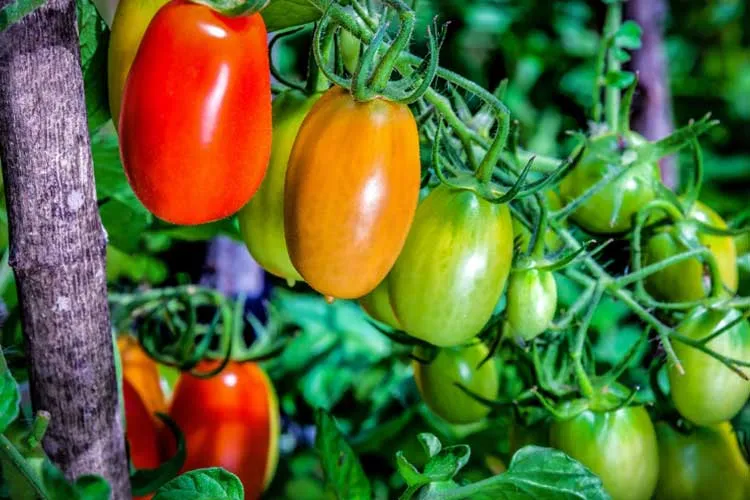
Organic fertilizers for tomatoes provide a sustainable way to boost plant health without harming the environment. Fish emulsion is one of the best options due to its rich nitrogen content and quick absorption, making it perfect for early growth. Seaweed extract is another popular choice, supplying potassium and trace minerals that improve overall plant resilience and fruit quality.
Bone meal is an excellent slow-release phosphorus option, promoting strong roots and flower development. Compost tea is a versatile addition, offering a mild nutrient boost while improving microbial activity in the soil. Combining these organic fertilizers at different growth stages can produce healthy plants and bountiful harvests.
How to Pick the Right Tomato Fertilizer
Selecting the right fertilizer for your tomato plants involves checking key details on the label to ensure it meets your plant’s needs. Start by looking at the NPK ratio—the nitrogen, phosphorus, and potassium balance. For early growth, choose a balanced fertilizer or one with slightly higher phosphorus to support root development. As the plants transition to flowering and fruiting, opt for a product with more potassium to encourage a healthy fruit set.
In addition to the macronutrients, check for important micronutrients like calcium, magnesium, and sulfur, which help prevent common problems such as blossom end rot and leaf yellowing. If you prefer organic fertilizers, look for ingredients such as fish emulsion, kelp, bone meal, or compost-based formulas.
Also, consider ease of use—liquid fertilizers are convenient for regular feeding, while slow-release granules may require fewer applications.
How and When to Apply Fertilizer
Proper fertilizer application can significantly impact tomato plants’ growth and productivity. Applying nutrients correctly and following an appropriate schedule ensures the plants receive what they need at each stage without risking overfeeding.
How to Apply Fertilizer to Tomato Plants
Liquid fertilizers should be diluted according to the product’s instructions to prevent nutrient burn. Apply the solution at the base of the plant, avoiding direct contact with the leaves unless using a foliar spray. When using foliar feeding, spray early or late evening to prevent the sun from scorching the leaves.
Granular fertilizers should be spread evenly around the base of the plant, about 6-12 inches away from the stem, and gently worked into the topsoil. After applying granular fertilizer, water the soil thoroughly to help nutrients reach the roots. Slow-release granules should be applied less frequently but monitored to ensure consistent nutrient availability.
How Often Should I Fertilize?
Tomatoes need fertilizing at key stages: after transplanting, during early growth, and when flowering and fruiting. Feed young plants about 1-2 weeks after transplanting with a phosphorus-rich fertilizer to support root development. Once flowering begins, switch to a fertilizer higher in potassium to support fruit formation.
A general guideline is to fertilize with liquid fertilizers every 10-14 days or every 4-6 weeks with slow-release granular formulas. Monitor the plants for signs of nutrient deficiencies or excess, such as yellowing leaves or weak stems, and adjust the schedule as needed.
Fertilizers for Flowering Tomato Plants
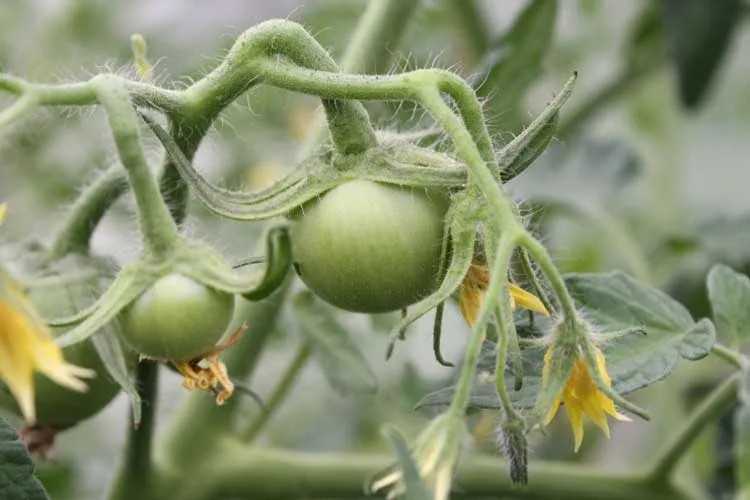
When tomatoes begin flowering, their nutritional needs shift to focus on fruit production. At this stage, a fertilizer with a higher phosphorus and potassium content, such as a 5-10-15 or 10-20-20 blend, helps support healthy blooms and encourages fruit set.
Phosphorus plays a key role in energy transfer within the plant, aiding flower development, while potassium strengthens the plant’s ability to transport nutrients and improves fruit quality.
Avoid fertilizers with excessive nitrogen during this phase, as too much can lead to abundant leaf growth at the expense of flowers and fruit. Organic options like liquid seaweed extract and bone meal provide slow-releasing potassium and phosphorus without overwhelming the plant. Applying fertilizers every 10-14 days during flowering ensures that the plant has the nutrients needed to support healthy fruit growth and prevent flower drop.