Have you ever wondered if all that sprawling squash foliage is holding your plants back? For raised-bed gardeners, pruning squash plants is more than just a space-saving tactic—it’s key to unlocking higher yields and healthier crops. Squash can be notorious for taking over your garden, but with strategic pruning, you can direct the plant’s energy where it counts: fruit production.
Pruning also promotes better airflow, which helps ward off diseases and deters common pests. So, if you’ve ever felt overwhelmed by wild, tangled squash vines, read on to discover how pruning could transform your raised bed into a more productive and manageable growing space.
How to Prune Squash Leaves Properly
Pruning squash leaves can dramatically improve your plant’s health and fruit production. Follow these step-by-step instructions to ensure you prune effectively while avoiding common mistakes.
Step-by-Step Instructions
- Step 1: Assess the Plant’s Health
Start by taking an inspecting plant. Locate the main stem closely, which should remain intact and unharmed. Check for disease or pest damage signs and identify areas that need pruning. Healthy leaves are dark green, while yellow or wilted leaves indicate poor health. - Step 2: Remove Yellow or Damaged Leaves
Cut away any yellow, brown, or damaged leaves using sharp, clean pruning shears. Make the cuts close to the main stem, but avoid cutting into it. This step boosts the plant’s ability to direct energy into healthy growth and fruit development. - Step 3: Thin Out Dense Foliage
Look for areas where leaves overlap or block sunlight from reaching the developing fruit. Thin these sections by removing the less essential leaves, ensuring better light penetration and airflow. This reduces humidity and disease risk, creating a more balanced plant. - Step 4: Cut Away Non-Essential Stems
Check for secondary stems that are growing but not producing flowers or fruit. These non-essential stems can be carefully removed to concentrate the plant’s resources on fruit-bearing vines. Be cautious not to prune too aggressively, as the plant still needs healthy leaves for photosynthesis.
Why Pruning Squash Plants Is Important
Pruning squash plants might seem like an extra chore, but it delivers big rewards for your harvest and garden health. Here’s why it’s worth the effort:
Benefits of Pruning
- Enhance Yields
Pruning helps channel the plant’s energy directly into fruit production rather than maintaining excess leaves. By thinning out non-essential foliage, your squash plants can grow more robust fruit. It’s a simple way to improve yield without needing extra space or resources. - Save Space
In raised-bed gardening, every inch counts. Pruning encourages a more organized plant structure, which helps manage the sprawl squash vines’ sprawling nature. Your raised bed stays neat, and you can maximize space for companion plants or other crops. - Reduce Disease and Pest Pressure
Dense foliage can trap moisture, creating a breeding ground for mildew and fungal diseases. Pruning increases airflow around the plant, keeping leaves drier and healthier. It also reduces hiding places for pests like aphids and squash bugs, making plants less vulnerable to infestations. - Improve Quality
Fewer pests and healthier leaves lead to better-quality squash. Removing damaged or yellowing foliage boosts airflow and ensures more sunlight reaches the developing fruit. This translates to tastier, more visually appealing squash at harvest time. - Prolong Harvests
A well-pruned squash plant stays productive longer. Maintaining a healthy balance between leaf cover and fruit production can extend the plant’s productive season, enjoying fresh squash well into late summer or early fall.
Pest Management
Pruning plays a key role in pest control. Reducing thick foliage makes plants less attractive to pests like squash vine borers. These destructive insects love hiding in dense leaf cover, so pruning your plants can help you stay one step ahead. Early pest detection becomes easier when your plant structure is more open, allowing for faster intervention.
Understanding Squash Plant Anatomy
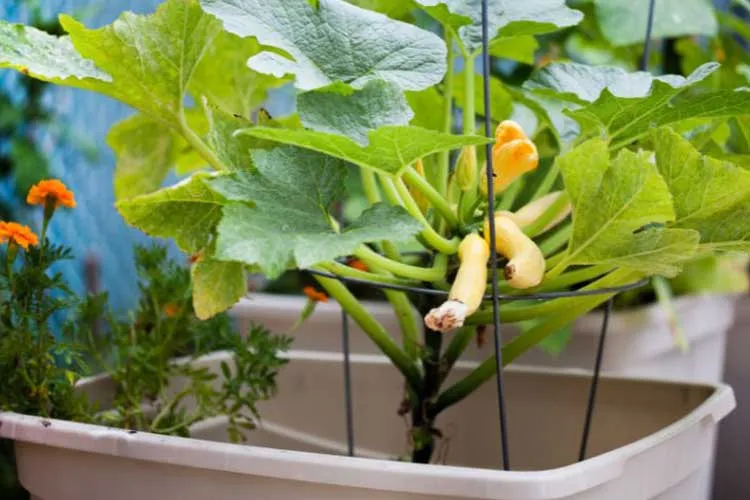
Before you start pruning, it’s important to familiarize yourself with your squash plant’s anatomy. Understanding which parts to trim and which to keep ensures you’re encouraging healthy growth and high yields.
Main Stem and Leaf Structure
- Identifying the Main Stem
The main stem is the thick, primary vine that grows from the plant’s base. It’s the lifeline of your squash plant, carrying essential nutrients and water to the rest of the plant. Always be careful not to damage this stem when pruning, as any harm can stunt growth or even kill the plant. - Healthy vs. Unnecessary Leaves
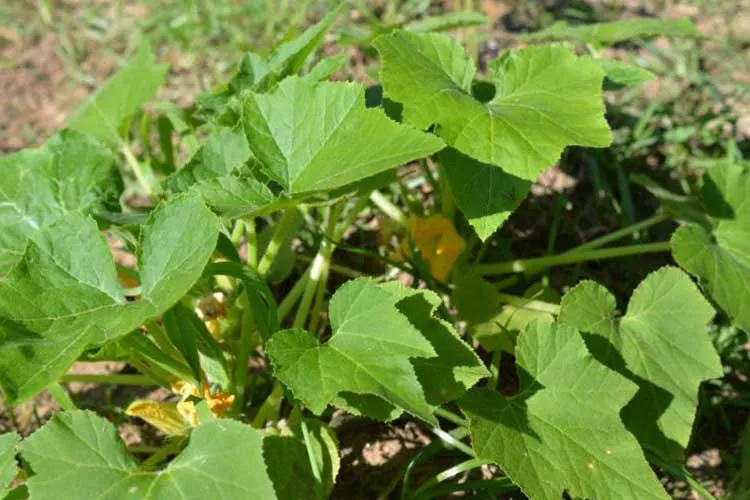
Healthy leaves are dark green, sturdy, and play a vital role in photosynthesis, which fuels fruit production. In contrast, unnecessary leaves are often yellowing, wilting, or far from fruit-bearing areas. These leaves drain the plant’s energy and block sunlight from reaching developing squash. Removing them frees up resources for healthier, fruit-supporting parts.
Importance of Healthy Growth
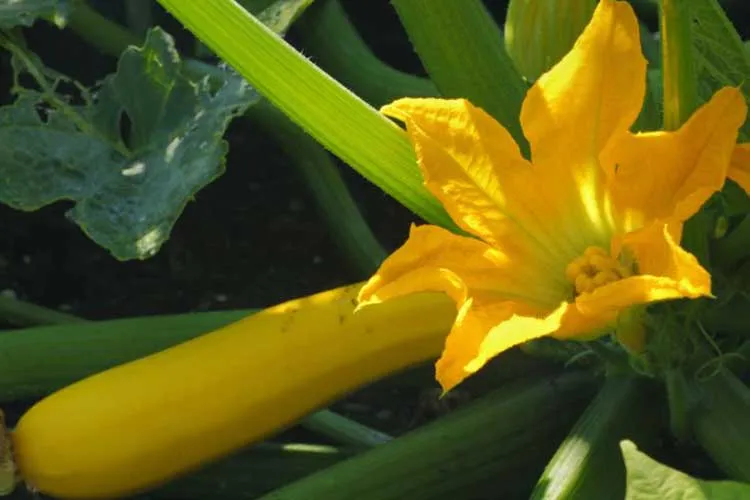
To maintain a thriving squash plant, prioritize preserving fruit-bearing stems. These are the offshoots where flowers bloom and squash develop. Cutting too many of these can significantly reduce your yield. Focus instead on thinning excess leaves or stems that don’t directly support fruit production. Doing so creates an optimal environment for your plant to thrive, with ample sunlight and proper nutrient distribution.
Tools and Safety Tips for Pruning
Pruning squash plants is a hands-on task that requires a few essential tools and some basic safety precautions. Here’s what you need to know to get started safely and effectively.
Overview of Essential Tools
- Pruning Shears
A sturdy pair of sharp pruning shears is necessary for clean cuts that heal quickly. Dull blades can tear plant tissue, making the plant more susceptible to disease. - Gardening Gloves
Squash plants have rough, sometimes prickly stems and leaves. Wearing gloves protects your hands from irritation and makes pruning more comfortable. - Disinfectant for Tools
Diseases can spread easily from plant to plant via dirty tools. Keep a disinfectant (like a diluted bleach solution or rubbing alcohol) on hand to clean your shears before and after each pruning session. This simple step minimizes the risk of spreading infections.
Safety Precautions
- Wear Protective Gear
In addition, consider wearing long sleeves to protect your skin from irritants. If your garden is sunny, a hat and sunscreen can also help keep you comfortable and safe. - Sanitize Tools Regularly
Sanitize your pruning shears before you start and between cuts, especially if you notice any diseased plant parts. This helps contain any potential spread of pathogens, ensuring a healthier garden.
When and How Often to Prune
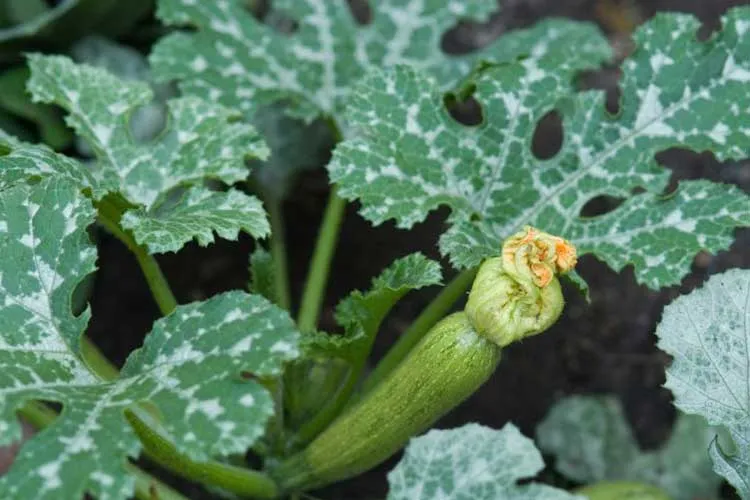
Timing is crucial when pruning squash plants. Knowing when and how often to prune can significantly affect plant health and productivity.
Optimal Timing
- When to Start Pruning
Begin pruning once your squash plant has established a strong base and is actively growing. This usually happens when the plant has several mature leaves and sturdy vines. Early pruning helps shape the plant for better airflow and sunlight exposure. - Seasonal Timing
The best time to prune squash is in the morning on a dry day. This allows wounds to heal faster and reduces the risk of moisture-related diseases. Timing can vary based on your local climate. Pruning early in the season may be more critical in cooler regions, while warmer areas might need periodic pruning throughout the growing period.
Frequency
- General Rule of Thumb
Check your squash plants weekly and prune as needed to remove yellowing or damaged leaves. Pruning conservatively is a good rule of thumb—too much at once can stress the plant. Instead, aim for small, regular trims that maintain an open structure. - Adaptability
Assess your plants regularly. If you notice overcrowding or leaves blocking sunlight from reaching the fruit, it’s time for additional pruning. Be flexible and adjust based on the plant’s growth and the season’s conditions. Some plants may need more frequent attention, especially in humid environments with higher disease pressure.
Techniques to Avoid Over-Pruning
Prune conservatively and always err on the side of caution. Removing too many leaves at once can stress the plant and hinder fruit production. A well-pruned squash plant should look open but not bare, with a clear view of the main stem and ample foliage left to support growth.
Visual Aids and Descriptions
A properly pruned squash plant will have a neat, organized appearance. The main stem should be visible, and light should reach most areas of the plant. Keep fruit-bearing stems intact, and ensure you haven’t removed more than one-third of the plant’s leaves at a time to minimize stress.
Handling Common Pruning Challenges
Even with the best intentions, pruning squash plants can sometimes lead to unexpected issues. Here’s how to handle some of the most common problems gardeners face.
Yellowing and Dry Leaves
Causes and Solutions
Nutrient deficiencies, overwatering, or natural aging can cause yellowing leaves. If leaves are yellowing but the plant is otherwise healthy, it’s usually safe to prune them away. However, if the discoloration spreads or worsens, check your soil’s nutrient levels and adjust as needed, focusing on essential elements like nitrogen.
When to Prune vs. When to Leave
Remove yellowing leaves if they are not contributing to fruit production and are blocking airflow. However, if the plant is already stressed, avoid pruning it too much to avoid further damage.
Over-Pruning Effects
Symptoms and Recovery
If you’ve pruned too much, your plant may show signs of shock, such as wilting or slowed growth. To help your squash recover, ensure the soil is well-watered but not soggy, and consider applying a balanced, organic fertilizer. You can also add a layer of mulch to regulate soil moisture and temperature.
Prevent Future Over-Pruning
Always prune conservatively, removing no more than one-third of the foliage at a time. This can prevent future pruning mishaps.
Wilting Plants
Temporary Wilting After Pruning
It’s normal for squash plants to wilt slightly after pruning, especially on hot days. To reduce stress, prune in the early morning when temperatures are cooler. If wilting persists, ensure the plant is well-hydrated and not exposed to harsh midday sun.
Long-Term Solutions
Check for other potential causes of wilting, such as pests or root damage, and address these problems promptly. Giving your plant some time to recover often helps it bounce back.
Organic Solutions for Squash Vine Borers
Squash vine borers are among the most destructive pests for squash plants, but effective, organic ways exist to manage and prevent them. Here’s how to keep these pesky invaders at bay without harsh chemicals.
Prevention Methods
- Use Row Covers
Row covers provide a physical barrier between your squash plants and adult vine borers. Keep these covers on during the early growing season, but remove them when flowers appear to allow pollination. This simple step can significantly reduce the risk of an infestation. - Plant Rotation
Rotating your crops each season helps disrupt the life cycle of squash vine borers. Avoid planting squash in the same spot year after year. Instead, switch locations or use companion planting to keep the pests guessing and your soil healthy. - Companion Planting
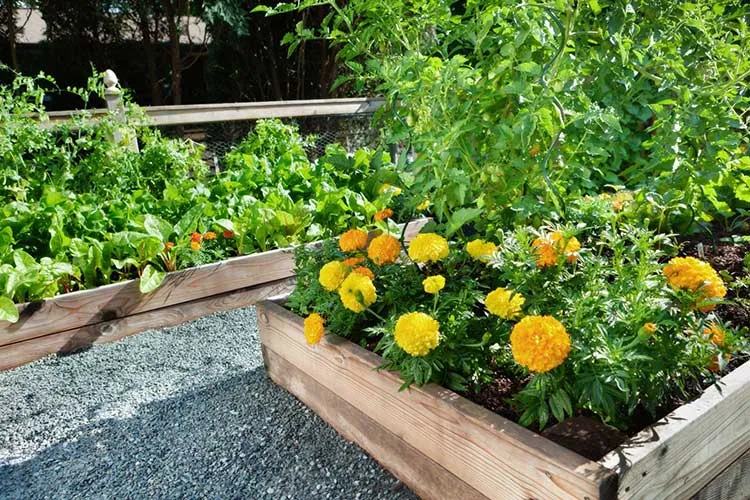
Certain plants, such as nasturtiums and marigolds, can naturally deter pests. Consider planting them around your squash to create a more pest-resistant environment.
Organic Treatments
- Neem Oil
Applying neem oil is a safe, organic way to deter squash vine borers. Spray the base of the stems and leaves every 7–10 days, especially during peak borer activity. Neem oil disrupts the pests’ reproductive cycle and keeps infestations under control. - Introduce Beneficial Insects
Predators like parasitic wasps can help manage borer populations naturally. Plant nectar-rich flowers or purchase them from a garden supply store to attract these insects to your garden.
Monitoring and Early Detection
Keep a close eye on your squash plants, especially at the base of the stems where borers like to lay eggs. Look for signs of infestation, such as small holes or sawdust-like frass around the stem base. If you catch the problem early, manually remove any larvae and treat the area immediately to save your plant.