Not all LED lights can support healthy plant growth. While standard LEDs illuminate your home efficiently, they lack the specific wavelengths and intensity plants need for photosynthesis. Research shows that plants absorb light mainly in the blue (400–500 nm) and red (600–700 nm) spectrum, yet most household LEDs are designed for human vision, not plant energy absorption.
This mismatch can lead to weak, leggy growth or even plant failure. Additionally, light intensity matters—photosynthetically active radiation (PAR) levels in regular LEDs are often too low to fuel robust plant development.
If you rely on ordinary LEDs for your indoor plants, you might unintentionally deprive them of the energy they need. Understanding these differences will help you choose the right lighting for optimal growth.
What Is an LED Light?
An LED (Light Emitting Diode) light is a type of lighting technology that produces illumination using a semiconductor. Unlike traditional incandescent or fluorescent bulbs, LEDs do not rely on a filament or gas to generate light. Instead, when an electric current passes through the semiconductor material, it excites electrons, releasing energy as photons—producing visible light.
Due to their efficiency and longevity, LED lights are widely used in homes, offices, streetlights, and electronic displays. They consume significantly less power than incandescent bulbs while producing the same or greater brightness. This efficiency comes from LEDs converting most of their energy into light rather than heat. As a result, they waste less electricity and remain cool to the touch. Additionally, LED lights last much longer than traditional bulbs, often operating for tens of thousands of hours before needing replacement. Their durability and lower energy consumption make them a cost-effective and environmentally friendly choice for various lighting applications.
Can I Use a Regular LED Light for Plants?
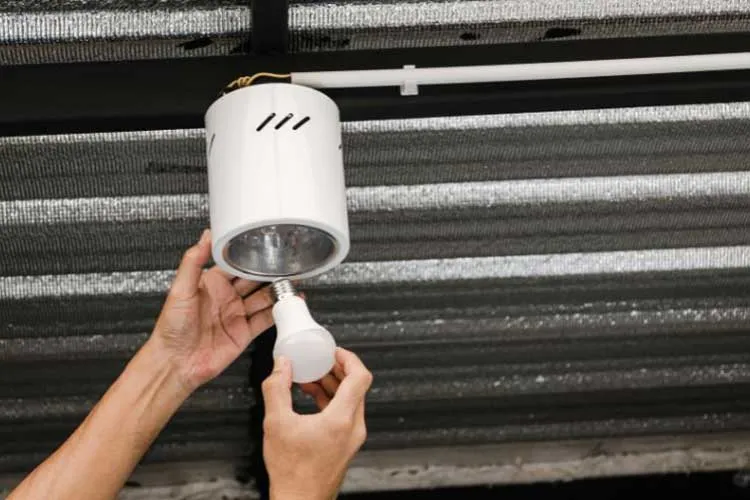
Household LED lights support plant growth but are not ideal for long-term or healthy development. Plants require light for photosynthesis, which converts light energy into chemical energy. While regular LED bulbs emit visible light, they do not always provide the full spectrum of wavelengths that plants need to thrive. Photosynthesis primarily depends on blue and red light, which standard LEDs may not emit in the necessary balance.
Another limitation is light intensity. Regular LED bulbs are designed for human use, focusing on brightness and visibility rather than energy absorption for plants. Their intensity may be too weak to penetrate foliage or reach lower leaves, resulting in slower growth or leggy plants. Additionally, household LEDs often distribute light in a broad pattern rather than efficiently directing it toward plants. Therefore, household LED lights can lead to uneven exposure, reducing the effectiveness of the light source.
Plant health can also be affected by the absence of specific wavelengths. While standard LEDs provide some blue light that supports leaf development, they often lack enough red light, essential for flowering and fruiting. Some LED bulbs also emit more green and yellow light, which plants reflect rather than absorb, leading to wasted energy. Over time, plants grown solely under regular LEDs may become weak, pale, or stunted due to inadequate light quality.
For better results, using a dedicated LED grow light is recommended. LED light for growing plants provides the right spectrum and intensity balance to support strong, healthy growth.
Key Differences: Regular LED vs. LED Grow Light
Spectrum
Light spectrum refers to the range of wavelengths emitted by a light source. Regular LED bulbs are designed for human visibility, focusing on cool or warm white light primarily consisting of green and yellow wavelengths. While these lights may include some blue and red light, they do not provide the optimal balance for plant growth.
Plants rely on specific wavelengths for photosynthesis. Blue light (400–500 nm) promotes strong leaf development, while red light (600–700 nm) supports flowering and fruiting. LED grow lights are engineered to provide a full-spectrum output, including these essential wavelengths. Some advanced models also include ultraviolet (UV) and infrared (IR) light, which can enhance plant health, boost essential oil production, and trigger flowering in certain species.
Full-spectrum LED grow lights closely mimic natural sunlight, ensuring that plants receive the right balance of light for all growth stages. On the other hand, regular LEDs lack enough red and blue wavelengths, leading to slower growth and weaker plants. Using a grow light specifically designed for plants ensures optimal photosynthesis and overall plant health for indoor gardening.
Light Intensity
Light intensity is another major difference between regular LEDs and LED grow lights. Regular household LEDs are designed for ambient lighting, distributing light evenly throughout a room. However, plants need high-intensity light concentrated in a specific direction to maximize energy absorption.
A key measure of plant light intensity is PAR (Photosynthetically Active Radiation), which refers to the range of light wavelengths that plants use for photosynthesis. LED grow lights are designed with high PAR values, ensuring plants receive enough usable light for growth. They also provide focused lighting, directing more energy toward leaves rather than dispersing it throughout a space.
Regular LEDs may appear bright to the human eye, but their intensity is often too weak for effective plant growth. Insufficient intensity can lead to leggy, weak plants as they stretch toward the light source. Using a grow light with high-intensity output ensures that plants receive the energy they need to thrive.
Efficiency
Regular LED lights and LED grow lights are more energy-efficient than traditional bulbs, but grow lights maximize plant growth while using less electricity. Regular LEDs convert most of their energy into visible light for human use. Still, some of this light is wasted on plants because it falls outside the optimal spectrum.
Grow lights are designed to emit only the wavelengths that plants need, making them more efficient for indoor gardening. They produce higher PAR output per watt of electricity consumed, ensuring that plants receive the most benefit while keeping energy costs low. This targeted efficiency makes grow lights a better choice for plant health.
Heat Dissipation
Heat management is crucial for plant health. Regular LED lights generate less heat than incandescent or fluorescent bulbs, but they still produce some warmth. Since household LED lights are for home use, they may not have advanced cooling mechanisms.
LED grow lights often include built-in heat sinks or fans to prevent overheating. Excessive heat can damage plants, causing leaf burn or moisture loss. Proper heat dissipation allows growing lights to run longer without affecting plant health. Proper heat dispensing is especially important for high-intensity grow lights, which must stay cool to provide consistent, effective lighting without harming delicate plant tissues.
Life Expectancy
LED lights are known for their long lifespans, but grow lights are built for continuous, high-output operation. Regular LED bulbs typically last 15,000 to 25,000 hours for general lighting. However, due to extended daily use, they may degrade faster when used for plant growth.
On the other hand, LED grow lights are designed to operate for 50,000 hours or more. They use high-quality diodes that maintain light intensity over time, ensuring consistent plant growth. Many grow lights also feature better heat dissipation, which extends their lifespan by reducing strain on internal components.
Another factor is light degradation. Over time, all LEDs lose brightness, but regular LEDs may experience faster lumen depreciation, reducing their effectiveness for plants. Grow lights are built to maintain high PAR output for as long as possible, providing reliable lighting for extended periods. This durability makes them a better long-term investment for serious indoor gardeners.
Selecting a Grow Light: What to Look For
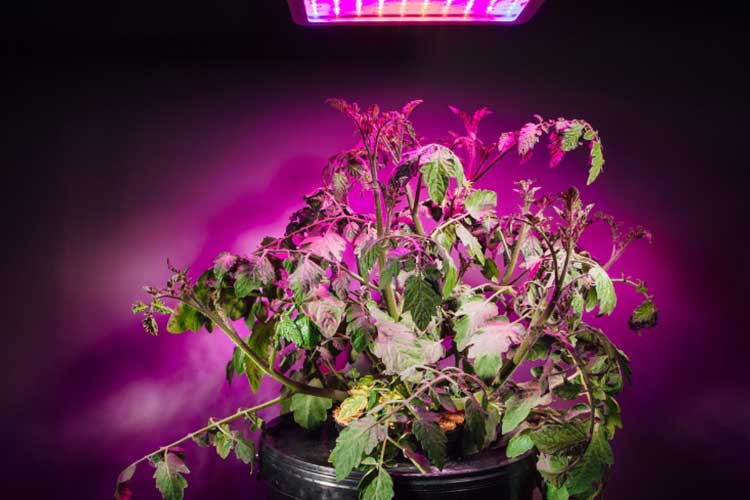
Choosing the right LED grow light depends on wattage, spectrum, and fixture type. Different plants have varying light needs, and selecting the right setup ensures healthy growth at every stage.
Wattage and Light Output
Wattage indicates power consumption, but the more important factor is how much usable light the fixture emits. Grow lights are rated by PPFD (Photosynthetic Photon Flux Density), which measures the amount of light that reaches the plant. For seedlings and low-light plants, 100–200 µmol/m²/s is sufficient, while flowering and fruiting plants require 400 µmol/m²/s or more. High-wattage grow lights (300W or more) are best for large plants or dense canopies, while lower-wattage options (50–150W) work for herbs and small houseplants.
Spectrum Options
Plants require different light spectrums at different stages. Full-spectrum grow lights balance blue, red, and white light, mimicking natural sunlight. Blue light (400–500 nm) promotes strong root and leaf development, while red light (600–700 nm) encourages flowering and fruiting. Some grow lights include infrared (IR) to enhance blooming and ultraviolet (UV) to strengthen plant resilience. Adjustable spectrum lights allow you to switch between growth phases, providing the right wavelengths at the right time.
Fixture Types
LED grow lights come in different styles, each suited for specific setups.
- Panels: The panels are best for large grow areas, provide even coverage and high-intensity light.
- Bulbs: Screw-in LED grow bulbs fit into standard light sockets, making them ideal for small indoor gardens.
- Strips: Flexible and easy to install, LED strips work well for shelving setups or supplementing other lights.
- Clip-on Lamps: Adjustable and convenient for desk plants or small spaces.
Choosing Based on Plant Type and Growth Stage
Different plants require different intensities and spectrums. Leafy greens and herbs thrive under cool white or blue-heavy light while flowering and fruiting plants need more red light. Seedlings benefit from lower-intensity light, while mature plants require stronger output. Consider adjustable spectrum and dimmable options to control your plant’s light exposure.
How to Use Grow Lights for Optimal Results
Proper placement, timing, and duration are essential for maximizing the effectiveness of grow lights. Different plants have unique lighting needs, so adjusting these factors ensures healthy growth without the risk of light stress or insufficient exposure.
Placement and Distance
The distance between the grow light and plants affects how much usable light they receive. Too close, and plants may suffer from light burn; too far, and they won’t get enough energy. As a general rule:
- Seedlings: 12–24 inches away, depending on intensity.
- Vegetative Growth: 18–24 inches for most plants.
- Flowering and Fruiting: 12–18 inches for high-intensity lighting.
Higher-wattage grow lights should be placed farther away, while lower-wattage options can be positioned closer. Monitor plant response and adjust as needed to prevent stretching or leaf discoloration.
Timing and Duration
Plants need a consistent light cycle to thrive. Most indoor plants follow these general guidelines:
- Seedlings: 14–16 hours per day.
- Vegetative Growth: 12–16 hours per day.
- Flowering and Fruiting: 10–12 hours per day.
Use a timer to maintain regular light cycles, as disruptions can affect growth patterns. Gradually increasing or decreasing light exposure can help plants transition smoothly between growth stages by mimicking natural sunrises and sunsets.
Adjusting Over Time
As plants grow, their light needs change. As they develop stronger stems and leaves, the intensity increases and the light source lowers. Flowering plants may need more red light, while leafy greens benefit from consistent blue wavelengths. Regularly check for signs of stress, such as yellowing leaves or excessive stretching, and adjust placement or duration accordingly.
Tips for LED Light to Grow Plants
A few simple adjustments can greatly improve plant health and growth by enabling the best results from LED grow lights.
Rotate Plants Regularly
Since grow lights are directional, plants closest to the center may receive more light than those at the edges. Rotating plants every few days ensures even exposure, preventing one side from growing faster than the other.
Watch for Light Stress
Signs of too much light include curled leaves and yellowing or brown spots, while insufficient light leads to leggy growth and pale leaves. Adjust light distance and duration based on how your plants respond.
Use Reflective Surfaces
Placing plants near white walls or adding reflective materials like Mylar helps distribute light more evenly. The right placement of your house plant prevents wasted light and ensures all parts of the plant receive adequate exposure.
Maintain Proper Watering and Nutrients
Plants under grow lights may need more frequent watering due to increased evaporation. However, avoid overwatering, as LED lights produce less heat than traditional bulbs. Nutrients, especially nitrogen, phosphorus, and potassium, support healthy growth and flowering.
Keep Lights and Plants Clean
Dust and dirt can reduce light efficiency. To ensure they absorb as much light as possible, wipe LED bulbs and fixtures regularly and remove debris from plant leaves.