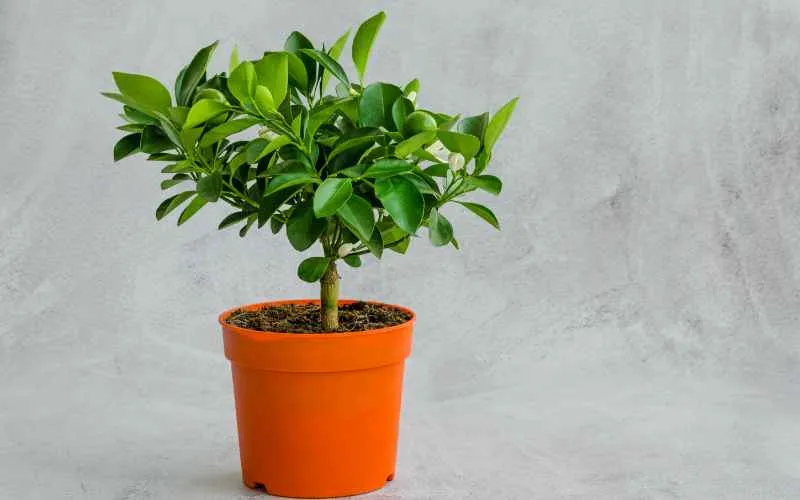
Growing citrus trees in containers is a practical solution for gardeners with limited space or unsuitable soil. Citrus trees like Meyer lemons, limes, and oranges can thrive in pots, allowing you to enjoy fresh, homegrown fruit year-round, even on a balcony or patio. Container gardening is ideal for regions with harsh winters, as pots can be moved indoors to protect the trees from freezing temperatures.
However, keeping citrus trees healthy in containers requires careful attention to soil, watering, and sunlight. Without the right setup, trees can become root-bound, underperform in fruit production, or suffer from nutrient deficiencies. This guide breaks down the steps to help you grow vibrant, fruiting citrus trees in containers easily and successfully.
Step-by-Step Guide to Growing Citrus in Containers
Selecting the Right Citrus Tree
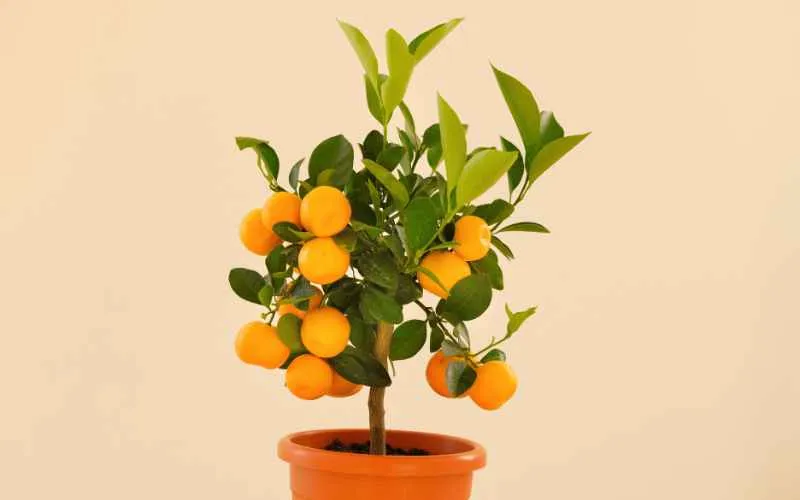
Choosing the best citrus tree for container planting begins with considering varieties that thrive in limited space. Meyer lemon trees are popular for their compact size and prolific fruiting. Their slightly sweet lemons make them versatile for culinary use. Dwarf lime trees, such as the Bearss lime, are another excellent option. They produce tart fruit in abundance while remaining small enough for containers. Calamondin oranges, known for their ornamental appeal and tart fruit, are also well-suited to pots.
When selecting a tree, evaluate its mature size and whether it’s a true dwarf variety or grafted onto dwarfing rootstock. This ensures the tree remains manageable in a container. Check the tree’s climate adaptability—some citrus varieties tolerate cooler temperatures, while others require consistently warm weather. Fruiting habits are equally important; many citrus trees are self-pollinating, but others might benefit from manual pollination if kept indoors.
It is essential to select a healthy tree carefully. Look for vibrant green leaves, strong stems, and a well-developed root system. Avoid trees with visible pests or yellowing foliage, which may indicate stress or disease.
Best Container for Citrus Trees
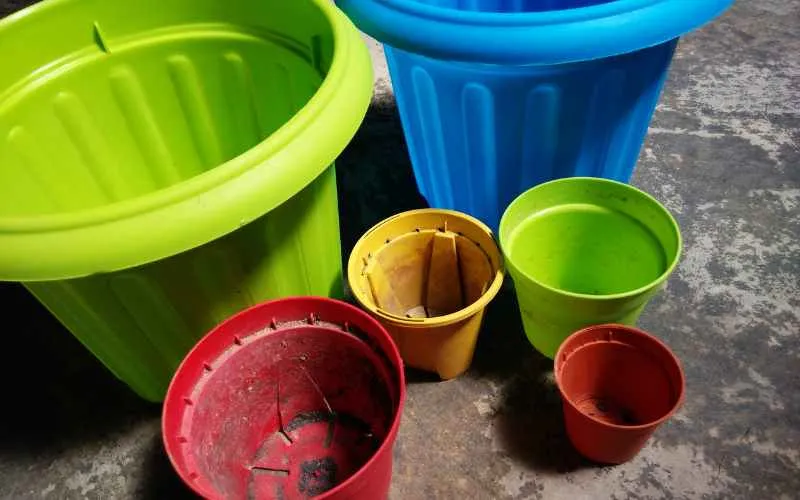
The container you select plays a crucial role in the health and growth of your citrus tree. Depending on your preferences and the tree’s growing conditions, a pot made from plastic, terracotta, or glazed ceramic can all work well. Plastic pots are lightweight and retain moisture better, making them ideal for portability and hot climates. Terracotta pots are attractive and breathable but may dry out quickly, requiring closer watering attention. Glazed ceramic pots offer durability and insulation but can be heavy and expensive.
Size is another critical consideration. The container should be large enough to accommodate the tree’s root system and allow growth. Start with a pot at least 18–24 inches in diameter and equally deep. This size ensures sufficient room for roots to spread and prevents the tree from becoming root-bound too quickly.
Good drainage is non-negotiable. The pot must have several drainage holes to allow excess water to escape, preventing root rot. Place a plastic insert inside or drill holes in the base if using a decorative pot without holes. Durability is also important if the pot will be outdoors, as it needs to withstand temperature changes and exposure to the elements.
Preparing the Soil
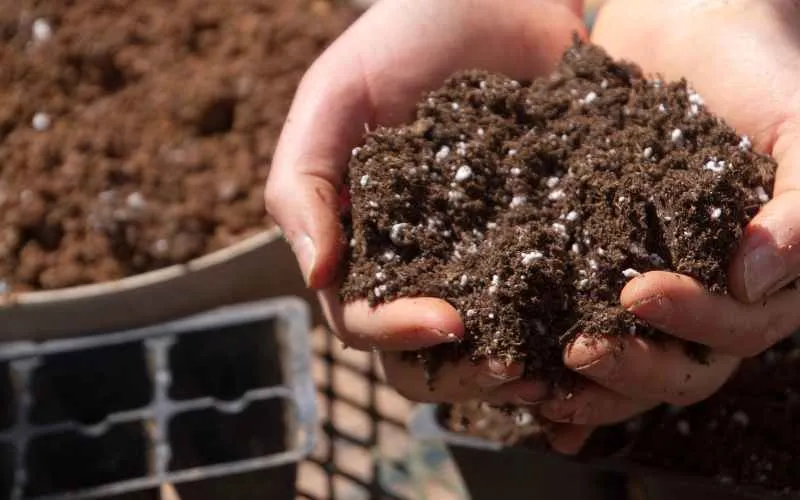
Citrus trees thrive in well-draining, nutrient-rich, and slightly acidic soil. A high-quality potting mix for citrus or fruiting plants is an excellent starting point. These mixes are usually formulated to balance organic matter, aeration, and water retention.
If you’re using a general-purpose potting mix, you can enhance it to meet the needs of your citrus tree. Incorporate perlite, coarse sand, or fine gravel to improve drainage and prevent the soil from becoming compacted. Adding compost or well-rotted manure helps boost the organic content, providing essential nutrients for healthy growth.
The soil’s pH level should ideally range between 5.5 and 6.5. Test the soil with a simple pH kit, and if it’s too alkaline, add amendments like sulfur or peat moss to lower the pH. Avoid using garden soil in containers, as it tends to compact and may harbor pests or diseases.
Before planting, ensure the soil is evenly moist but not soggy. This helps the tree establish its roots quickly. When done right, your citrus tree will have a healthy foundation for growth.
Planting and Potting Up
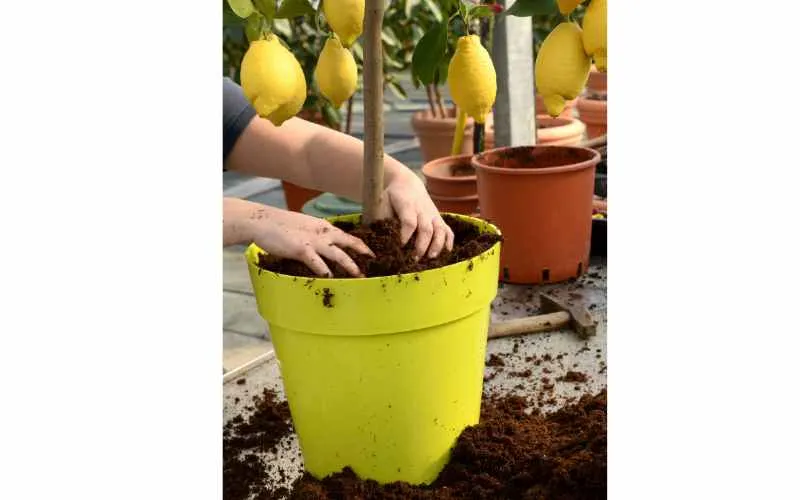
Planting your citrus tree correctly sets the stage for its long-term health and productivity. Start by partially filling your container with the prepared soil mix, leaving enough space for the root ball. Position the tree so its root crown—the area where the roots meet the trunk—is slightly above the soil level. This prevents moisture from collecting at the base of the trunk, which can lead to rot.
Carefully remove the tree from its nursery pot, gently loosening the roots if they appear compacted or circling the root ball. If the tree is root-bound, use your fingers to untangle the roots or prune away a small portion to encourage new growth. Place the tree in the center of the container, ensuring it sits upright and stable.
Fill the remaining space around the root ball with soil, lightly tamping it down to eliminate air pockets. Avoid burying the root crown—keep it exposed for proper airflow and to prevent rot. Once planted, water thoroughly until water flows out of the drainage holes, helping the soil settle around the roots.
Repotting may be necessary every 2–3 years or when the tree becomes root-bound. Signs include roots growing out of the drainage holes or stunted trees. When repotting, move to a slightly larger pot, trim back excess roots if needed, and refresh the soil to maintain nutrient levels.
Placement and Sunlight
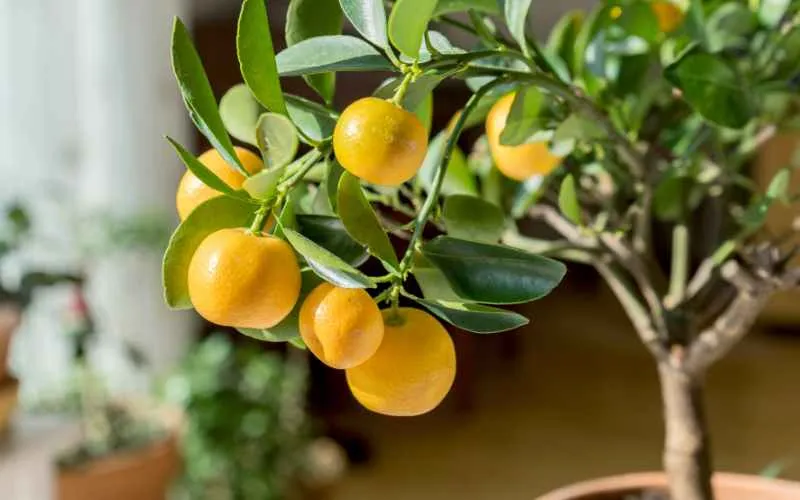
The right placement is essential for the success of your container-grown citrus tree. Citrus trees require full sun to thrive, ideally receiving 6–8 hours of direct sunlight daily. Outdoor trees often thrive in a south-facing spot, such as a sunny patio or a balcony. Indoors, place the tree near a large window with plenty of light, like one facing south or west.
If natural light is insufficient, especially in winter or for indoor trees, supplement with grow lights. Full-spectrum LED grow lights are a great option, mimicking natural sunlight and encouraging healthy growth. Position the lights about 6–12 inches above the tree’s canopy and adjust as it grows to maintain effective coverage.
Avoid areas with strong drafts or sudden temperature changes, which can stress the tree and cause leaf drop. If you live in a cooler climate, ensure the tree is positioned where it can be easily moved indoors during colder months. Rotating the pot occasionally helps ensure even light exposure, promoting balanced growth.
Watering
Proper watering is one of the most important factors in maintaining a healthy citrus tree. Citrus trees prefer consistently moist but not waterlogged soil. Water the tree deeply to ensure water reaches the roots and allows excess water to drain freely from the pot. Watering frequency depends on factors such as the season, climate, and the container’s material. The tree may need watering 2–3 times a week in warmer months, while cooler seasons often require less frequent watering.
Monitor the soil’s moisture level by checking the top 1–2 inches. If it feels dry to the touch, it’s time to water. Overwatering can cause yellowing leaves and root rot, so avoid leaving the tree in standing water. Conversely, underwatering may result in leaf drop and shriveled fruit.
Consider using a saucer under the pot to catch drainage water, but empty it regularly to prevent water from pooling. Mulching the soil surface with organic material like bark or straw can help retain moisture and regulate soil temperature.
Fertilizer for Potted Citrus Trees
Citrus trees are heavy feeders and require regular fertilization to produce healthy foliage and fruit. Use a fertilizer specifically formulated for citrus, as these blends provide essential nutrients like nitrogen, phosphorus, potassium, and trace elements such as magnesium and iron. Look for products labeled as citrus fertilizer or a balanced slow-release formula with a higher nitrogen ratio to support growth.
Fertilizing should follow the tree’s growth cycle. During the active growing season, typically spring through summer, feed the tree every 4–6 weeks. Slow—release fertilizers require fewer applications—usually once every 2–3 months. Reduce or stop fertilizing in late fall and winter dormant months, as the tree requires fewer nutrients.
When applying fertilizer, follow package instructions to avoid over-fertilization, which can burn the roots. Spread the fertilizer evenly around the soil, keeping it a few inches from the trunk. Water the soil after applying to help the nutrients penetrate the root zone. Liquid fertilizers can also be used for a quick nutrient boost, especially during flowering or fruiting periods.
Pruning and Maintenance
Pruning helps keep your citrus tree healthy, encourages better airflow, and maintains a manageable size for container growth. The best time to prune is in late winter or early spring before the tree begins its active growing season.
Start by removing dead, damaged, or diseased branches and cutting them back to healthy wood—thin out crowded canopy areas to allow light and air to reach all parts of the tree. If the tree grows unevenly, prune back overly vigorous branches to balance its shape.
Use sharp, clean pruning tools to make precise cuts and minimize stress to the tree. Avoid excessive pruning, as citrus trees rely on their leaves to produce energy for growth and fruiting. Regular maintenance pruning is usually sufficient to keep the tree in good condition.
Protection from Weather Extremes
Citrus trees are sensitive to extreme weather conditions, so protecting them during harsh seasons is essential. When temperatures drop below 40°F (4°C) in winter, container-grown citrus trees should be moved indoors or to a sheltered area like a greenhouse. Place them in a sunny location away from drafts and heating vents, which can cause stress. If moving the tree isn’t an option, use frost cloths or blankets to insulate it and its container. Adding a layer of mulch over the soil can help regulate root temperatures.
During hot summer, prolonged exposure to intense sunlight and heat can cause leaf scorch and dehydration. Ensure the tree receives enough water and consider using shade cloth or relocating the pot to a spot with partial afternoon shade. Light-colored pots can also help reduce heat absorption and protect the roots.
Strong winds can damage branches and knock over pots, so secure the tree in windy conditions by anchoring the container or placing it in a wind-protected area. Being proactive about weather protection ensures your citrus tree remains healthy and resilient year-round.
Pollination and Harvesting
Pollination is key to fruit production, especially for indoor citrus trees that lack natural pollinators. While most citrus trees are self-pollinating, hand-pollination can significantly improve fruit sets. Use a small paintbrush or cotton swab to transfer pollen from one flower to another, mimicking the action of bees. Gently brush the inside of each flower, focusing on the yellow stamens and the central pistil. To maximize results, perform this process every few days during the flowering period.
Harvesting citrus at the right time ensures the best flavor and quality. Fruits should feel firm and heavy for their size and have a fully developed color. Avoid picking based solely on appearance, as some varieties, like Meyer lemons, may still taste sweet even if the rind retains a green tint. Taste testing is the most reliable way to confirm ripeness.
To harvest, use pruning shears or scissors to cut the fruit from the branch, leaving a small portion of the stem attached. This prevents damage to the tree and encourages future fruiting. Handle fruits gently to avoid bruising, especially for thin-skinned varieties.