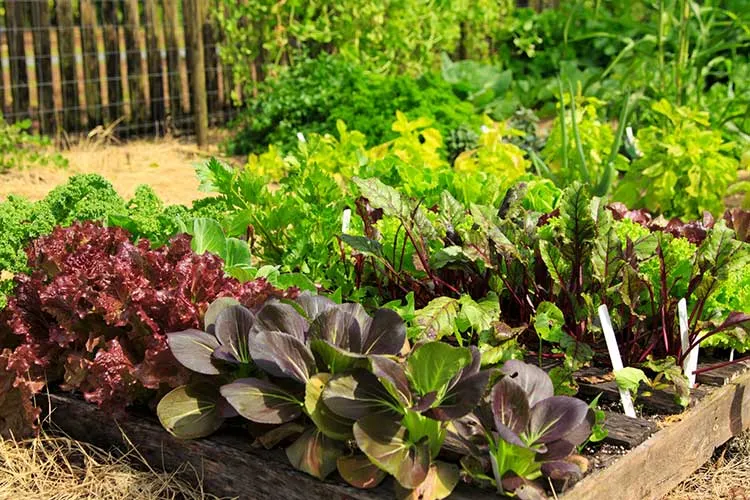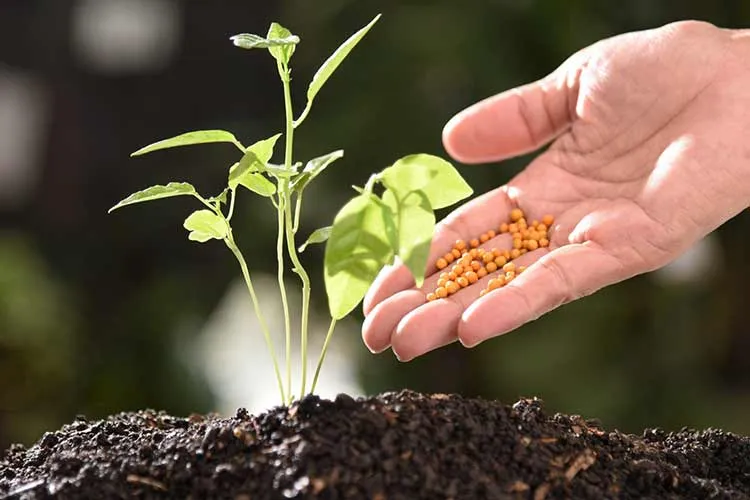
Choosing the best fertilizer for vegetable garden success isn’t just guesswork—it’s essential. Most garden soils can’t supply everything your vegetables need through the season. Nutrient deficiencies are one of the top causes of poor yields, stunted plants, and yellowing leaves. If your crops aren’t thriving, feeding could be the missing piece.
The right fertilizer delivers stronger roots, faster growth, and a noticeably better harvest. This practical guide walks you through everything—from understanding NPK numbers and fertilizer types to applying products correctly and avoiding common mistakes.
You’ll also get tested product recommendations for every kind of vegetable, plus answers to real-world questions that save time and frustration. Let’s get your garden growing the way it should.
Understanding What Your Vegetables Really Need
A thriving vegetable garden starts with good soil; soil alone can’t always provide all the nutrients your plants need throughout the growing season. Fertilizer fills the gaps only if you know what to feed and when.
Vegetables are heavy feeders compared to flowers and ornamental plants. That means they pull a lot of nutrients from the soil to grow leaves, roots, flowers, and fruit. Without regular feeding, plants can stall in growth, produce smaller yields, or develop pale, undernourished leaves.
At a basic level, plants require:
- Macronutrients – Nitrogen (N), Phosphorus (P), and Potassium (K) are the “big three” that most fertilizers highlight on the label. These support leafy growth, root development, and overall plant vigor.
- Secondary nutrients—calcium, magnesium, and sulfur—also support strong plant growth and help with functions like photosynthesis and nutrient uptake.
- Micronutrients – Elements like boron, zinc, iron, manganese, and copper are needed in smaller amounts but are just as essential for healthy vegetables.
Some vegetables are pickier than others. Leafy greens like spinach or lettuce crave nitrogen, while root vegetables like carrots or beets benefit from more phosphorus. Fruiting plants—like tomatoes and peppers—often need a higher potassium boost once they start to flower.
The key is identifying suitable fertilizers for various vegetables, so each crop gets the right support at the right time. Keep reading—we’ll walk you through exactly how to do that.
What the NPK Numbers Actually Mean
You’ll spot numbers 10-10-10 or 20-20-20 on the label when shopping for fertilizer. These aren’t random—they represent the percentage of Nitrogen (N), Phosphorus (P), and Potassium (K) in the product.
Here’s what each nutrient does:
- Nitrogen (N) promotes lush green foliage. It’s essential for leafy crops like kale, lettuce, spinach, and herbs.
- Phosphorus (P) supports strong root growth and flower production. This is especially helpful for root vegetables and flowering/fruiting plants.
- Potassium (K) boosts overall plant health, improves disease resistance, and helps develop fruit and seed.
So when you see 10-10-10, the fertilizer contains 10% of each nutrient by weight. A balanced formula like this is often a good starter for general garden use, which is why gardeners often ask, “Is 10-10-10 good for vegetable garden crops?” The answer is yes—it’s a versatile option, especially early in the growing season when plants need a bit of everything.
But it’s not a one-size-fits-all solution. You’ll want to tweak your NPK choices depending on your crops:
- Tomatoes and peppers? A 5-10-10 or 10-10-10 fertilizer is good for tomato plants early on, followed by a higher potassium blend later.
- Greens and lettuces? High-nitrogen blends (like 12-4-8) give them a quick leaf boost.
- Root crops? Lean more toward phosphorus (such as 6-24-24) for strong root development.
Understanding the NPK ratio takes the guesswork out of choosing the right blend and brings you much closer to harvests you can be proud of.
All About Organic vs. Synthetic Fertilizers
Choosing between organic and synthetic fertilizers can feel overwhelming. Garden centers offer shelves of colorful bags—some promising fast results, others advertising “all-natural” ingredients. So, which is better for your vegetable garden?
Let’s break it down.
Organic Fertilizers for Vegetables
Organic fertilizers are made from natural materials like composted manure, bone meal, blood meal, fish emulsion, and seaweed. These products feed your soil and improve its structure over time. Microbes break down the materials slowly, gradually making nutrients available to plants.
Benefits:
- Improve long-term soil health
- Encourage microbial activity and earthworm populations
- Less likely to burn plants
- Safer for kids, pets, and pollinators
Drawbacks:
- Slower to show results
- May have a strong odor (think fish emulsion)
- Nutrient content can be lower or less consistent
If you’re asking, “What’s the best organic fertilizer to grow vegetables?”—look for blends like Dr. Earth, Burpee Organic Tomato & Vegetable, or Jobe’s Organics. These are well-known, beginner-friendly, and OMRI-listed.
Synthetic Fertilizers for Vegetables
Synthetic (or chemical) fertilizers are made in labs and offer a quick, concentrated dose of nutrients. Brands like Miracle-Gro or Scotts are common in home gardens because they work fast and are easy to use.
Benefits:
- Fast, visible results
- Consistent nutrient content (perfect for NPK precision)
- More affordable per feeding
Drawbacks:
- No long-term benefit to soil structure
- Can burn plants if overused
- May cause salt buildup over time
So, natural or synthetic? There’s no right or wrong answer. Some gardeners combine organics to build healthy soil and synthetics for a quick nutrient boost during peak growth. The real key is using the right product, in the right amount, at the right time.
8 Best Fertilizers for Vegetable Garden to Purchase (With Pros & Cons)
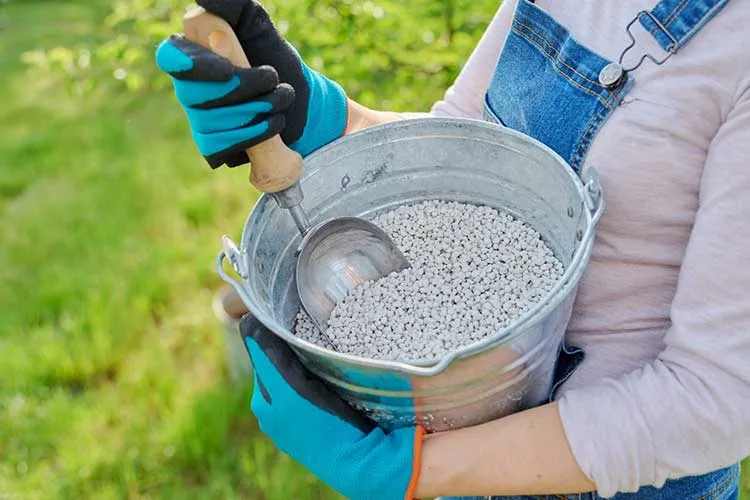
1. Gardenwise All-Purpose Professional Fertilizer (Quick Release)
- NPK: 20-20-20
- Type: Synthetic, water-soluble
- Best for: General feeding across most vegetables
- ✅ Fast acting, easy to mix, value for money
- ❌ Not organic, needs frequent application
2. Miracle-Gro Water Soluble All Purpose Plant Food
- NPK: 24-8-16
- Type: Synthetic, water-soluble
- Best for: Leafy greens, herbs, flowering crops
- ✅ Trusted brand, great results with container vegetables
- ❌ Can cause buildup if overapplied
3. Jack’s Classic All-Purpose Fertilizer
- NPK: 20-20-20
- Type: Synthetic
- Best for: Consistent feeding throughout the season
- ✅ High-quality micronutrient blend
- ❌ Must be diluted properly to avoid burn
4. Dr. Earth Organic Vegetable Fertilizer
- NPK: 4-6-3
- Type: Organic
- Best for: Raised beds, long-term soil health
- ✅ OMRI-listed, slow release, safe for pollinators
- ❌ Slow to show results, strong odor
5. Osmocote Smart-Release Plant Food (Flower & Vegetable)
- NPK: 14-14-14
- Type: Synthetic, slow-release
- Best for: Busy gardeners, container vegetables
- ✅ Feeds up to 4 months, low maintenance
- ❌ Can be costly for large gardens
6. Burpee Organic Tomato & Vegetable Granular Fertilizer
- NPK: 3-6-4
- Type: Organic granular
- Best for: Tomatoes, peppers, squash
- ✅ Supports blossoms and fruiting
- ❌ Requires consistent reapplication
7. Jobe’s Organics Vegetable & Tomato Fertilizer
- NPK: 2-5-3
- Type: Organic granular
- Best for: In-ground gardens, raised beds
- ✅ Contains Biozome microbes to improve soil
- ❌ Scent may attract pets or wildlife
8. Scotts Continuous Release Plant Food for Vegetables
- NPK: 10-10-10
- Type: Synthetic, slow-release
- Best for: General feeding across a wide range of vegetables
- ✅ Balanced and simple for beginners
- ❌ Not ideal for organic-only gardeners
How to Apply Fertilizers the Right Way
Even the best fertilizer won’t do much if it’s applied the wrong way. Overdo it, and you risk burning your plants. Apply it too lightly or at the wrong time, and your vegetables won’t get the necessary nutrients. This chapter breaks down how to select and apply fertilizers properly, whether you’re using synthetic or organic products.
Step 1: Know Your Product Type
- Granular fertilizers (both organic and synthetic) are sprinkled around the plant base or mixed into the soil.
- Water-soluble fertilizers (like Miracle-Gro or Jack’s Classic) are dissolved in water and applied using a watering can or hose sprayer.
- Slow-release pellets (like Osmocote) are mixed into the soil at planting time and feed over weeks or months.
How to Apply Commercial Synthetic Fertilizers
- Read the label carefully—most synthetic products are concentrated.
- Always water before and after applying to prevent root burn.
- Apply away from stems, sprinkling around the root zone.
- Use every 1–2 weeks for water-soluble types, or per label instructions for slow-release options.
How to Apply Natural Organic Fertilizers
- Mix compost or granular organic fertilizer into the top 2–3 inches of soil.
- For liquid organic products (like fish emulsion), dilute according to instructions and apply every 2–4 weeks.
- With slow-release organics like manure for vegetable gardens, apply early in the season and again mid-season.
Tips to Prevent Overfeeding
- More is not better—stick to recommended amounts.
- Rotate feeding with compost tea or worm castings to avoid buildup.
- If plants show signs of stress after feeding, flush the soil with water.
Whether using an all-purpose fertilizer or a crop-specific blend, the goal is steady, balanced nutrition, not overload. Your plants will thank you with stronger growth and better harvests.
When (and How Often) to Fertilize for Best Results
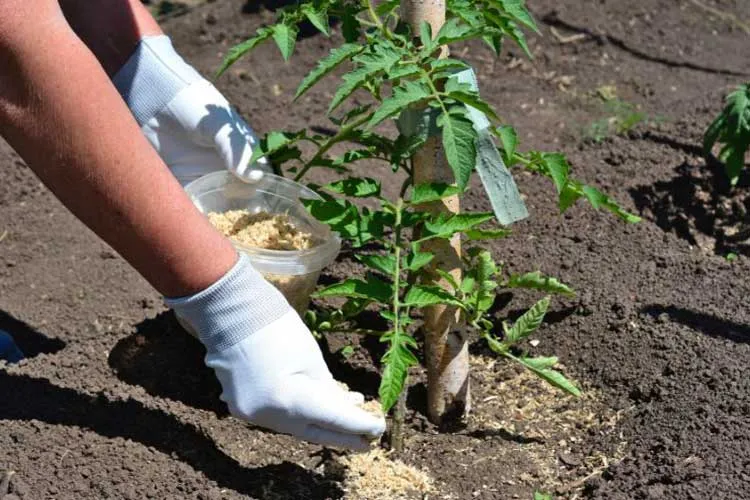
Timing can make or break your fertilizing routine. Too early, and you might feed weeds instead of seedlings. It is too late, and your vegetables may miss their growth window. So, when should you fertilize your vegetable garden?
Here’s a simple guide to get the most out of your feeding efforts.
At Planting Time
- Mix granular fertilizer (synthetic or organic) into the soil before transplanting or sowing seeds.
- Dig in 10-10-10 or all-purpose fertilizer a week before planting for heavy feeders like tomatoes or corn.
Early Growth Stage
- Apply a balanced or high-nitrogen fertilizer once your seedlings have 2–3 sets of true leaves.
- This helps leafy crops bulk up and supports strong early development.
Flowering and Fruiting Stage
- Switch to a higher potassium and phosphorus blend for fruiting crops like peppers, tomatoes, cucumbers, and squash.
- This encourages blossoms and supports healthy fruit development.
Feeding Schedule by Plant Type
| Crop Type | Fertilizer Type | Frequency |
|---|---|---|
| Leafy greens | High nitrogen (12-4-8) | Every 2 weeks |
| Fruiting veg | 5-10-10 or 10-10-10 | Every 2–3 weeks |
| Root crops | 6-24-24 | At planting + mid-season |
| Herbs | Light feeders | Monthly (optional) |
| Potted veggies | Liquid or slow-release | Every 10–14 days |
Signs It’s Time to Fertilize Again
- Leaves turning pale or yellow
- Slowed growth during warm conditions
- Plants producing few flowers or fruit
If your garden isn’t thriving, it may be time to re-feed. But go slow—under-fertilizing is easier to fix than overdoing it.
Understanding application methods and timing helps you get results without waste or harm. Keep a garden journal or set reminders to stay consistent, especially during peak growing months.
Tailoring Fertilizer to Different Vegetables
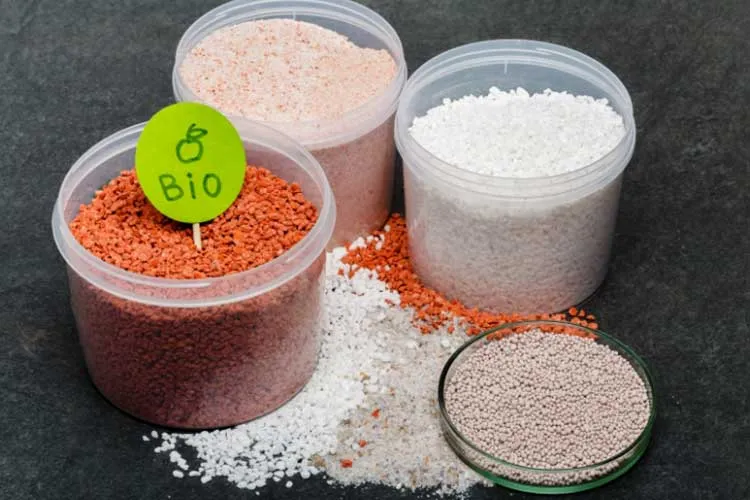
Not all vegetables crave the same nutrients. If you’ve been asking, “Can I use the same fertilizer for all my vegetables?”—the short answer is sometimes, but it’s not ideal if you want your best harvest. Different crops grow differently, and tailoring your fertilizer gives each one what it needs to thrive.
Leafy Greens (Lettuce, Kale, Spinach, Swiss Chard)
What they need: Nitrogen-heavy blends
Why: Nitrogen fuels leafy growth, which is the main edible part.
Good choices: 12-4-8 or 24-8-16 (like Miracle-Gro)
💡 Tip: For container-grown greens, use the best fertilizer for vegetables in pots like a diluted liquid feed every 7–10 days.
Root Vegetables (Carrots, Beets, Radishes, Potatoes)
What they need: Low nitrogen, high phosphorus
Why: Too much nitrogen leads to lush tops but poor roots.
Good choices: 6-24-24 or 5-10-10
Application: Mix into soil at planting, then side-dress halfway through the season.
Fruiting Vegetables (Tomatoes, Peppers, Cucumbers, Zucchini)
What they need: Balanced early on, more potassium & phosphorus when fruiting
Why: You want strong vines and productive flowering.
Is 10-10-10 fertilizer good for tomato plants? Yes, early in the season. Later, switch to something like 5-10-10 for fruiting.
Good choices:
- Start with 10-10-10
- Shift to 5-10-10 or tomato-specific blends like Burpee Organic
Herbs (Basil, Parsley, Dill, Oregano)
What they need: Light feeding, mostly nitrogen
Why: Overfeeding can reduce flavor and encourage too much soft, watery growth.
Good choices: Organic options or a diluted 10-10-10 every 3–4 weeks
Choosing the right fertilizer for each type of vegetable lets you fine-tune growth and flavor. It’s a small effort that pays back in taste, color, and yield.
Common Fertilizer Problems (and How to Avoid Them)
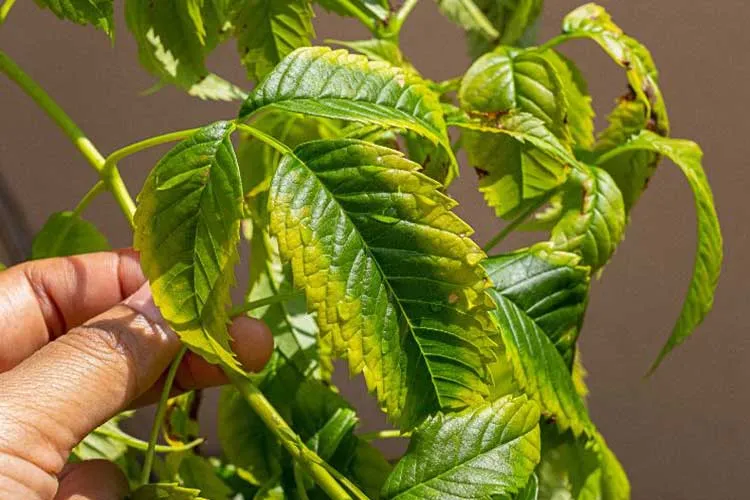
Overdoing things in the garden is easy, especially when you’re eager to help your plants grow. But too much of a good thing can quickly cause problems. This chapter tackles the common challenges gardeners face regarding fertilization and how to fix them before they wreck your season.
Problem #1: Fertilizer Burn
What it looks like: Brown leaf tips, wilted plants, stunted growth
Why it happens: Applying too much synthetic fertilizer or failing to water before and after feeding
How to avoid it:
- Always follow label instructions
- Water thoroughly after applying
- Use slow-release formulas or organics when in doubt
Problem #2: Salt Buildup in Soil
What it looks like: White crust on soil surface, dry or compacted soil, poor plant performance
Why it happens: Overuse of chemical fertilizers or hard water
How to fix it:
- Flush the soil with clean water every few weeks
- Use compost tea or worm castings to help rebalance the soil
- Rotate with organic fertilizer blends
Problem #3: Imbalanced Nutrients
What it looks like:
- Lots of leaves, no fruit = too much nitrogen
- Purple leaves or weak roots = phosphorus deficiency
- Yellow leaf edges = potassium deficiency
How to correct it:
Test your soil or switch to a more balanced fertilizer. Sometimes just adjusting the NPK ratio is all it takes.
Problem #4: Fertilizing at the Wrong Time
What it looks like: Slow growth, pest issues, or poor fruit set
Why it happens: Feeding too early in cold soil, or too late in summer heat
How to stay on track:
- Stick to seasonal feeding schedules
- Apply lightly during heat waves
- Track results in a garden journal
Pro Tip: Observe Before You Feed
Before adding anything to the soil, take a moment to look at your plants. Often, they’ll tell you what they need—yellowing leaves, slow growth, or poor yields are all clues.
Avoiding these common fertilizing mistakes can be the difference between a struggling garden and one bursting with color, flavor, and bounty.
Soil Health Boosters — Compost, Manure, Epsom Salt & More

A well-fed garden doesn’t run on fertilizer alone. Long-term success comes from feeding the soil, not just the plants. That means adding organic matter and natural boosters that improve structure, drainage, and biological life underground.
So, if you’re wondering, “What can I add to my garden soil to improve it? ” Here’s where to start.
Compost
Compost is the gold standard. It’s loaded with slow-release nutrients, beneficial microbes, and humus that helps retain moisture.
- When to use it: Early spring or fall, mixed into planting beds
- Benefits: Improves soil structure, boosts microbial activity, enhances nutrient uptake
- How to apply: Spread 1–2 inches across your beds and work into the top 4–6 inches of soil
Manure for Vegetable Gardens
Aged manure (from cows, horses, chickens, or rabbits) is rich in nutrients and organic matter, especially nitrogen.
- Caution: Use only composted manure. Fresh manure is too “hot” and can burn plants or introduce pathogens.
- Best time to apply: In fall, or 3–4 weeks before planting
- Application: Mix into the topsoil or compost pile
Epsom Salt for Plants
Epsom salt is a natural source of magnesium and sulfur, which support chlorophyll production and seed formation.
- When it helps: Yellowing leaves, magnesium-deficient soil (common in sandy areas)
- How to apply: Dissolve 1 tablespoon in a gallon of water and apply monthly, especially to tomatoes and peppers
- Is Epsom salt good for plants? Yes, in moderation—it’s a helpful supplement, not a complete fertilizer
Other Natural Boosters
- Worm castings: Rich in nutrients and enzymes, excellent for seed starting and container mixes
- Seaweed extract: Adds micronutrients and growth hormones; great as a foliar spray
- Bone meal: High in phosphorus, ideal for root crops and transplanting
- Blood meal: Fast-release nitrogen source for leafy crops
The more life you build into your soil, the better your fertilizer will work. These natural amendments are soil conditioners that help everything else perform better.
FAQs About Vegetable Garden Fertilizers
Gardeners ask great questions—and this section answers the most common ones with quick, helpful guidance. These FAQs are based on real search queries and common backyard dilemmas.
What’s the difference between 10-10-10 and 20-20-20 fertilizer?
Both are balanced fertilizers, offering equal nitrogen, phosphorus, and potassium. The main difference is concentration.
- 10-10-10 is lighter and safer for general garden use.
- 20-20-20 delivers nutrients more aggressively and is best for fast-growing or nutrient-hungry crops in poor soil.
Start with 10-10-10 if you’re unsure.
Is Miracle-Gro safe for vegetables?
Miracle-Gro Water Soluble Plant Food is labeled safe for edibles when used according to instructions. Always measure and dilute carefully, and avoid contact with edible parts during application.
Can I use fertilizer and compost together?
Absolutely. Fertilizer feeds the plant, while compost feeds the soil. Use compost for long-term improvement and fertilizer for targeted support during the season for best results.
Should I fertilize before or after planting?
- Before planting: Mix granular fertilizer into the soil a week or two ahead of time.
- After planting: Apply diluted liquid fertilizer once seedlings have established roots (usually 2–3 weeks).
Are organic fertilizers slower to work?
Yes, organic fertilizers rely on microbial activity to break down nutrients. This means they take longer to show results, but improve the soil over time. Synthetic fertilizers work faster but don’t support long-term soil health.
How often should I fertilize potted vegetables?
Potted vegetables rely entirely on what you give them, so plan to fertilize every 10–14 days with a water-soluble fertilizer or use a slow-release formula mixed into the potting soil at planting time.
Can I use the same fertilizer for herbs and vegetables?
You can, but it’s better to go lighter on herbs. Too much fertilizer can make herbs grow too quickly and lose flavor. Stick to low-nitrogen or diluted all-purpose blends once a month.
Helpful Growing Tips & Insight
Best Vegetables for Container Gardening for Beginners
17 Easy Ways to Stop Your Dog from Eating Your Plants
7 Best Microgreens to Grow Indoors with Quick Results
20 Practical Tips to Keep Your Raised Bed Soil Healthy All Season