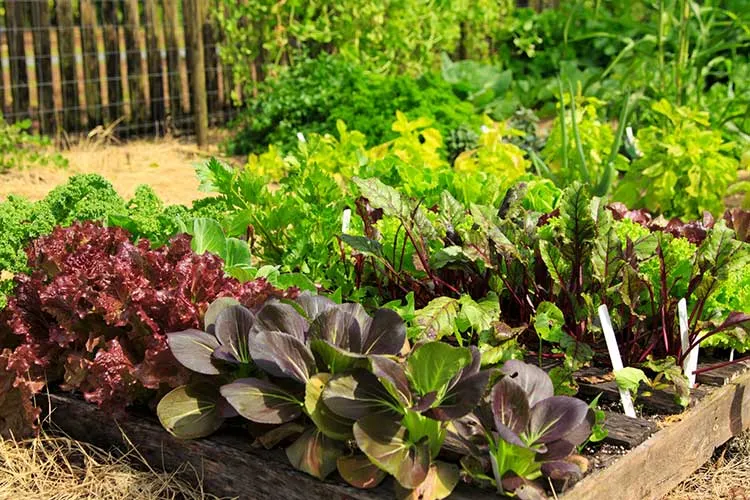
Mulch is one of the most effective tools you can use to give your vegetable garden a healthy boost. But what exactly is mulch, and why does it matter? Think of mulch as your garden’s hardworking helper, doing everything from conserving moisture to keeping weeds at bay. This natural, versatile layer covers your soil, protecting it from the elements and improving its overall health.
Whether you’re a seasoned gardener or just starting out, understanding how mulch works and why it’s essential can make a huge difference in your garden’s productivity. In this guide, we’ll explore five key reasons why mulch is a must for your vegetable garden and how to use it effectively to reap the best results.
Mulch Improves Vegetable Garden Productivity
Adding mulch to your vegetable garden is like giving it a protective blanket that boosts productivity. By covering the soil, mulch creates a stable environment where your plants can thrive. One key reason is temperature regulation: mulch keeps the soil warmer during cool spells and cooler during hot weather, reducing stress on your plants. This means your vegetables grow more consistently, even when outdoor temperatures fluctuate.
Mulch also prevents soil compaction caused by heavy rains. Loose, aerated soil allows roots to spread out more easily, ensuring better nutrient uptake and stronger plants. Organic mulches, such as straw, shredded leaves, or grass clippings, slowly decompose over time, enriching the soil with nutrients and improving its structure.
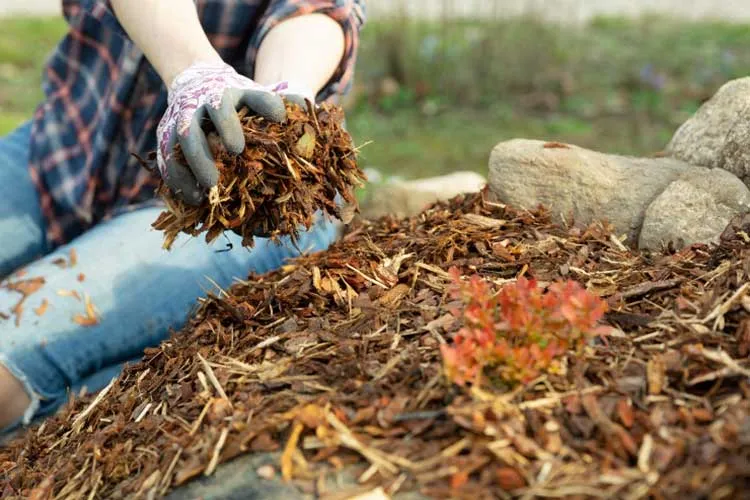
For best results, spread a 2-3 inch layer of mulch around your plants, leaving a small gap around stems to prevent rot. For crops like tomatoes and peppers, straw is a great choice since it provides excellent coverage without overwhelming delicate roots. On the other hand, bark mulch works better for paths between rows, as it lasts longer and reduces maintenance.
Mulch Reduces Watering Needs in Vegetable Gardens
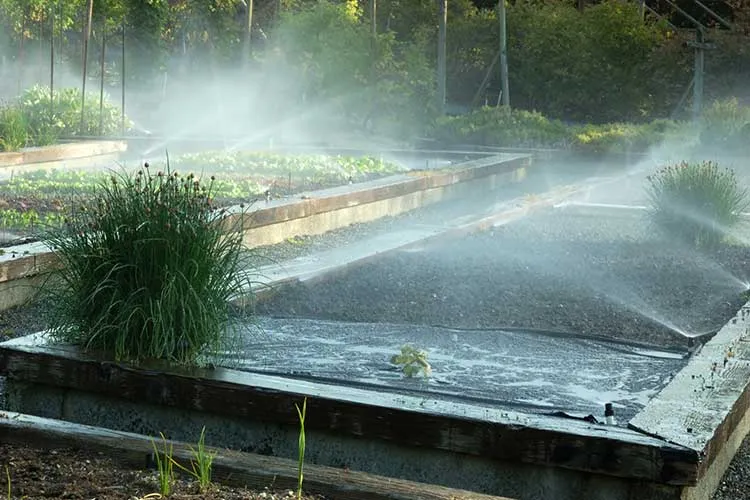
One of mulch’s most valuable benefits is its ability to conserve moisture, which means less time spent watering and healthier plants. When applied properly, mulch acts like a sponge, holding onto water and preventing it from evaporating quickly in the sun. This is especially helpful during hot summer months or in regions prone to drought. By maintaining consistent soil moisture, mulch helps your vegetables stay hydrated and stress-free.
To maximize water retention, choose organic mulches like straw, wood chips, or compost, which absorb and hold water effectively. Spread a 2-3 inch layer of mulch around your vegetables, ensuring an even distribution. Avoid piling mulch directly against plant stems, as this can trap excess moisture and lead to rot.
Mulch also reduces runoff, so the water you add stays in place instead of washing away. For areas with sandy soil, which tends to dry out quickly, heavier mulches like bark or wood chips provide extra insulation. Meanwhile, in clay soil, finer mulches like compost help improve water penetration while preventing the soil from becoming too saturated.
Mulch Helps Prevent Soil Erosion in Vegetable Gardens
Soil erosion can be a major challenge in vegetable gardening, especially after heavy rains or strong winds. Mulch provides an effective barrier that protects your soil, keeping it in place and maintaining its quality. When spread over the surface, mulch absorbs the impact of raindrops, preventing them from displacing the soil underneath. This helps to reduce runoff and ensures that valuable nutrients stay where your plants need them most.
For slopes or areas prone to erosion, heavier mulches like wood chips or shredded bark are especially effective because they don’t shift easily. In flatter gardens, lighter options like straw or grass clippings work well while adding nutrients as they decompose. To prevent erosion, lay down a thick layer of mulch (about 3 inches) across bare soil or between vegetable rows.
Mulch also encourages better water infiltration, allowing rainwater to soak into the soil instead of washing it away. This not only prevents erosion but also ensures your plants benefit from every drop of water. For windy areas, consider using landscape fabric beneath your mulch to anchor it securely.
Mulch Suppresses Weeds in Vegetable Gardens
Weeds are every gardener’s nemesis, stealing nutrients, water, and sunlight from your vegetables. Mulch offers a natural, chemical-free way to keep weeds under control. By creating a thick, light-blocking layer over the soil, mulch makes it difficult for weed seeds to germinate and grow. The fewer weeds you have, the more energy your vegetables can focus on growing big and healthy.
To effectively suppress weeds, spread a 2-3 inch layer of mulch over your garden beds, being careful to leave a small gap around the base of your plants to avoid stem rot. Organic options like straw, wood chips, or shredded leaves work particularly well because they also improve soil health as they break down. For especially weedy areas, consider laying down cardboard or newspaper beneath the mulch for an extra barrier.
Some mulches, like pine needles or bark, are less prone to breaking down quickly, making them excellent choices for long-term weed suppression. However, avoid using mulch with weed seeds, such as fresh grass clippings, unless properly composted.
Mulch Enhances Soil Fertility in Vegetable Gardens
Mulch isn’t just a protective layer—it’s also a natural soil enhancer that boosts fertility over time. Organic mulches like straw, compost, shredded leaves, or wood chips gradually break down, releasing nutrients back into the soil. These nutrients enrich the soil, making it more fertile and better equipped to support healthy vegetable growth.
To get the most out of mulch for soil fertility, choose materials suited to your garden’s needs. For instance, compost or well-rotted manure adds an immediate nutrient boost, ideal for heavy-feeding crops like tomatoes or squash. Straw and shredded leaves decompose more slowly, providing a steady supply of organic matter throughout the season.
Apply a 2-3 inch layer of mulch, keeping it evenly spread to ensure consistent nutrient distribution. As the mulch decomposes, it also improves soil structure, enhancing its ability to retain moisture and air, both of which are vital for root health. In addition, mulch promotes the activity of beneficial soil organisms, such as earthworms, which further break down organic material and improve soil quality.
Conclusion
Mulch is a game-changer for vegetable gardens, offering a host of benefits that make it an essential gardening tool. From improving productivity and conserving water to preventing soil erosion, suppressing weeds, and enhancing soil fertility, mulch works hard to create the ideal environment for your vegetables to thrive. With choosing the right mulch and applying it correctly, you can save time, reduce maintenance, and boost your garden’s overall health.
Whether you’re tackling tough growing conditions or simply looking to make your garden more efficient, mulch provides a simple, effective solution. With just a little effort, you can enjoy healthier plants, bigger harvests, and a more sustainable approach to gardening. So go ahead, give mulch a try, and watch your vegetable garden flourish!