If you’re craving crisp, fresh greens that are as easy to grow as they are to eat, baby leaf lettuce is a must-have. These young leaves, harvested early for their tender texture and mild flavor, add a touch of elegance to everything from salads to sandwiches. Unlike full heads of lettuce, baby leaves are perfectly sized for quick meals—no chopping required! Whether you love the soft, crinkled edges of green leaf lettuce or the vibrant hues of red oakleaf, these versatile greens are as beautiful as they are practical.
What is Baby Lettuce
Baby leaf lettuce refers to young, tender leaves harvested early in their growth, typically when they reach 3 to 4 inches long. Unlike mature lettuce heads, these leaves are picked around 25 to 30 days after planting, making them soft, flavorful, and easy to eat. Because of their delicate structure, baby leaves are often used in fresh salads or as garnishes, adding a burst of color and texture.
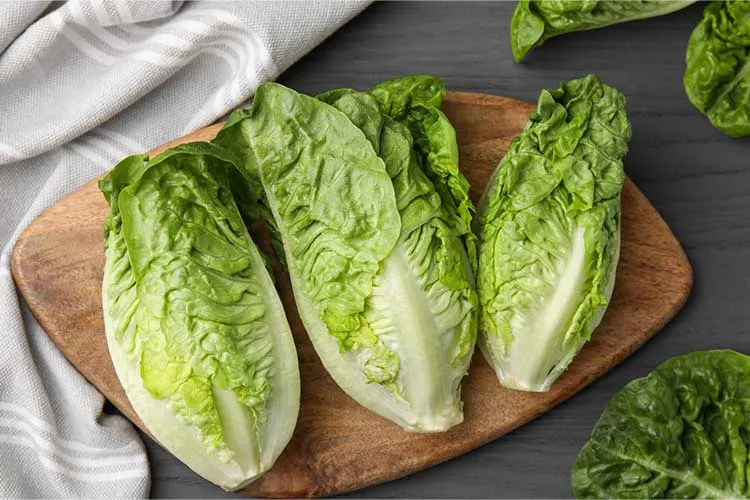
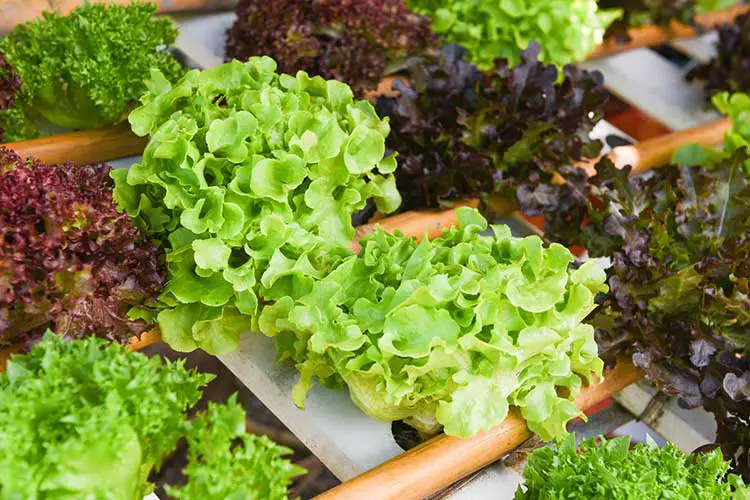
A variety of popular lettuce types can be enjoyed as baby leaves. Romaine, known for its elongated, slightly crisp leaves, has a mild flavor with a hint of sweetness. Green leaf lettuce has frilly, soft-edged leaves with a fresh, mild taste. Red leaf lettuce offers the same texture but with rich burgundy accents that add visual interest. Oakleaf lettuce, with its distinct lobed leaves resembling oak tree foliage, has a tender bite and a subtly nutty flavor.
These early-picked greens aren’t just beautiful—they’re also practical. Their size makes them perfect for quick meals, and their shorter growing time means faster harvests. Many gardeners appreciate how forgiving baby leaf varieties are since they can be planted densely and regrow after being cut. Whether you’re assembling a bright salad or layering a sandwich, they bring a fresh, homegrown touch that’s hard to beat.
How Does Baby Leaf Lettuce Compare to Regular Lettuce?
The main difference between baby leaf lettuce and regular lettuce is their growth stage. Baby leaf is harvested early, when the leaves are small and tender, while regular lettuce is left to mature, forming larger heads or fuller leaves. This early harvest gives baby leaves a softer texture and milder flavor, making them perfect for delicate dishes like fresh salads or light wraps.
Regarding structure, baby leaves are loose and airy rather than densely packed, making them easier to toss and serve without cutting or tearing. Like a full romaine heart or butterhead, regular lettuce tends to have thicker stems and larger leaves, giving them a sturdier feel that holds up well in recipes like lettuce cups or grilled wedges.
Flavor preferences also vary—baby leaf varieties are often chosen for their mild, slightly sweet taste, while mature lettuce can have more bitterness, especially in heartier types like romaine or escarole. When it comes to presentation, baby leaves add elegance to dishes with their vibrant colors and soft shapes. They’re also more convenient for quick meals since there’s no need to chop or prep large heads of lettuce.
Whether making a sandwich or a grain bowl, this lettuce is a fresh, ready-to-use option that blends seamlessly into many recipes. It is a favorite for its convenience and style.
What Is the Difference Between Baby Lettuce and Microgreens?
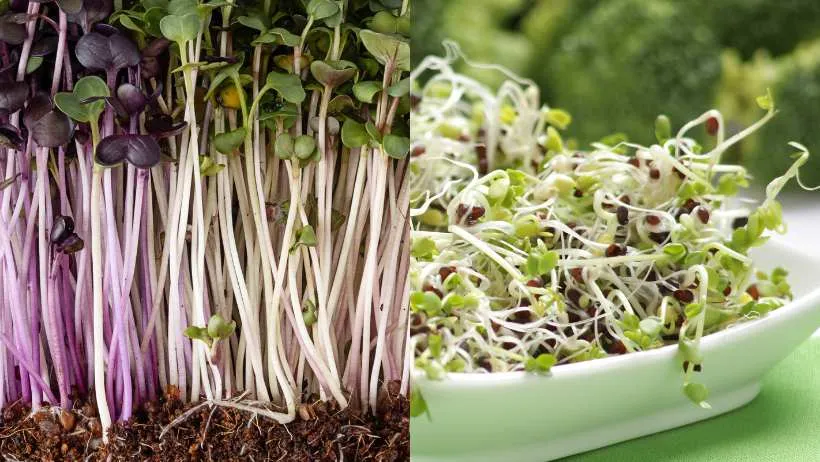
Baby leaf lettuce and microgreens are often confused, but they’re quite different in terms of growth stage, appearance, and culinary use. Baby lettuce is harvested when the leaves are around 3 to 4 inches long, typically 25 to 30 days after planting. In contrast, microgreens are harvested much earlier—at 7 to 14 days—when the first true leaves have just started to form.
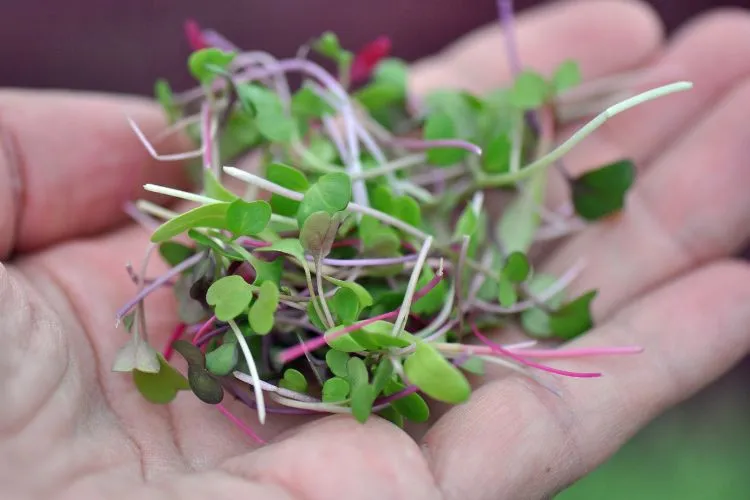
Visually, baby leaf lettuce resembles small versions of fully grown leaves, while microgreens are tiny, often only a couple of inches tall, with thin stems and small, delicate leaves. Because they’re so young, microgreens tend to be more vibrant in color and pack an intense, concentrated flavor. They have a mild, subtle taste and a soft texture, making them ideal for salads or sandwich toppings. Conversely, microgreens are typically used as a garnish to add a pop of color and a burst of flavor to dishes.
Nutritionally, microgreens often contain higher levels of vitamins and antioxidants due to their early growth stage. However, baby leaf lettuce offers more volume and substance, making it a better choice for dishes that require a leafy base, such as grain bowls or wraps. If you’re looking for a tender yet hearty addition to your meal, these lettuce shines, while microgreens provide a bold finishing touch.
How Long Does Baby Leaf Lettuce Take to Grow?
Young Lettuce Varieties
Baby leaf varieties typically take 25 to 30 days from planting to harvest, making it a quick and rewarding crop. Since you’re harvesting the leaves before the plant matures, the growing process is much faster than full-size lettuce heads.
To ensure healthy growth, plant the seeds in loose, well-draining soil and place them in an area that receives at least 4 to 6 hours of sunlight daily. Water consistently to keep the soil moist but not soggy—lettuce thrives with steady hydration. Temperatures between 60°F and 70°F are ideal, as lettuce prefers cooler weather and can struggle in extreme heat.
For the best results, sow seeds densely and thin them slightly once they sprout. Once they reach 3 to 4 inches tall, usually within a month, you can start cutting baby leaves. With the right conditions, you’ll have a steady supply of tender greens in no time!
7 Ways to Use Baby Leaf Lettuce
These tender greens elevate meals for a light lunch or a hearty dinner.
Salad Mixes: This lettuce is a salad superstar, especially when mixed with other greens like arugula or spinach. Its mild flavor pairs well with tangy vinaigrettes or creamy dressings. Add soft cheeses like goat cheese or feta and top with nuts or seeds for extra texture.
Egg Dishes: Tuck baby leaves into breakfast wraps or layer them on avocado toast with a poached egg. The tender greens balance out the richness of eggs while adding a fresh, crisp bite.
Sandwiches: Swap iceberg or romaine for baby lettuce in sandwiches and burgers. The soft leaves are easy to fold and fit into sandwiches without overpowering the other ingredients. In sandwiches and burgers, swap
Wraps: Use larger baby leaves as a low-carb wrap alternative. They’re sturdy enough to hold fillings like chicken salad or roasted veggies but tender enough to fold without tearing. For, use larger baby leaves
Grain Bowls: Add a handful of baby greens to warm grain bowls. They provide a refreshing contrast to hearty ingredients like quinoa, roasted sweet potatoes, and chickpeas.
Smoothies: Blend baby greens into fruit smoothies for a mild, nutritious boost. Their soft texture makes them blend easily without leaving a gritty or overpowering taste.
Stir-Fries: Toss them in at the very end of a stir-fry for a quick wilt. Its delicate leaves soak up savory sauces and add a pop of green without becoming mushy.
With its mild taste and versatility, baby leaf lettuce makes it easy to create healthy, flavorful meals. Whether raw or lightly cooked, it’s an easy addition to almost any dish!