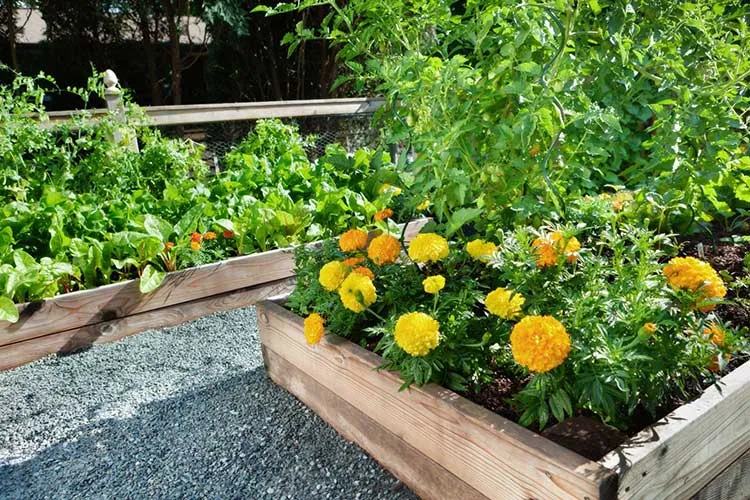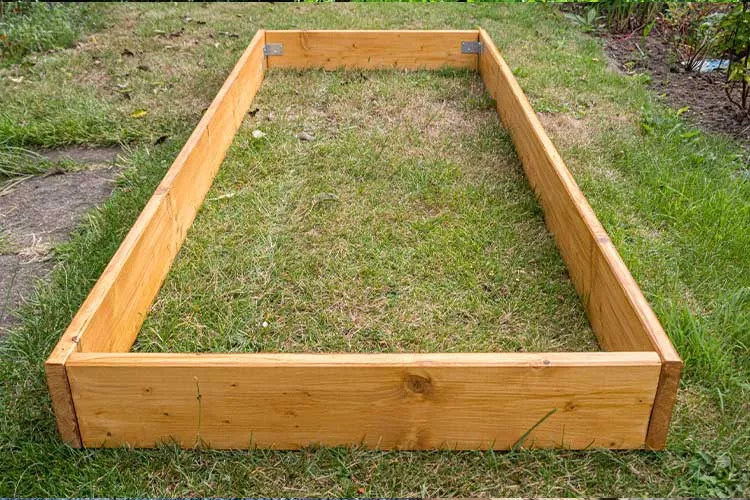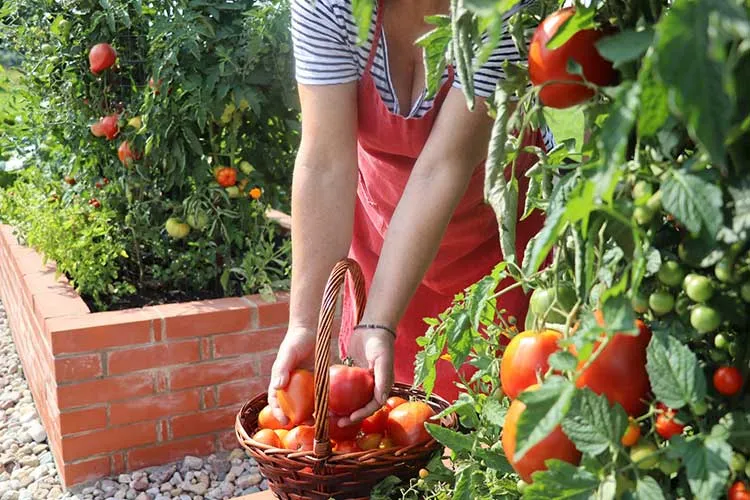
Growing tomatoes in raised beds is a fantastic way to improve your yield while maintaining control over soil quality and drainage. Raised beds warm up quicker in the spring, offer better weed control, and allow you to customize the soil mix, making them perfect for tomato cultivation. However, choosing the right tomato varieties for raised beds is essential to get the most out of your growing space.
So what the best tomatoes to grow in raised beds? Generally, it is important to consider factors like tomato variety, size, and growth habit when selecting tomatoes for raised beds. Determinate varieties like ‘Roma’ or ‘Celebrity’ are ideal, as they remain compact. For indeterminate varieties, ‘Cherry’ and ‘Better Boy’ perform well with proper support.
In this guide, we’ll cover key aspects of the best tomatoes to grow in raised beds, from the best varieties to plant and their specific needs, to tips on vertical gardening, bed preparation, and optimal planting times. Whether you’re growing for taste, space, or yield, this article will provide the essential knowledge for success in your tomato-growing journey.
Table of Contents
ToggleBest Tomatoes to Grow in Raised Beds
Choosing the right variety of tomatoes to grow in raised beds is essential to optimize space, maximize yields, and reduce the chances of disease. Raised beds are especially ideal for tomatoes due to the controlled environment they offer, allowing for improved drainage and soil fertility.
Compact Growth and High Yield
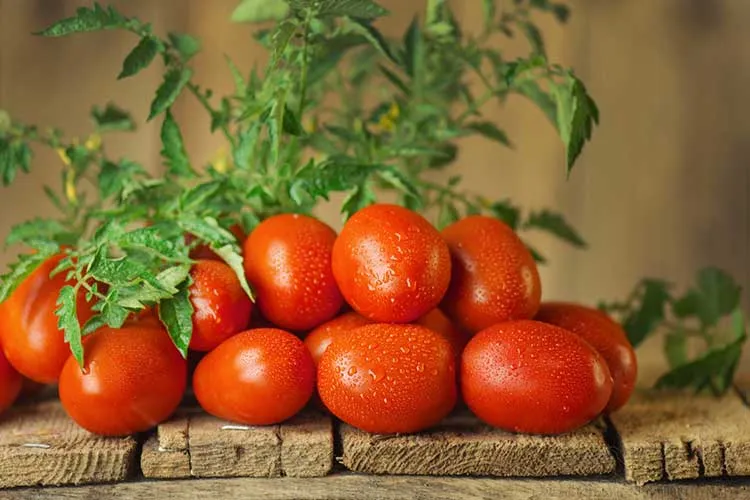
For small spaces, determinant tomato varieties like Roma and Bush Early Girl are ideal. These bush-type tomatoes are compact and require less staking and maintenance than indeterminate varieties. Roma tomatoes are a popular choice for sauces and canning, producing dense, plum-shaped fruits with minimal seeds. Bush Early Girl, another determinate variety, matures quickly, offering early-season harvests of juicy, flavorful fruits.
Disease Resistance
Tomato plants can be vulnerable to diseases like blight, especially when grown in humid environments. Opting for disease-resistant varieties helps mitigate this risk. Varieties such as Celebrity and Juliet are known for their robust resistance to common tomato diseases. Celebrity tomatoes are excellent for slicing, with a balance of sweetness and acidity, and they grow well in raised beds due to their manageable size and high yields.
Best Choices for Raised Beds
If you enjoy growing bite-sized tomatoes, consider varieties like Cherry Tomatoes or Sun Gold. These indeterminate types produce small, sweet fruits throughout the season and can thrive in raised beds with proper support, like cages or stakes. Sun Gold, in particular, is prized for its exceptionally sweet flavor and prolific production.
What Are the Best Tomatoes to Grow Vertically?
Vertical gardening in raised beds is an excellent way to save space, improve air circulation, and make maintenance tasks like pruning and harvesting easier. By training tomato plants to grow upward with the help of supports like trellises, cages, or stakes, you can maximize your yield in a small area. Indeterminate tomato varieties are ideal for vertical gardening because they grow continuously throughout the season, producing fruit on vines that can be guided upwards.
Recommended Varieties for Vertical Growth
Some of the best indeterminate tomatoes for vertical gardening include Sun Gold, Better Boy, and Sweet 100.
- Sun Gold, a popular cherry tomato variety, produces small, sweet orange fruits and grows well in raised beds when supported by a sturdy trellis or stake. It is known for its long growing season and high yields, making it perfect for vertical gardening.
- Better Boy is another top performer, known for its large, flavorful fruits. This variety requires robust support due to its vigorous growth and heavy fruit production. With the right structure, Better Boy thrives in raised beds, offering excellent yields over the summer months.
- Sweet 100, a cherry tomato variety, is renowned for producing hundreds of tiny, sweet red fruits. Its tall, sprawling vines are well-suited for vertical growing, ensuring that you get a substantial harvest in a compact space.
Vertical Support Tips
When growing tomatoes in raised beds vertically, use trellises, cages, or stakes to provide the necessary support for the plants. Place the supports in the soil at the time of planting to avoid disturbing the roots later. As the plants grow, gently tie the stems to the support structure with soft ties or garden twine to prevent damage. Regular pruning of the lower leaves and side shoots also helps the plants direct their energy toward producing fruit rather than excess foliage.
What is the Best-Tasting Tomato to Grow?
When it comes to flavor, tomatoes vary widely, with some varieties standing out for their exceptional taste. The best-tasting tomatoes are typically prized for their balance of sweetness, acidity, juiciness, and depth of flavor. Heirloom tomatoes, in particular, are often revered for their superior taste, as they have been passed down through generations without being bred for commercial traits like uniformity or shelf life.
Heirloom Varieties for Flavor
One of the most famous heirloom varieties is the Brandywine tomato. Known for its large, meaty fruit and rich, complex flavor, Brandywine tomatoes have a perfect balance of sweetness and acidity, making them a top choice for slicing and eating fresh. Its rich flavor has earned it a reputation as one of the best-tasting tomatoes available.
Another standout heirloom is the Cherokee Purple, a deep reddish-purple variety with a sweet, smoky taste and firm texture. Its unique flavor profile makes it ideal for salads and sandwiches. Like Brandywine, Cherokee Purple is an indeterminate tomato, meaning it will continue to produce fruit throughout the growing season when given proper support.
.
Hybrid vs. Heirloom
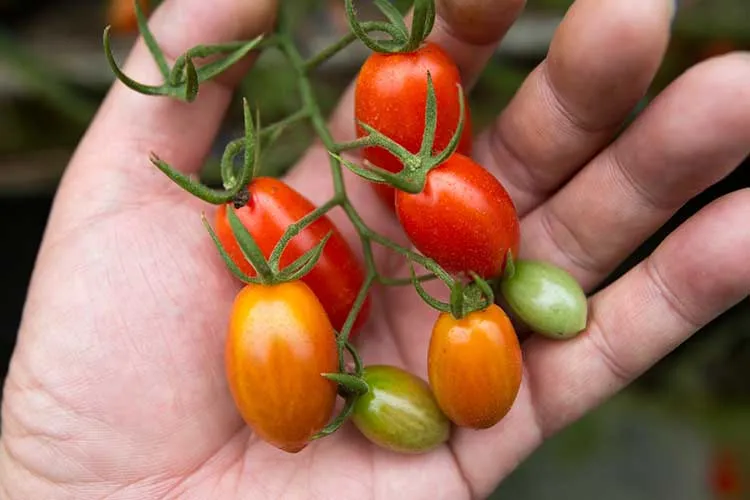
While heirlooms like Brandywine and Cherokee Purple are known for their exceptional taste, some hybrid varieties also offer great flavor with added benefits like disease resistance and uniformity. Sungold, for example, is a hybrid cherry tomato that delivers a burst of sweetness with every bite. This variety is often described as candy-like and is perfect for snacking straight off the vine.
Although hybrids are bred for characteristics like early ripening or disease resistance, many gardeners believe heirloom tomatoes offer a more authentic, rich flavor. However, hybrids can still provide great taste with the added advantage of increased reliability in the garden.
In conclusion, for the best-tasting tomatoes, heirloom varieties like Brandywine and Cherokee Purple are hard to beat for their rich flavors and juicy textures. Still, hybrids like Sungold offer a unique, sweet experience that shouldn’t be overlooked in raised bed gardens.
How to Plant Tomatoes in a Raised Bed
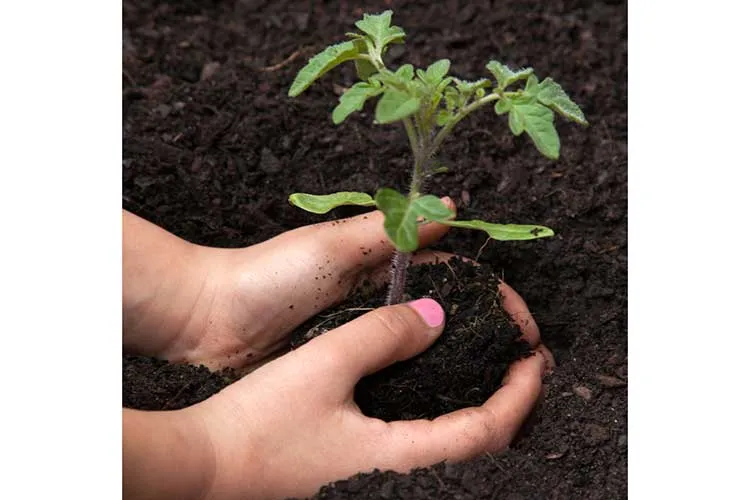
Growing tomatoes in raised beds requires careful preparation to ensure healthy growth and bountiful harvests. Raised beds offer excellent drainage, control over soil quality, and a warmer growing environment, making them an ideal choice for tomato plants. Here’s a step-by-step guide to planting your tomatoes for success.
Preparing the Soil
The first step to successful planting is preparing the soil in your raised bed. A mix of loamy soil, compost, and organic matter like peat moss or coconut coir provides the best environment for tomato plants. The soil should be nutrient-rich, well-draining, and slightly acidic, with a pH level between 6.0 and 6.8. Adding a layer of organic compost before planting will ensure the plants have access to nutrients as they grow.
Spacing Considerations
Proper spacing is crucial for healthy tomato plants. Determinate varieties, which are more compact, should be spaced 18 to 24 inches apart, while indeterminate varieties need more room to grow, with spacing of 24 to 36 inches. This ensures good air circulation around the plants, helping to prevent diseases like blight and mildew.
Watering and Mulching
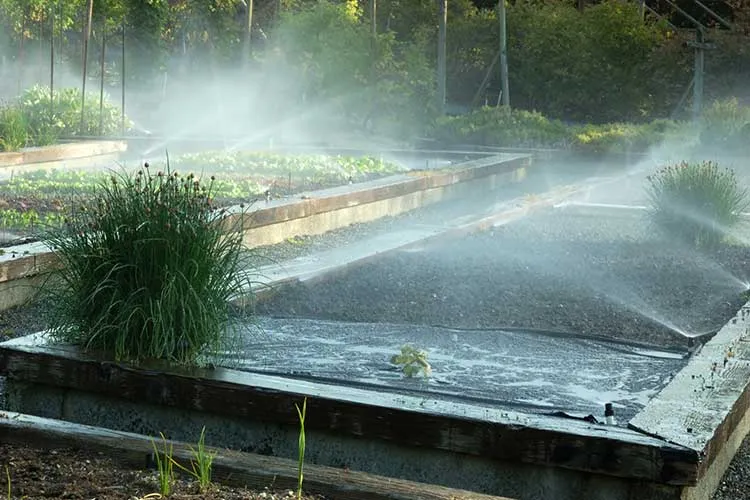
Tomatoes need consistent moisture to thrive. Water the plants deeply, aiming for 1-1.5 inches of water per week, preferably in the morning to allow the leaves to dry throughout the day. Adding a layer of organic mulch around the base of the plants helps retain soil moisture, regulates soil temperature, and suppresses weed growth. Straw, shredded leaves, or compost are excellent choices for mulch in raised beds.
How to Choose the Right Size of the Bed for Tomatoes
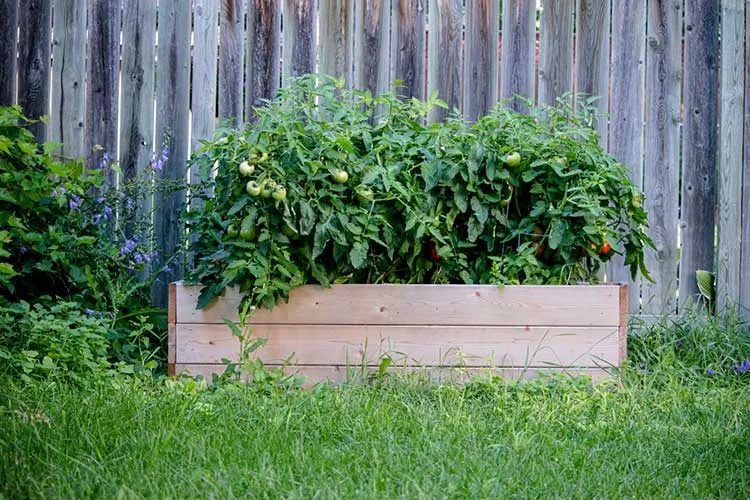
Selecting the right size for your raised bed is crucial to ensuring your tomato plants have enough room to grow and thrive. The size of the bed depends on the number of tomato plants, their variety, and the layout you plan to use. By choosing the proper bed dimensions, you can create an ideal environment for healthy root development, proper air circulation, and easy access for maintenance.
Bed Height
A raised bed for tomatoes should ideally be at least 12 to 18 inches deep, as discussed earlier. This depth allows for sufficient root growth and moisture retention, which is especially important for indeterminate varieties that develop extensive root systems. The deeper the bed, the better it will accommodate taller varieties like Brandywine or Cherokee Purple, which need room to stretch both above and below ground.
Bed Length and Width
When planning your raised bed, ensure the width is manageable so you can easily reach all plants for watering, pruning, and harvesting. A bed width of 3 to 4 feet is ideal for most gardeners, allowing access from either side. The length can vary depending on the space available and how many tomato plants you intend to grow. For determinate tomato varieties that don’t grow as large, you can space plants 18 to 24 inches apart, while indeterminate varieties need more space, around 24 to 36 inches apart.
Soil and Fertilization Needs in Raised Beds
Creating the perfect soil mix and ensuring proper fertilization are key to growing strong, productive tomato plants in raised beds. Tomatoes are heavy feeders, meaning they require nutrient-rich soil and regular fertilization throughout the growing season. The good news is that with the right approach, you can provide your plants with everything they need to thrive.
Ideal Soil Mix for Raised Beds
Tomatoes prefer well-draining, loamy soil that is rich in organic matter. A good soil mix for raised beds typically includes a combination of compost, topsoil, peat moss (or coconut coir), and perlite. This combination creates a balanced medium that retains moisture without becoming waterlogged, while also providing essential nutrients. Compost is particularly important, as it adds organic matter to the soil, improves structure, and ensures a steady supply of nutrients.
An ideal mix might include:
- 40% compost
- 40% topsoil or garden soil
- 20% perlite, vermiculite, or coarse sand for drainage
This blend ensures that your raised beds are well-aerated and can retain the moisture tomatoes need while draining excess water to prevent root rot.
Fertilization Requirements
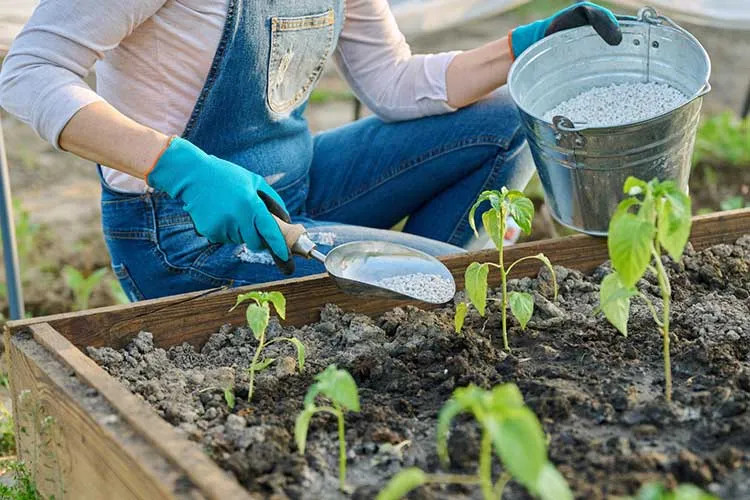
Tomatoes need regular feeding to maintain their vigorous growth. Slow-release fertilizers are a good choice, as they provide nutrients steadily over time. An organic fertilizer that is high in phosphorus and potassium but balanced in nitrogen will promote fruit production and strong root growth. A balanced 10-10-10 or 5-10-10 fertilizer applied at planting can give your tomatoes a good start.
Once your plants are established, feed them with a liquid fertilizer every two to three weeks. An organic option like fish emulsion or seaweed extract works well, providing a gentle yet effective nutrient boost. You can also side-dress with compost or use compost tea to encourage healthy growth throughout the season.
Organic vs. Synthetic Fertilizers
While synthetic fertilizers offer quick results, organic options are often preferred in raised bed gardening because they improve the soil’s long-term health. Organic fertilizers break down slowly, improving soil structure and encouraging beneficial microbial activity. This creates a more sustainable growing environment for your tomatoes and other plants.
When to Plant Tomatoes
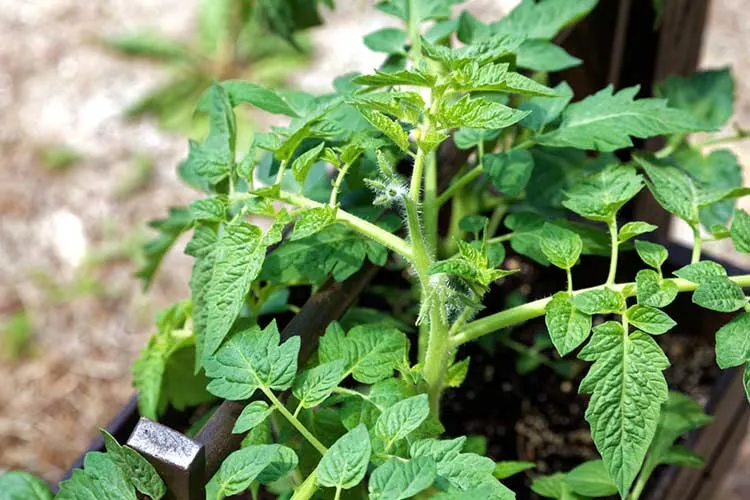
The timing of when to plant tomatoes is crucial for a successful growing season. Tomatoes are warm-season plants, meaning they thrive in warm soil and air temperatures. Planting too early, when the soil is still cold or there is a risk of frost, can stunt their growth or even kill young plants. The key is to wait until the conditions are ideal for the plants to establish themselves and flourish.
Ideal Planting Time
Tomatoes should be planted when nighttime temperatures are consistently above 50°F (10°C), and the soil has warmed to at least 60°F (15°C). In most regions, this typically falls in late spring—around May to June for direct planting outdoors. However, this can vary depending on your climate zone. In colder climates, it may be necessary to start seeds indoors as early as March or April and transplant the seedlings into raised beds once the weather has warmed.
Importance of Warm Soil
Tomato plants thrive in warm, well-drained soil. Before planting, you can warm the soil in your raised bed by covering it with black plastic or a garden fabric for a week or two prior to transplanting. This helps raise the soil temperature, creating an optimal environment for the plants. Avoid planting too early, as cool, wet soil can lead to poor root development and increased susceptibility to diseases.
Frost-Free Conditions
It’s essential to ensure there’s no danger of frost before planting your tomatoes outdoors. Even a light frost can severely damage tomato plants, so waiting until after the last frost date in your area is critical. You can check local frost dates through gardening resources, and always err on the side of caution when deciding your planting date.
What is the Best Month to Start Growing Tomatoes?
The best month to start growing tomatoes depends largely on your climate zone and whether you plan to start your seeds indoors or transplant them directly into the garden. In general, tomato plants thrive in warm temperatures, so timing your planting to coincide with the end of frost and the beginning of warm weather is crucial.
Starting Indoors (March–April)
For most regions, March to April is an ideal time to start tomato seeds indoors, especially in colder climates where the growing season is shorter. Starting seeds indoors gives your plants a head start, allowing them to develop strong roots and stems before being transplanted outdoors. Aim to plant your seeds about 6-8 weeks before the last expected frost date in your area.
Transplanting Outdoors (May–June)
By May or June, the risk of frost has usually passed, and soil temperatures have warmed enough to safely transplant tomato seedlings into the garden or raised beds. In regions with longer growing seasons or warmer climates, tomatoes can be planted earlier in May. In cooler climates, waiting until early June ensures the plants have the warm conditions they need to thrive.
Temperature Indicators
The best indicator for planting tomatoes outdoors is the soil temperature, which should be consistently above 60°F (15°C) for optimal growth. Additionally, nighttime air temperatures should not drop below 50°F (10°C). Monitoring these temperatures will help ensure that your tomatoes have the best start in their growing season.
Conclusion
Growing tomatoes in raised beds is an excellent way to ensure a healthy and abundant harvest. By choosing the right varieties, preparing the soil, and timing your planting correctly, you can create an ideal environment for your plants to thrive. Raised beds will also offer benefits such as improved drainage, better control over soil quality, and a warmer growing medium, making them perfect for tomatoes.