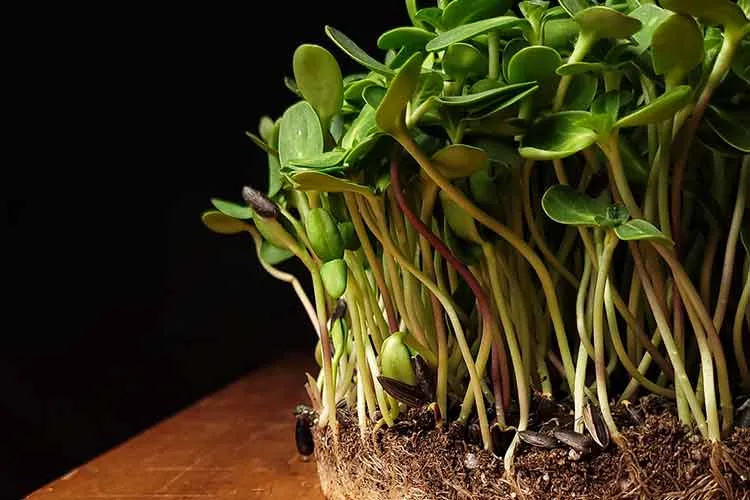
Are you curious about what sunflower sprouts look like before you grow or buy them? You’re not alone. If you’ve seen the name on a salad menu or sprouting kit and pictured a tiny sunflower bloom, you’re in for a surprise. These sprouts aren’t flowery—they’re thick-stemmed, leafy greens harvested long before any petals appear.
Whether prepping your first grow tray or trying to identify them at the market, getting a clear idea of what to expect helps avoid confusion. This guide breaks down their exact look, growth stages, growing needs, and even how to use them in your meals.
There is no fluff—just the details you need to spot, grow, or enjoy sunflower sprouts confidently. Let’s get into it.
Sunflower Sprouts: What They Really Look Like
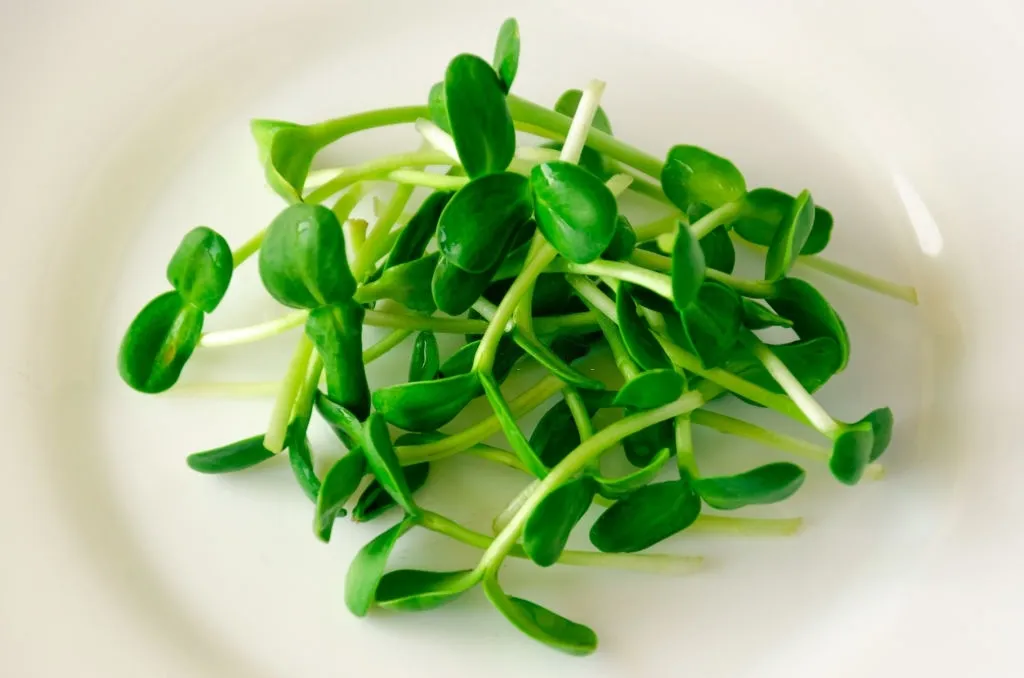
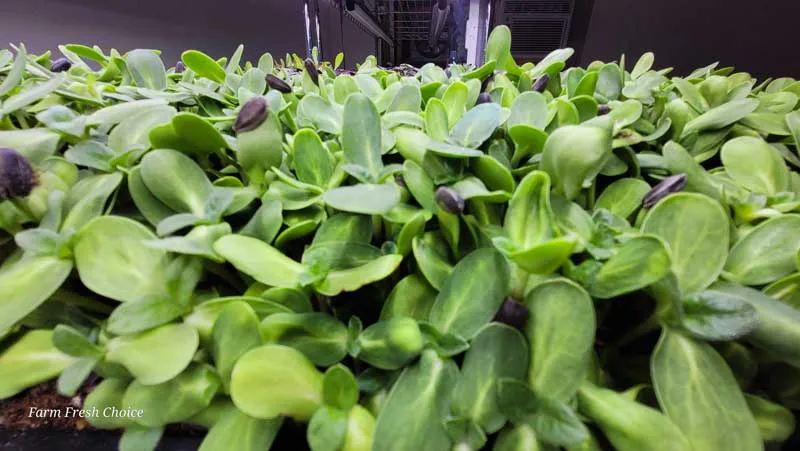
Sunflower sprouts are small but strikingly fresh-looking greens that pack a lot of charm early on. Right after germination, you’ll notice thick, crisp white stems. These stems support two smooth, oval-shaped leaves called cotyledons, which are bright green and often appear slightly waxy or glossy under light. They stand upright and look like mini paddles, broad at the tip and narrow at the base, giving them a sturdy but cheerful look.
These sprouts are delicate and compact compared to the mature sunflower plants’ towering and bold appearance. A full-grown sunflower stretches high with rough, hairy stems and jagged, broad leaves. In contrast, the sprout version is tender, clean, and simple, with no coarse texture or height you’d associate with a blooming sunflower. Sunflower sprouts also lack the flower head entirely—they’re harvested long before anything yellow or petal-like begins to form.
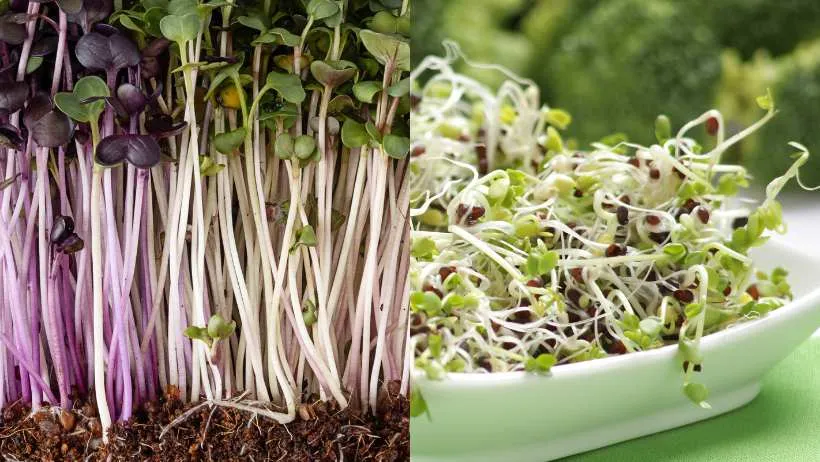
What stands out is how juicy and thick the stems are compared to other sprouts like alfalfa or clover. They’re built sturdier, almost crunchy, which makes them a favorite for adding a satisfying bite to dishes. You might even catch a few with their black seed hulls still attached to the tips—that’s a normal part of the early growth and easy to remove with a gentle rinse or hand-pick.
Growth Stages of Sunflower Sprouts
Sunflower sprouts go through a quick and rewarding growth cycle. From seed to harvest, the process typically takes 7 to 10 days. You’ll see small root hairs sprouting from the seed within 24 to 48 hours.
The stems stretch upward by day three or four, pushing through the growing medium. Around this time, the cotyledons—the first pair of leaves—open. By day seven, the sprouts have usually reached 3 to 4 inches tall and are ready to harvest. They’re at their best when the leaves have fully opened and are still tender.
Differences Between Sprouts and Shoots
Mixing up sprouts and shoots is easy, but they’re different. Sprouts are usually grown without soil, harvested earlier, and include both the root and shoot. Sunflower sprouts often fall into this category when grown hydroponically or in jars. Shoots, however, are typically grown in soil or a soil-like medium. With sunflower shoots, you only eat the top portion—stem and leaves—while the roots remain behind in the tray. Shoots are usually a bit taller and more developed than sprouts.
The appearance shifts subtly between the two stages. Sprouts are smaller, sometimes paler, and more delicate. Shoots have a bolder green color and slightly tougher stems. If you’re growing for flavor and texture, letting them reach the shoot stage gives you a crunchier, more nutrient-packed green. But if you’re aiming for quick harvest and minimal setup, sticking with sprouts might be the way to go.
Growing Conditions for Sunflower Sprouts
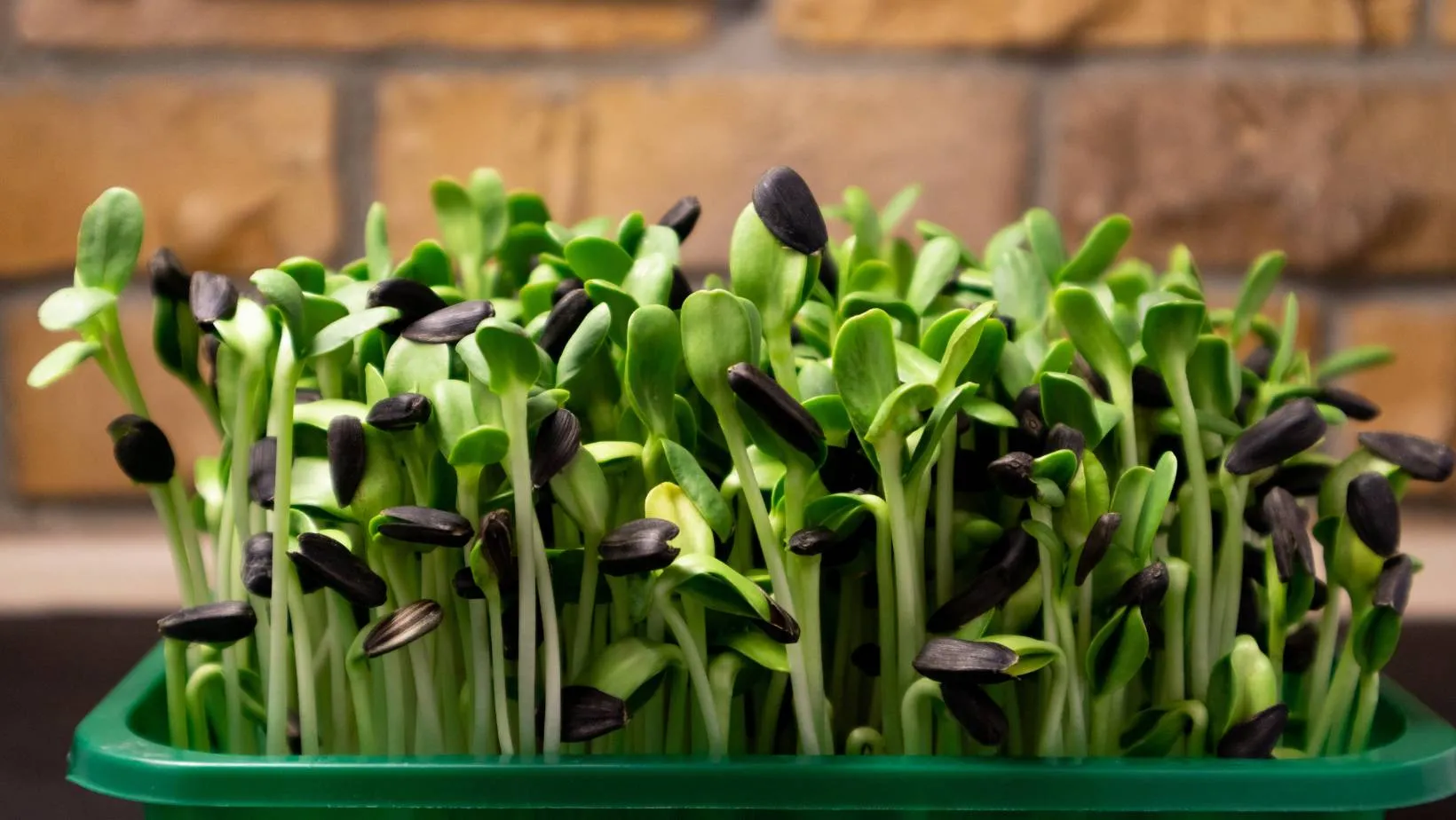
Sunflower sprouts don’t need full sunlight to grow, but they benefit from some indirect light once they emerge. Keeping them in the dark for the first couple of days after planting is better.
Covering the tray with another tray or a towel helps simulate the underground conditions, encouraging the seeds to germinate more evenly. Once you start seeing stems and leaves breaking through, move them to a spot with filtered sunlight or place them under a grow light. Too much direct sun can dry them out or cause them to wilt early.
Can You Grow Them in a Jar?
You can grow sunflower sprouts in a jar, but it’s not the most common method due to their size and need for airflow. Unlike tiny sprouts like alfalfa or radish, sunflower seeds are larger and produce thicker stems. They do better with room to stretch upward.
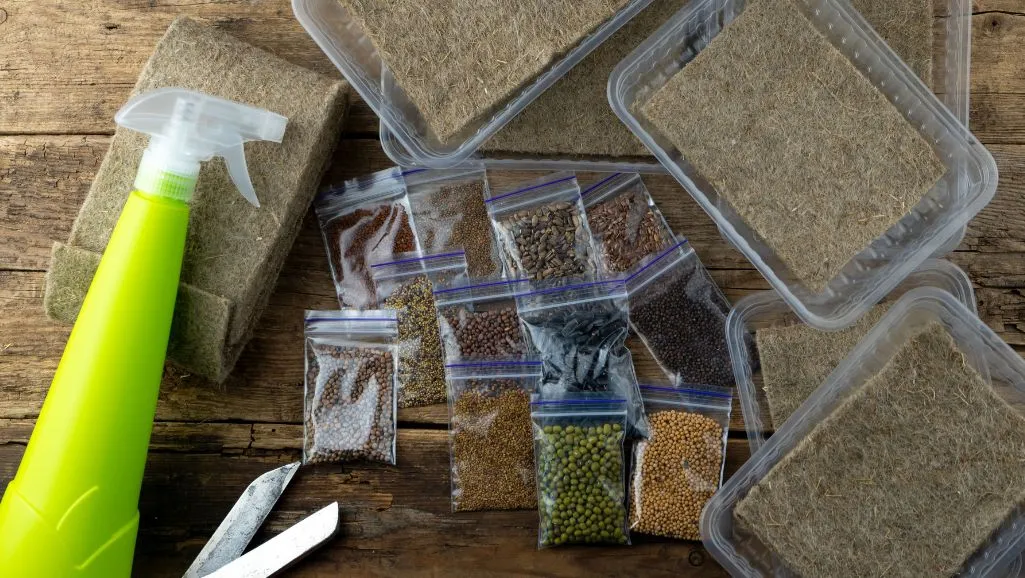
A shallow tray filled with a thin layer of soil or a growing mat allows the roots to anchor while giving the stems space to develop properly. If you want to try a jar, you’ll need to rinse the seeds at least twice a day and ensure they don’t stay too wet—otherwise, mold can sneak in quickly.
Good airflow, moderate humidity, and consistent moisture help sunflower sprouts thrive. Use a spray bottle to keep the soil or mat damp without soaking it. They’re ready to harvest once the leaves are open and bright green. Don’t wait too long—if they start to grow a second set of leaves, the flavor can shift from nutty and fresh to slightly bitter.
Interesting Facts About Sunflower Sprouts
Sunflower sprouts aren’t just pretty—they’re packed with nutrition. These young greens are rich in vitamins like A, B, D, and E, along with essential minerals such as zinc, calcium, and iron.
They also contain a lot of plant-based protein and chlorophyll, making them a solid choice for boosting energy and supporting your immune system. The nutty flavor and crunchy texture make them more enjoyable than many other sprouts, which can be stringy or overly earthy.
In the kitchen, sunflower sprouts are super versatile. You can toss them into salads for an instant crunch, layer them into sandwiches or wraps for an extra bite, or blend them into smoothies to sneak in extra nutrients without changing the flavor too much.
Some people even use them as a garnish on soups, grain bowls, or avocado toast to add color and freshness. They’re also popular in raw food recipes because they hold up well and bring a satisfying texture. Whether after health perks or just something extra on your plate, sunflower sprouts bring both.