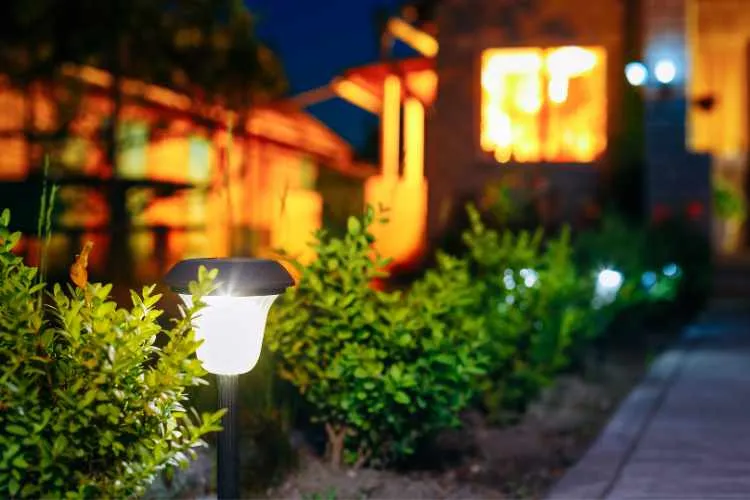
Thinking about lighting your yard but not sure where to start? Solar-powered garden lights are one of the easiest upgrades you can make — no wires, no electricians, and no rising energy bills. These outdoor lights charge during the day and glow at night, adding safety and beauty to your garden, paths, or patio.
So, are solar-powered garden lights any good? Definitely — especially with today’s options. Newer models offer improved batteries, brighter LEDs, and weatherproof designs that are built to last. Whether you’re lighting up a small balcony or designing a full backyard layout, solar lights deliver big results with little effort. This guide breaks down everything you need to know so you can shop smart and install with confidence.
How Solar Garden Lights Work
Ever wonder what’s inside those little lights lining your walkway? Here’s how they power up and glow after dark.
At the core of every solar garden light are four parts: a solar panel, a rechargeable battery, an LED bulb, and a light sensor. The solar panel collects sunlight during the day and converts it into electricity, which is stored in the battery. Once the sun goes down, the built-in sensor tells the light it’s time to turn on. The stored energy powers the LED, emitting light until the battery runs low.
Now, about those “S” and “F” switches you might have seen — “S” typically means the light will activate automatically using its sensor, while “F” forces the light on manually to full brightness. If you want the light to come on only at night, keep it on “S.” If you need constant light, go with “F.”
What if it’s cloudy? Solar lights still charge, just more slowly. Even on gray days, indirect sunlight can provide your lights with enough energy for a few hours of illumination. Look for models with larger or more efficient solar panels if your yard doesn’t get full sun.
Are Solar-Powered Garden Lights Any Good?
It’s a fair question — especially if you’ve tried older models that barely lasted till midnight. The good news is that solar-powered garden lights have undergone significant improvements. Compared to wired and battery-operated options, they offer serious perks for DIYers and weekend gardeners.
Start with the savings: no extra electricity bills and no need to hire an electrician. Most lights are ready to go out of the box — stick them in the ground or hang them, and they’ll charge on their own. That’s a win for both your time and your wallet.
On the other hand, brightness and consistency vary. If you’re expecting floodlight-level brightness, solar might fall short. But for mood lighting, walkway illumination, and accent features, they do the job beautifully. Many newer models offer stronger LEDs and better battery capacity, meaning they last longer and shine brighter than ever.
So, are solar-powered garden lights any good? Yes — as long as you match the light to the task. For ambiance, safety lighting, or decorative touches, they excel in these areas.
How Long Do Solar Garden Lights Last?
Lifespan matters when you’re investing in outdoor upgrades. Most solar garden lights will last 2 to 5 years, depending on several key components: the solar panel, the battery, and the LED light.
The battery is usually the first to wear out — many models use NiMH or Li-ion batteries, which can run strong for 1 to 2 years before losing efficiency. The good news is that most are replaceable, and swapping them out can breathe new life into your lights.
LEDs are built to last. You can expect up to 10 years of use from quality LEDs, and they rarely burn out. The solar panel, especially if made from durable materials, can last around 5 years or more; however, its performance drops if it becomes dirty or damaged.
Weather plays a big role, too. If your lights are exposed to heavy rain, snow, or intense summer heat, they’ll show wear faster. Keep panels clean, avoid letting debris block them, and store your lights when possible during harsh winters.
Once your lights stop holding a charge, replacing the battery is usually the fix. If not, it might be time for a new set — and maybe an upgrade.
Brightness Basics — How Many Lumens Do You Need?
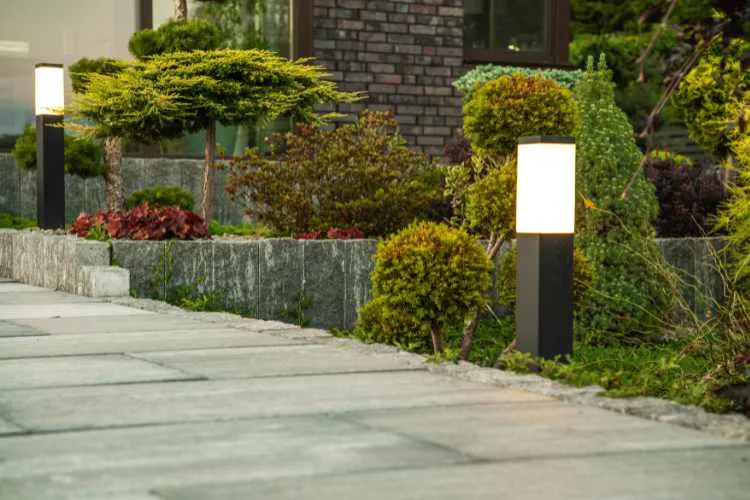
Not sure how bright your solar lights should be? The answer depends on where and why you’re using them. Lumens are the number to watch — they measure brightness, just like watts did for old-school bulbs.
For a soft glow along garden beds or walkways, lights with 5 to 15 lumens work well. These give off a cozy feel without overwhelming your yard. Want something brighter for safety or visibility? Aim for 40 to 100 lumens for pathway lights or deck stairs. If you’re trying to highlight a tree, statue, or your house number, spotlights in the 100 to 300 lumen range are ideal.
Here’s the interesting part: More lumens isn’t always better. Over-lighting a peaceful corner can ruin the ambiance. On the other hand, going too dim around stairs or entryways can create a hazard.
You’ll also want to check how the light is directed. A narrow beam from a spotlight can make 100 lumens look more intense, while the same output from a wide-beam lantern spreads thinner.
If in doubt, go with adjustable brightness models. Some lights allow you to switch between modes or dim automatically to extend battery life. That way, you can fine-tune your setup based on season or purpose.
Best Solar Lights for Landscaping
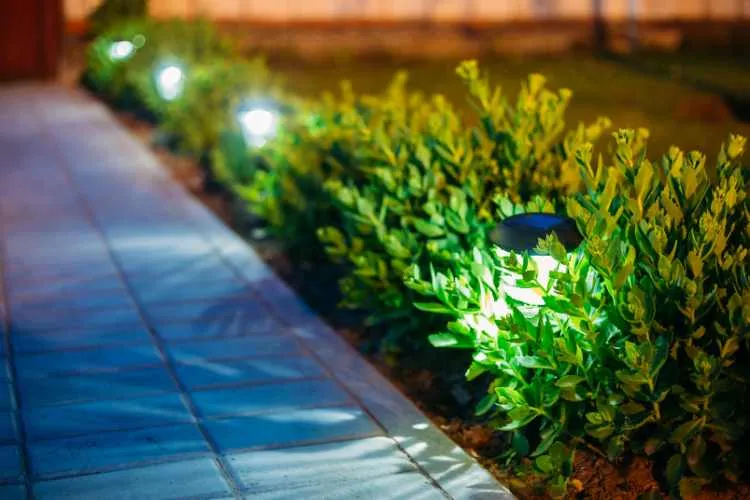
When you’re ready to upgrade your outdoor space, solar lights can do more than light the way — they can highlight your best features. Here are the top picks and where they shine (literally):
Path Lights
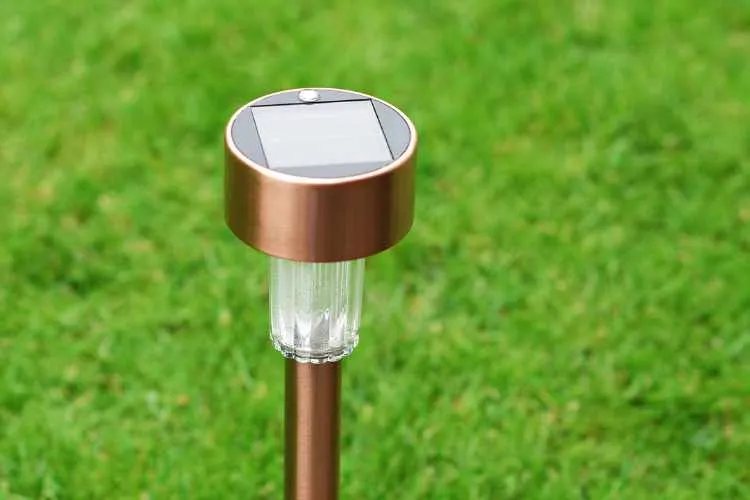
Best for lining driveways and walkways. These usually stand a foot or so tall and offer a downward glow to keep paths visible. Choose stainless steel or heavy-duty plastic for better durability.
Solar Spotlights and Uplights
Great for showing off trees, garden art, or flagpoles. Look for adjustable heads and higher lumens (100+). Install them at the base of your focal point for dramatic evening effects.
String Lights and Rope Lights
Perfect for patios, fences, or balcony rails. These add warmth and charm without needing an outlet. Drape them along eaves or wrap them around pergolas to define cozy spaces.
Decorative Lanterns and Orbs
Use these in flower beds or as table accents. They add personality — some even flicker like real candles. They’re more about looks than function, so use them where style matters most.
Wall-Mounted Solar Lights with Sensors
Ideal for entries, garages, or gateposts. They turn on when motion is detected, adding both safety and security. Look for models with dusk-to-dawn sensors and IP65 weather ratings.
Mixing styles adds character to your yard. Accent lighting for mood, task lighting for safety, and feature lighting for drama — solar lights cover it all.
Can Solar Lights Work in Cloudy Weather or Winter?
Worried your solar lights will go dark when the clouds roll in? Don’t be. Most modern solar garden lights are designed to continue operating even when clouds obscure the sun. The solar panels still collect indirect sunlight, though charging takes longer.
In cloudy conditions, your lights may only run for a few hours instead of the full night, especially if they have smaller panels or older batteries. Models with larger panels or high-efficiency monocrystalline cells perform better in these low-light situations.
Winter presents a few more challenges. Shorter days mean less charging time, and snow can block panels completely. If snow or ice accumulates, brush it off to keep your panels exposed. Additionally, freezing temperatures can drain batteries more quickly, causing lights to turn off earlier in the evening.
You can move ground lights to sunnier winter spots or tilt mounted units to face the low winter sun. Some people even store their lights during heavy snow months to extend battery life.
If you notice dimming or reduced performance, it might be time to replace the batteries — a fresh charge can make a big difference during darker seasons.
Solar Light Batteries 101 — What You Need to Know
The battery is the heartbeat of your solar garden light. It stores the energy your panel collects and feeds it to the LED when the sun goes down. If your lights are flickering, dimming too soon, or not turning on at all, it’s usually a battery issue.
Most solar lights use either NiMH (nickel-metal hydride) or Li-ion (lithium-ion) rechargeable batteries. NiMH batteries are cheaper and widely available, while Li-ion types tend to hold a charge longer and perform better in cold weather. Always check your light’s specs before buying a replacement.
To replace the battery, flip the light over or open the compartment — most designs make it easy. Just match the voltage and type when swapping in new ones. A fresh battery can instantly improve brightness and runtime.
Extend battery life by placing your lights in areas with direct sunlight for 6–8 hours a day, and clean the panels regularly so they charge efficiently. Avoid leaving lights in dense shade or under overhangs — that shortens the battery’s lifespan.
For long-term performance, consider solar lights with replaceable batteries rather than sealed, non-replaceable units. They may cost a bit more upfront, but they’ll save you from tossing the whole fixture when the battery dies.
The Downsides of Solar Lights
Solar lights are a great low-maintenance option, but they’re not perfect. Knowing the trade-offs helps you make smarter choices — and avoid surprises.
First, brightness can be underwhelming. If you require robust security lighting or need to illuminate a large area, solar may not be sufficient. Most garden lights are built for ambiance, not power.
They also rely entirely on sunlight. Shaded areas, dense tree cover, or cloudy weather can lead to dim or dead lights. That’s why placement matters — install in spots that get at least a few hours of direct sun daily.
Over time, battery performance drops. Most will last 1–2 years before fading. If you can’t replace the battery, the whole unit becomes junk. Look for models with replaceable batteries or modular designs.
Another thing: build quality varies. Cheap solar lights might look tempting, but they often crack, fade, or fail within a season. Spend a little more for stainless steel bodies, glass lenses, and proper waterproof ratings.
If your yard is fully shaded or you need consistent all-night lighting for safety, hardwired or low-voltage systems may be a better fit. Still want solar? Combine it with motion sensors or timer settings to stretch battery life and reduce frustration.
Best Places to Use Solar-Powered Garden Lights
Want your garden lights to make a real impact? It’s all about placement. Solar lights work best when they highlight what you love most and add safety where you need it.
Along Pathways and Driveways
Line up low-profile stake lights on both sides of a walkway or driveway. This not only looks clean and welcoming but helps guide guests after dark.
Highlighting Shrubs, Trees, and Hardscapes
Use solar spotlights at the base of trees or large shrubs. Angle them upward to create bold nighttime silhouettes. You can also light stone walls, sculptures, or seating areas for extra drama.
Around Decks, Patios, and Fences
Attach solar lights to posts or railing edges. Wall-mounted models with dusk-to-dawn sensors are perfect for these zones and make evening hangouts safer.
Near Water Features
Pond lights and floating solar lanterns can turn fountains or small ponds into a nighttime focal point. Just ensure they’re waterproof and rated for submersion if necessary.
Hanging from Pergolas, Gazebos, or Balconies
Drape solar string lights overhead for a cozy glow. They’re great for small urban spaces where outlets are scarce. Clip-on lanterns or hanging bulbs add even more charm.
Want a visual? Sketch out your garden zones on paper and plan where you need glow vs. visibility. Once you map it, you’ll see exactly where solar lighting can shine.
Types of Solar-Powered Garden Lights
Not all solar lights are built the same. Choosing the right type depends on what you’re lighting and the effect you’re going for. Here’s a quick breakdown of the most popular options and how to use them:
Solar Pathway Lights
Short stake-style lights are designed to outline walkways and garden beds. They emit a gentle glow and work well when placed approximately 4–6 feet apart for even coverage.
Solar Spotlights and Uplights
These are directional and much brighter than standard garden lights. Use them to highlight trees, flags, or architectural features. Adjustable heads allow you to aim the beam precisely where you want it.
Solar String and Rope Lights
Flexible and fun, these wrap easily around railings, tree trunks, or fence lines. Ideal for patios or balconies, they add a decorative touch without extra wiring.
Solar Bollard Lights
Taller and sturdier than path lights, bollards offer wider, 360° illumination. They work well at driveway entrances or larger walkways and often have a more modern design.
Wall-Mounted Solar Lights with Sensors
Attach these to garage walls, fences, or porches. Most models feature motion sensors or dusk-to-dawn controls, providing improved energy efficiency and enhanced security.
Decorative Lanterns and Garden Orbs
Great for style over function. Place them in flower beds, hang them from hooks, or group them as centerpieces. Some change colors or flicker like candles for extra charm.
Pond and Water Feature Solar Lights
These are waterproof and made to float or sit near water. They add glow to fountains, koi ponds, or birdbaths — just be sure they’re made for wet conditions.
Mixing types adds texture and depth to your garden, creating layers of light and shade that enhance the overall appearance. Use path lights for structure, spotlights for drama, and lanterns for charm.
How to Choose the Right Solar Garden Lights for Your Yard
Selecting the best lights for your space depends on your specific purpose, desired brightness, durability, and desired design. Here’s how to narrow it down without getting overwhelmed.
First, think about what you need: Do you want to light a path, create a cozy vibe, or boost nighttime safety? For ambiance, soft-glow lights work well. For optimal visibility, consider using spotlights or wall-mounted options.
Next, check lumens — the brightness level. Around 5–15 lumens is enough for mood lighting. Go 40+ for paths and up to 300 if you’re spotlighting a feature.
Consider the battery type and capacity. Look for solar lights with replaceable batteries and at least 6–8 hours of runtime per charge. This keeps your setup working longer and avoids waste.
Durability matters, too. Look for an IP rating of IP65 or higher for water and dust resistance. Materials like stainless steel, aluminum, or tough plastic hold up better than those made with cheap, flimsy materials.
Don’t forget sensors. Automatic dusk-to-dawn lights save energy and effort. If you want more control, pick models with manual switches or brightness settings.
Top Things to Look For in Solar Garden Lights
✅ Brightness level (lumens)
✅ Replaceable battery type (NiMH or Li-ion)
✅ Durable build and weatherproof rating
✅ Automatic sensor or manual control
✅ Lighting purpose: accent, task, or décor
Best Places to Use Solar-Powered Garden Lights
Where you place your lights makes all the difference. The right layout can make a small yard feel spacious, turn a blank patio into a cozy hangout, or guide guests safely to your door.
Along Pathways or Driveways
Line solar stake lights about every 4 to 6 feet on each side of a walkway. This provides an even spread of light, enhancing curb appeal at night. Use bollard lights at driveway entrances for a polished look.
Highlighting Shrubs, Trees, and Hardscapes
Place spotlights at the base of trees or large shrubs and angle the light upward. This creates dramatic shadows and adds depth to your yard. Want to light a stone wall or statue? Uplighting from a low angle adds instant impact.
Around Decks, Patios, and Fences
Use wall-mounted solar lights or string lights along rails and fences. They frame your outdoor space with a warm, inviting glow, perfect for evenings outside. Choose motion-activated models for added safety on steps or near entrances.
Near Water Features (Ponds, Fountains)
Floating solar lights or waterproof spotlights can make a pond or fountain glow after sunset. Just be sure they’re designed for wet use and securely positioned.
Hanging from Pergolas, Gazebos, or Balconies
Drape string lights or hang solar lanterns overhead to bring cozy charm to smaller spaces. These work especially well in apartment balconies or shaded seating areas where outlets aren’t practical.