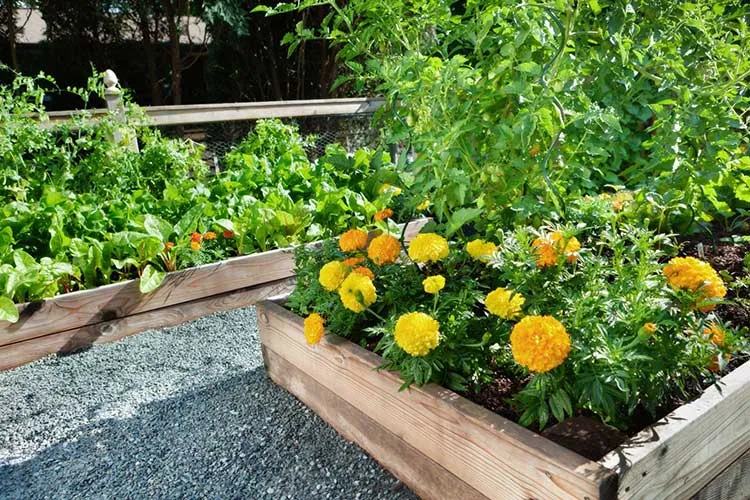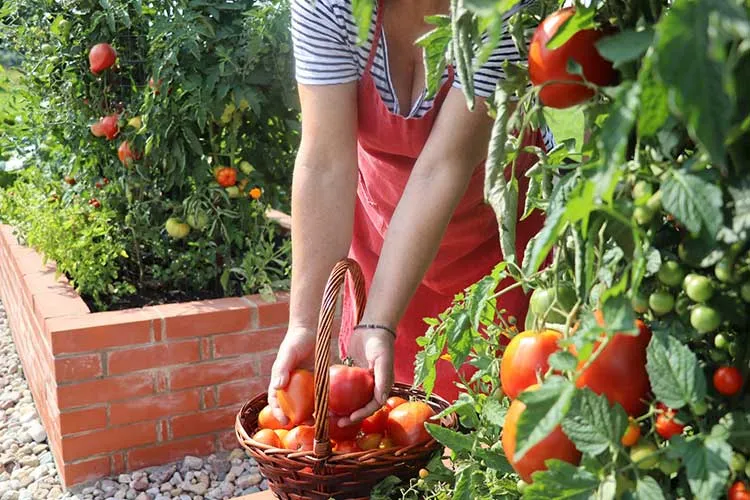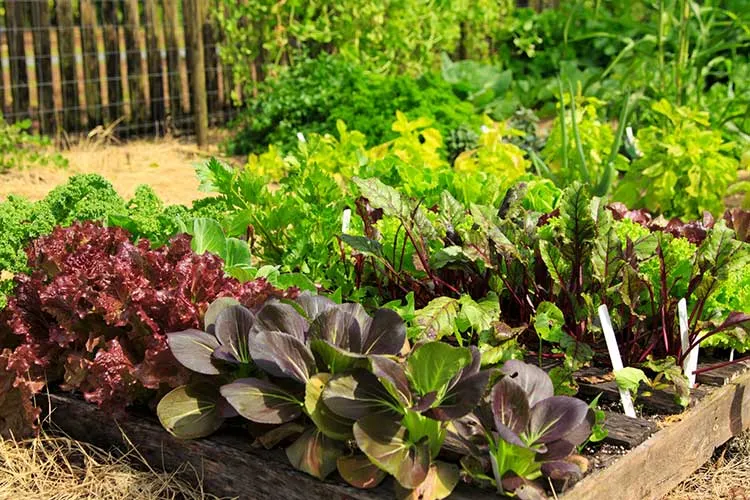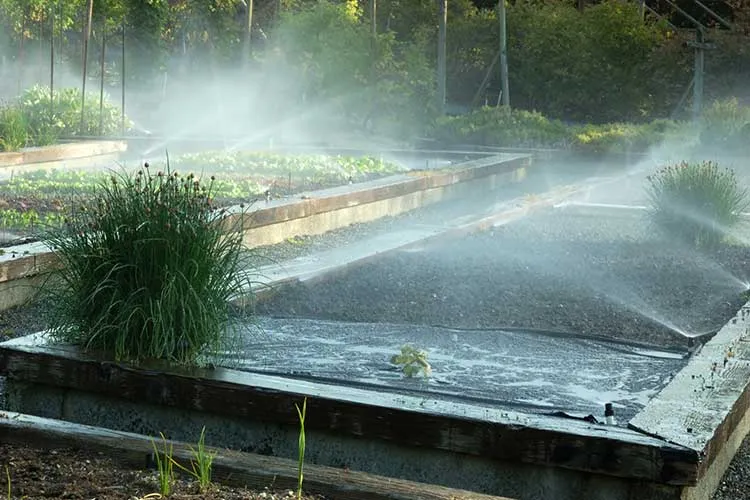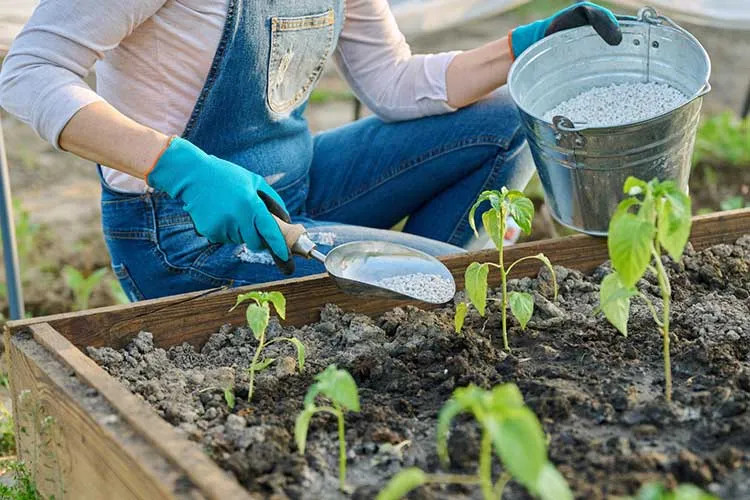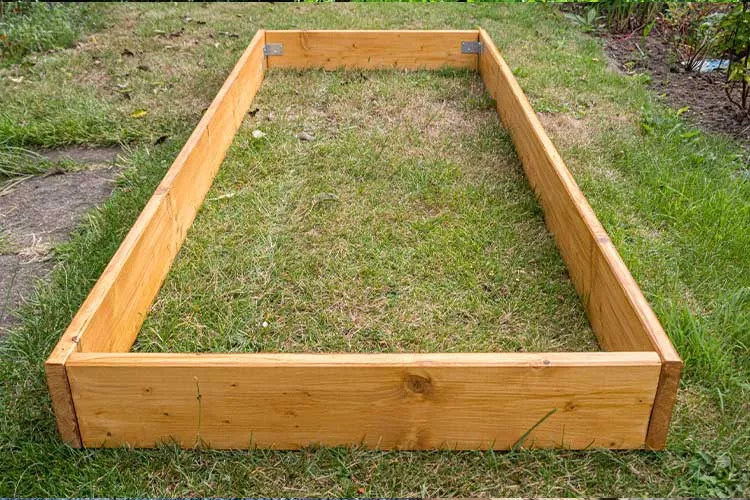
Setting up a raised bed on grass can seem daunting at first, but trust me, it’s easier than it sounds. Whether you’re battling stubborn lawn patches or want to keep your veggies above ground, this approach can be a game-changer. No need for back-breaking digging or endless weeding—raised beds are your shortcut to a healthier garden.
Plus, your grass gets a gentle smothering without any harsh chemicals. With a little cardboard, mulch, or maybe even a hugelkultur twist, you’ll transform that patch of green into a thriving garden oasis. So grab that old cardboard, and let’s turn your lawn into something you can eat!
Direct Setup with Cardboard or Newspaper
Setting up a raised bed on grass using cardboard or newspaper is one of the easiest ways to get started with gardening, especially if you don’t have the time or energy to deal with all the digging. There is no need to break your back tearing up grass—you let the cardboard do the hard work for you. It blocks sunlight, smothers the grass, and keeps it from poking through your fresh garden bed. There is no stress, no mess, just nature doing its thing.
How to Do It:
First things first, give that grass a good haircut—cut it down as short as you can. It’ll make life easier when you’re laying down your cardboard or newspaper. Speaking of which, go ahead and cover the whole area where you want the bed. Overlap the edges like a puzzle so no sneaky grass tries to wiggle through. For cardboard, shoot for 2-3 layers. If you’re using newspaper, pile on 6-8 sheets—more if they’re on the thin side. Pro tip: Soak them with water before placing them. It helps keep everything in place and breaks down faster.
Now, place your raised bed on top and fill it with soil. The cardboard or newspaper will break down naturally, enriching the soil underneath while blocking the grass from growing back. It’s a win-win: less work for you, better soil for your plants.
Why It’s a No-Brainer:
First off, cardboard and newspaper are dirt cheap—most of us have them lying around. And guess what? They’re biodegradable, so you’re not throwing weird, synthetic stuff into your garden. As these materials break down, they become compost, providing your plants with a little extra TLC without requiring any effort on your part. Plus, you’re recycling things that might have ended up in the trash—turning waste into something that works for you.
This method keeps things simple, eco-friendly, and budget-friendly. And really, who wouldn’t want a garden hack that does most of the work for you?
Clearing the Grass
Look, sometimes you’ve got to go old school. Grab a shovel or, if you’re feeling fancy, rent a sod cutter and clear that grass. Yeah, it’s a workout, but think of it as your ticket to a bed that’s free from any sneaky grass poking through. If you’re going this route, start by marking out the area with stakes and string—no sense in clearing a random patch of grass only to realize it’s not where your raised bed is supposed to be.
Once you’ve cleared the grass, don’t just toss it aside. Either compost it or relocate it to another area of the yard that could use some greenery. You’re recycling nature at this point. It takes a bit of effort, but the payoff is worth it. A perfectly level, grass-free garden bed that’ll stay weed-free without any hidden roots coming back for revenge.
Clearing the grass gives you direct access to the native soil below, which can be a bonus if you’re planting deep-rooted veggies like tomatoes. Just be mindful that it’s more work upfront, but if you’re in it for the long haul, you’ll be thankful for the effort later when you’re not dealing with grass sprouting through your spinach.
Using a Weed Barrier
Not up for manual labor? Fair enough. Weed barriers are your next best bet. Lay down landscape fabric or plastic sheeting before setting up your raised bed, and it’ll keep the grass from sneaking in. This method is quick and painless. Just trim the grass short, spread out the barrier, and pin it down with landscape staples—boom, done.
But here’s the deal: if you go with plastic, you might get drainage issues, especially if you live somewhere that sees a lot of rain. Water can pool, and your plants won’t be happy. That’s why I recommend using a breathable landscape fabric instead. It keeps weeds out but still lets water drain through. And yes, I’ve seen people try using old tarps or plastic sheets—it works, but don’t blame me if your beds end up turning into mini-swamps.
Is it foolproof? Mostly. Weeds are relentless little creatures, and some may find a way in at the edges. But overall, it’s a low-effort method that gets the job done. If you’re short on time or energy but still want to stop grass from taking over, weed barriers are a solid option.
Smothering with Mulch
Mulch: nature’s blanket. This method isn’t just effective; it’s also one of the easiest ways to get your raised beds on top of grass without it fighting back. You’re essentially cutting off the sunlight, so the grass… gives up. Get yourself a good, thick layer of mulch—wood chips, straw, leaves, whatever works for you—and spread it right on the grass. Lay it thick, at least 4-6 inches so that no sunlight can break through.
But don’t stop there. To ensure the grass stays dead, add a layer of cardboard or newspaper underneath. That double-whammy will ensure nothing creeps back up. Over time, as the mulch breaks down, it turns into rich organic material, feeding your plants from below.
One downside? Mulch needs to be replenished periodically because it decomposes over time. Plus, it can attract some pests like slugs, which might not be ideal if you’re growing leafy greens. However, if you keep a close eye on things, it’s a simple and organic way to transform your grass into fertile garden space without all the hassle.
Building on Gravel or Pavers
If you’re into something a bit more permanent (and don’t mind spending a little extra), gravel or pavers could be your thing. The idea here is to create a solid foundation that keeps your raised bed off the ground and helps with drainage. This method is especially useful if your yard tends to flood or get soggy after rain. Laying down a few inches of gravel or building your bed on top of pavers solves the problem of poor drainage and stops wood rot in its tracks.
It’s easy: clear the grass, spread the gravel evenly, and build your bed on top. If you’re using pavers, you’ll want to level the area first to avoid wobbly beds. Gravel and pavers also add a bit of aesthetic appeal—your garden’s going to look sharp, trust me.
The catch? It’s pricier than mulch or cardboard, and if you ever want to move your raised bed, it’s not as simple as scooping up gravel. But if you want a bed that’ll last, won’t rot, and looks proper, gravel or pavers it is worth considering.
Combining Hugelkultur with Raised Beds
Now, let’s talk about Hugelkultur—because why not throw a bit of German ingenuity into your garden? Hugelkultur is all about piling up organic material (such as logs, branches, and leaves) at the base of your raised bed and then covering it with soil. As the materials break down, they create rich, fertile soil that holds water like a sponge. You get to fill up a big chunk of your raised bed with organic waste instead of buying a ton of soil, and your plants love the nutrients.
It’s perfect if you’ve got a lot of garden debris lying around. Layer it in your raised bed, add some soil, and you’re good to go. Your plants will thrive because they get consistent moisture and nutrients as the organic matter breaks down. And hey, it’s an excellent way to recycle all those fallen branches.
The downside? It takes time for the organic material to decompose fully, so in the first year, your soil might settle more than usual, meaning you’ll need to top it off. But if you’re in it for the long game, Hugelkultur gives you a sustainable, water-efficient, and nutrient-rich bed that’ll keep on giving.
Want more inspiration on why raised beds could be the best thing you can add to your garden this year? Check out this post to learn more
What Weed Killer is Safe for Vegetable Gardens?
Weeds are a pain, but when you’ve got veggies to protect, not all weed killers are welcome. The wrong stuff can mess with your soil, stunt plant growth, or even end up in your dinner. So, what’s a safe bet for knocking out weeds without harming your future harvest?
Vinegar solutions are the go-to for most organic gardeners. It’s cheap and effective, and you probably have some in your kitchen right now. Just mix it with water and spray it directly on the weeds. But heads up: vinegar is non-discriminatory. Anything it touches is going down, so be precise. We’re talking weed sniper mode.
Another method that’s zero hassle? Boiling water. It works like a charm for small patches of weeds. Pour it on the weeds and watch them wither. Like vinegar, though, it’s not selective, so be careful not to give your precious basil a hot bath accidentally. For larger, more persistent patches, laying down organic mulch can do wonders—blanketing the weeds and depriving them of sunlight, giving them a one-way ticket to the compost heap.
If you’re deciding between raised beds or containers, these weed control methods work great for both. To learn more about setting up a successful raised bed, check out this detailed guide on choosing between raised beds or containers.
Advantages: Vinegar and boiling water are safe, inexpensive, and effective methods for killing weeds without introducing harmful chemicals to your garden. Plus, you’re probably already stocked with these items, so no extra trips to the store.
Drawbacks: Precision is key. These methods aren’t selective and can harm your veggies if misapplied. Repeated applications may be necessary for more stubborn weeds, and this can be time-consuming, depending on the size of the garden.
How to Weed an Overgrown Raised Bed?
Weeds are like garden ninjas—before you know it, they’ve taken over, and your raised bed looks more like a jungle than a veggie patch. Don’t stress, though. Here’s how you can reclaim your raised bed from the clutches of those pesky invaders.
Manual weeding is always a solid first move. Yeah, it’s not glamorous, but it’s effective. Pull those weeds up by the roots, especially the deep-rooted ones like dandelions that will pop right back up if you yank off the tops. A sharp weeding tool will help you get in there without disturbing the plants you want to keep. It’s the best workout your arms will get without hitting the gym.
Next, to avoid a weed comeback, cover your freshly weeded bed with a good layer of mulch. This prevents weed seeds from sprouting and also retains moisture in your soil. Want to go even further? For a completely overgrown bed, consider solarization. Cover the bed with a clear plastic tarp during the hot months, and let the sun do the hard work for you. The heat will kill off the weeds and their seeds with minimal effort on your part.
Advantages: Manual weeding is precise and effective, and mulching afterward ensures that sneaky seeds don’t undo your hard work. Solarization is an excellent option for completely overrun beds, offering a hands-off way to clear out the area.
Drawbacks: Manual weeding is time-consuming and requires a lot of bending and pulling, which isn’t great for your back. Solarization takes time—up to a few weeks—and requires full sunlight to work effectively.
A Healthier Garden with Raised Bed on Grass
Raised garden beds on grass make gardening accessible, whether you’re a novice or a seasoned gardener. By choosing the right method—whether it’s cardboard, gravel, Hugelkultur, or good old-fashioned elbow grease—you can set up a thriving garden without breaking your back or your budget. Each method has its advantages, so it ultimately comes down to what suits your style, effort level, and needs.
Setting up raised beds isn’t just practical; it’s about making gardening easier, healthier, and more sustainable. Get creative, get your hands dirty, and enjoy the fruits (or vegetables) of your labor.
When you plant flowers and vegetables together, you’re not just adding beauty to your garden; you’re creating a more diverse and productive ecosystem. Setting up raised beds isn’t just practical; it’s about making gardening easier, healthier, and more sustainable. Get creative, get your hands dirty, and enjoy the fruits (or vegetables) of your labor.