Pest control for vegetable gardens isn’t just a nice-to-have—it’s the difference between a full harvest and a ruined one. One cabbage worm can eat through an entire row of greens. Aphids reproduce every few days, and slugs can destroy seedlings overnight. If you’re losing crops faster than you can grow them, you need more than guesswork.
This post offers real, tested solutions—organic, physical, and chemical—along with product links and application tips that work. Whether you garden in containers or raised beds, we’ll cover what’s safe for your soil, food, and budget.
No fluff, no hype—just a straight answer to the question: what’s the best pest control that stops the bugs and saves your vegetables?
Why Pest Control Matters in a Vegetable Garden
You’ve planted, watered, and waited—only to find holes in your lettuce and half-eaten tomatoes. It’s one of the most frustrating parts of growing vegetables: pests can undo weeks of effort in just a few days. Whether working with raised beds on a patio or a tidy backyard, pest control isn’t optional if you want a healthy harvest.
Even a small infestation can cause real damage. Aphids suck the sap from tender stems, leading to curled, stunted leaves. Cabbage worms chew through leafy greens, while slugs target anything soft and juicy. The result? Reduced yields, unhealthy plants, and a lot of wasted time. It can be tough to recover if pests get a head start, especially once populations boom.
But it’s not just about killing every bug you see. A well-balanced garden needs bees, butterflies, and ladybugs to thrive. That’s why smart pest control isn’t just about getting rid of insects—it’s about choosing methods that keep the bad ones in check while letting the good ones do their job.
The first step is simple: know who you’re dealing with. Identifying which pest is causing damage will help you choose the right product or method. Random sprays or homemade mixtures can do more harm than good if you’re unsure what to target. Before you reach for a solution, take a moment to understand what’s eating your plants—and when they’re most active. You’ll save time, money, and frustration later.
Identifying Common Vegetable Garden Pests
Not all gardens are damaged, nor do the pests behind them look the same. Knowing what’s causing the issue is the only way to stop it. Some bugs nibble, others suck juices, and a few just tunnel through stems and roots. You don’t need to be an expert, but a little awareness goes a long way to keep your veggies intact.
Aphids
Aphids are one of the first troublemakers to show up. These tiny green, black, or white insects cling to new growth and leave behind a sticky residue. If you notice curled or deformed leaves, look closely—aphids usually hide underneath. Whiteflies are similar in size, and when disturbed, you’ll see a cloud of them fly up from the underside of leaves.
Cabbage Worms
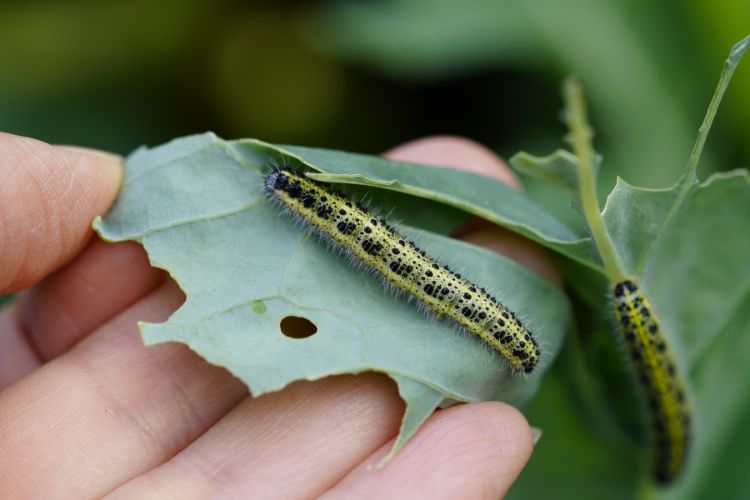
Cabbage worms leave visible holes in leafy greens like kale, cabbage, and broccoli. You might spot their green bodies blending in with the leaves. Flea beetles are tiny but powerful—they chew small pinholes in leaves, especially on young seedlings. If you’ve got radishes or arugula, they’re a frequent problem.
Cutworms
Cutworms usually strike at night and target seedlings by chewing through stems at the soil level. This might be your culprit if a once-healthy plant suddenly wilts and falls over. Slugs are another night pest. They leave ragged edges on leaves and a shiny trail behind them. Spider mites cause speckled or yellowed leaves; you may notice fine webbing if you look closely.
Daily walks through your garden can help you catch problems early. Check the leaves’ undersides, around the plant’s base, and near any wilting or damaged areas. Pick off larger pests by hand—it’s surprisingly effective when you can. For a handy reference, keep a Garden Pest ID Chart nearby to match pests with their damage at a glance.
What is the Best Pest Control for Vegetable Gardens
Organic pest control is often the first choice if you’re trying to grow clean, chemical-free vegetables. These methods target the bugs causing problems without harming your plants, pets, or helpful pollinators. You don’t need a massive budget or special equipment—just a few go-to products and the right way to use them.
Neem Oil
Neem oil disrupts insect hormones, making it harder for them to feed and reproduce. It’s especially useful against aphids, whiteflies, and spider mites. Spray it in the early morning or evening to avoid harming bees, and always coat both sides of the leaves. It won’t kill pests on contact, but you’ll see fewer bugs within a few days.
Pros: Organic and safe when dry; also helps control fungal issues.
Cons: Needs to be reapplied regularly, especially after rain.
See Examples on Amazon: Neem Oil Spray Concentrate
Insecticidal Soap
This option works fast on soft-bodied pests like aphids and spider mites by breaking down their protective coating. You need to spray it directly on the insects for it to work, so take your time and aim carefully. It’s safe for edible crops and doesn’t linger in the soil.
Pros: Affordable, effective, and widely available.
Cons: It doesn’t work once it dries, so repeat treatments may be needed.
See examples on Amazon: Safer Brand Insect Killing Soap
Diatomaceous Earth
Sprinkle this fine, white powder around plant bases or on leaves. It cuts through the exoskeletons of crawling insects like slugs, beetles, and ants. It’s harmless to humans and pets but should be reapplied if it rains.
Pros: Long-lasting in dry weather, non-toxic.
Cons: It is not as effective when wet, and it can be messy to apply.
See examples of Food Grade Diatomaceous Earth
Barrier Methods and Physical Deterrents
Sometimes, the best pest control is just keeping bugs out in the first place. Physical barriers work especially well for gardeners who prefer low-chemical or no-spray approaches. These tools don’t just block access—they also make your garden less attractive to common pests without disturbing the plants themselves.
Row covers and mesh netting are an easy win. Lightweight and breathable, they allow sunlight and water while keeping out cabbage moths, flea beetles, and other flying insects. You can drape them directly over crops or use hoops to create mini-greenhouses. Remember to remove them once plants start to flower if they need pollinators.
See examples of a Floating Row Cover
Copper tape is a smart, chemical-free trick for slug problems. The copper reacts with slug slime, giving them a tiny electric shock that sends them retreating. Wrap the tape around pots, raised beds, or garden edging to create a no-go zone.
Cutworms are sneaky stem-chewers that strike at the base of seedlings. A simple collar made from a paper cup, toilet paper roll, or aluminum foil can block them from reaching the tender stem. Just sink the collar an inch into the soil to keep them out.
Barrier methods take some setup and upkeep and are not always the prettiest. But if you’re after prevention without constant spraying, they’re a solid way to protect your crops while keeping things safe for kids, pets, and pollinators.
Companion Planting for Natural Pest Repellent
You can outsmart pests just by planting the right neighbors. Companion planting uses certain herbs and flowers’ natural scents and properties to confuse or repel insects. It’s a low-effort way to keep your garden healthier, and it often looks great.
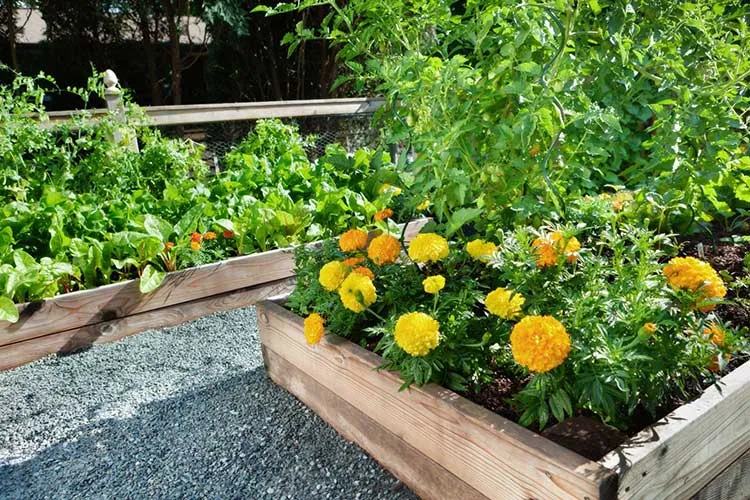
Marigolds are a popular pick for a reason. Their strong scent repels aphids, whiteflies, and even root-knot nematodes. Plant them along the edges of your beds or between rows for a protective buffer. Basil does double duty—its aroma helps ward off flies and mosquitoes and boosts the flavor of tomatoes when planted nearby. Nasturtiums are a magnet for aphids and flea beetles, pulling them away from your more valuable veggies. You can even sacrifice a few nasturtiums to keep the rest of the garden clean.
Besides pest control, these companion plants attract pollinators, offer edible flowers, and fill gaps with color and texture. Mix them throughout your garden for the best results instead of clustering them all in one spot. Tuck marigolds between pepper plants, surround tomatoes with basil, or weave nasturtiums through squash vines.
To plan your layout more easily, check out a Companion Planting Guide Book that lists which plants help (or hurt) each other. With a little planning, your garden can fight pests naturally—no sprays needed.
Chemical Options—When and How to Use Them Responsibly
There are times when organic sprays and barriers aren’t enough, especially if pests are already out of control. While many gardeners hesitate to use chemical options, there are safe, responsible ways to apply them that won’t ruin your soil or make your food unsafe. The key is choosing products labeled for vegetable use and applying them correctly.
Pyrethrin-based sprays, made from chrysanthemum flowers, are a fast-acting choice. They knock down many insects on contact, including beetles, aphids, and leafhoppers. Pyrethrin breaks down quickly in sunlight, making it safer for gardens but still requires caution around bees. Spray in the evening and avoid blooming flowers to limit exposure.
See examples on Amazon for the Garden Safe Brand Insect Killer
Spinosad is another low-toxicity option made from fermented soil bacteria. It works well on leaf-eating pests like cabbage worms, thrips, and fire ants. It’s even approved for organic gardening, though you’ll still need to keep it away from pollinators during application.
No matter what product you choose, always read the label—especially the part about pre-harvest intervals. This tells you how long to wait between spraying and harvesting. It’s a simple step that keeps your food safe and chemical-free when it hits your plate.
Use chemicals as a backup, not a first step. Start with organic and physical methods whenever possible, and only turn to sprays when dealing with a persistent or widespread outbreak that threatens your entire crop.
Long-Term Prevention Tips
Staying ahead of pests isn’t just about reacting—it’s about building habits that keep problems from starting in the first place. Small changes in how you care for your garden can make it far less inviting to the bugs you’re trying to avoid.
Healthy soil is your best defense. Compost adds nutrients that help plants grow stronger and more resistant to damage. Mulching keeps the soil moist, blocks weed growth and reduces insects’ hiding places. Use straw, shredded leaves, or untreated wood chips to create a barrier between your crops and crawling pests.
Rotating crops each season also breaks up pest and disease cycles. If cabbage worms hit your kale bed one year, switching to onions or carrots in that spot the next year gives you a fresh start. Group plants by family (like tomatoes, peppers, and eggplants) and move them around to simplify the process.
Another smart move is to welcome beneficial bugs. Ladybugs and lacewings eat aphids, mites, and other soft-bodied pests. You can order live insects online and release them into your garden to boost natural pest control.

Live Ladybugs for Garden Pest Control
These practices don’t take much time, but they add up. Over time, you’ll notice fewer infestations and healthier plants—all without needing to spray as often.
Reader-Friendly Product Comparison Table
With so many options, it helps to see how common pest control methods stack up. This quick table highlights the basics so you can pick the product that fits your garden, budget, and comfort level.
| Product | Type | Best For | Ease of Use | Weather Resistant |
|---|---|---|---|---|
| Neem Oil Spray Concentrate | Organic | Aphids, mites, whiteflies | Moderate (mix/spray) | Low (washes off in rain) |
| Safer Insecticidal Soap | Organic | Aphids, spider mites | Easy (ready-to-use) | Low |
| Diatomaceous Earth | Barrier | Slugs, ants, beetles | Easy (sprinkle) | Medium (reapply after rain) |
| Floating Row Covers | Barrier | Moths, beetles, leafhoppers | Moderate (setup needed) | High |
| Copper Tape | Barrier | Slugs | Easy (stick on surface) | High |
| Garden Safe Insect Killer | Chemical | Beetles, aphids, caterpillars | Easy (spray bottle) | Medium |
| Monterey Spray (Spinosad) | Chemical | Worms, thrips, fire ants | Moderate (mix/spray) | Medium |