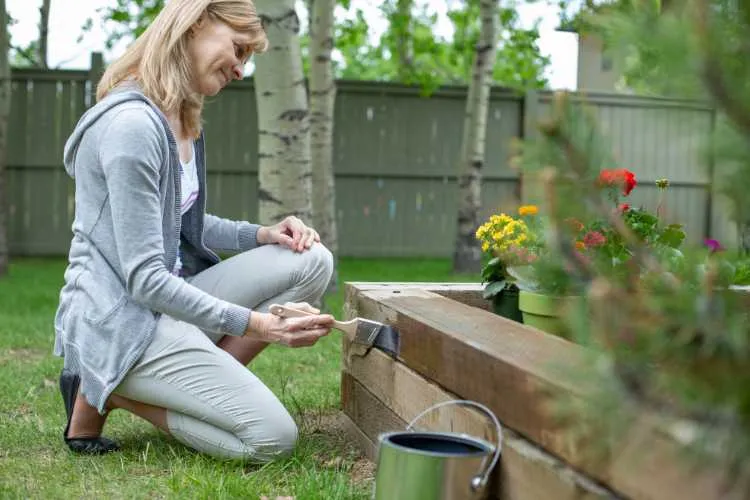
You’re not alone if you’re tired of your wooden planters turning gray, cracking, or falling apart after just one season. Outdoor conditions can be brutal on untreated wood, and replacing planters annually can get expensive quickly. The good news? Choosing the right oil for wooden planters can protect your boxes, save money, and keep your garden looking great without risking plant health.
In this post, you’ll find out which oils work outside, how to apply them properly, and what to watch for when buying. Whether you’re growing herbs on a sunny patio or vegetables in a raised bed, you’ll learn how to protect your planters the right way—safely and naturally. Plus, we’ve included real pros and cons, so you can skip the trial and error and get straight to results that last.
What is the Best Oil For Wooden Planters?
Hope’s 100% Pure Tung Oil

Hope’s 100% Pure Tung Oil is a go-to choice for those seeking long-lasting, natural protection. It’s made from pressed tung tree nuts and contains no additives, making it food-safe and ideal for planters growing herbs, lettuce, or other edibles. This oil penetrates deep into the wood fibers, creating a tight, water-resistant seal that helps prevent swelling, cracking, or rot. It works especially well on hardwoods like cedar, teak, or redwood—planters from these species benefit from its sealing power.
One thing to know: tung oil isn’t a quick-dry option. Depending on humidity, you’ll need to allow several days between coats, and a full cure may take over a week. Multiple coats give the best protection, and you’ll see the grain come alive with a warm, rich glow after each one.
People like this oil because it’s durable, eco-friendly, and gives wood a beautiful, non-glossy finish. However, the slow drying process can be a drawback if you’re in a hurry. For best results, apply in a well-ventilated area and be patient with the drying time—it pays off in the long run.
Tried & True Original Wood Finish

Tried & True Original Wood Finish blends two simple ingredients—polymerized linseed oil and natural beeswax. The result is a smooth, low-sheen finish that is completely free from solvents, making it a safe choice for garden planters, especially if you’re growing food. This oil is a favorite among DIY enthusiasts who seek an easy-to-use product with minimal strong fumes and straightforward cleanup.
The application is simple: apply it by wiping or brushing, let it soak in, and buff off any excess. It’s a good choice for softwoods like pine or fir, and works just as well on hardwoods if you’re not dealing with heavy rain or extreme moisture. Since it doesn’t repel water as strongly as tung oil, you may need to reapply it more often or use it under a water-repelling topcoat.
It shines when you want a natural look without worrying about chemicals leaching into the soil. However, if your planter is exposed to full weather conditions, you’ll want to monitor it for signs of wear more frequently. The finish feels smooth and brings out the wood’s warmth without adding any plastic-like sheen, perfect for a more rustic or handmade appearance.
Seal It Green Garden Box Sealer

The Seal It Green Garden Box Sealer is designed for outdoor gardening. This plant-based oil blend is designed for raised beds and planter boxes, offering strong moisture protection without compromising safety. It’s completely non-toxic and safe for direct contact with soil, plants, and food—perfect for growing vegetables or herbs.
The formula dries faster than traditional oils, which is helpful if you work in humid conditions or want to complete your project in a single afternoon. It soaks into the wood well, sealing off pathways for water and reducing the chance of rot or mold. It performs best on cedar, pine, and other common garden planter woods.
While it’s a little pricier per ounce than basic oils, many gardeners find it worth the investment for the peace of mind it brings. There’s no need to mix or add anything—brush or wipe it on, and you’re set. Because it was created specifically for outdoor grow boxes, it lasts longer in damp environments and keeps the wood looking natural rather than shiny. If you’re looking for a garden-safe product with strong weather protection and minimal fuss, this one ticks all the boxes.
Pure Raw Linseed Oil (Food Grade)

Pure Raw Linseed Oil is a traditional favorite, especially for gardeners who prefer simple, time-tested methods. This version is a food-grade wood sealer for planters, meaning it hasn’t been boiled or treated with chemical drying agents. It is a safe option for wooden planters growing vegetables, fruits, or herbs. It goes smoothly and is easy to find at most hardware or garden stores; it is usually cheaper than specialty finishes.
Because it’s raw, drying takes time—sometimes several days per coat. You’ll also want to let it cure completely before planting, or the surface may stay tacky and attract dust or mildew. For outdoor planters, it’s smart to pair them with a UV-protectant topcoat, as linseed oil on wood alone doesn’t offer sufficient sun protection.
If you’re willing to wait out the curing process, this oil rewards you with a soft, natural sheen that darkens the wood slightly and emphasizes the grain. It’s ideal for gardeners on a budget or those working on multiple planters. Apply it in thin coats and dry thoroughly between applications to prevent stickiness or mold issues.
Tenee Pure Tung Oil for Raised Beds

Tenee Pure Tung Oil is a standout choice when moisture resistance is your top concern. Extracted from tung tree nuts, this oil forms a flexible, waterproof layer inside the wood, helping planters withstand rainy or humid environments. It’s completely natural and safe for plants, so you don’t have to worry about chemical runoff into your soil.
The oil penetrates deeply and hardens as it cures, creating a strong internal barrier that won’t peel or flake like film finishes. It’s especially helpful for planters that sit directly on soil or in damp corners of the yard. You can use it on both hardwoods and softwoods, though hardwoods like ipe or teak will showcase the rich tone it brings out.
Applying tung oil takes a little more patience than standard finishes. It often requires several thin coats, each with ample time to dry. Rags used in the application should be disposed of properly due to their flammability risk. But once it’s cured, you’ll get long-lasting, plant-safe protection that doesn’t wear off easily. If you’re willing to learn the process, Tenee Pure Tung Oil gives beautiful results and tough outdoor durability.
Eco Advance Wood Siloxane Waterproofer

One of the best sealants for wood planter boxes is Eco Advance Wood Siloxane Waterproofer, which isn’t a traditional oil. Still, it pairs well with natural finishes to enhance water protection. It’s a clear, odorless liquid that uses siloxane—an eco-safe synthetic—to create a moisture barrier over wood surfaces. Because it’s non-toxic and biodegradable, it’s safe to use around plants, pets, and edible crops.
This product is a great option if you’ve already oiled your planters and want to add an extra layer of protection without altering the look or texture. It doesn’t leave a shine or darken the wood, which is useful if you’re going for a raw, unfinished appearance. It absorbs into the surface, allowing the wood to breathe while preventing water from entering.
The application is simple—spray or brush it on clean, dry wood. It dries quickly, usually within a few hours. However, it does wear off faster than oil alone, so you’ll need to reapply once or twice a year, depending on the exposure. Still, it’s a handy tool for boosting older or already-treated planters. Eco Advance provides reliable protection without compromising garden safety, especially when working with softer woods or planters in a particularly wet area.
Seal It Green Xtreme Bamboo Oil

One of the best oils for garden beds, Seal It Green Xtreme Bamboo Oil, is designed for high-exposure environments and denser woods that require robust protection. Although the name mentions bamboo, it works just as well on hardwood planters, such as acacia, ipe, and teak. This formula is packed with UV blockers and anti-mold agents, making it ideal for planters exposed to direct sun, heavy rain, or coastal humidity.
Xtreme Bamboo penetrating Oil soaks deeply into the wood, sealing off moisture pathways and preventing cracking or discoloration. The finish brings out bold, natural tones in the wood, leaving a vibrant, matte look that doesn’t feel greasy. While it’s plant-safe and non-toxic once dry, it’s best to apply it well in advance of planting to allow for proper curing.
The biggest downside is cost—it’s one of the more expensive options on the list and may be more than you need for basic pine or cedar planter boxes. But if you’re working with tropical hardwoods or want the longest-lasting outdoor finish possible, this oil offers strong protection and a professional-grade result. It’s especially useful for gardeners in hot or rainy climates who wish to reduce yearly maintenance.
Why Use Oil on Outdoor Wooden Planters?
Wood left untreated outdoors doesn’t hold up well. Sun, rain, and seasonal shifts cause it to dry out, crack, and eventually rot. Even tougher species, such as cedar or redwood, will wear down faster without protection. That’s where oil for wooden planters comes in—it penetrates the wood, rather than sitting on the surface like paint or synthetic sealers, offering protection from the inside out.
Compared to paint, oil lets the wood breathe. That’s important because trapped moisture can create mold or fungus around plant roots. Unlike synthetic sealers, most natural oils are non-toxic, making them safer for use when growing herbs, vegetables, or other edible plants. Oils also enhance the wood’s natural grain, giving your planter a clean, rich finish that avoids a glossy or plastic-like appearance.
Outdoor conditions are harsher than those indoors. UV rays, rain, and frost can quickly break down finishes. A good outdoor oil helps wood flex with the weather instead of cracking. Whether your planter sits on a sun-drenched balcony or in a damp garden bed, treating it with oil gives it a fighting chance to last for years.
What to Look for in a Wood Treatment for Planters
When selecting an oil for wooden planters, plant safety is the top priority. Always check the label for terms like “food-safe,” “non-toxic,” or “safe for raised beds.” Some oils may contain solvents or drying agents that aren’t ideal for planters growing edible plants. Look for natural ingredients—such as pure tung, linseed, or plant-based blends—especially if your planters house herbs, vegetables, or fruits.
Weather protection is the next key consideration. A good outdoor oil should repel water and resist UV damage. Water resistance helps prevent rot, swelling, and mold, while UV resistance keeps the wood from fading or breaking down in the sun. Some oils do both, but others may require a second product, such as a siloxane topcoat, to achieve the full effect.
Penetration depth affects durability. Oils that soak into the wood create a stronger, longer-lasting seal than those on the surface. This also helps the wood flex with temperature and moisture changes, rather than cracking or peeling.
Ease of application can save time and hassle. If you’re new to oiling, go for something that doesn’t require mixing or extra additives. Some dry faster than others, so check curing times if you’re on a deadline.
Cost and coverage vary widely. Compare the square footage a bottle will cover and how often it needs to be reapplied. Sometimes, spending a bit more upfront means less work later. And if you’re ever unsure, oils labeled for use in garden beds or on outdoor furniture are usually a safe bet.
How to Apply Wood Oil to Your Planters
Start by prepping the wood. Use medium-grit sandpaper to smooth rough surfaces and open the grain, allowing the oil to soak in. Wipe away dust with a damp cloth and let the planter dry fully before applying anything. If it’s a reused or older box, ensure no paint, mildew, or old finish is still on the surface.
Apply the oil using a clean brush, soft rag, or sponge—whatever you find easiest to control. Brush or rub in the direction of the grain, ensuring a thorough coating of edges, corners, and the bottom, where water can collect. Don’t flood the wood; a light, even layer works best. Let it absorb for 15 to 30 minutes, then wipe off any remaining oil that has not been absorbed.
Drying time depends on the oil. Some individuals may experience dryness within a day, while others may require several days between coats. Always follow the label’s guidance. Most planters need two or three coats for full protection. Allow each coat to cure completely before applying the next.
Reapply oil once or twice a year, especially if your planter is exposed to sun or rain. To check if it’s time, sprinkle a little water on the wood—if it soaks in quickly, the oil layer is wearing off.
Wear gloves and eye protection, and work outside or in a well-ventilated area. If you’re using a rag for application, lay it flat to dry before tossing it, since oily rags can combust if left balled up.
Maintaining Oiled Wooden Planters
Give your planters a little attention between growing seasons to keep them in good shape. Store them in a dry location, such as a shed, garage, or under a covered porch, during winter or extended periods of rain. If leaving them outside, raise them off the ground using pavers or wooden blocks—this prevents water from soaking into the bottom and causing rot.
Check your planter periodically for signs of wear. If the wood looks dull or dry or quickly absorbs water when splashed, it’s time for a fresh coat of oil. Planters in full sun or exposed to heavy rain may require re-oiling twice a year, while shaded or covered boxes may last longer between applications.
Adding a plastic liner or layer of mulch inside the box helps reduce internal moisture buildup. Just make sure there are still drainage holes to prevent water from pooling. When watering, avoid soaking the wood edges excessively.
If you notice mold or mildew starting to form, wipe it down with a vinegar-water mix before reapplying oil. Quick touch-ups now and then can extend the life of the wood and keep your garden looking sharp without needing to rebuild or replace your boxes each season.
Frequently Asked Questions (FAQ)
Can you oil already planted boxes?
Yes, but it’s trickier. You must keep the oil away from the soil and plant roots. Use a brush to apply oil only to the exposed outer wood, and avoid dripping it inside. For full coverage, it’s best to oil planters before adding soil or plants.
How often should you reapply oil?
It depends on the weather and the oil used. Planters exposed to full sun or rain may need reapplication every 6–12 months. A quick water test—splash water and see if it beads—can help you make a decision. If it soaks in fast, it’s time for a new coat.
Do you need to strip old finishes first?
You should reapply the same oil if switching from a synthetic sealant or if the surface has a peeling, flaky residue. A light sanding and thorough cleaning are usually enough. Removing old finishes ensures the new oil can soak in properly.
Can you mix oils or layer them on top of each other?
In most cases, it’s better to stick with one type of oil. Mixing different kinds—like linseed with tung—can affect how well they dry or bond. However, layering a waterproofer, such as siloxane, over a dried natural oil is common and often recommended for added moisture defense. Always let the first layer fully cure before adding anything else.
Helpful Growing Tips & Insight
5 Best Liners for Garden Raised Bed That are Non Toxic
The Best Watering System for Raised Beds