Does Fertilizer Go Bad? If you’ve ever pulled an old bottle of liquid plant food or a hardened bag of granules from your shed and wondered, “Is this still good?”—you’re not alone. Many gardeners are unsure how long fertilizers last or how to tell if they’ve gone bad.
Using expired or spoiled fertilizers can lead to disappointing plant growth—or worse, harm your garden. This guide will clarify the confusion by explaining how long different types of fertilizers last, the signs they’ve expired, and how to store them properly to avoid waste. Whether you’re dealing with liquid, granular, organic, or synthetic fertilizers, you’ll learn how to keep them fresh and effective.
Understanding Fertilizer Longevity: Does Fertilizer Expire?
Fertilizer shelf life can be confusing, especially with the wide variety of types available. Liquid, granular, organic, and synthetic fertilizers all have different storage needs and lifespans. While fertilizers don’t “expire” like food, they can lose effectiveness or become difficult to use over time.
When fertilizer “goes bad,” it often means it has lost some of its potency or changed in texture, like when liquid fertilizers separate or granular fertilizers clump. However, this doesn’t always make the product unusable—many can still work with a little maintenance, like mixing or shaking. Spoilage, conversely, refers to more serious issues, such as mold, foul odors, or bacterial contamination, which can render fertilizers unsafe for your plants.
There’s also a misconception that all fertilizers become useless after a set time, but that’s not always true. Properly stored synthetic fertilizers can last for years, while organic options may need more careful handling due to natural ingredients. Understanding what signs to watch for and how to store fertilizers can save you time, money, and potential garden headaches!
How Long Different Types of Fertilizers Last
Fertilizer lifespan depends on its form and ingredients. Some types stay effective for years, while others break down more quickly.
Liquid Fertilizer (Organic and Synthetic)
Liquid fertilizers are convenient but have varying shelf lives depending on their composition. But how long do liquid fertilizers last? Made from chemically stable compounds, it can last up to 10 years or more if stored correctly. However, they may still separate over time, especially after exposure to extreme temperatures. A good shake can usually recombine the ingredients without affecting performance.
In contrast, organic liquid fertilizers—such as fish emulsion or seaweed-based products—have a shorter lifespan, typically around 1 to 2 years. These contain natural materials that can spoil if exposed to air, light, or fluctuating temperatures. Over time, organic liquids may separate into thick layers, but if there’s no foul odor or visible mold, they may still be usable after mixing.
Granular Fertilizer (Water-Soluble and Slow-Release)
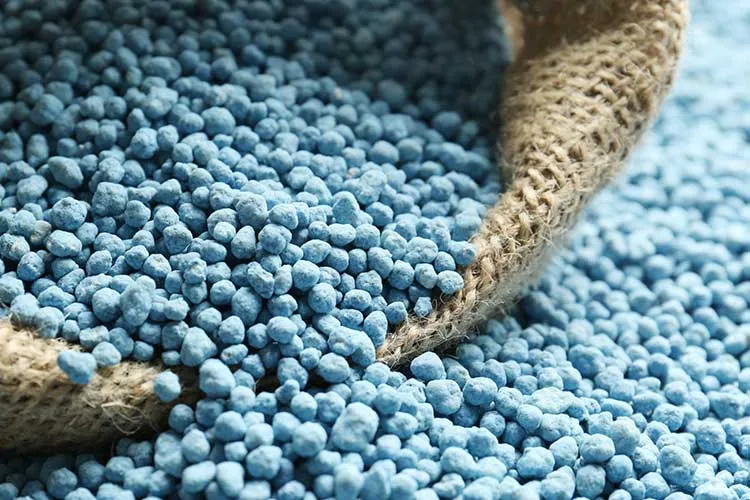
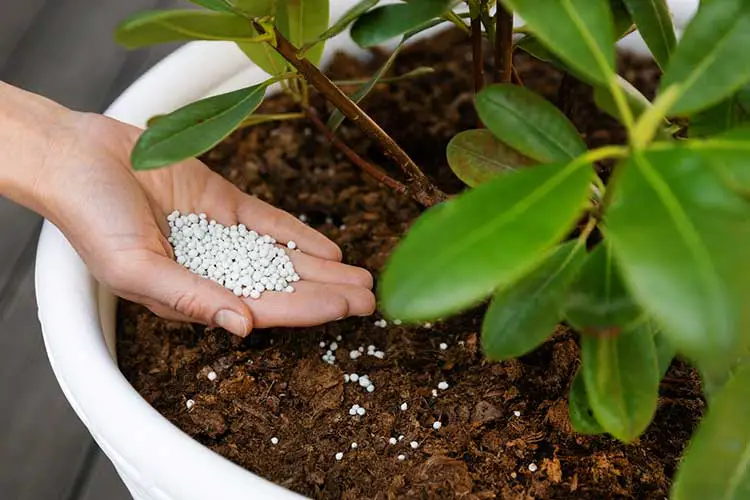
Granular fertilizers tend to have a longer lifespan. Synthetic water-soluble granular fertilizers can last indefinitely as long as they remain dry. However, exposure to humidity can cause clumping, making it hard to spread evenly. Slow-release and organic granular fertilizers generally last about 5 to 8 years but may degrade sooner if exposed to moisture or heat.
Slow-release coatings, like those found in some synthetic blends, can break down over time, especially in humid environments, releasing nutrients prematurely. Keeping granular fertilizers in airtight, moisture-proof containers helps extend their usable life.
Why Fertilizer Should Be Stored Carefully
Proper storage can significantly extend the lifespan of your fertilizer and ensure it stays effective. Moisture is one of the biggest threats, especially for granular fertilizers, as it causes clumping and hardening. On the other hand, liquid fertilizers can separate or become contaminated if exposed to fluctuating temperatures or too much air. Extreme heat can also cause a nutrient breakdown; freezing can ruin organic liquid fertilizers by altering their composition.
Light exposure can degrade certain nutrients, particularly in organic fertilizers. Many liquid organic products come in dark or opaque containers to reduce light exposure. Leaving them in direct sunlight can speed up spoilage and reduce potency.
Sealing fertilizer containers tightly is crucial to prevent air and moisture from getting in. This is especially important for organic liquid fertilizers, which are more prone to bacterial growth if exposed to oxygen. If they freeze, the thawing process can create sludge, making the fertilizer unusable.
Common storage mistakes include leaving fertilizer bags partially open, storing products in damp areas like sheds without insulation, or forgetting to secure liquid fertilizer lids tightly. With a few simple precautions, you can keep your fertilizers fresh and ready for use when your plants need them most.
Proper Storage Techniques to Prevent Fertilizer From Going Bad
Proper storage can greatly improve fertilizer longevity and performance. Following a few simple steps can avoid common issues such as clumping, separation, or spoilage.
Best Practices for Storing Liquid Fertilizers
Store liquid fertilizers in a temperature-controlled area to prevent freezing or degrading. Ideally, they should be kept between 50°F and 80°F. Avoid placing them near windows or heat sources, as temperature swings can cause separation or spoilage.
Once you’ve opened a bottle, ensure the cap is sealed tightly after each use to limit air exposure. This is especially important for organic liquids, as exposure to oxygen can encourage bacteria to grow. Using a clean measuring tool every time also helps prevent contamination.
Storing Granular Fertilizers
Granular fertilizers are more forgiving but still need dry conditions to stay usable. Store them in airtight containers, such as plastic bins with secure lids, to prevent moisture from entering. Avoid using cardboard or paper bags for long-term storage, as these can absorb moisture or allow pests to enter.
If you live in a humid area, consider adding a small silica gel pack to the container to absorb any excess moisture. Also, check the storage area regularly—if you notice clumps forming, you can break them up and use fertilizer if they still crumble easily.
Signs That Fertilizer Has Expired or Gone Bad
It’s not always obvious when fertilizer is no longer usable, but a few key signs can help you determine whether it’s still good for your plants.
Physical Signs
Granular fertilizers often become clumpy or form hardened lumps if exposed to moisture. While small clumps can be crushed and used, hardened blocks that won’t break apart easily may indicate that the fertilizer has absorbed too much moisture and lost its effectiveness.
For liquid fertilizers, look for separation that doesn’t recombine after shaking and signs of mold, sludge, or foul odors. Organic liquid fertilizers, in particular, can develop a rancid smell or visible bacterial growth, indicating spoilage. Synthetic liquids may separate, but they are usually safe to use as long as they mix back together and have no off-putting odor.
Performance Signs
If you’ve applied fertilizer and your plants show no noticeable improvement or start looking unhealthy, the product may have lost potency. Despite recent fertilization, poor growth, yellowing leaves, or weak stems could be signs of an expired or ineffective batch.
With organic liquids, it’s important to distinguish between harmless natural separation—common with fish emulsion or kelp fertilizers—and true spoilage. If the product looks chunky but smells fine and mixes well after shaking, it’s probably still good to use. However, any signs of putrid odor or visible mold mean it’s time to toss it.
Is Old Fertilizer Harmful to Plants?
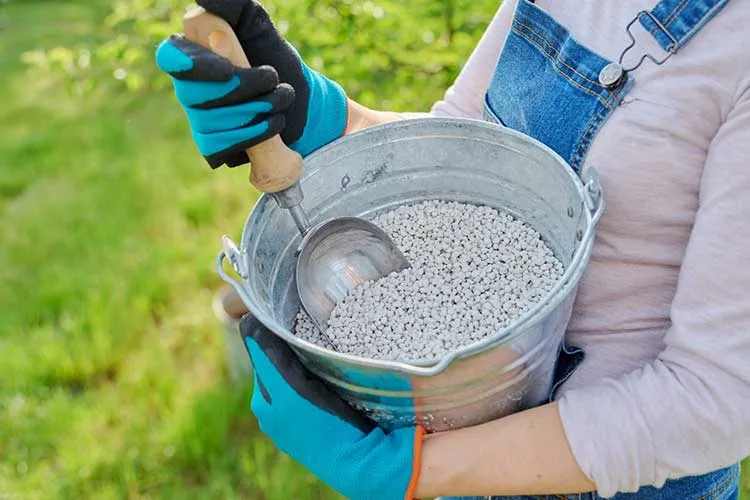
Using old fertilizer isn’t always harmful, but it can sometimes do more harm than good, depending on its condition. Fertilizers that have simply lost potency may not provide the nutrients your plants need, which can lead to nutrient deficiencies. Instead of lush, healthy growth, you might notice weak stems, pale leaves, or stunted development.
On the other hand, spoiled organic fertilizers—especially liquid types—can introduce harmful bacteria or unwanted pathogens to your plants. Moldy fertilizers or those with a foul odor can damage roots or cause plant health issues, particularly in young or sensitive plants. If you notice a fertilizer smells sour or has visible mold, it’s best to avoid using it altogether.
That said, older fertilizers that haven’t spoiled, especially synthetic varieties, can often be used safely even after their prime. If a synthetic granular fertilizer has hardened but can still be crushed into a spreadable form, it’s typically fine to use. However, suppose you’re unsure about the condition of an organic product or see signs of contamination. It’s often better to dispose of it and start fresh rather than risk stressing or damaging your plants.
What to Do With Expired or Questionable Fertilizer
If you suspect your fertilizer has expired or gone bad, don’t toss it out without considering safe and eco-friendly options. Fertilizers, especially synthetic ones, can harm the environment if disposed of improperly.
Safe Disposal Methods
Avoid dumping liquid fertilizers down drains or in the yard, as they can contaminate water supplies. Instead, contact your local waste disposal center to see if they accept chemical fertilizers. For small amounts, you can dilute synthetic fertilizers with water and spread them over non-edible plants or grassy areas to avoid waste. However, spoiled organic fertilizers with a strong odor or visible mold should be thrown out, as they can introduce harmful bacteria.
Reusing Separated or Clumped Fertilizers
Some fertilizers can be saved with some effort. If liquid organic fertilizers have separated but don’t smell bad, try shaking or stirring them thoroughly. A quick blend with a stick or whisk can restore them to a usable consistency. For hardened granular fertilizers, breaking clumps by hand or with a mallet can make them spreadable again.
When to Start Fresh
If a fertilizer shows signs of serious contamination, such as sludge, mold, or a foul smell, it’s better to dispose of it and buy a fresh product. Using questionable fertilizers can waste time, damage plants, and create unnecessary frustration. Starting fresh ensures your plants get the nutrients they need without any risks!