Why Consider a Raised Bed Liner?
Liners for garden raised beds serve as a protective barrier between the soil in your raised bed and the ground below. They help create a controlled environment, making it easier to manage soil health and prevent issues like contamination or pest intrusion.
Using a liner can significantly improve your gardening results. It maintains soil integrity by keeping your rich, nutrient-filled soil from washing away. Liners also help stabilize the bed, keeping soil from shifting or eroding and even regulating soil temperature to promote plant health.
When choosing a liner, it’s essential to opt for non-toxic materials. This ensures your plants grow in a safe, chemical-free environment, particularly if you’re cultivating food crops.
5 Best Liners for Garden Raised Bed That Are Non-Toxic
Wide-Mesh Hardware Cloth
Wide-mesh hardware cloth is a durable option that offers excellent protection against burrowing pests. The tightly woven metal mesh prevents animals like gophers and moles from tunneling into your garden bed, allowing water to drain effectively.
Unlike some materials, hardware cloth doesn’t degrade quickly, making it a long-term solution for pest prevention. Select a galvanized version to resist rust and extend its lifespan.
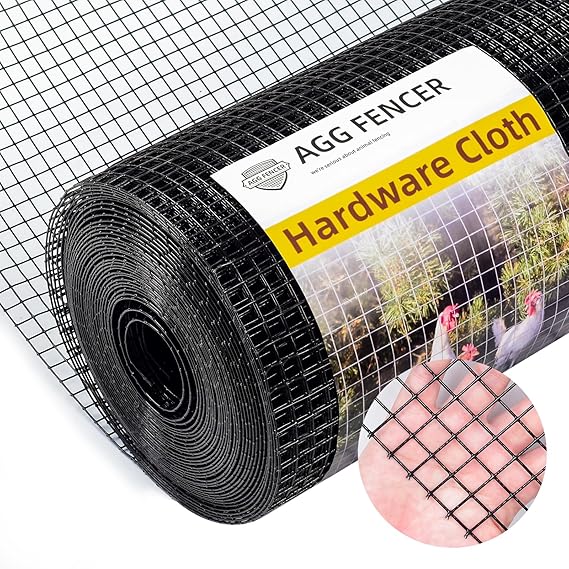
Black Hardware Cloth 1/2 inch – Buy On Amazon
Pros: Durable, rodent-proof, doesn’t break down
Cons: Doesn’t block weeds or retain moisture
Best for: Base liner under soil in rodent-prone areas
Stainless Steel Gopher or Rat Mesh
For a more robust option, stainless steel gopher or rat mesh offers superior durability and resistance to rust. This heavy-duty material is particularly useful in areas with persistent burrowing pests.
Its fine, sturdy weave effectively blocks small animals while remaining chemical-free and safe for gardening. While slightly more expensive up front, its longevity makes it a cost-effective investment for pest-proofing your raised beds.

Mesh Roll Gopher Wire – Buy On Amazon
Pros: Ultra-durable, rustproof, food-safe
Cons: More expensive upfront
Best for: Long-term rodent prevention in edible beds
Natural Landscape Fabric
Natural landscape fabric is an environmentally friendly choice that balances weed prevention and soil health. This breathable material circulates water and air, preventing weeds and invasive roots from entering the bed. When choosing landscape fabric, opt for untreated, biodegradable options to ensure no chemicals leach into your soil.
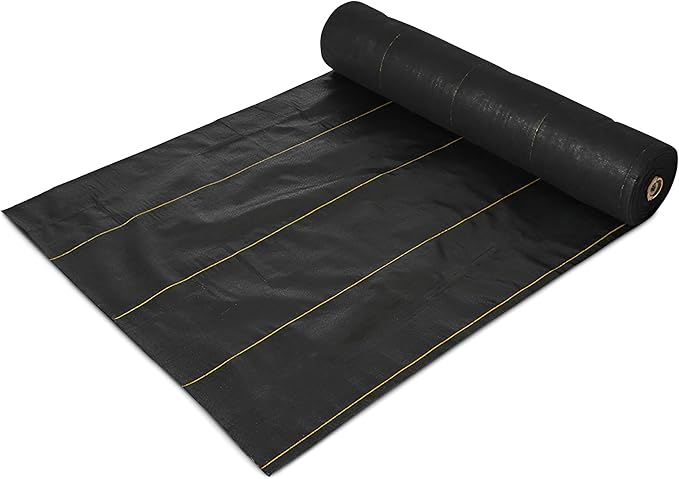
Dewitt Pro-5 Weed Barrier – Buy On Amazon
Pros: Biodegradable, blocks weeds, water-permeable
Cons: Decomposes within 1–2 seasons
Best for: Lining the sides and bottom of shallow beds for weed control
Food Grade Plastic Liners for Raised Beds
Plastic liners can help retain soil moisture and prevent weed growth, but selecting food-grade plastic liners is essential to avoid introducing harmful chemicals into your garden.
This option is best for gardeners looking to minimize water loss in hot, dry climates. However, plastic liners should be perforated to maintain proper drainage and prevent waterlogging.

Heavy Duty Weed Barrier Landscape Fabric – Buy On Amazon
Pros: Protects wood, long-lasting, waterproof
Cons: May reduce airflow; not biodegradable
Best for: Lining the interior walls of wood planters to prevent rot
Burlap Sack
Burlap sacks are a simple, biodegradable choice for lining temporary raised beds. Made from organic fibers, burlap effectively suppresses weeds and provides a barrier for roots while allowing water and air to flow through.
While burlap breaks down over time, it’s an excellent option for seasonal gardens or short-term projects.

Eco-Friendly Multipurpose Burlap Fabric Roll – Buy On Amazon
Pros: Natural look, breathable, compostable
Cons: Breaks down faster than other liners
Best for: Lining the sides of raised beds or planters
Newspaper or Cardboard
Newspaper and cardboard are cost-effective, sustainable choices for lining your raised garden bed. These materials suppress weeds, break down over time, and enrich the soil with organic matter.
Be sure to use untreated cardboard and non-glossy newspaper to avoid introducing harmful chemicals. This option works well with sturdier liners, such as hardware cloth, for added protection.

Pros: Free or cheap, compostable, improves soil
Cons: Short lifespan; not pest-proof
Best for: Temporary weed suppression during bed setup
Do You Need a Raised Bed Liner?
A raised bed liner can be a major advantage for your garden in certain scenarios. Suppose the soil beneath your raised bed is of poor quality or contaminated with chemicals, heavy metals, or other pollutants.
In that case, a liner acts as a safeguard, keeping your plants safe from absorbing harmful substances. Additionally, if invasive roots from nearby trees or shrubs threaten to infiltrate your garden bed, a liner provides an effective barrier to protect your plants’ root systems.
For many gardeners, using a liner isn’t just about problem-solving; it’s about prevention. Non-toxic liners, in particular, contribute to an environmentally friendly gardening setup. These materials ensure no harmful chemicals seep into the soil, creating a healthy foundation for your plants to thrive.
Whether or not you need a raised bed liner depends on the unique circumstances of your garden. Assess your garden’s soil quality, potential risks, and long-term goals to determine if adding a liner would enhance your growing space.
Should You Line the Bottom of a Raised Garden Bed?
Adding a liner to the bottom of your raised garden bed can offer several advantages, particularly when addressing specific gardening challenges. One of the most significant benefits is pest prevention.
Burrowing animals like gophers, moles, and voles can damage your plants by tunneling through and disturbing root systems. A sturdy liner, such as hardware cloth or gopher mesh, creates a physical barrier that keeps pests out while allowing water to drain.
Another advantage of lining the bottom is improved drainage and root health. Materials that allow water to pass through easily, like wide-mesh fabric or coarse sand layers, prevent waterlogging, which can lead to root rot. This setup also encourages roots to grow downward, fostering stronger and more resilient plants.
However, lining the bottom of your garden bed may be optional in some cases. A liner may be unnecessary if your raised bed is placed directly on healthy, pest-free soil with good drainage.
In these situations, skipping a liner allows beneficial soil organisms, such as worms, to move freely into the garden bed, enriching the soil naturally. Evaluating your specific garden conditions will help you decide if lining the bottom is the right choice.
Tips for Properly Lining a Raised Garden Bed
Measure and Cut Liners to Fit Precisely
Before installing your liner, carefully measure the dimensions of your raised garden bed to ensure a proper fit. Then, cut the liner material to fit snugly within the base and edges of the bed. A precise fit prevents gaps where pests or weeds could sneak in. It also ensures that the liner stays secure during setup and over time.
Layer Materials for Added Protection
Consider layering materials for enhanced functionality. For instance, start with a sturdy base layer, such as hardware cloth, to keep out pests, and add a biodegradable material, like cardboard or landscape fabric, on top to suppress weeds. This combination offers both durability and environmental benefits, creating an ideal environment for your plants.
Secure Edges To Prevent Shifting
Secure the edges firmly to keep your liner materials in place. Use garden staples, nails, or heavy rocks to anchor the liner to the raised bed frame. Ensuring the material doesn’t shift over time helps maintain its effectiveness, especially against pests and weeds.
Maintain Drainage by Creating Holes in Impermeable Liners
If you’re using an impermeable liner, such as plastic, ensure that you create drainage holes. These holes allow excess water to escape, preventing waterlogging and promoting the development of healthy root systems. Distribute the holes evenly across the liner to ensure consistent drainage throughout the bed.
What are Chemical-free Products?
Chemical-free products are made without synthetic additives, pesticides, or artificial preservatives. This usually means using natural fertilizers, untreated soil, and safe liners for raised beds in gardening. For example, choosing liners made from untreated burlap or natural coco coir avoids exposure to chemicals that could leach into your soil.
If you’re growing herbs or veggies at home, especially in small urban spaces, starting with chemical-free materials keeps your garden healthier and more sustainable, while helping you stay within budget and grow the food you trust.
Choosing the Best Non-Toxic Garden Liner for Your Needs
When selecting a liner for your raised garden bed, consider factors like bed location, potential pest problems, and your overall budget. A sturdy liner may be essential for areas with poor soil or persistent burrowing pests, while simpler options are suitable for healthier environments.
To support plant and soil health, prioritize environmentally friendly, non-toxic garden bed liner materials. Materials such as hardware cloth, natural landscape fabric, or biodegradable cardboard provide effective solutions that do not compromise safety or sustainability.
Don’t be afraid to experiment with combinations of materials to achieve the best results for your needs.
Liner for Raised Garden Bed – FAQ
Do raised garden beds need a liner?
A liner isn’t always necessary, but it helps control weeds, retain moisture, and protect wooden frames from rotting. If you’re growing edibles, choose a non-toxic option.
What is the safest liner for vegetable gardens?
Food-grade HDPE plastic, stainless steel mesh, or untreated natural fabrics, such as burlap, are among the safest options. Avoid anything with PVC or questionable coatings.
Can I use cardboard as a garden bed liner?
Yes — cardboard is a safe, biodegradable liner that suppresses weeds and decomposes into organic matter over time. Just remove any tape or printed materials.
Is landscape fabric safe for vegetable beds?
If made from natural materials, synthetic landscape fabrics may leach chemicals into the soil. Look for biodegradable versions made from jute or hemp.
Will using a plastic liner harm my plants?
It might be if you use the wrong type (like vinyl or PVC). If you’re lining edible beds, stick with BPA-free, food-safe plastics.