Using a liner in your garden beds or containers might seem small, but it can solve some frustrating problems, like soggy soil, fast-growing weeds, or pests sneaking in from below. Liners help keep your soil in place, protect your planters, and create a better environment for your plants to thrive.
If you’ve ever dealt with water damage, root rot, or soil spilling onto your patio, this quick upgrade makes a big difference. In the sections, you’ll find 7 practical ways to use liners to save time, reduce mess, and help your plants grow stronger.
Keep Soil in Place and Stop Drainage Messes
Loose soil slipping through your planters’ bottom can become a constant cleanup. Whether working with wooden raised beds, ceramic pots, or balcony containers, a liner can help hold everything in place. Without it, soil often escapes through drainage holes or between the slats of wooden planters, especially after heavy watering. That mess adds up—and it’s wasteful, too.
Liners like landscape fabric or burlap are affordable options that let water through while keeping the soil where it belongs. Both are breathable and break down slowly, making them ideal for most gardening setups. For best results, cut the liner slightly larger than the base of your container or bed, then fold the edges up the sides before filling with soil. This small step keeps corners sealed and helps prevent leaks. If you’re working on a balcony or paved surface, this simple fix can spare you from slippery puddles and muddy stains.
Improve Drainage While Avoiding Root Rot
Too much water in your soil can suffocate roots and lead to rot, one of the fastest ways to lose healthy plants. Liners can help with drainage if you layer them correctly. Start by placing a breathable liner like coconut coir or perforated landscape fabric at the base. Then, add a layer of gravel, pumice, or coarse sand to create space for excess water to drain through.
This setup works especially well in containers that don’t have built-in drainage holes. But even with good drainage, it’s still easy to overwater. Always check moisture levels before adding more. Root rot tends to sneak up when water collects at the bottom with nowhere to go.
Breathable liners offer a buffer between the soil and any standing water if you use plastic or ceramic pots without holes. Think of it as giving your plant roots room to breathe while keeping soggy soil at bay.
Slow Down Weed Growth in Raised Beds
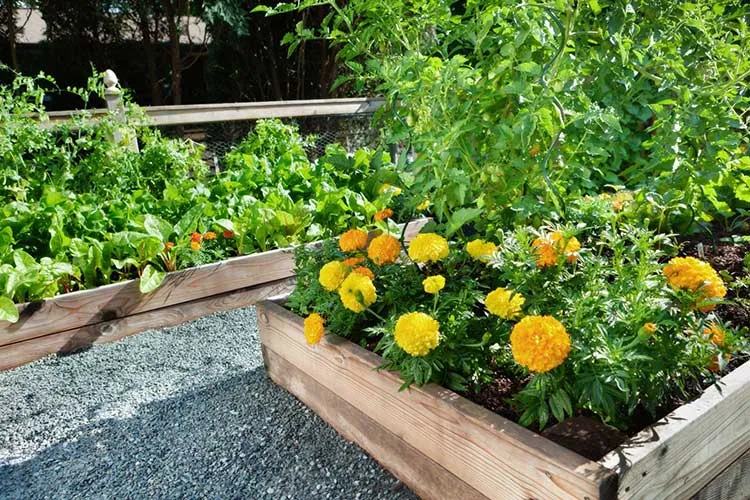
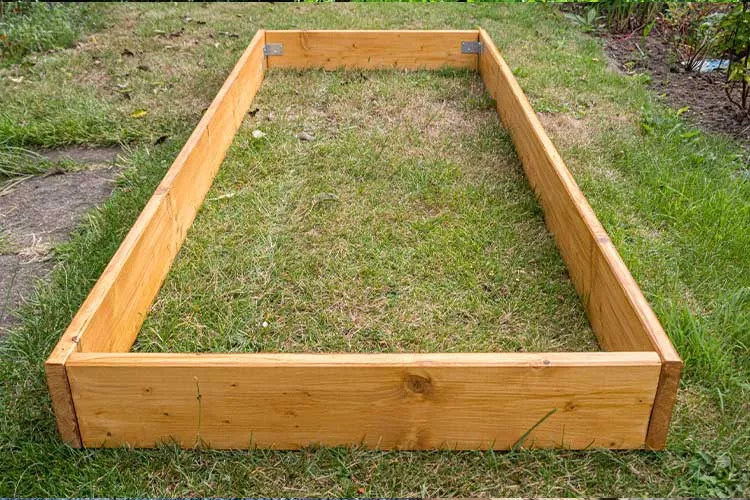
Weeds love to sneak up from underneath raised beds, stealing nutrients and space from your plants. A smart way to stop them early is by lining the bottom before you add soil. Materials like cardboard, thick newspaper, or a biodegradable fabric liner block sunlight and prevent weed seeds from sprouting up from the ground below.
These options are also budget-friendly, especially if you’re reusing moving boxes or old newspapers. They’re easy to lay down flat and will naturally break down over time, letting roots grow deeper once they’ve established. For better results, wet the liner before adding soil. This softens the material so it stays in place and molds to the shape of the bed.
This step makes a noticeable difference if you’re setting up a new bed on top of grass or compacted soil. You’ll spend less time pulling weeds and more time enjoying what you planted.
Protect Wood or Metal Planters from Moisture Damage
Moisture can wear down planters fast, especially wooden or metal ones. When soil stays damp against the inside walls, wood starts to rot, and metal can rust or leach into the soil. Adding a liner helps create a barrier that keeps the container in better shape for longer.
Heavy-duty plastic sheets or pond liners are great choices for this. They’re tough enough to withstand moisture but flexible enough to shape to your container. Just punch drainage holes through the liner so excess water doesn’t pool at the bottom. That water buildup can still cause damage if it’s trapped.
In metal planters, liners also stop soil from coming into direct contact with the metal, which helps prevent contamination. If you’re reusing an old galvanized tub or wooden crate, a liner can make it garden-ready again. For a clearer idea, picture a cross-section showing the liner snugly fitted inside with soil layered above.
Make Seasonal Swaps Easier in Containers
If you like to switch out your plants with the seasons, liners can save you time and mess. Instead of digging through compacted soil or trying to loosen tangled roots, a liner lets you lift the whole thing out at once. This makes replanting smoother, especially for containers on patios, balconies, or small garden corners.
Reusable grow bags or inner fabric pots work perfectly for this. You can fill them with soil, plant your flowers or veggies, and then drop the whole bag into a decorative pot. When it’s time to refresh your setup, lift out the liner and swap it with a new one.
This method keeps your containers clean and reduces soil waste. It’s also handy if you like to experiment with different color schemes or plant types as the seasons change. Everything stays contained; you don’t have to start from scratch each time.
Support Soil Structure for Deep-Rooted Plants
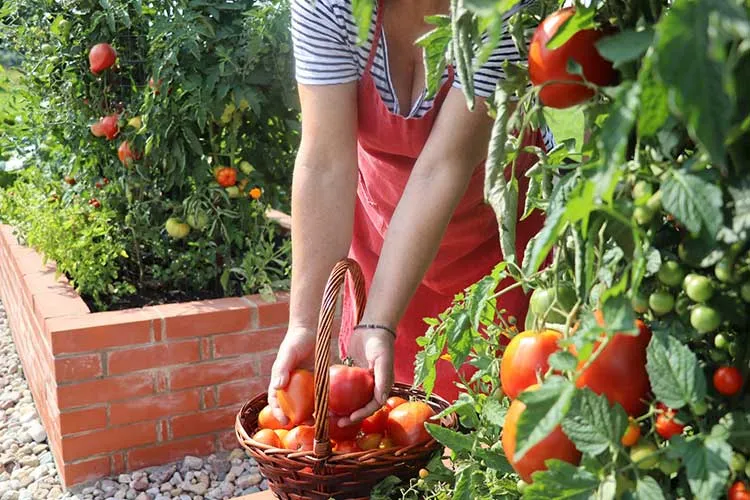
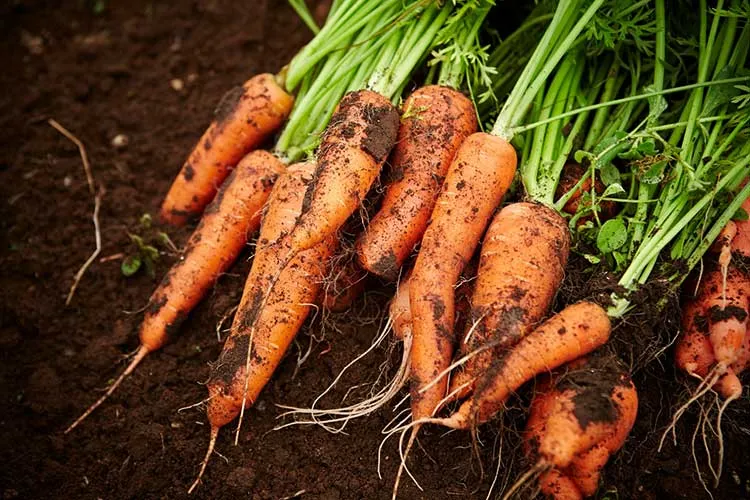
When growing plants that send roots deep—like tomatoes, carrots, or peppers—the right liner can help keep the soil loose and breathable. Without support, container soil can compact over time, making it harder for roots to spread and take in nutrients. A breathable liner, such as one made from natural fibers or mesh, can keep the soil from settling too tightly.
This extra structure is especially useful in tall containers or vertical planters, where gravity pulls soil downward. The liner holds everything together while letting water drain and air flow through. For plants that need consistent moisture, add a moisture-retaining layer on top of the breathable liner. Materials like coconut coir or a thin layer of water-retentive felt help the soil stay evenly damp without getting soggy.
Giving your deep-rooted plants a better-growing base helps them grow stronger and faster, and gives you more to harvest later in the season.
Block Pests and Critters from Entering from Below
Burrowing pests like voles, moles, and even curious rabbits can sneak into raised beds from underneath. Once they’re in, they can chew roots, steal crops, and stir up the soil. A strong liner made from wire mesh or hardware cloth acts like a shield, keeping unwanted guests out while letting water and roots move freely.
To build this barrier, lay the mesh flat across the bottom of your raised bed before adding soil. Secure the edges tightly against the frame to make sure there are no gaps where animals can slip through. This extra layer can save your crops from sudden damage if you live in an area with a lot of wildlife or rodent activity.
Pair the wire mesh with weed-blocking fabric on top for even more protection. This combination stops weeds from below and deters pests, giving your plants a solid start without underground invaders.
What NOT to Use as a Liner
Skip materials that trap moisture or release harmful chemicals. Plastic grocery bags, non-breathable tarps, and wood treated with toxic preservatives can do more harm than good. They trap water, promote rot, and may leach unsafe substances into your soil. Stick to breathable, garden-safe liners instead.