Finding the best lights for growing microgreens can feel like searching for a needle in a haystack. With so many options available, getting lost in the details is easy. But don’t worry—I’ve got you covered! Whether you’re a seasoned gardener or just starting your green-thumb journey, understanding the nuances of microgreens lighting is crucial for a healthy, vibrant crop.
Microgreens, those tiny yet nutrient-packed powerhouses, thrive on the right kind of light. Like a chef needs the perfect ingredients for a dish, your microgreens need the perfect light to grow robustly. From the sun’s warm glow to the high-tech brilliance of LED panels, each lighting option brings benefits and challenges. This guide will dive deep into the different types of lights, how to set them up, and everything in between. So, grab your gardening gloves, and let’s shed some light on the best ways to grow your microgreens!
What are the Best Grow Lights for Microgreens?
The Best lights for growing microgreens provide a full spectrum of light, mimicking natural sunlight to promote optimal growth. Among the top choices are LED grow lights, which are highly efficient and versatile. These lights emit a balanced mix of blue and red wavelengths, crucial for photosynthesis and the healthy development of microgreens.
LED lights are energy-efficient, generate minimal heat, and have a long lifespan, making them a cost-effective option in the long run.
Fluorescent lights, particularly T5 and T8 bulbs, are also popular due to their affordability and adequate light spectrum coverage. They are easy to set up and provide consistent light, although they consume more energy than LEDs. Placing microgreens on a sunny windowsill can work for those relying on natural light, but supplementing with artificial lights ensures consistent and robust growth, especially during shorter daylight periods. Ultimately, the best lights for growing microgreens offer the right intensity, spectrum, and efficiency to keep your greens thriving all year round.
Sunlight and Natural Light for Growing Microgreens
Ah, sunlight—the original grow light. If you’re blessed with a sunny windowsill or a well-lit balcony, you might think Mother Nature has you covered. And she does, to an extent. Sunlight provides the full spectrum of light that microgreens adore. It’s like giving them a gourmet meal every day.
However, relying solely on natural light can be tricky if you live in a place with perfect weather year-round (looking at you, Southern California). Overcast days and short winter daylight hours can leave your microgreens craving more. So, while sunlight is fantastic, it might need some help from our artificial friends during certain times of the year.
Fluorescent Shop Lights
Fluorescent shop lights are the old workhorse of indoor gardening. These lights are like the reliable old truck in your grandpa’s garage—not flashy, but they get the job done. They’re relatively inexpensive and easy to find, which makes them a great starting point for beginner microgreen growers.
Fluorescent lights, especially T5 fixtures, provide a good amount of the light spectrum that microgreens need. They’re cool to the touch, so you can place them close to your plants without worrying about a scorched harvest. But they’re not the most energy-efficient option and have a limited lifespan. Still, these lights can be a solid choice for the budget-conscious or those just dipping their toes into the world of microgreens.
LED Bulb Shop Lights
Now, let’s talk about LED bulb shop lights. Think of these as the new kid on the block who’s super smart and incredibly efficient. LED technology has come a long way, and these lights are a testament to that progress. They use less energy than fluorescents, which means lower electricity bills and a greener footprint.
LED bulbs come in various spectrums, allowing you to tailor the light to your microgreens’ needs. They also last significantly longer than fluorescent bulbs, which means less frequent replacements and more savings in the long run. Plus, they don’t emit much heat, so you can keep them close to your plants without the risk of wilting. LED bulbs are worth considering if you want to upgrade your lighting setup.
LED Strip Grow Lights (T5)
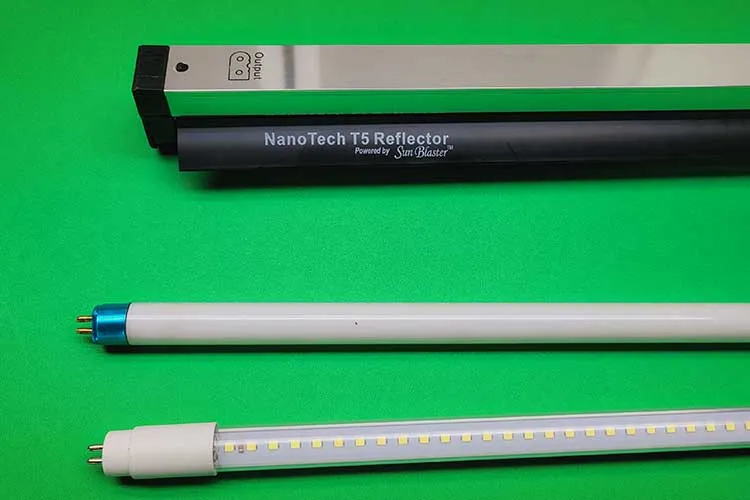
LED strip grow lights, particularly the T5 variety, are like the Swiss Army knife of microgreen lighting. They’re versatile, efficient, and can be customized to fit almost any growing space. These strips can be mounted under shelves, inside grow boxes, or even around corners to ensure your microgreens get consistent light coverage.
One of the biggest advantages of LED strip grow lights is their flexibility. You can adjust the placement and angle to maximize light exposure, ensuring every little sprout gets its fair share. They also come in a range of light spectrums, so you can experiment to find the perfect blend for your greens. Whether growing in a tiny apartment or a spacious greenhouse, these lights can adapt to your needs. Check out these Sunblaster LED lights on Amazon
LED Panel Lights for Growing Microgreens
LED panel lights are like the high-tech gadgets of the lighting world. They’re sleek, powerful, and packed with features that can take your microgreen growing game to the next level. These panels provide a broad, even light distribution, perfect for larger setups or commercial operations.
Many LED panels come with adjustable settings for different light spectrums and intensities, giving you complete control over your growing environment. They’re also incredibly energy-efficient, meaning you can keep your greens basking in light without feeling the pinch in your pocket. LED panels are the way to go if you’re serious about microgreens and want to invest in a top-of-the-line lighting system.
Microgreen Grow Lights Setup

Setting up your microgreen grow lights is like arranging furniture in a new apartment—you want everything just right. The first step is to choose your light source based on your needs and budget. Once you’ve got your lights, it’s time to set them up.
For most microgreens, you’ll want your lights to be about 12-18 inches above the trays. This distance ensures they get plenty of light without getting scorched. Use a timer to mimic natural daylight cycles—generally, 12-16 hours of light per day is ideal for most microgreens. Remember to adjust the height of the lights as your microgreens grow, keeping them at the right distance to ensure healthy, robust growth. Check out the Barrina LED Grow Light on Amazon
How Far Should My Lights Be from Microgreens?
Finding the sweet spot for light placement is crucial. Too close, and you risk burning your delicate greens. Too far, and they’ll stretch out, becoming leggy and weak. The Goldilocks zone for most microgreen lights is 12-18 inches above the trays.
Keep an eye on your plants and adjust as needed. If you notice your microgreens leaning or stretching towards the light, the light might be too far away. The lights are likely too close if the leaves start to curl or develop brown edges. Regular adjustments will help you find the perfect distance where your microgreens can thrive.
How Many Hours of Light Do Microgreens Need?
Microgreens, like all of us, thrive on a good routine. They typically need about 12-16 hours of light daily to grow healthy and strong. A timer can be a lifesaver here, ensuring your greens get the right amount of light without you having to remember to switch things on and off.
You might want to keep the lights on for 16 hours during the early stages to encourage robust growth. Reducing the light to 12 hours as they near harvest can help them develop rich colors and flavors. Experiment and see what works best for your particular setup and growing varieties.
What Do Light Spectrums Have to Do with Growing Microgreens?
Light spectrums are to plants what a good diet is to humans—they need a balanced mix to thrive. Different colors of light affect plant growth in various ways. Blue light encourages leafy growth, making it essential during the early stages of microgreens. Red light, on the other hand, promotes flowering and fruiting, which isn’t as crucial for microgreens but can still play a role in overall plant health.
Full-spectrum lights are a great choice because they provide a balanced mix of all the wavelengths plants need. Think of it as giving your microgreens a well-rounded meal. However, you can use specific spectrums to target different growth phases to fine-tune your setup. Like a chef using different spices to enhance a dish, you can use different light spectrums to optimize your microgreens’ growth.
Best place to Buy Grow lights for Microgreens in Canada
Regarding sourcing full-spectrum LED grow lights for microgreens in Canada, several reputable retailers offer quality options. Here’s an overview of some top choices:
Canada Grow Supplies.ca
Canada Grow Supplies is a go-to destination for Canadian growers seeking full-spectrum LED grow lights. They offer a range of products, including the Mars Hydro FC 3000, which features high-efficiency Samsung LM301B and Osram LEDs, delivering up to 2.9 µmol/J. This light is suitable for all stages of plant growth and is designed to maximize yield and crop quality. Their SunBlaster LED Mini Greenhouse Kit also provides a compact solution for starting transplants and growing microgreens indoors.
Canadian Tire.ca
Canadian Tire offers a selection of grow lights suitable for indoor gardening. Their inventory includes products like the Feit Electric 2 ft. 27-Watt Full Spectrum Vertical Mount LED Grow Light emits precise wavelengths for superior photosynthetic response. These lights, including microgreens, are designed for various indoor plants and are available in-store and online across Canada.
Home Depot Canada
Home Depot Canada provides a variety of full-spectrum LED grow lights, such as the Boost Lighting 80W LED Grow Light. This light features a 5000K daylight spectrum plus enriched 660 nm red light beads, facilitating photosynthesis efficiency and promoting healthy plant growth. The modular linking system allows for easy installation and scalability, making it suitable for novice and experienced growers.
Astral Grow.ca
Astral Grow specializes in hydroponic and indoor gardening supplies and offers high-quality full-spectrum LED grow lights. Their SunBlaster T5HO Mini Greenhouse Kit includes an 18″ full-spectrum 6400K grow light, a vented NanoDome, and a heavy-duty tray, providing an excellent environment for starting transplants and growing microgreens. Astral Grow’s products are trusted by home and commercial growers alike.
Each retailer offers reliable options for full-spectrum LED grow lights suitable for microgreens. When selecting the right product for your indoor garden, consider your specific growing needs, space, and budget.
Is Window Light Enough for Microgreens?
Picture this: it’s a beautiful sunny day, and you’ve placed your microgreens on a windowsill, expecting them to soak up the rays and flourish. Sounds perfect, right? Well, not always. While window light can provide some of the light microgreens need, it often falls short in intensity and duration, especially in less sunny climates or during the winter months.
The issue with the window light is its inconsistency. Your microgreens might get great light on one side but remain in the shadows on the other. The light’s angle changes throughout the day, leading to uneven growth. If you notice your microgreens leaning towards the window, it’s a sign they’re craving more light.
In some cases, supplementing with artificial lights can bridge the gap. Combining window light with LED or fluorescent grow lights can give your microgreens the consistent, full-spectrum light they need to thrive. So, while window light can contribute, it’s usually not enough for optimal growth.
Can Any LED Light Be Used as a Grow Light?
Ah, LEDs—those magical, energy-efficient wonders. You might be tempted to grab any old LED bulb and start growing microgreens, but not all LEDs are created equal. Regular household LEDs don’t provide the full spectrum of light that plants need. They’re designed for human eyes, not plant growth.
Grow LEDs, on the other hand, are tailored specifically for plants. They offer a mix of red, blue, and sometimes even far-red and ultraviolet light, mimicking the sun’s natural spectrum. This combination promotes photosynthesis, helping your microgreens grow strong and healthy. Regular LEDs might result in leggy, weak plants that don’t reach their full potential.
So, while you might save a few bucks upfront with regular LEDs, investing in proper grow lights will pay off in the long run with lush, vibrant microgreens.
How Many Lights per Shelf for Microgreens?
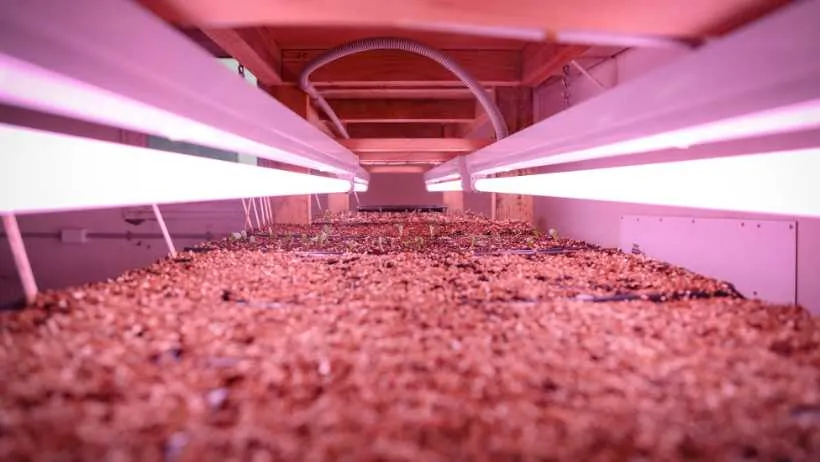
Determining the number of lights per shelf is like figuring out how many cookies to bake for a party—too few and someone will be left out, too many, and it will be overkill. The number of lights you need depends on the size of your growing area and the type of light you’re using.
A general rule of thumb for fluorescent and LED strip lights is one light per shelf if it’s around 2-4 feet long. You might need two lights for larger shelves or those with more trays to ensure even coverage. LED panel lights usually cover a larger area, so one panel might suffice for a full shelf.
Always aim for uniform light distribution. Overlapping the lights can help avoid dark spots and ensure all your microgreens get the light they need. Monitor your setup and adjust as necessary—your microgreens will quickly let you know if they’re not getting enough light.
Is It Better to Grow Microgreens Indoors or Outdoors?
Choosing between indoor and outdoor growing is like choosing between city and country living—both have perks and challenges. Indoors, you have control over the environment, from light and temperature to humidity. This control can lead to more consistent and predictable growth.
On the other hand, outdoor growing exposes your microgreens to natural sunlight and fresh air, enhancing flavor and growth rates. However, outdoor conditions can be unpredictable. Weather changes, pests, and varying light conditions can make it more challenging to maintain a steady growth cycle.
For most hobbyists and small-scale growers, indoors is the way to go. It offers more control and less risk. However, outdoor growing can yield fantastic results if you’re in a favorable climate and can manage the variables. It’s all about weighing your priorities and resources.
How Many Watts Do Microgreens Need?
When it comes to watts, think of it as the power behind your lights. The wattage you need depends on the light you’re using and the size of your growing area. Aim for around 20-40 watts per square foot for fluorescent lights. LEDs are more efficient, so 10-20 watts per square foot is usually sufficient.
However, wattage isn’t the only factor to consider. The light’s spectrum and intensity are equally important. High wattage doesn’t necessarily mean better if the light isn’t optimized for plant growth. Balancing wattage with other factors ensures your microgreens get the best possible light environment.
What’s a T8 Fluorescent?
T8 fluorescents are like the classic rock of grow lights—tried and true, reliable, and still popular despite newer technologies. T8 refers to the bulb’s diameter, which is 1 inch (or 8 eighths of an inch, hence the name). These lights are a staple in many indoor gardening setups because they’re affordable, easy to find, and provide a decent spectrum for plant growth.
Compared to T5s, which are thinner and more efficient, T8s are bulkier but still effective. They offer a good balance between cost and performance, making them a solid choice for beginners or those growing on a budget. While they’re not as energy-efficient as LEDs, they’re dependable for growing microgreens.
When Should I Expose Microgreens to Light?
Timing is everything. For microgreens, you’ll want to expose them to light as soon as they start to sprout. This usually happens a few days after sowing. When you see those tiny shoots peeking through the soil, it’s time to flip the switch.
Early exposure to light helps promote healthy growth and prevents the seedlings from becoming leggy as they stretch toward a light source. When growing indoors, keep the lights on for 12-16 hours a day to mimic natural daylight and encourage robust growth. A timer can help maintain a consistent light schedule, ensuring your microgreens get the right light daily.
How Do You Know Your Microgreens Are Getting Enough Light?
Microgreens are great communicators—they’ll let you know if they’re happy. If your microgreens get enough light, they’ll grow strong and upright with vibrant colors. On the other hand, if they’re not getting enough light, they’ll start to show signs of stress.
Look for seedlings stretching towards the light or becoming leggy and weak. This is a clear sign they need more light. Yellowing leaves can indicate inadequate light, but this can also indicate other issues like nutrient deficiencies.
Regularly check your microgreens and adjust the light distance and duration as needed. If you use LED or fluorescent lights, ensure they’re positioned correctly and provide even coverage. Your microgreens should look happy, healthy, and ready to harvest in about 7-14 days.
What is the Best Color Temperature for Microgreens?
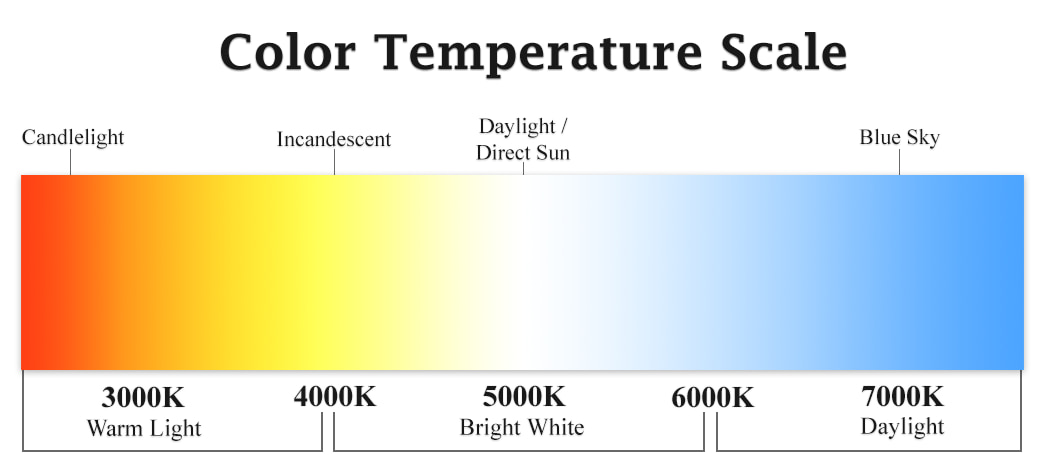
Source: Commercial LED lights
Color temperature might sound technical, but it’s crucial for plant growth. Measured in Kelvin (K), color temperature affects the type of light your microgreens receive. For optimal growth, aim for a color temperature between 5000K and 6500 K. This range mimics natural daylight, providing a balanced spectrum of blue and red light that supports photosynthesis and healthy growth.
Cool white lights (5000 K- 6500 K) are ideal because they provide a good mix of blue light, which promotes leafy growth, and red light, which helps with overall plant health. Avoid warm white lights (2700 K- 3000 K), as they tend to have more red light, which isn’t as beneficial for microgreens’ vegetative growth stage.
What Light Intensity Do You Need for Microgreens?

Source:casadiluce.ca
Another critical factor is light intensity measured in lumens or foot candles. For microgreens, you’ll want a light intensity of around 2000-4000 lumens per square foot. This intensity ensures your microgreens get enough light energy to photosynthesize and grow efficiently.
Too little light intensity can result in slow growth and weak plants, while too much can cause stress and potential light burn. Adjusting the distance between the lights and the plants can help manage intensity. Start with the recommended distance (12-18 inches for most setups) and adjust based on how your microgreens respond.
Can a Grow Light Be Too Strong?
Yes, a grow light can indeed be too strong. Think of it like getting too much sun at the beach—you end up with a sunburn instead of a tan. If your grow lights are too intense, they can cause light burn, where the leaves turn yellow or brown, and the plants become stressed.
To avoid this:
- Start with the recommended light distance and intensity for your specific light type.
- Monitor your microgreens closely.
- If you notice signs of light stress, such as leaf curling or discoloration, increase the distance between the lights and the plants.
Adjusting the light cycle can also help—reducing the hours of light per day can prevent overstressing your microgreens.
More Microgreen Tips & Insights
Growing Microgreens? Here Are the Questions Everyone Asks!
How Many Days Does It Take to Grow Microgreens?
How to Avoid Gas After Eating Sprouts