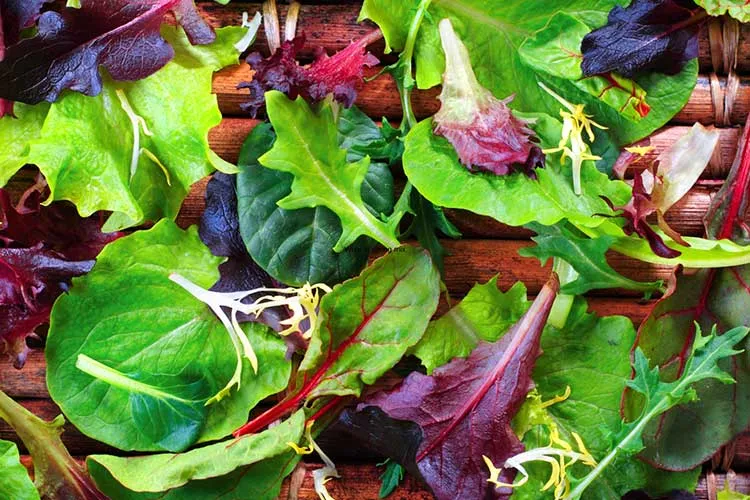
Why Washing Lettuce Matters
Washing lettuce is more than just a routine kitchen task—it’s essential for keeping your greens safe, fresh, and delicious. While lettuce may look clean, it often carries hidden dirt, bacteria, and traces of pesticides from the field. These contaminants can linger on the leaves, making washing a critical step in food preparation.
Cleaning lettuce removes visible dirt and reduces harmful bacteria. This simple step significantly lowers the risk of foodborne illness, especially when working with leafy greens that are often eaten raw. Rinsing also helps eliminate residual pesticides, even on organic produce that might have been exposed to natural pest repellents or soil-borne residues.
Even if your lettuce is labeled as “pre-washed” or “triple-washed,” a quick rinse at home is still a good idea. The greens may be exposed to additional handling and packaging materials during processing. Washing ensures an extra layer of freshness and safety.
Methods for Washing Lettuce
When washing lettuce, there are a few reliable methods to ensure your greens are clean and ready to eat. Each technique has its strengths, and choosing the right one depends on how much dirt or debris is clinging to your lettuce. Let’s break it down to make the process simple and effective.
Step 1: Remove Damaged Leaves
Start by sorting through your lettuce and removing any wilted or damaged outer leaves. These leaves often carry the most dirt and are less fresh, so removing them immediately helps improve your greens’ overall quality.
Discard any yellowing, slimy, or torn leaves, and keep the crisp, vibrant ones for washing. This step enhances the presentation of your lettuce and makes the cleaning process easier by reducing the amount of debris you’ll need to deal with.
Step 2: Choose Your Washing Method
Once you’ve prepped your lettuce, it’s time to decide how you want to wash it. Each method offers unique benefits, so consider the condition of your greens and the tools you have on hand.
Whether you prefer rinsing under running water, soaking in a cold bath, or using a salad spinner, there’s an approach for every situation. Below, you’ll find detailed instructions for each method to ensure your lettuce is as clean and fresh as possible.
Rinsing Under Cool Water
This is the go-to method for washing lettuce when dealing with light dirt or debris. Start by holding each leaf under a gentle stream of cool water. Use your hands to rub the surface lightly, paying attention to crevices where dirt can hide. If you’re washing a whole head of lettuce, separate the leaves first to expose any hidden spots.
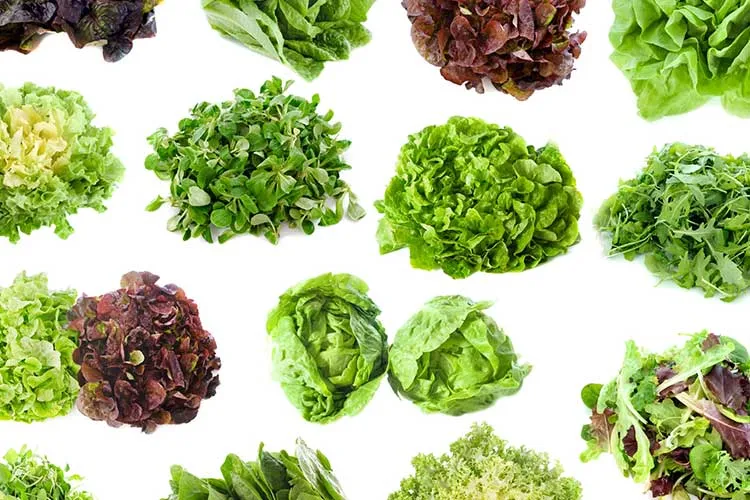
This method works best for delicate greens like butter lettuce or baby spinach, as the water flow helps clean without bruising the leaves. For efficiency, you can use a colander to rinse multiple leaves at once, shaking it gently to ensure even coverage.
Cold Bath Soaking
A cold water bath is the most effective solution for lettuce that’s heavily soiled or has stubborn dirt clinging to its leaves. This method removes debris and helps revive wilted greens, giving them a crisp, fresh texture.
To start, fill a large bowl or clean sink with cold water. Submerge the lettuce leaves completely, ensuring they are separated to allow the water to reach every surface.
Gently swish the leaves around with your hands to loosen dirt and grit. As the dirt settles to the bottom of the container, the clean leaves will float to the top. Let the lettuce soak for about 5–10 minutes, depending on how dirty it is.
After soaking, carefully lift the leaves out of the water instead of pouring the entire bowl. This ensures you leave the dirt behind. If the water is especially murky after the first soak, you may want to repeat the process with fresh water.
This method is particularly helpful for leafy varieties like romaine or kale, which tend to trap more dirt in their folds and ridges.
Using a Salad Spinner
A salad spinner is a versatile tool that simplifies washing and drying lettuce. This method is a favorite among home cooks and gardeners, and it is particularly useful when handling a large batch of greens or ensuring your lettuce is thoroughly cleaned and dry.
To begin, separate the lettuce leaves and place them in the spinner’s perforated basket. Avoid overcrowding; if you’re working with a lot of lettuce, wash it in smaller batches for the best results. While they’re in the basket, rinse the leaves under cool running water, turning them gently with your hands to ensure every leaf gets a thorough rinse.
Once rinsed, set the basket back into the spinner bowl and secure the lid. Spin the greens for about 10–15 seconds to remove excess water. You’ll notice the water pooling at the bottom of the spinner—pour it out and repeat if the lettuce still feels damp.
This step not only cleans but also dries the lettuce, which is key for maintaining crispness and preventing sogginess when storing or dressing your greens.
A salad spinner is a time-saver and reduces mess, making it a worthwhile addition to your kitchen. It’s especially handy for delicate greens like spinach or arugula, which can be hard to dry by hand.
Can You Wash Whole Heads of Lettuce?
Washing a whole head of lettuce is possible, but separating the leaves is often a better choice for a thorough clean. Whole heads can trap dirt and grit at the base, where the leaves meet the core, making it harder to remove all debris without taking the head apart.
If you prefer to wash the whole lettuce, hold the head under cool water and gently spread the outer leaves apart to allow water to flow through. While this method can save time, it may not be as effective as separating the leaves, especially with tightly packed varieties like iceberg or cabbage. For the cleanest results, remove the leaves and wash them individually.
Should You Cut Up the Lettuce Before Washing?
Cutting it up before washing can be helpful, depending on how you plan to use lettuce. If your recipe calls for chopped or shredded lettuce, cutting it into smaller pieces first allows you to clean every surface thoroughly. This is especially useful for tightly packed heads like romaine or iceberg, where dirt can hide between the layers.
However, if you’re preparing the lettuce ahead of time for storage, it’s better to wash the leaves whole. Pre-cutting can expose more surface area, which might lead to faster wilting or browning. Whether you cut first or not, the key is ensuring all pieces are washed and dried well to keep them fresh and crisp.
Drying Lettuce
Once your lettuce is clean, drying it properly is the next crucial step. Excess moisture can make your greens soggy and less appetizing and shorten their shelf life. Whether you prefer manual methods or a trusty salad spinner, drying lettuce is simple and effective with the right approach. If you’re cultivating fresh greens at home, like those mentioned in Grow Your Own Spring Mix Salad, these steps will ensure your harvest is ready to enjoy.
How to Dry Salad Greens
If you don’t have a salad spinner, you can dry lettuce manually using a clean kitchen towel or paper towel. After washing, gently shake off excess water from the leaves. Lay them out in a single layer on the towel and pat them dry with another towel. Be gentle to avoid bruising delicate greens like butter lettuce or spinach. You can roll the greens loosely in the towel to absorb water for larger batches but don’t press too hard.
Alternatively, place the washed leaves in a colander and let them air dry for a few minutes before patting them down. This method works well when you have extra time or when the greens don’t need to be dried immediately.
What Is a Salad Spinner?
A salad spinner is a handy tool designed to simplify the drying process. It uses centrifugal force to spin water off the leaves, drying them and preparing them for use in seconds. After washing, place the lettuce in the spinner, secure the lid, and spin vigorously.
The water collects at the bottom of the bowl, leaving your greens crisp and dry. A salad spinner is efficient, reduces mess, and helps prevent overhandling, making it ideal for fragile greens like arugula or spring mix.
Storing Fresh Greens
Proper storage is key to keeping lettuce crisp and fresh for as long as possible. With the right techniques, you can extend the life of your greens and enjoy them at their peak flavor and texture.
How to Keep Lettuce Crisp
To maintain crispness, focus on controlling humidity and preventing excess moisture. After thoroughly drying your lettuce, wrap the leaves loosely in a clean kitchen or paper towel.
Place the wrapped lettuce in a plastic bag or an airtight container, leaving a bit of space for air circulation. This method absorbs any remaining moisture while maintaining the right humidity level to keep the leaves from drying out. Store the container in the refrigerator’s crisper drawer for optimal results.
How to Store Fresh Greens
For long-term storage, start by ensuring the greens are completely dry—any lingering water can lead to sliminess. Use a hard-sided container or a resealable plastic bag lined with paper towels to absorb excess moisture. Avoid packing the greens too tightly, as overcrowding can cause bruising and accelerate spoilage.
If you’re storing multiple types of lettuce or leafy greens, keep them in separate containers to preserve their unique textures and flavors. Check on them periodically to replace the paper towels if they become damp.
Avoid Washing Lettuce Ahead of Time
It’s best to wash lettuce just before use rather than ahead of time. This helps prevent wilting and keeps the greens fresher for longer. Keeping them dry until needed is a simple way to ensure they stay crisp and delicious.