Your vegetable garden is under attack—aphids, mites, and fungal diseases show up fast, and chemicals aren’t the answer you want near your food. If you’re searching for a safer way to handle garden pests without risking your soil, health, or pollinators, it’s time to learn how to use neem oil spray correctly.
Neem oil, a plant-based extract used in organic farming for decades, doesn’t just repel pests—it disrupts their life cycle. It’s effective against over 200 insect species and can even help control fungal issues like powdery mildew.
This guide explains how to mix, apply, and troubleshoot neem oil use, so you can take back your garden without sacrificing your values or harvest.
What Is Neem Oil and Why Gardeners Swear by It
Neem oil comes from the seeds of the neem tree, which grows mainly in India and Southeast Asia. The oil has been used for centuries in natural medicine and farming. Its natural ability to fend off pests and disease without harming your plants or the environment makes it useful in the garden. It works as an insecticide and fungicide and has antibacterial properties.
Spraying neem oil on your vegetables doesn’t just kill bugs on contact—it disrupts their hormones, stopping them from feeding or reproducing. This means fewer generations of pests over time, without needing harsh chemicals. It’s safe to use on edible plants, and once it dries, it doesn’t leave behind toxic residue. That’s why it’s popular among home gardeners who want to avoid synthetic pesticides but still protect their crops.
Organic growers love it because it aligns with low-toxicity, sustainable gardening practices. You’re not just fighting pests—you’re doing it in a way that keeps your soil, water, and beneficial insects healthier, too.
What Pests and Problems Neem Oil Can Help With
Neem oil tackles some of the most common pests in home vegetable gardens. If you’ve seen aphids clustering on your tomatoes, whiteflies fluttering around your squash, or spider mites weaving tiny webs on your beans, neem oil can help. It also works against thrips, mealybugs, cabbage loopers, and other soft-bodied insects that chew or suck sap from your plants.
Besides insects, it can also help control fungal issues. Neem oil sprays slow down powdery mildew on zucchini leaves or black spot on tomatoes. That’s because neem oil coats the plant’s surface and stops fungal spores from growing or spreading.
Unlike chemical sprays that kill instantly, neem oil works by messing with a pest’s hormonal system. It prevents insects from molting, laying eggs, or even feeding properly; over time, the population drops off.
It won’t work on everything, though. Neem oil doesn’t do much against hard-bodied beetles or pests like slugs. And while it’s low-risk, you should avoid spraying it when bees are active—just to be safe.
Types of Neem Oil: What to Look for When Buying

Not all neem oil is the same, and picking the right type can greatly affect how well it works in your garden. Cold-pressed neem oil is the most effective option because it’s the least processed. It still contains azadirachtin, the natural compound that repels and disrupts pests. You’ll want a product that lists azadirachtin content—higher levels usually mean stronger pest control.
Another type you’ll see is clarified hydrophobic extract. This version removes most of the azadirachtin and works more as a contact insecticide. It’s often cheaper and found in pre-mixed sprays, but it’s not as long-lasting or effective for infestations.
When shopping, check for organic certifications if you’re trying to avoid synthetic additives. Labels like OMRI-listed or USDA Organic indicate that the product is suitable for organic gardening. Also, look for non-GMO indicators if you value them.
Some gardeners stick with trusted brands that consistently show good results. If you’re unsure where to start, reading a few reviews online can help you avoid wasting money on watered-down products.
How to Mix Neem Oil Spray the Right Way
Mixing neem oil spray isn’t hard, but getting the ratio right makes it way more effective. Start with cold-pressed neem oil, a gentle liquid soap (like castile or dish soap without degreasers), and lukewarm water. The soap helps the oil mix with the water evenly since oil and water naturally separate.
For general prevention, use about 1 teaspoon of neem oil and ½ teaspoon of liquid soap per quart (32 ounces) of water. If you’re dealing with an active infestation, increase the neem oil to 2 teaspoons per quart. Stir or shake the mixture well until it’s fully blended—milky and consistent with no oil floating on top.
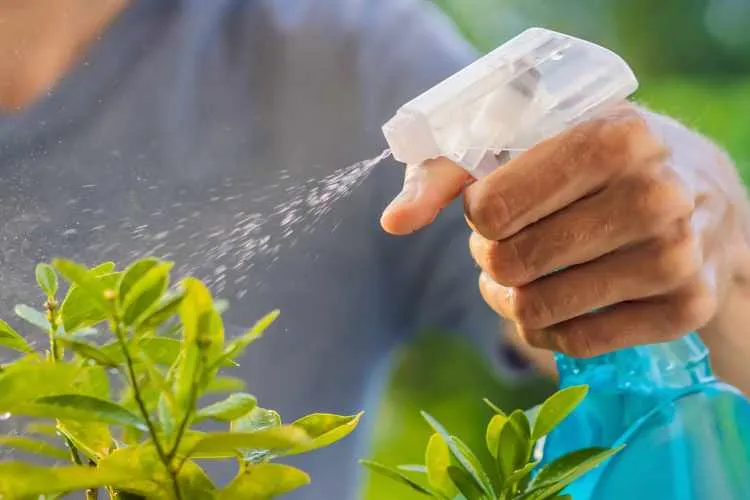
Use a clean spray bottle or garden sprayer, and keep the mixture moving as you apply. Neem oil tends to separate if left still, so shake the bottle often while spraying.
It’s best to mix only what you’ll use right away. Once diluted, neem oil loses its strength within a day or two, especially if left in the sun or heat. Store the original neem oil in a cool, dark spot to help it last longer—up to a year if it’s tightly sealed.
Best Times and Ways to Apply Neem Oil in Your Garden
Timing matters if you want neem oil to work well without harming helpful bugs. Aim to spray early in the morning or late in the evening, when the sun isn’t beating down and pollinators like bees aren’t flying around. This helps prevent leaf burn and keeps the oil from evaporating too quickly.
When using it for prevention, apply once every 7 to 14 days. If pests are already present, you might need to spray every 3 to 5 days until the problem is under control. Be consistent—since neem doesn’t kill on contact, repeated applications are key.
Make sure your spray reaches all parts of the plant. Mist the tops and undersides of the leaves, stems, and soil surface around the base. Many pests hide out of sight, so getting full coverage helps the oil reach them.
Avoid spraying on windy days, and hold the sprayer close to the plant to control the direction. If rain is in the forecast, wait—neem oil washes off easily and must be reapplied afterward.
Safety Tips for You, Your Plants, and Pollinators
Neem oil is considered safe for people and pets, but you should take a few precautions. Wear gloves and avoid getting it in your eyes or mouth. Some gardeners also prefer to wear a mask if they spray a large area, to avoid breathing in the fine mist.
Be careful around bees, butterflies, and other pollinators. While neem oil isn’t directly toxic to them, spraying when they’re inactive—early morning or after dusk is best. That way, you avoid coating them or the flowers they visit.
Before spraying an entire plant, do a patch test on a few leaves. Some plants, especially young or stressed ones, can be sensitive to neem oil and may show signs of leaf burn. Treat the rest of the plant if nothing looks off after 24 hours.
Also, avoid applying neem oil on hot days or in full sun. The oil can trap heat on the leaf surface, leading to scorch marks or wilting. Keeping things cool helps protect your plants while getting pest control benefits.
Common Mistakes to Avoid When Using Neem Oil Spray
One of the gardeners’ biggest mistakes is spraying neem oil in direct sunlight or during the hottest day. This can cause leaf burn, especially on tender plants like lettuce or herbs. Stick to cooler hours to keep your plants safe.
Another problem is forgetting to shake the bottle while you spray. Neem oil separates quickly in water; if you don’t keep it mixed, you’ll spray mostly water at first and concentrated oil at the end. That uneven coverage reduces effectiveness and can damage some leaves.
Another issue is using old or poorly stored neem oil. Over time, neem oil can go rancid, especially if exposed to heat or light. Always store it in a cool, dark place and check the smell—if it’s unusually sour or off, toss it.
Finally, don’t expect it to work like a chemical pesticide. Neem oil doesn’t kill on contact, so applying it once and walking away usually won’t solve the problem. Consistency is what gets results. Skipping follow-up sprays gives pests time to bounce back.
How Long Does It Take for Neem Oil to Work
Neem oil doesn’t give you overnight results, but that’s normal. After your first spray, you might see fewer pests within three to five days. Insects become less active, stop feeding, or drop off the plant entirely. Fungal issues like powdery mildew may start clearing up after several treatments.
What Results to Expect
It works slowly because it targets insect growth and reproduction. That means it’s more about stopping future generations than wiping out the current one in a single shot. To avoid the problem, apply it every few days during active outbreaks.
Don’t expect a dramatic change right away. You’re looking for gradual improvement—fewer damaged leaves, less insect activity, and healthier-looking plants. Stick with it, and you’ll notice your garden bouncing back over time.
How can I make Neem Oil More Effective?
Mix it properly to make it more effective by combining cold-pressed neem oil with a mild liquid soap and water, ensuring the oil emulsifies. Use the right ratio—1 to 2 teaspoons of neem oil per quart of water, depending on infestation level. Shake the mixture frequently during application to maintain consistency. Spray early or late evening to avoid leaf burns and protect pollinators. Cover all parts of the plant, including the undersides of leaves. Apply every 7 to 14 days for prevention, or every 3 to 5 days for active infestations. Always use fresh mixtures, as diluted neem oil loses potency quickly. Store the original oil in a cool, dark place to preserve its active compounds.