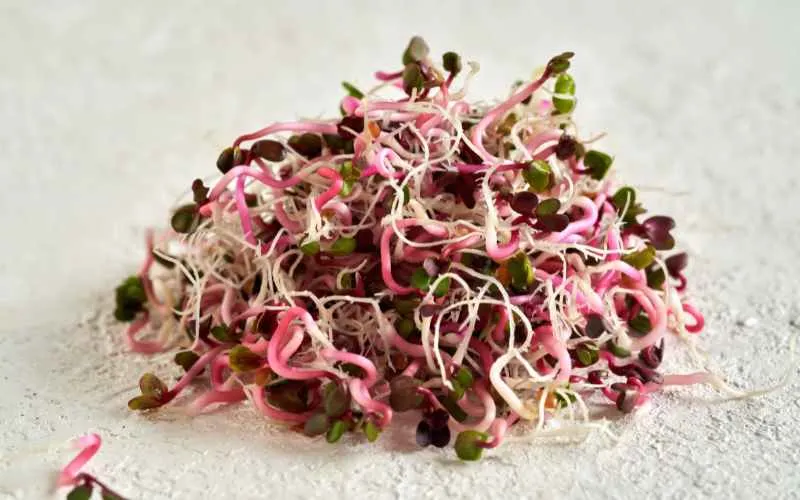
Growing radish sprouts indoors is one of the easiest ways to add fresh, homegrown greens to your meals without needing soil, special equipment, or outdoor space. Radish sprouts are the perfect solution if you’ve struggled growing vegetables or don’t want to wait weeks for a harvest.
They germinate in a few days, require minimal effort, and provide a crisp, peppery boost to salads, sandwiches, and stir-fries. Whether you’re new to sprouting or looking for a simple method that works every time, this guide will walk you through five easy steps.
You’ll learn exactly what you need, what to avoid, and how to ensure your sprouts stay fresh and healthy. Get ready to grow delicious, nutrient-packed sprouts with almost no effort. If you’re curious about other quick-growing options, check out this list of the best sprouts to grow at home.
Why Grow Radish Sprouts?
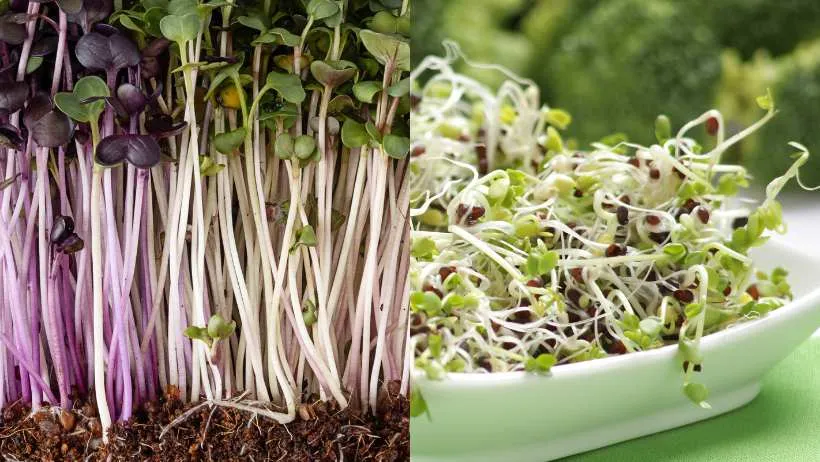
Radish sprouts are one of the fastest-growing and most nutritious microgreens you can grow at home. They take just a few days to sprout, making them perfect for anyone who wants fresh, homegrown greens without waiting weeks for a harvest. Their spicy, peppery flavor adds a kick to salads, sandwiches, and stir-fries, giving your meals both texture and taste.
Nutritionally, radish sprouts contain vitamins A, B, C, E, and K and essential minerals like calcium, magnesium, and potassium. They also contain antioxidants and compounds known to support digestion and immune function. Because they’re eaten raw, you get the full nutritional value without any loss from cooking.
Another major benefit is how easy they are to grow indoors. They don’t need soil, sunlight, or fancy equipment—just a jar, water, and patience. Even in a small kitchen, you can grow fresh sprouts year-round with minimal effort.
What You Need to Grow Radish Sprouts
Growing radish sprouts requires just a few basic supplies, most of which you may already have at home. The most important item is high-quality radish seeds labeled for sprouting, as regular garden seeds may be treated with chemicals. A wide-mouth glass jar works well as a container. Still, you can also use a bowl or any breathable container that allows easy rinsing and draining.
A mesh lid, cheesecloth, or a piece of breathable fabric secured with a rubber band can cover the jar and keep the seeds in place while allowing air circulation. Clean, filtered water is necessary for soaking and rinsing the seeds. While radish sprouts don’t need direct sunlight, keeping them in a bright room with indirect light will help them develop.
You can use a fine strainer to drain excess water if you don’t have a mesh lid. If you’re interested in growing other nutrient-dense sprouts, you might want to try broccoli sprouts, which are known for their high sulforaphane content.
5 Easy Steps to Grow Radish Sprouts
1. Soak the Seeds
Start by measuring about one to two tablespoons of radish seeds and placing them in a clean glass jar. Fill the jar with filtered water, covering the seeds completely. Let them soak for 6 to 8 hours or overnight. Soaking softens the seed coat and kickstarts the germination process.
2. Drain and Rinse
After soaking, drain the water using a mesh lid, cheesecloth, or a fine strainer. Rinse the seeds with fresh water, swirling them around gently before draining again. Ensure no excess water remains, as too much moisture can lead to mold or rotting.
3. Rinse Twice a Day
For the next few days, continue rinsing and draining the sprouts every morning and evening. Keep the jar in a well-ventilated spot with indirect light. You may notice tiny white root hairs as they grow—these are normal and not a sign of mold.
4. Maintain Airflow
Proper air circulation is key to preventing spoilage. Store the jar tilted at an angle, allowing any extra water to drain completely. Avoid sealing the jar tightly—sprouts need fresh air to thrive. If the sprouts look clumped together, gently shake them to separate them.
5. Harvest and Store
Your radish sprouts will be ready to eat in about 4 to 6 days. Once they reach 2 to 3 inches long, give them a final rinse and drain thoroughly. To store, pat them dry with a paper towel and place them in an airtight container lined with a dry cloth or paper towel. Keep them refrigerated, and they should stay fresh for up to a week.
For more quick-growing options, you may also be interested in how to grow broccoli sprouts fast, another easy and nutritious sprout to add to your diet.
When Are Radish Sprouts Ready to Eat?
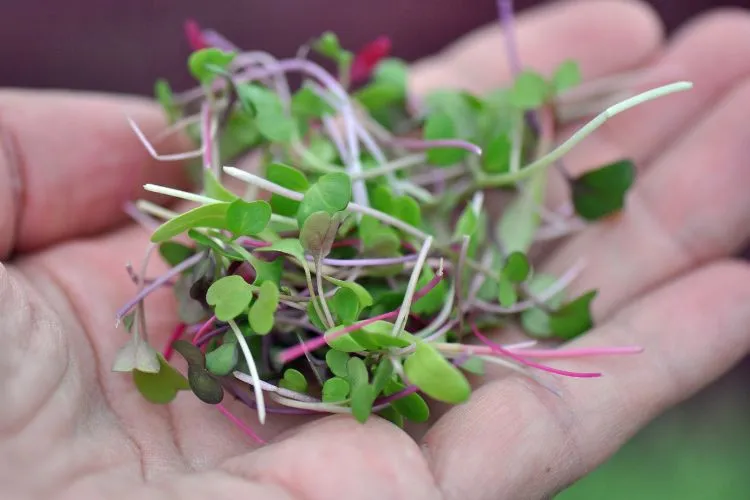
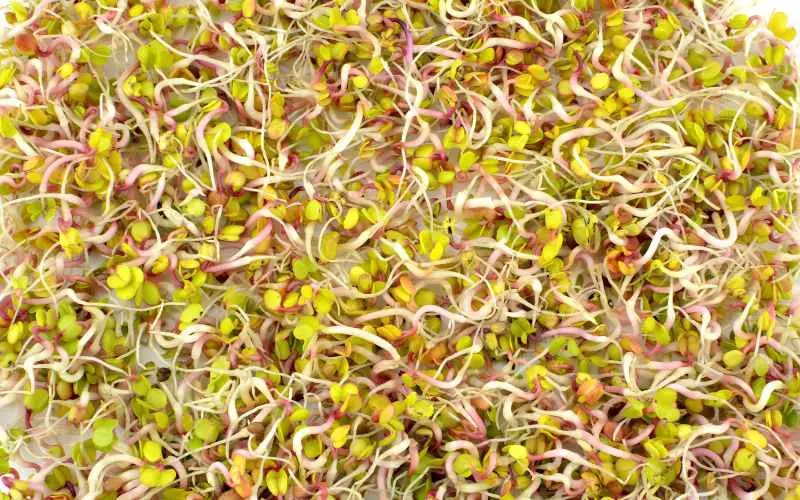
Radish sprouts are ready to eat when they reach about 2 to 3 inches long, usually around day 4 to 6. The leaves of your sprouts should be fully opened, and the stems will have a crisp, tender texture. You can taste a few to check if they have the signature peppery flavor—if they still seem underdeveloped, let them grow for another day.
To harvest, give the sprouts a final rinse and drain them well. If any seed hulls remain, you can remove them by soaking the sprouts in a bowl of water and gently swirling them around—most hulls will float to the top. Once cleaned, dry them with a paper towel before storing them.
For the best freshness, keep radish sprouts in an airtight container lined with a paper towel to absorb excess moisture. Stored in the refrigerator, they stay crisp and flavorful for up to a week. If you enjoy sprouting, you might also like experimenting with sprouted garlic, which offers a milder garlic flavor and unique health benefits.
What You Don’t Need (and Common Mistakes)
Many assume they need soil, fertilizer, or special grow lights to grow radish sprouts, but none are necessary. Unlike traditional gardening, sprouting relies only on water, air circulation, and the natural energy stored in the seeds. A sunny windowsill isn’t required either—radish sprouts thrive in indirect light and grow well in low-light conditions.
One common mistake is using old or untreated seeds, which may result in poor germination or contamination. Always use seeds labeled for sprouting to ensure they’re free from harmful chemicals or bacteria.
Overwatering is another frequent issue. Sprouts must be rinsed and drained well. Still, they shouldn’t sit in standing water, which can lead to mold and spoilage.
Poor air circulation can also cause sprouts to become slimy or develop an off smell, so keeping them in a well-ventilated area and tilting the jar for proper drainage helps maintain freshness. If you’re wondering how radish sprouts compare to other fresh greens, look at this sprouts vs. microgreens guide to decide which option is best for you.