Brussels sprouts are packed with fiber, vitamins C and K, and antioxidants, making them a nutritious addition to your meals. However, fresh Brussels sprouts don’t last long—after just a week in the fridge, they start to lose their firmness and develop a strong, bitter taste. Freezing is the best way to extend their shelf life, but they can turn mushy and flavorless if done incorrectly.
Proper preparation and blanching are key to preserving sprouts’ crisp texture and fresh taste. You’re not alone if you’ve ever frozen sprouts, only to end up with a soggy mess.
This guide will show you the exact steps to freeze Brussels sprouts correctly so they stay as delicious as the day you bought them.
Can You Freeze Brussel Sprouts?
Brussels sprouts can be frozen, but they must be prepared properly to keep their texture and flavor. Freezing raw sprouts without preparation can make them mushy and bitter after thawing. The best way to freeze them is by blanching first, which helps retain their color, taste, and firmness. If you skip this step, you may have limp, dull, and overly soft sprouts once cooked. Freezing also extends their shelf life, allowing you to enjoy them months after their peak season.
When Are Brussels Sprouts in Season?
Brussels sprouts are at their peak from late fall through early winter. Most regions harvest them from September to February, with the best flavor developing after a light frost.
Cold temperatures help the sprouts become sweeter by converting some of their starches into natural sugars. If you buy them fresh from a local market, this is the best time to stock up and freeze them for later use. While they are available year-round in grocery stores, the ones harvested during their natural season tend to have the best taste and texture.
How Do You Prepare Brussels Sprouts for Freezing?
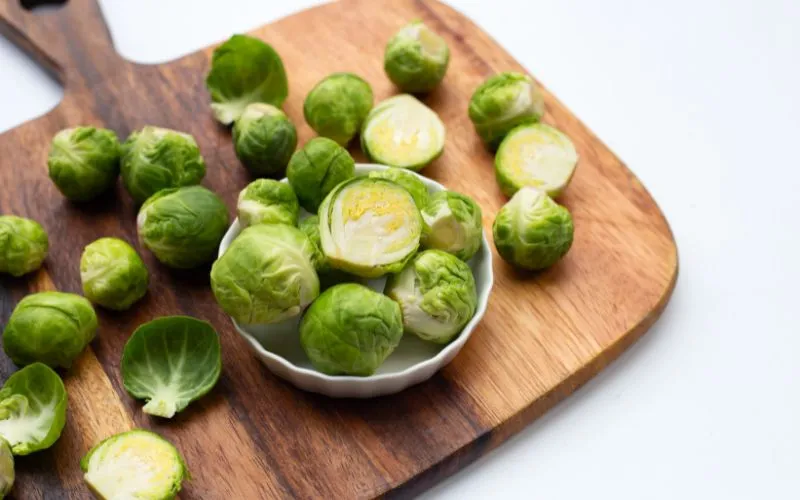
Before freezing, Brussels sprouts need proper cleaning and trimming to remove any dirt and tough outer leaves. Start by rinsing them under cold water to wash away debris. Then, inspect each sprout and peel off any yellowed or damaged leaves. Trim the stem ends slightly, but avoid cutting too much, as this can cause the sprouts to break apart.
If the sprouts vary in size, consider sorting them into small, medium, and large groups—this helps ensure even cooking during blanching. Proper preparation prevents freezer burn and helps maintain their texture when thawed.
Should You Cut or Wash Brussels Sprouts Before Freezing?
Yes, washing is essential to remove any dirt or tiny insects hiding in the leaves. Cutting, however, depends on your preference. Whole sprouts freeze well, but if you plan to use them in recipes where smaller pieces are needed, you can slice them in half before freezing. Keep in mind that halved sprouts blanch faster than whole ones.
Do I Need to Cut a Cross in the Sprouts Before Freezing?
There’s no need to cut a cross at the sprouts’ bottom. This old method is thought to help them cook more evenly, but blanching already achieves this by softening the outer layers. Cutting a cross may cause the sprouts to absorb too much water, making them soggy when frozen. Instead, focus on sorting them by size to ensure even blanching.
Do You Need to Blanch Brussels Sprouts?
Yes, blanching is an important step before freezing Brussels sprouts. Blanching helps preserve their bright green color, firm texture, and fresh flavor. It also slows down the enzyme activity that causes vegetables to spoil, preventing them from turning mushy or bitter over time. If you freeze raw sprouts without blanching, they may develop an unpleasant taste and lose their structure once thawed.
A Quick Lesson on Blanching
Blanching is a simple process that involves briefly boiling vegetables and then cooling them in ice water to stop the cooking. For Brussels sprouts, follow these steps:
- Bring a large pot of water to a rolling boil.
- Add the sprouts in small batches, depending on their size:
- Small sprouts: 3 minutes
- Medium sprouts: 4 minutes
- Large sprouts: 5 minutes
- Immediately transfer them to a bowl of ice water for the same time to stop the cooking.
- Drain thoroughly and pat them dry before freezing.
This process locks in freshness and prevents freezer burn, keeping your sprouts as close to fresh as possible.
How to Freeze Brussels Sprouts
Once the Brussels sprouts are blanched and dried, they are ready to be frozen. Freezing them correctly prevents them from clumping together and helps maintain their texture.
1. Prep the Brussels Sprouts for Freezing
After blanching, drain the sprouts well and spread them out on a clean kitchen towel or paper towel. Pat them dry to remove excess moisture, which helps prevent ice crystals from forming during freezing.
2. Freeze on a Baking Sheet
Line a baking sheet with parchment paper and arrange the sprouts in a single layer, ensuring they aren’t touching. Place the tray in the freezer for about 1-2 hours or until the sprouts are firm. This step, known as flash freezing, keeps them from sticking together in storage.
3. Transfer to Resealable Freezer Bags
Once frozen, transfer the sprouts into resealable plastic freezer bags or airtight containers. Squeeze out as much air as possible before sealing to prevent freezer burn. Label the bags with the date so you can keep track of freshness. Properly stored, frozen Brussels sprouts can last up to 12 months.
When you’re ready to use them, there’s no need to thaw—cook them straight from frozen for the best texture and flavor.
FAQ
Can You Freeze Sprouts Raw?
Yes, but it’s not recommended. Freezing raw Brussels sprouts can cause them to become mushy and develop a bitter taste when cooked. Blanching before freezing helps preserve their texture, color, and flavor. If you prefer a firmer bite, slightly reduce the blanching time, but skipping it entirely may result in lower-quality sprouts.
If you still want to freeze raw Brussels sprouts, make sure they are thoroughly cleaned and dried. However, they may not retain the same freshness and texture as properly blanched sprouts.