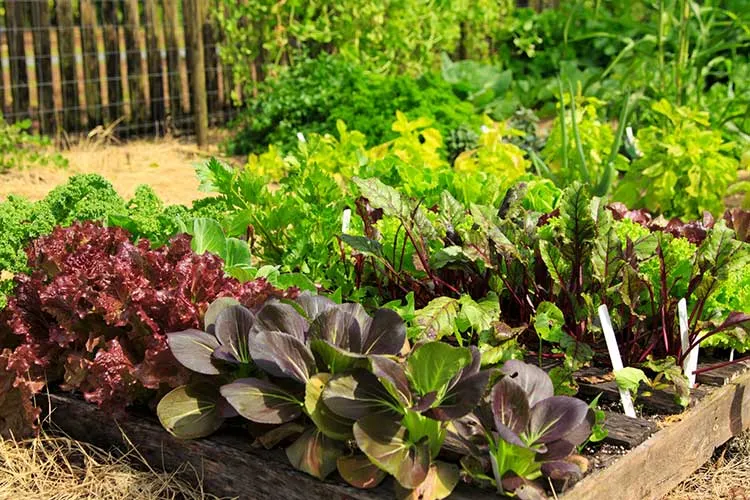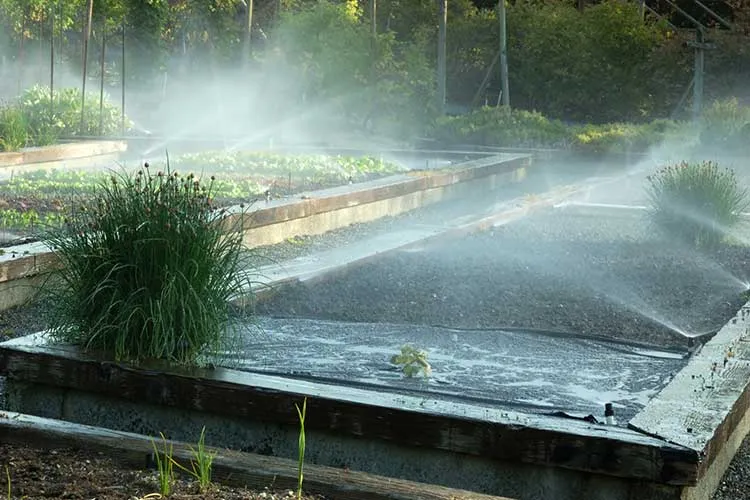
Growing bell peppers in a raised bed brings a splash of color and flavor right to your garden! From vibrant reds to sunny yellows and mellow greens, each bell pepper variety offers unique sweetness and texture, making them a fun addition to your raised bed setup. With the proper spacing, nutrient-rich soil, and optimal sunlight, your peppers will thrive, producing flavorful fruits for you all season long. Plus, a raised bed will lets you easily control soil quality and moisture, ensuring that you will get healthier, and abundant plants.
This gardening method is ideal for seasonal growing, allowing you to manage temperature and protect plants in cooler months if needed. By optimizing the conditions through a raised bed approach, you’ll enjoy a longer, more productive bell pepper season with vibrant, delicious peppers right from your backyard!
Bell Peppers: Varieties & Basics
Pepper Varieties
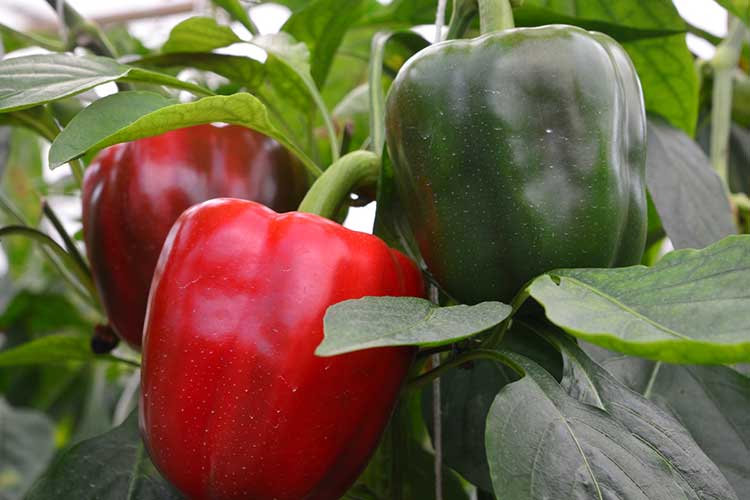
Bell peppers come in a colorful array of varieties, each with unique characteristics that make them fun to grow and add flavor diversity to your meals. The most common types you will find are green, red, yellow, and orange bell peppers, each with their distinct sweetness and flavor profiles. Green bell peppers are the least sweet, with a slightly bitter taste and crisp texture. As they ripen, green peppers will turn yellow, orange, and eventually red, growing sweeter and milder in flavor with each stage.
- Red Bell Peppers: These are the fully ripened stage of the green bell pepper and have the sweetest, most complex flavor. They’re packed with nutrients, including vitamin C and beta-carotene.
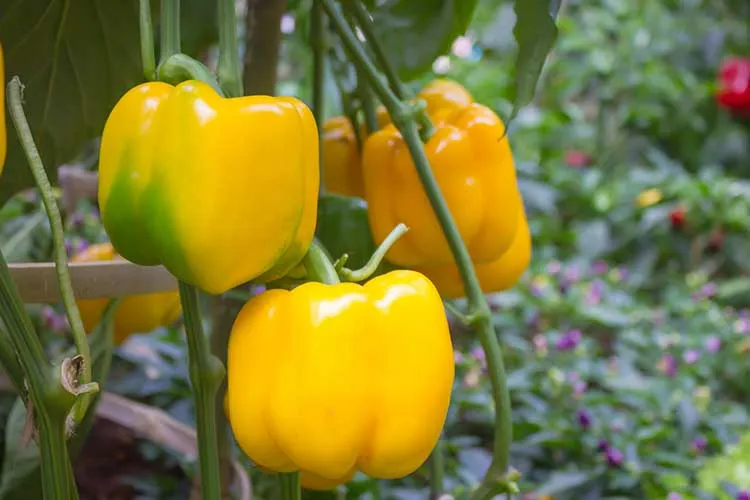
- Yellow & Orange Bell Peppers: Milder and sweeter than green but not as intense as red, these peppers are perfect for salads, grilling, and adding a pop of color.
- Specialty Varieties: For adventurous gardeners, there are also purple, brown, and even white bell peppers that bring unique flavors and colors to your garden.
Is a Bell Pepper a Fruit or Vegetable?
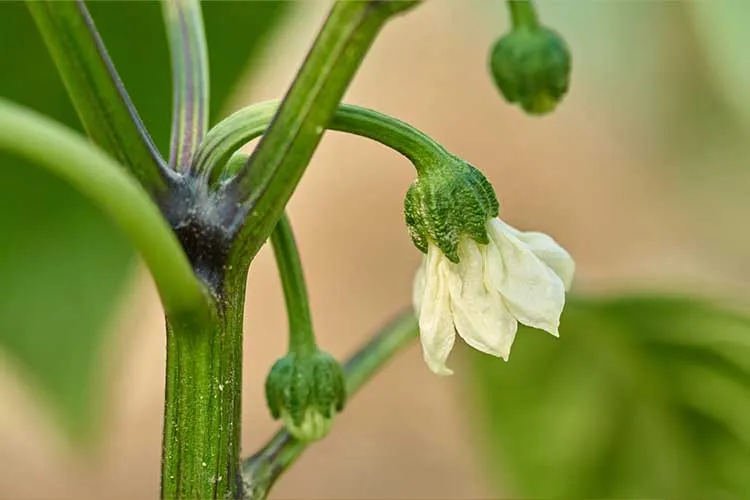
Botanically speaking, bell peppers are technically a fruit because they develop from the flower of the plant and contain seeds. However, in the culinary world, they’re treated as a vegetable due to their savory taste and common use in salads, stir-fries, and other savory dishes. This dual classification can be fun to share with friends or family, especially if they’re surprised to learn that their favorite vegetable is actually a fruit!
The Basics: Optimal Conditions for Bell Pepper Growth
Bell peppers thrive in warm, sunny conditions with a little extra attention to temperature and spacing. Here are the basics:
- Temperature: Peppers love warmth, with an ideal growing range between 70°F and 85°F. They’re sensitive to cold, so wait to plant outdoors until all chance of frost has passed and nighttime temperatures remain above 55°F.
- Spacing: In raised beds, allow about 18-24 inches of space between plants for adequate air circulation and room for growth.
- Soil: Bell peppers prefer well-draining, nutrient-rich soil with a pH between 6.0 and 6.8. Raised beds make it easy to maintain this soil quality.
Timing, Soil, and Sun Requirements
When to Grow Bell Peppers
The best time to plant bell peppers depends on your local climate and hardiness zone, but generally, peppers are warm-weather plants that do best when started in late spring or early summer. For most gardeners, that means planting outdoors after the last frost date, when temperatures stay consistently above 55°F at night. In colder zones, starting seeds indoors about 8-10 weeks before the last frost date is a great way to give plants a head start, so they’re ready to move to the raised beds when the weather warms up.
In regions with long, hot summers, bell peppers can even be planted directly in raised beds, but keep in mind they’ll need some shade during the hottest part of the day to avoid heat stress.
Select the Perfect Soil
Soil quality is key to growing vibrant, productive bell peppers in a raised bed. When you plant bell peppers in a raised bed, you gain control over the soil’s composition, which allows you to get that ideal growing environment. A rich, well-draining soil is essential, as it retains enough moisture without becoming waterlogged—perfect for these colorful, nutrient-loving plants. Here’s what you want to aim for:
- Composition: Use a loamy soil mix with a blend of garden soil, compost, and organic matter like peat moss or aged manure. This balance keeps soil nutrient-rich and airy, allowing roots to grow without being stifled.
- pH Levels: Bell peppers grow best in soil with a pH between 6.0 and 6.8. Test your soil beforehand to ensure it’s within this range, adjusting as needed with lime to raise pH or sulfur to lower it.
- Nutrients: Bell peppers are nutrient-hungry and require balanced soil with ample nitrogen, phosphorus, and potassium. Amending your soil with organic compost or a balanced vegetable fertilizer will give plants the nutrients they need for robust growth and fruit production.
Get Enough Sun
Bell peppers need plenty of sunlight to grow well, ideally around 6-8 hours of direct sunlight per day. Raised beds make it easy to place plants in optimal sunlight, but positioning is still important. Place raised beds in a sunny, south-facing spot to maximize exposure.
Full sun ensures that peppers develop their full flavor and ripen properly, but in areas with extremely high temperatures, consider using light shade cloths to protect plants from sunscald or heat stress during the hottest part of the day.
Seed vs. Transplant
Should You Start Bell Peppers from Seed or Plant?
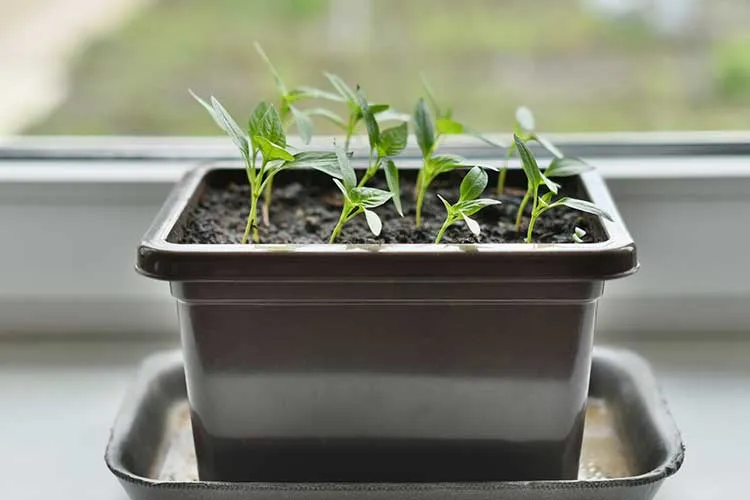
When growing bell peppers in a raised bed, you can either start from seed or transplant young plants, each method with its own benefits. Starting from seed is ideal if you want to grow unique varieties or prefer complete control over the growing process from the beginning. It’s also often more economical, especially if you’re planting many peppers. However, starting seeds requires a bit more patience and space indoors, as peppers need a warm, stable environment to germinate and grow for about 8-10 weeks before they’re ready for transplanting outside.
On the other hand, using transplants allows you to jump straight to outdoor planting once temperatures are warm enough, making it a faster, more convenient option. Garden centers often offer a variety of seedlings, and for beginner gardeners, transplants are a low-maintenance way to get started with bell peppers.
How to Plant Bell Pepper Plants
Whether you’re planting seeds or transplants, there are a few key steps to follow for healthy growth:
- Starting from Seed:
- Begin indoors 8-10 weeks before your last frost date. Fill seed trays or pots with seed-starting mix, planting each seed about 1/4 inch deep.
- Keep the soil consistently moist and warm, ideally between 75°F-85°F, using a heat mat if needed to encourage germination.
- When seedlings reach 2-3 inches tall and have a set of true leaves, transplant them to individual pots to continue growing until outdoor temperatures are consistently above 55°F.
- Planting Transplants in Raised Beds:
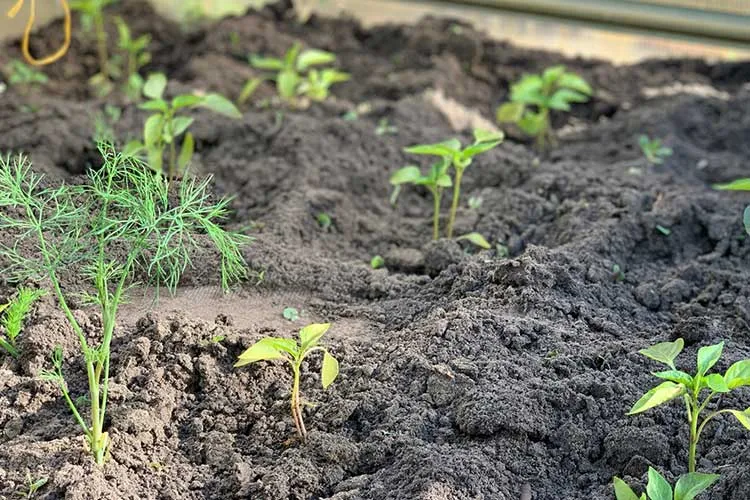
- Once the weather is consistently warm, prepare your raised bed by loosening the soil and enriching it with compost or a balanced fertilizer.
- Dig holes about 18-24 inches apart to give each plant ample space for root development and air circulation, which helps prevent disease.
- Place each transplant so that its root ball is covered, with the stem just above soil level. Lightly pack soil around the plant to hold it in place.
Tip: If planting in cooler climates, cover young plants with row covers or cloches to protect them from unexpected chills.
Spacing and Depth
Proper spacing and planting depth are essential for bell peppers to thrive. As noted, plant each pepper about 18-24 inches apart, which provides plenty of room for air circulation, sun exposure, and easy access for watering and tending. Whether planting seeds or transplants, avoid overcrowding, as this can lead to poor growth and increase the risk of disease.
With the right setup in your raised beds, bell peppers will take off, producing strong, healthy plants ready to deliver fresh, home-grown peppers.
How to Water Bell Pepper Plants
Bell peppers need consistent moisture but are prone to root rot if overwatered, so getting the watering routine right is essential. Here are some guidelines:
- Frequency: Water plants deeply about 1-2 times a week, depending on your climate and rainfall. In hot weather, more frequent watering may be necessary, but always check soil moisture first.
- Signs of Overwatering: Look out for yellowing leaves, drooping stems, and soggy soil—these can all indicate too much water. If you notice these signs, ease up and allow the soil to dry out slightly between waterings.
- Soil Moisture Management: Raised beds help with drainage, but using a moisture meter can be helpful for ensuring even hydration. Mulching with straw or shredded leaves can also keep moisture levels steady and prevent rapid evaporation on hot days.
How to Fertilize Bell Pepper Plants
Bell peppers are nutrient-hungry plants, so fertilizing at the right times with balanced nutrients will encourage steady growth and increase yield.
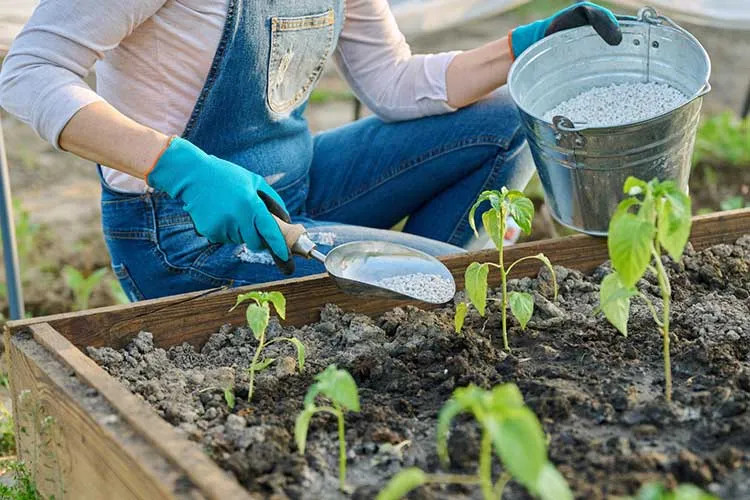
- Choosing Fertilizer: Use a balanced vegetable fertilizer, ideally with an N-P-K ratio of around 5-10-10 (low in nitrogen, higher in phosphorus and potassium to encourage flowering and fruiting). Organic options like compost or fish emulsion work well and release nutrients gradually.
- Timing: Start with a light fertilizing when transplanting or when plants are around 6-8 inches tall. Apply another round as soon as the first flowers appear to support fruit development. Afterward, fertilize about every 4-6 weeks for the rest of the growing season.
- Application: For granular fertilizers, sprinkle them evenly around the base of the plant, keeping a few inches away from the stem to avoid root burn. Watering after fertilizing helps nutrients reach the roots and enhances uptake.
How to Prune Bell Pepper Plants
Pruning is an often-overlooked step but can greatly benefit bell pepper plants by improving airflow, increasing light exposure, and encouraging more robust growth.
- When to Prune: Start pruning when plants are around 8-10 inches tall and have established several sets of leaves.
- Technique:
- Remove Lower Leaves: Trim off any leaves or small shoots near the base of the plant to prevent soil-borne diseases and improve airflow.
- Pinch Out Early Buds: In young plants, pinch off the first few flower buds to redirect energy into plant growth, which can lead to a more productive plant.
- Thin Excess Foliage: If plants are dense with leaves, trim back some of the inner branches to let sunlight reach lower parts of the plant and prevent overcrowding.
- Ongoing Maintenance: Check your plants every couple of weeks and remove any yellowing leaves, damaged branches, or additional low-growing foliage.
Pruning not only helps bell peppers grow more vigorously but also reduces pest issues and disease risk, setting you up for a fruitful pepper season.
How to Keep Bell Pepper Plants Upright
Bell pepper plants often need extra support as they grow taller and heavier with fruit. Using supports helps prevent plants from bending or breaking, especially in windy conditions or under the weight of ripening peppers.
- Stakes: Insert a wooden or bamboo stake about 12-18 inches deep next to each plant shortly after transplanting. Tie the main stem to the stake loosely with garden twine or soft ties, adding additional ties as the plant grows.
- Cages: Tomato cages work well for bell peppers too! Place a cage around the plant at the time of planting to let it grow within the frame. Cages provide 360-degree support, ideal for taller varieties or those with heavy fruiting.
- Other Supports: You can also use small trellises or DIY support systems made from sticks or garden poles, adapting them to your garden setup.
Keeping plants upright not only protects them from damage but also improves airflow, reducing the risk of fungal diseases.
What Are the Best Bell Pepper Companion Plants?
Companion planting benefits bell peppers by attracting beneficial insects, repelling pests, and optimizing soil nutrients. Here are some top companion plants to consider:
- Basil: Basil repels aphids, mosquitoes, and spider mites, which commonly affect bell peppers. Plus, basil and peppers make excellent culinary companions.
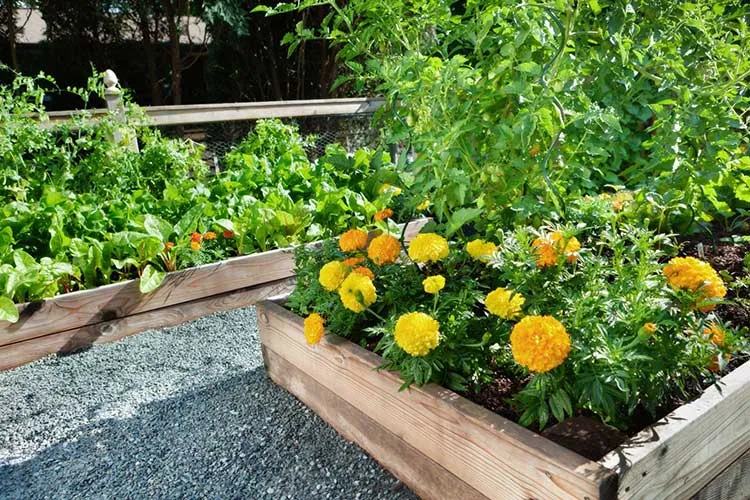
- Marigolds: Known for their pest-repelling properties, marigolds deter aphids, nematodes, and other harmful insects. They add color to your garden and protect your peppers at the same time.
- Onions and Garlic: These aromatic plants help ward off aphids and beetles. Plant them nearby or even in the same bed for a natural pest defense.
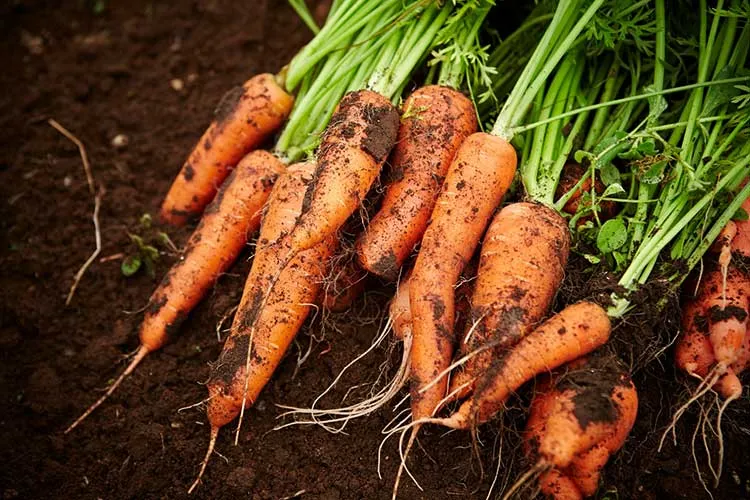
- Carrots: Carrots are low-growing and can be planted around the base of pepper plants, maximizing garden space while allowing peppers to benefit from the soil aeration provided by carrot roots.
Troubleshooting Common Bell Pepper Growing Issues
While bell peppers are relatively resilient, they can face challenges from pests, diseases, and environmental stress. Here are some of the most common issues you might find:
- Pests: Aphids, caterpillars, and spider mites are common pests that may infest bell peppers. Aphids cluster on leaves and stems, sucking plant sap and causing wilting. Caterpillars chew through foliage, while spider mites leave tiny webs and yellow speckles on leaves.
- Diseases: Bell peppers are prone to fungal diseases like powdery mildew, which appears as a white coating on leaves, and bacterial leaf spot, which causes dark, water-soaked lesions on foliage. Blossom-end rot, a common physiological disorder, causes black or sunken spots on the bottoms of the fruits due to calcium deficiency or inconsistent watering.
- Environmental Stress: High temperatures, excessive rainfall, or drought can lead to stress symptoms, such as leaf curling, yellowing, or fruit drop. Peppers are sensitive to temperature swings, and plants may become stunted if nighttime temperatures fall below 55°F or rise above 90°F consistently.
When and How to Harvest Bell Peppers
Knowing when to harvest bell peppers can depend on your preferred flavor and color. Green bell peppers are the earliest stage of maturity and can be harvested as soon as they reach your desired size, typically around 3-4 inches long. If you want sweeter peppers, wait until they ripen to red, yellow, or orange, which can take an extra couple of weeks on the plant.
- Signs of Ripeness: Peppers should feel firm and have a glossy skin. For the sweetest flavor, allow them to reach full color based on the variety you planted.
- Harvesting Technique: Use a sharp pair of scissors or garden shears to cut peppers off the plant, leaving about an inch of stem attached. Avoid pulling peppers by hand to prevent damaging the plant.
Post-Harvest Tips
After harvesting, you can store bell peppers in the fridge for up to two weeks. To keep them fresh, place them in a breathable bag or container. If you pick green peppers but want them to ripen further, leave them on the counter for a few days until they reach your preferred color.
Bell peppers also freeze well—simply chop and store them in a freezer bag for later use in soups, stir-fries, and more.
Conclusion
Growing bell peppers in raised beds is a rewarding gardening project that combines convenience with great yields. By using raised beds, you create a controlled environment that allows for better soil quality, drainage, and warmth, helping bell peppers thrive from spring through summer. Starting with the right variety, planting at the right time, and ensuring good soil, sun, and support will set you up for success.
Throughout the season, a little routine care—like watering, fertilizing, and occasional pruning—will keep plants healthy and productive. And when it comes time to harvest, the satisfaction of picking your own colorful, home-grown bell peppers can’t be beat. With some planning and the right conditions, you’ll enjoy a bountiful supply of fresh peppers for months, perfect for enhancing your favorite recipes.