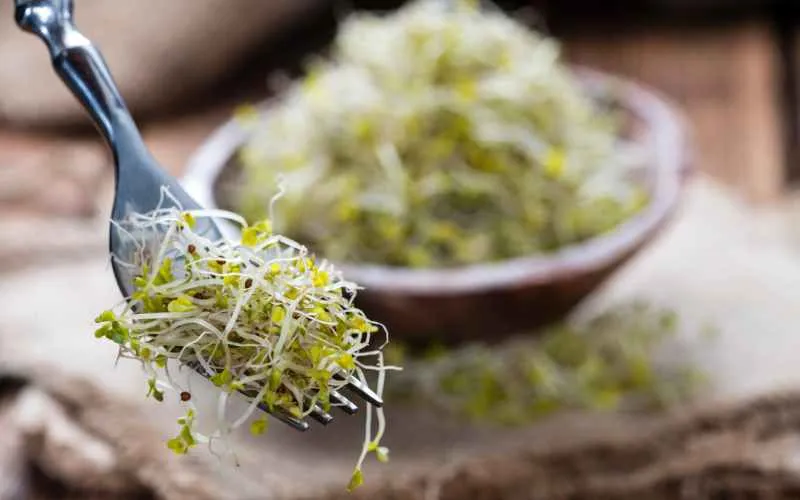
Gas and bloating after eating sprouts is a common problem, and the reason lies in their composition. Sprouts contain raffinose, a sugar the human body struggles to digest, leading to gut fermentation and gas release. While fiber is essential for digestion, a sudden increase can overwhelm your gut, causing discomfort. If you’ve ever felt uneasy after eating sprouts, it’s not just you—your digestive system needs time to adapt. The good news? You don’t have to give them up. Simple preparation techniques can make them easier on your stomach without losing their benefits.
Why Sprouts Can Cause Gas
Sprouts contain natural sugars and high amounts of fiber, which can be hard to digest. One of the main culprits is raffinose, a sugar that passes through the stomach and small intestine without being fully broken down. Once it reaches the large intestine, gut bacteria ferment it, producing gas as a byproduct.
Additionally, the fiber in sprouts adds bulk to your digestive system, which can slow digestion and lead to bloating. Some people are more sensitive to these effects than others, depending on their gut health and how accustomed their digestive system is to fiber-rich foods.
If you experience discomfort after eating sprouts, adjusting how you prepare and consume them may help. If you’re unsure whether sprouts or microgreens are better, check out Sprouts vs. Microgreens: Which is Better?
How to Avoid Gas after Eating Sprouts
Soak and Rinse Thoroughly
To avoid gas after eating sprouts, soak them in water for several hours before eating them. This helps break down some of the complex sugars that contribute to gas. After soaking, rinse them once or twice in clean water to remove excess starches. Some studies suggest that soaking legumes and cruciferous vegetables can reduce their raffinose content, making them easier to digest.
If you’re interested in sprouting peas at home, follow this guide on How to Sprout Peas for optimal results.
Cook or Lightly Steam
Raw sprouts can be tough on digestion, but heating them can break down some hard-to-digest carbohydrates. Light steaming, stir-frying, or blanching can soften the fibers and make sprouts gentler on your stomach. Cooking also helps neutralize certain compounds that may contribute to bloating.
If raw sprouts cause discomfort, try incorporating them into cooked dishes instead. Broccoli sprouts are one of the best options for health benefits, whether raw or cooked—learn more about their benefits in Broccoli Sprouts: A Superfood Worth Eating.
Introduce Them Gradually
If you’re not used to eating sprouts, start with small portions. Too much fiber too quickly can overwhelm your digestive system, leading to bloating and gas. Slowly increasing your intake over time allows your gut bacteria to adjust.
This gradual approach can also help you identify your personal tolerance level. If you’re looking for the best sprouts to grow at home, check out Best Sprouts to Grow for Maximum Nutrition.
Use Flavorful Herbs and Spices
Certain herbs and spices can aid digestion and reduce gas. Cumin, fennel, and caraway seeds have been traditionally used to ease bloating. Ginger and peppermint may also soothe the digestive tract and prevent discomfort. Adding these spices to your sprout dishes can enhance flavor and make them easier on your stomach.
Chew Carefully
Digestion starts in the mouth, and thorough chewing helps break down food before it reaches the stomach. When eating sprouts, take your time and chew each bite well. This simple habit can reduce the amount of air you swallow and help your digestive enzymes work more efficiently, leading to less gas formation.
Stay Hydrated
Drinking enough water throughout the day supports digestion by keeping food moving smoothly through your system. Fiber absorbs water, so staying hydrated helps prevent constipation and bloating. Pairing sprouts with plenty of fluids can minimize discomfort and keep your digestive system functioning well.
Keep a Food Journal
If you frequently experience gas after eating sprouts, keeping a food journal can help you identify patterns. Write down what you eat, how much, and any digestive reactions you notice. This can help you pinpoint whether certain preparation methods or portion sizes work better. Over time, you can adjust your diet to minimize discomfort while enjoying sprouts’ benefits. If you’re looking for high-protein options, explore Protein-Rich Sprouts for a Healthy Die.
Foods High in Raffinose You Should Watch Out For
Beans and Lentils
Legumes, including black beans, chickpeas, and lentils, are some of the biggest sources of raffinose. While packed with protein and fiber, they can cause bloating and discomfort for those not used to them. Soaking and cooking beans thoroughly can help reduce their gas-producing effects.
Cruciferous Vegetables
Cabbage, broccoli, Brussels sprouts, and cauliflower contain raffinose and fiber, which can contribute to gas. Cooking these vegetables helps break down tougher fibers, making them easier to digest. If raw versions bother you, try steaming or roasting them instead.
Asparagus
This nutrient-dense vegetable contains raffinose and natural sulfur compounds, which can lead to gas and an unusual urine odor after digestion. Eating asparagus in moderation or pairing it with digestive-friendly herbs can help reduce discomfort.
Consider preparation methods like soaking, cooking, and gradually increasing your intake to minimize gas from these foods.
Recommended Post: Which Sprouts are best for Gut Health?
Frequently Asked Questions About Avoiding Gas After Eating Sprouts
How to avoid gas after eating sprouts?
To avoid gas after eating sprouts, cook or lightly steam them to reduce hard-to-digest sugars. Start with small portions and chew thoroughly. Adding ginger, cumin, or fennel seeds can also help naturally ease digestion and prevent bloating.
Do sprouts cause gas?
Sprouts can cause gas in some people due to their high fiber and raffinose content. These natural sugars ferment in the gut, leading to bloating. Cooking, soaking, or sprouting properly helps break down the nutrients, making sprouts easier to digest.
How long does gas last after eating Brussels sprouts?
Gas from eating Brussels sprouts usually lasts a few hours but can linger for up to 24 hours, depending on your gut health and the amount you ate. Cooking them thoroughly and chewing slowly may reduce fermentation and speed up relief.