Is It Safe to Eat Raw Bean Sprouts?
Raw bean sprouts can carry harmful bacteria that cause foodborne illness. Since they grow in warm, humid conditions, they create an ideal environment for bacteria like Salmonella, E. coli, and Listeria. Unlike cooked vegetables, raw sprouts are eaten without heat treatment, which means any bacteria present can still be active. While healthy individuals may only experience mild symptoms from contaminated sprouts, those with weakened immune systems—such as pregnant women, young children, and older adults—are at higher risk for severe complications.
Despite the risks, some people eat raw sprouts for their nutritional benefits. Sprouts are rich in vitamins, enzymes, and fiber, but the potential for contamination makes it important to take precautions. Washing sprouts thoroughly may reduce some bacteria but does not eliminate all risks. Cooking them, however, significantly lowers the chances of illness by killing harmful pathogens. To compare sprouts and microgreens, check out Sprouts vs. Microgreens: Which is Better?
What Are Sprouted Beans/Seeds?
Sprouted beans and seeds are germinated legumes or grains that have begun to grow but have not yet developed into full plants. This process involves soaking the beans or seeds in water until they produce small shoots. Sprouting enhances their nutrient content, making them a popular choice for health-conscious eaters. They are often praised for their higher levels of vitamins, minerals, and enzymes than their un-sprouted counterparts.
Sprouting typically takes a few days and requires a warm, moist environment. Common seeds and legumes used for sprouting include mung beans, alfalfa, lentils, chickpeas, and radish seeds. People enjoy sprouts in salads, sandwiches, stir-fries, and smoothies because of their fresh, crunchy texture and mild flavor. However, their growing conditions also make them susceptible to bacterial contamination, so handling them safely is important. Learn how to sprout peas at home safely with this step-by-step guide.
Types of Bean Sprouts Commonly Eaten
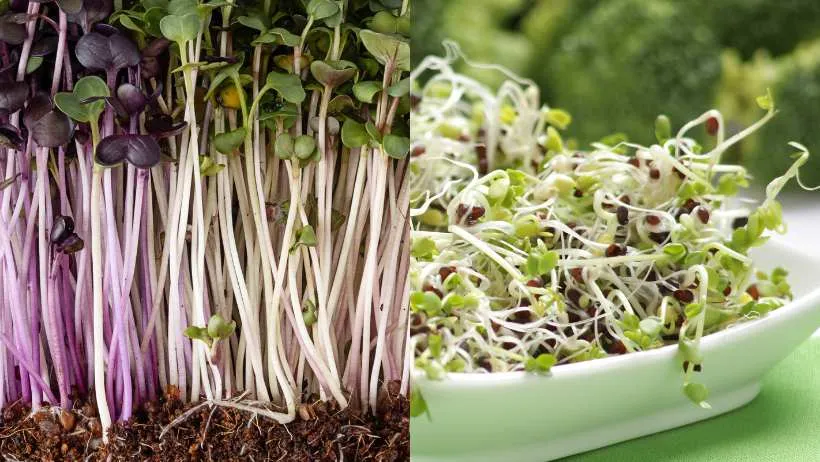
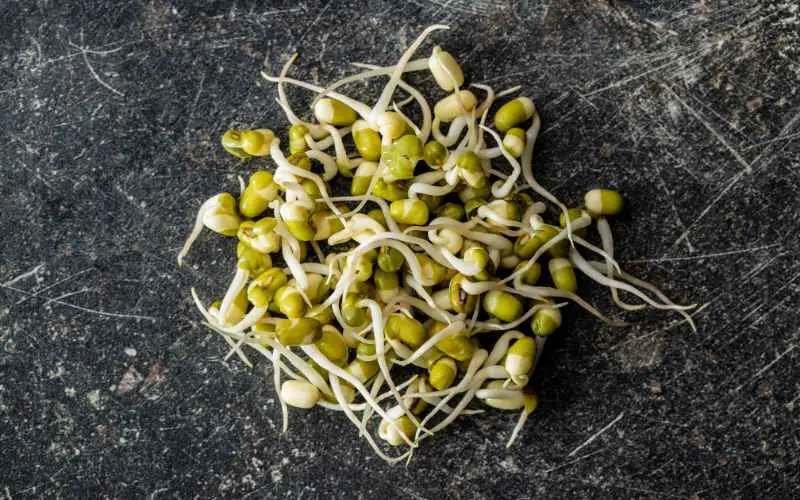
Several bean sprouts are widely used in cooking, each offering a unique texture and flavor. Mung bean sprouts are among the most popular, especially in Asian cuisine. They have a crisp texture and a mildly nutty taste, often found in stir-fries, soups, and fresh rolls. Alfalfa sprouts are commonly added to sandwiches and salads due to their delicate texture and slightly peppery flavor.
Lentil sprouts provide a hearty bite and a rich, earthy taste, making them a nutritious addition to salads, grain bowls, and wraps. Chickpea sprouts have a firmer texture and a mildly sweet flavor, often used in Mediterranean dishes or eaten raw as a snack. Radish sprouts are known for their spicy kick, adding extra flavor to salads and sandwiches.
Other varieties include clover sprouts, which resemble alfalfa but have a milder taste, and soybean sprouts, which are thicker and more fibrous than mung bean sprouts. While all of these can be eaten raw or cooked, cooking is recommended to reduce the risk of foodborne illness. If you’re interested in the benefits of a specific type, read more about broccoli sprouts and their potential health advantages.
Why Are Sprouts Risky?
Sprouts are one of the most common sources of foodborne illness because they grow in warm, humid conditions that promote bacterial growth. Harmful bacteria such as Salmonella, E. coli, and Listeria can contaminate sprouts at any stage—from the seed to the sprouting process. Since sprouts are often eaten raw, any bacteria present can cause illness if not properly handled or cooked.
Salmonella is a frequent cause of food poisoning linked to sprouts, leading to symptoms like diarrhea, fever, and stomach cramps. E. coli infections from contaminated sprouts can be even more severe, sometimes causing kidney damage. Listeria is particularly dangerous for pregnant women, newborns, and those with weakened immune systems, as it can lead to miscarriage, premature birth, or severe infections.
Among the different types of sprouts, alfalfa, clover, mung bean, and radish sprouts are most commonly associated with bacterial outbreaks. Contamination often starts with the seeds, which can carry bacteria before sprouting. Because washing alone cannot remove harmful microbes, sprouts have been involved in multiple recalls and outbreaks. This is why food safety experts recommend that high-risk individuals avoid eating raw sprouts and opt for thoroughly cooked versions instead.
How to Choose and Store Sprouts
When buying sprouts, look for fresh, crisp ones that are dry and free from slimy or discolored spots. Avoid packages with excess moisture, as this can encourage bacterial growth. If purchasing pre-packaged sprouts, check the expiration date and choose the freshest option. Buying from a reputable source that follows strict food safety guidelines reduces the risk of contamination.
Proper storage is essential to keep sprouts safe to eat. Always refrigerate them at or below 40°F (4°C) and consume them within a few days. Store them in a clean, ventilated container to prevent excess moisture buildup, which can promote bacterial growth. Avoid leaving sprouts at room temperature for extended periods, as bacteria multiply quickly in warm conditions.
If growing sprouts at home, use clean, sanitized equipment and fresh water to minimize the risk of contamination. Rinsing sprouts under running water before eating can help remove surface bacteria but not eliminate all pathogens. To be extra cautious, cooking sprouts before consumption is the safest option.
Safest Ways to Prepare and Cook Bean Sprouts
How do I make sure my bean sprouts are safe to eat? Proper handling and cooking of bean sprouts are essential to reducing the risk of foodborne illness. Start by washing your hands before and after touching sprouts to prevent cross-contamination. Rinse the sprouts thoroughly under running water, but remember that washing alone does not remove all harmful bacteria. Avoid soaking sprouts for extended periods, as this can encourage bacterial growth.
Cooking sprouts is the most effective way to kill bacteria. Stir-frying, boiling, or steaming at a temperature of at least 165°F (74°C) ensures safety. When adding sprouts to stir-fries, cook them for at least one to two minutes until they are hot and slightly softened. Let the sprouts in soups or stews simmer long enough to reach the recommended temperature.
Avoid consuming raw sprouts if you are pregnant, elderly, or have a weakened immune system. If a recipe calls for raw sprouts, consider substituting with cooked versions or using alternatives like shredded cabbage or microgreens. Keep raw and cooked sprouts separate to prevent cross-contamination, and always use clean utensils and cutting boards.
Common Concerns and FAQs
Why does my stomach hurt after eating mung bean sprouts?
After eating mung bean sprouts, digestive discomfort can be due to their high fiber content, which may cause bloating or gas. In some cases, mild food poisoning could also be responsible. If symptoms persist, read more about gas after eating sprouts.
Are cooked sprouts still nutritious?
Yes, cooking reduces some vitamin content, making other nutrients more digestible while eliminating harmful bacteria. For more on how sprouts support digestion, check out sprouts for gut health.